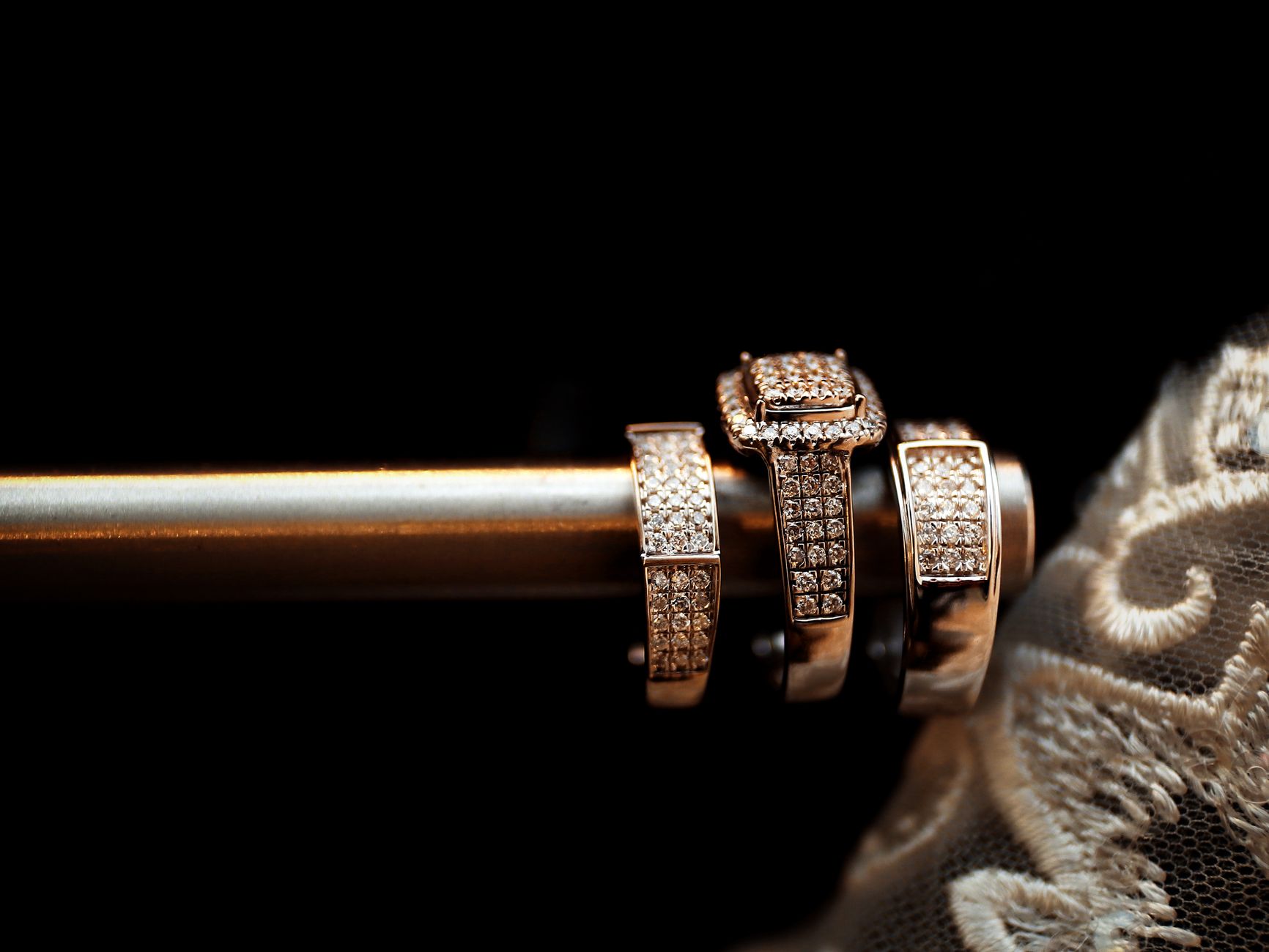
Discover the Best Diamond Engagement Rings for Your Dream Proposal
best diamond engagement rings

Discover the Best Diamond Engagement Rings for Your Dream Proposal

Unlock the secrets to finding a stunning, high-quality diamond engagement ring that perfectly symbolizes your love story.

Find Your Perfect Ring

Key Takeaways

  • ✓ The 4Cs (Cut, Color, Clarity, Carat) are fundamental to diamond quality and value.
  • ✓ Understanding different ring settings (e.g., solitaire, halo, pave) is crucial for style.
  • ✓ Ethical sourcing and certifications (GIA, AGS) ensure responsible diamond purchasing.
  • ✓ Budget, personal style, and future wearability should guide your final decision.

How It Works

1
Define Your Budget & Priorities

Determine a comfortable spending range and prioritize what aspects of the ring are most important to you, whether it's size, sparkle, or origin. This initial step sets the foundation for a focused and stress-free search.

2
Research Diamond Quality (4Cs)

Educate yourself on the 4Cs – Cut, Color, Clarity, and Carat weight – to understand how these factors impact a diamond's beauty and price. This knowledge empowers you to make informed decisions about your diamond selection.

3
Explore Ring Settings & Styles

Browse various ring settings, such as solitaire, halo, or three-stone, and consider the wearer's personal style and lifestyle. The setting not only enhances the diamond but also defines the ring's overall aesthetic and durability.

4
Choose a Reputable Jeweler & Certifications

Select a trusted jeweler known for quality and transparency, and always insist on independent diamond certifications (GIA, AGS). This ensures authenticity, value, and peace of mind for your significant purchase.

Understanding the 4Cs: The Foundation of Diamond Quality
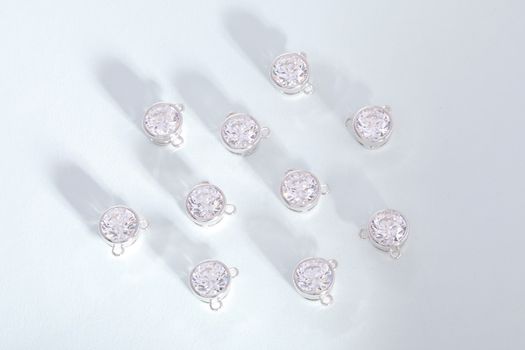
Luxurious diamond studs displayed in a minimalistic studio setup. Ideal for jewelry promotions. Photo: The Glorious Studio / Pexels
Embarking on the journey to find the best diamond engagement rings begins with a thorough understanding of the 4Cs: Cut, Color, Clarity, and Carat Weight. These four fundamental characteristics are universally recognized standards that determine a diamond's quality, beauty, and ultimately, its value. While often discussed together, each 'C' plays a distinct and crucial role in the overall appeal of a diamond, and understanding their nuances will empower you to make an informed decision that perfectly balances your desires and budget. Let's start with Cut, arguably the most important of the 4Cs, as it dictates a diamond's sparkle and brilliance. Many mistakenly confuse cut with the diamond's shape (like round, princess, or oval), but cut actually refers to how well a diamond's facets interact with light. An expertly cut diamond will maximize the amount of light that enters it, reflects internally, and then disperses back to your eye as dazzling sparkle, fire (the dispersion of light into spectral colors), and brilliance (the total white light reflected). A poor cut, regardless of the other 3Cs, will result in a dull, lifeless stone. Look for GIA or AGS excellent/ideal cut grades for optimal performance. These certifications meticulously evaluate proportions, symmetry, and polish to ensure the diamond's light performance is exceptional. Next, we delve into Color. Diamond color is graded on a scale from D (colorless) to Z (light yellow or brown). The less color a diamond possesses, the rarer and more valuable it typically is. While D-F diamonds are considered colorless and command the highest prices, G-J diamonds are often described as 'near colorless' and can appear colorless to the naked eye, especially when mounted in white gold or platinum. This allows for a beautiful diamond at a more accessible price point. The choice of color often depends on the metal of the ring; a slightly warmer diamond might look stunning in a yellow gold setting, while a colorless diamond truly shines in white metals. Clarity refers to the absence of inclusions (internal flaws) and blemishes (external imperfections). Graded on a scale from Flawless (FL) to Included (I), most diamonds contain some degree of natural characteristics. The goal is to find a diamond that is 'eye-clean,' meaning its inclusions are not visible to the naked eye. VS1 or VS2 (Very Slightly Included) and SI1 or SI2 (Slightly Included) grades often offer excellent value, as their inclusions are typically microscopic and do not detract from the diamond's beauty. Magnification is usually required to see these minute imperfections. Finally, Carat Weight measures a diamond's weight, not its size. One carat equals 200 milligrams. While a larger carat weight often translates to a larger diamond, the actual visual size can be influenced by the diamond's cut and shape. For instance, an oval-cut diamond of the same carat weight as a round brilliant might appear larger due to its elongated shape. It's important to remember that a diamond's beauty is a holistic combination of all 4Cs, not just its carat weight. A smaller diamond with excellent cut, color, and clarity will often appear more brilliant and beautiful than a larger diamond with poor characteristics. Prioritizing cut is always a wise strategy when balancing the 4Cs to find the perfect diamond for your engagement ring. Understanding these elements allows you to confidently navigate the vast selection and choose a diamond that truly sparkles with meaning and beauty.

Exploring Popular Engagement Ring Settings and Styles
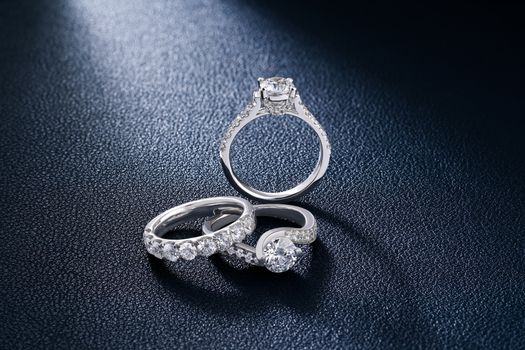
Close-up of luxurious diamond engagement and wedding rings on a textured surface, showcasing elegance and craftsmanship. Photo: The Glorious Studio / Pexels
Beyond the diamond itself, the setting of an engagement ring plays an equally vital role in its overall aesthetic, durability, and how it complements the wearer's hand and personal style. The setting is the metal structure that holds the diamond, and it significantly influences the ring's character, from classic elegance to modern minimalism or vintage charm. Choosing the right setting is a deeply personal decision, and understanding the most popular options will help you narrow down the best diamond engagement rings for your specific vision. One of the most timeless and beloved settings is the Solitaire. As its name suggests, a solitaire setting features a single, prominent diamond, typically held by four or six prongs. This design maximizes the diamond's brilliance and allows it to be the undisputed focal point, making it an excellent choice for those who appreciate classic simplicity and want the diamond's sparkle to speak for itself. Solitaire settings are incredibly versatile and pair well with any diamond shape, though they are most commonly seen with round brilliant diamonds. Their clean lines also make them easy to clean and maintain. For those seeking more sparkle and a grander presence, the Halo setting is a fantastic option. A halo setting features a central diamond encircled by a border of smaller, pavé-set diamonds. This creates the illusion of a larger center stone and adds significant brilliance and fire to the ring. Halos can be round, square, or custom-shaped to match the center diamond, and they are particularly effective at enhancing the perceived size of smaller diamonds. They are a popular choice for their glamorous and eye-catching appeal. Another beloved style is the Three-Stone setting, also known as a trilogy ring. This design features a central diamond flanked by two smaller diamonds, symbolizing the past, present, and future of a couple's relationship. The side stones can be the same shape as the center stone or a complementary shape, such as baguettes or pears. Three-stone rings offer a substantial look and can be customized with different diamond sizes and types, allowing for a personalized touch. They carry a beautiful sentiment and offer a balanced, elegant aesthetic. The Pavé setting, from the French word for 'paved,' involves setting small diamonds closely together across the band, creating a continuous surface of sparkle. These tiny diamonds are held in place by small beads of metal, making the metal itself almost invisible. Pavé can be used on the entire band, as an accent around a halo, or along the shoulders of a solitaire. It adds incredible shimmer and can make a center diamond appear larger and more brilliant. For a more vintage or intricate look, consider settings with elaborate filigree work, milgrain detailing, or unique metalwork. Bezel settings, where the metal completely encircles the diamond, offer maximum security and a sleek, modern look. Channel settings, where diamonds are set flush within a metal channel, provide a smooth surface and excellent protection for the stones. Each setting offers distinct advantages in terms of aesthetics, durability, and maintenance. When choosing, consider the wearer's daily activities, as some settings are more prone to snagging or requiring frequent cleaning than others. Ultimately, the best setting will not only enhance the beauty of your chosen diamond but also reflect the unique personality and style of the person who will wear it for a lifetime.

Ethical Sourcing and Certification: Buying with Confidence
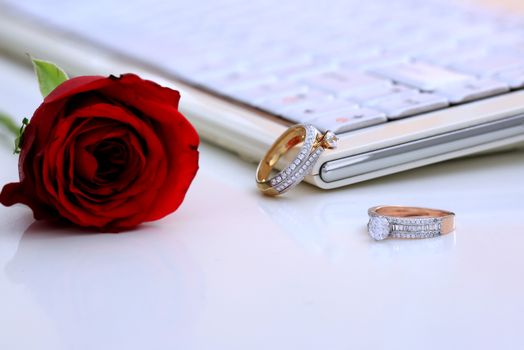
Elegant diamond rings and a red rose displayed on a clean white surface, symbolizing luxury and romance. Photo: The Glorious Studio / Pexels
In today's world, the origin and ethical sourcing of your diamond are as important as its beauty and quality. When searching for the best diamond engagement rings, understanding ethical practices and insisting on proper certification provides peace of mind, ensuring your symbol of love is also a symbol of responsible consumerism. The diamond industry has made significant strides in ensuring that diamonds are sourced ethically, free from conflict, and contribute positively to the communities where they are mined. The primary framework for ensuring ethical sourcing is the Kimberley Process Certification Scheme (KPCS). Established in 2003, the Kimberley Process is an international certification scheme that unites governments, industry, and civil society in preventing the flow of conflict diamonds – rough diamonds used by rebel movements to finance wars against legitimate governments. Diamonds certified under the Kimberley Process are guaranteed to be conflict-free. While the KPCS has been instrumental, some critics argue its scope is limited to conflict and doesn't fully address human rights or environmental concerns. Therefore, many reputable jewelers go beyond the KPCS to ensure a more comprehensive ethical supply chain. Beyond the Kimberley Process, look for jewelers who provide transparent information about their diamond suppliers and their commitment to social and environmental responsibility. Many jewelers now source diamonds directly from mines or through suppliers who adhere to strict ethical codes, including fair labor practices, safe working conditions, and environmental protection. Some even offer diamonds with a specific country of origin, allowing you to trace its journey from mine to market. This level of transparency is a hallmark of a trustworthy jeweler and ensures you are making a responsible purchase. Equally crucial are independent diamond certifications from renowned gemological laboratories. The Gemological Institute of America (GIA) and the American Gem Society (AGS) are the two most respected and reliable grading laboratories globally. Their certificates provide an unbiased, detailed assessment of a diamond's 4Cs, ensuring you receive exactly what you pay for. A GIA or AGS certificate acts as an objective report card for your diamond, detailing its cut, color, clarity, and carat weight, along with other important characteristics like polish, symmetry, and fluorescence. These certifications are vital for verifying the quality and value of your diamond and are non-negotiable when making such a significant investment. Other certifications, such as those from the International Gemological Institute (IGI) or European Gemological Laboratory (EGL), exist, but GIA and AGS are widely considered the industry gold standard due to their stringent grading standards and lack of commercial affiliation. Always ask for a GIA or AGS report when purchasing a diamond, especially for larger or more valuable stones. This report not only confirms the diamond's characteristics but also serves as proof of its authenticity and quality, which is essential for insurance purposes and future valuations. By prioritizing ethical sourcing and insisting on independent certifications, you can confidently choose a diamond engagement ring that not only dazzles with its beauty but also aligns with your values, making your special moment even more meaningful. This commitment to responsible purchasing ensures your precious gem has a story as beautiful as its sparkle.

Tips for Choosing the Best Diamond Engagement Rings & Common Mistakes to Avoid
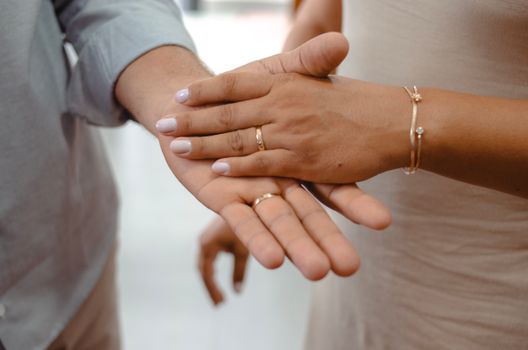
Close-up of a couple holding hands showcasing gold rings and bracelets. Photo: Matheus Lara / Pexels
Navigating the world of diamond engagement rings can be daunting, but with the right approach, you can find a ring that truly embodies your love story. Here are some essential tips and common pitfalls to steer clear of when selecting the best diamond engagement rings: **Tips for a Successful Purchase:** * **Know Your Partner's Style:** Discreetly observe their current jewelry, fashion preferences, and even their Pinterest boards. Do they prefer classic, modern, vintage, or minimalist designs? This insight is invaluable. * **Prioritize Cut Above All Else:** As discussed, a diamond's cut is the primary driver of its sparkle. A well-cut diamond will appear more brilliant and lively, even if it has slightly lower color or clarity grades. * **Consider 'Eye-Clean' Diamonds:** Instead of paying a premium for Flawless (FL) or Internally Flawless (IF) clarity, opt for VS1, VS2, or even SI1 diamonds that are 'eye-clean' (no visible inclusions without magnification). This can save you significant money without sacrificing beauty. * **Balance the 4Cs with Your Budget:** Don't aim for perfection in all 4Cs unless your budget is limitless. Decide which C is most important to you and your partner, and then compromise slightly on the others to stay within your financial comfort zone. * **Think About the Metal:** The choice of metal (platinum, white gold, yellow gold, rose gold) impacts the ring's overall look and durability. Platinum is the most durable and hypoallergenic, while white gold offers a similar look at a lower price point. Yellow and rose gold offer warmer, more traditional or romantic aesthetics. * **Shop Reputable Jewelers:** Stick to jewelers with strong reputations, transparent policies, and excellent customer service. Read reviews and ask for recommendations. * **Insist on Independent Certification:** Always, always, always get a GIA or AGS certificate for your diamond. This is your guarantee of quality and authenticity. * **Consider Insurance:** Once you've made your purchase, ensure your ring is insured. This protects your investment against loss, theft, or damage. **Common Mistakes to Avoid:** * **Focusing Solely on Carat Weight:** While size is appealing, a large, dull diamond is less impressive than a smaller, brilliant one. Don't sacrifice cut for carat weight. * **Ignoring the Setting's Impact:** The setting can drastically change a diamond's appearance and the ring's overall feel. A poorly chosen setting can detract from even the most beautiful diamond. * **Buying Without Certification:** Purchasing an uncertified diamond is a huge risk. You have no objective proof of its quality, and you could be overpaying significantly. * **Not Considering Lifestyle:** A delicate pavé setting might not be ideal for someone with an active lifestyle. Think about how the ring will be worn daily and choose a setting that's practical and durable. * **Shopping Under Pressure:** Don't feel rushed or pressured into making a decision. Take your time, compare options, and feel confident in your choice. * **Forgetting About Ring Sizing:** While rings can be resized, knowing the correct size upfront saves time and potential stress. Discreetly find out your partner's ring size if possible. * **Neglecting Aftercare:** Diamonds need cleaning and settings need periodic inspection. Understand the maintenance required to keep the ring sparkling and secure for years to come. By following these tips and avoiding common pitfalls, you'll be well-equipped to select one of the best diamond engagement rings that not only symbolizes your love but also stands the test of time in beauty and quality.

Comparison

FeatureSolitaire SettingHalo SettingThree-Stone SettingPavé Band
Diamond FocusHigh (single stone)High (center stone amplified)Balanced (center + sides)Accentuates center
Perceived SizeTrue to caratAppears largerAppears larger overallEnhances brilliance
Sparkle LevelExcellent (diamond dependent)Exceptional (added small diamonds)Very Good (multiple diamonds)High (continuous sparkle)
Durability✓ (prongs can snag)✗ (small stones can loosen)✓ (secure side stones)✗ (small stones can loosen)
MaintenanceLowModerate (more crevices)ModerateModerate (more crevices)
StyleClassic, TimelessGlamorous, ModernSentimental, ElegantLuxurious, Modern
Cost ImpactLower (setting only)Higher (extra diamonds)Higher (extra diamonds)Higher (extra diamonds)

What Readers Say

"This guide was incredibly helpful in understanding the 4Cs. I felt so much more confident choosing one of the best diamond engagement rings, and my fiancé absolutely adores the solitaire ring we picked."

Sarah M. · New York, NY

"The section on ethical sourcing was a game-changer for me. I wanted to ensure my purchase was responsible, and this article provided clear direction on finding the best diamond engagement rings with proper certifications."

David P. · Los Angeles, CA

"Thanks to this article, I avoided common mistakes and found a stunning halo diamond engagement ring within my budget. The tips on prioritizing cut made all the difference in its sparkle!"

Jessica L. · Chicago, IL

"The information on different settings was very thorough. While I still had some questions, the guide provided an excellent foundation for my search for the best diamond engagement rings."

Michael R. · Houston, TX

"As someone completely new to buying jewelry, this guide broke down complex topics into easy-to-understand advice. I confidently chose a beautiful three-stone ring, and it's perfect!"

Emily C. · Miami, FL

Frequently Asked Questions

What are the most important factors when choosing the best diamond engagement rings?

The most important factors are the 4Cs: Cut, Color, Clarity, and Carat Weight. Among these, Cut is often considered paramount as it dictates a diamond's sparkle and brilliance. Additionally, the ring's setting, ethical sourcing, and independent certification are crucial for a confident and meaningful purchase.

Is it better to prioritize a larger diamond or higher quality?

Generally, it's better to prioritize quality, especially the diamond's cut. A smaller, well-cut diamond with excellent sparkle will appear more beautiful and lively than a larger diamond with a poor cut or significant inclusions. Balancing the 4Cs to find an 'eye-clean' diamond with a strong cut often provides the best value and visual appeal.

How do I ensure I'm buying an ethically sourced diamond?

To ensure ethical sourcing, look for jewelers who adhere to the Kimberley Process Certification Scheme (KPCS) and provide transparent information about their supply chain. Many reputable jewelers go beyond KPCS, committing to fair labor practices and environmental responsibility. Always ask about their ethical sourcing policies and certifications.

What is a reasonable budget for the best diamond engagement rings?

There's no single 'reasonable' budget, as it's highly personal. While the old 'two months' salary' rule is outdated, most couples spend between $3,000 and $10,000. Focus on setting a budget that is comfortable for you and then optimizing the 4Cs and setting to get the best possible ring within that range.

What's the difference between GIA and AGS certifications?

Both GIA (Gemological Institute of America) and AGS (American Gem Society) are highly respected, independent gemological laboratories that provide unbiased diamond grading reports. They are considered the industry's gold standard. While their grading scales are slightly different, both are reliable and ensure accurate assessment of a diamond's quality.

Who should consider a lab-grown diamond for their engagement ring?

Anyone looking for a more affordable, ethically traceable, and environmentally conscious alternative to natural diamonds should consider lab-grown diamonds. They possess the exact same chemical, physical, and optical properties as natural diamonds, offering identical beauty and sparkle at a lower price point, allowing for a larger or higher-quality stone within the same budget.

Are certain ring settings more durable than others?

Yes, some settings offer greater durability. Bezel settings, where the metal completely surrounds the diamond, provide excellent protection. Channel settings also offer good security for smaller stones. Pavé and halo settings, while beautiful, can be more delicate due to the numerous small diamonds and may require more frequent maintenance to ensure stones remain secure.

What are the emerging trends for best diamond engagement rings?

Emerging trends include a growing interest in unique diamond shapes like oval, pear, and emerald cuts, as well as colored gemstones as accent stones. Rose gold settings remain popular, and there's an increasing demand for personalized designs, vintage-inspired rings, and a strong emphasis on ethically sourced and sustainable options, including lab-grown diamonds.

Ready to find the perfect symbol of your love? Use this comprehensive guide to confidently explore and select from the best diamond engagement rings available. Your dream proposal starts with the perfect ring, expertly chosen for its beauty, quality, and meaning.

Topics: best diamond engagement ringsdiamond ring buying guideengagement ring stylesdiamond qualityethical diamonds
Leo List
Brampton weed
Adultwork EstrelaBet Vai de Bet R7 Bet Betão Galera Bet Rainbet Bet9ja Shop SportyBet BetKing Sisal Loto Foot Hollywoodbets YesPlay Odibets RushBet Jugabet BetWarrior BetCity MSport betPawa Fortebet