Discover the Best Hypoallergenic Earrings for Sensitive Ears
July 31, 2026 15 min read 2,991 words
Say goodbye to irritation and hello to stylish comfort with our ultimate guide to sensitive ear-friendly jewelry.
Find Your Perfect Pair
Understanding Sensitive Ears and Allergic Reactions
 Photo: SHVETS production / Pexels
For many, the joy of wearing earrings is often overshadowed by the discomfort of sensitive ears. This common issue, affecting a significant portion of the population, often manifests as itching, redness, swelling, or even discharge around the piercing site. The primary culprit behind these unpleasant symptoms is usually an allergic reaction, most frequently to nickel. Nickel is an inexpensive and durable metal, making it a popular alloy in many jewelry pieces, even those marketed as sterling silver or gold-plated. However, its widespread use is precisely why it's the leading cause of contact dermatitis related to jewelry. When nickel comes into prolonged contact with the skin, especially in a moist environment like an earring piercing, it can leach ions that trigger an immune response in susceptible individuals.
Understanding the nature of sensitive ears goes beyond just identifying nickel as the enemy. While nickel allergy is prevalent, other metals can also cause reactions. Cobalt and copper, often found in various metal alloys, can also be irritants for some. Even what appears to be a high-quality piece of jewelry might contain trace amounts of these reactive metals. The term 'hypoallergenic' itself, while reassuring, isn't always regulated or standardized across the industry. This means a piece labeled 'hypoallergenic' might be less likely to cause a reaction but isn't necessarily 100% free of all potential irritants for every individual. It's crucial for consumers to look beyond just the label and delve into the specific material composition of the earrings they choose. This proactive approach is the first step in genuinely protecting sensitive ears and ensuring a comfortable wearing experience.
Symptoms of an allergic reaction can range from mild irritation to severe inflammation. These can include localized itching, redness, a rash, blistering, or even oozing in extreme cases. The reaction often appears within hours or days of wearing the earrings and subsides once the irritating metal is removed. However, repeated exposure can lead to chronic issues and make the skin even more sensitive over time. For those with newly pierced ears, sensitivity can be heightened as the skin is still healing and more vulnerable to external irritants. Therefore, selecting the right materials from the very beginning is paramount. The goal is not just to alleviate current discomfort but to prevent future reactions and allow the skin to remain healthy and unbothered. This journey to finding the
best hypoallergenic earrings for sensitive ears begins with informed choices and a clear understanding of what triggers your unique sensitivities. It's about empowering yourself with knowledge to enjoy jewelry without compromise, turning a potential source of pain into a source of personal expression and joy.
Top Hypoallergenic Materials for Uninterrupted Comfort
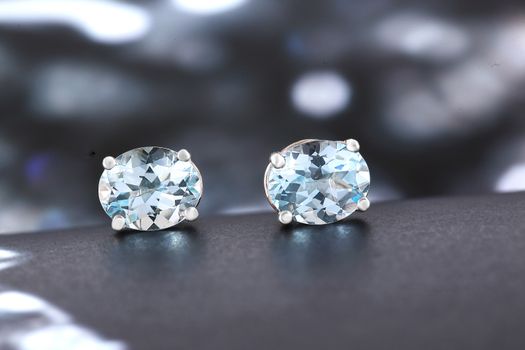 Photo: The Glorious Studio / Pexels
When it comes to selecting earrings for sensitive ears, the material is king. Not all metals are created equal, and understanding the differences can make all the difference between a comfortable day and an itchy, painful one. The top contenders for truly hypoallergenic jewelry are those that are inherently inert and do not readily react with body tissues or fluids. These materials are chosen specifically for their biocompatibility, meaning they are well-tolerated by the human body and are less likely to cause allergic reactions.
**Surgical Stainless Steel (316L or 316LVM):** Often recommended by piercing professionals, surgical stainless steel is an excellent choice for sensitive ears. The '316L' designation indicates a low carbon content, which minimizes the release of nickel ions. While it does contain nickel, it's tightly bound within the alloy, making it much less likely to leach out and cause a reaction. Medical-grade versions, often used in implants, are even safer. It's durable, affordable, and widely available in a variety of styles, making it a popular option for everyday wear and initial piercings.
**Titanium (Grade 23 or F-136):** For those with extreme sensitivities, titanium is often the gold standard. Specifically, implant-grade titanium (ASTM F-136 or Grade 23) is considered one of the most biocompatible metals available. It is entirely nickel-free, lightweight, incredibly strong, and resistant to corrosion. Titanium is often used in medical implants, demonstrating its superior compatibility with the human body. While typically more expensive than surgical steel, its peace of mind for highly sensitive individuals is invaluable. It's available in various colors through anodization, offering both safety and style.
**Niobium:** Similar to titanium, niobium is another excellent choice for highly sensitive ears. It's an elemental metal, meaning it's not an alloy, and is entirely nickel-free. Niobium is incredibly inert, highly resistant to corrosion, and very lightweight. It can also be anodized to create a range of vibrant colors without the use of dyes or plating, making it a stylish and safe alternative to other metals. Its slightly higher cost is often justified by its exceptional hypoallergenic properties.
**Pure Gold (24k) and High-Karat Gold (18k or 14k):** While gold is generally considered hypoallergenic, the purity matters significantly. 24-karat gold is pure gold and is almost always safe for sensitive ears. However, 24k gold is very soft and not practical for everyday jewelry. Most gold jewelry is an alloy, mixed with other metals to increase durability and alter color. 18-karat gold (75% pure gold) and 14-karat gold (58.3% pure gold) are generally good choices, as the gold content is high, and the alloying metals (often silver, copper, or palladium) are less likely to cause reactions than nickel. Always ensure the gold is nickel-free, as some cheaper gold alloys can contain nickel.
**Sterling Silver (925):** Sterling silver is 92.5% pure silver, with the remaining 7.5% typically being copper. While pure silver is hypoallergenic, the copper in sterling silver can cause reactions in some individuals, and it can also tarnish. Some people find sterling silver comfortable, while others experience irritation. If you choose sterling silver, ensure it's high-quality and that you don't have a known copper sensitivity. Look for 'nickel-free sterling silver' specifically.
**Platinum:** Platinum is a naturally white, extremely durable, and highly inert precious metal. It is one of the most hypoallergenic metals available, making it an excellent choice for sensitive ears, particularly for those who prefer the look of white metal. It's also significantly more expensive than gold or silver, reflecting its rarity and superior properties. Platinum jewelry is typically 90-95% pure, with the remaining percentage being other highly inert metals like iridium or ruthenium, never nickel.
By prioritizing these materials, individuals with sensitive ears can confidently choose earrings that offer both beauty and lasting comfort, finally putting an end to the frustrating cycle of allergic reactions and irritation. Always ask jewelers about the specific metal composition, especially if you have known sensitivities to ensure you're making the best choice for your unique needs.
Beyond Materials: Design and Care for Sensitive Ear Piercings
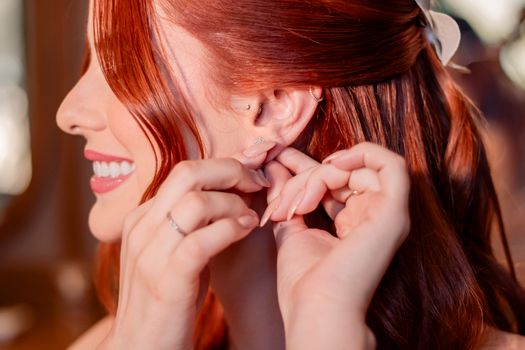 Photo: Vinicius Quaresma / Pexels
While the choice of hypoallergenic material is undeniably the cornerstone for sensitive ears, the journey to comfortable earring wear doesn't end there. The design of the earring itself, coupled with diligent care practices, plays a pivotal role in preventing irritation and maintaining healthy piercings. Even the purest titanium or platinum can cause issues if the design is flawed or if hygiene is neglected. Understanding these additional factors is crucial for anyone seeking the best hypoallergenic earrings for sensitive ears.
Firstly, consider the design of the earring backs. Many traditional earring backs, particularly butterfly or push-back styles, can trap dirt, dead skin cells, and moisture close to the piercing. This creates a breeding ground for bacteria and can exacerbate irritation, even with hypoallergenic posts. For sensitive ears, screw-back or flat-back labret style earrings are often superior. These designs minimize friction, sit flush against the earlobe, and are less likely to snag on clothing or hair. Their secure fastening also reduces movement, which can otherwise irritate a sensitive piercing. For studs, ensure the posts are not too thick, as this can stretch the piercing and cause discomfort. Conversely, posts that are too thin can also cause issues if they don't fit snugly.
Secondly, the size and weight of the earrings can impact sensitivity. Heavy, dangling earrings can pull on the earlobe, causing strain and potential irritation, especially if worn for extended periods. Opt for lighter designs, particularly for everyday wear. Small studs or lightweight hoops made from hypoallergenic materials are often the safest bet. The finish of the metal also matters; ensure there are no rough edges or burrs that could scratch or irritate the delicate skin of the earlobe. Quality craftsmanship is just as important as material purity.
Thirdly, proper piercing care and general hygiene are non-negotiable. For new piercings, always follow your piercer's aftercare instructions religiously. This typically involves cleaning the piercing site with a saline solution twice a day. Even for healed piercings, regular cleaning of both the earrings and your earlobes is essential. Residue from hair products, makeup, and natural skin oils can accumulate on earrings and inside the piercing, leading to blockages and potential infection. Remove your earrings periodically to clean them thoroughly with a mild, non-irritating cleanser (like rubbing alcohol or a specialized jewelry cleaner suitable for your material) and gently clean your earlobes. Allow both the earrings and your ears to dry completely before reinserting the jewelry.
Lastly, storage and rotation of earrings should also be considered. Store your hypoallergenic earrings separately from other jewelry, especially pieces that might contain nickel, to prevent cross-contamination. A velvet-lined box or individual pouches can protect them from scratches and minimize exposure to air, which can cause tarnishing in some metals like sterling silver. While it might be tempting to wear the same pair of earrings for weeks on end, rotating your jewelry can give your ears a break and expose them to different materials, potentially reducing the risk of a reaction if you have multiple sensitivities. By paying attention to these nuanced aspects of earring design and committing to a consistent care routine, alongside choosing the right materials, you can significantly enhance your comfort and truly enjoy wearing beautiful
earrings without irritation.
Common Mistakes to Avoid When Choosing Earrings for Sensitive Ears
 Photo: Ron Lach / Pexels
Navigating the world of jewelry for sensitive ears can be tricky, and it's easy to fall prey to common misconceptions and mistakes that can lead to continued irritation. Being aware of these pitfalls is just as important as knowing which materials to seek out. Here's a rundown of errors to avoid:
* **Relying Solely on 'Nickel-Free' Labels:** While a good starting point, 'nickel-free' doesn't guarantee a reaction-free experience. The term isn't always strictly regulated, and some products might still contain trace amounts of nickel or other irritants like cobalt or copper. Always look for specific material designations like 'surgical stainless steel (316L)', 'implant-grade titanium (ASTM F-136)', or 'pure platinum' for true peace of mind.
* **Assuming All Gold or Silver is Safe:** As discussed, the purity of precious metals is crucial. 10k gold, for instance, contains a higher percentage of alloys compared to 14k or 18k, making it more likely to contain irritants. Similarly, sterling silver, while largely safe, contains copper which can bother some individuals. Always inquire about the karats and the specific alloys used.
* **Neglecting New Piercing Aftercare:** Fresh piercings are highly vulnerable. Skipping or incorrectly performing aftercare can introduce bacteria and delay healing, making the piercing more susceptible to irritation from even hypoallergenic materials. Always follow your piercer's instructions diligently.
* **Wearing Earrings Continuously Without Cleaning:** Even the best hypoallergenic earrings need cleaning. Dirt, skin oils, and product residue can build up, leading to irritation or infection. Regularly remove and clean your earrings and earlobes.
* **Ignoring Earring Backs:** The material of the earring back is just as important as the post. If the post is hypoallergenic but the back is not, you could still experience a reaction where the back touches your skin. Ensure all components are made from sensitive-ear friendly materials.
* **Choosing Heavy or Poorly Designed Earrings:** Excessive weight or designs that rub and pull on the earlobe can cause mechanical irritation, even if the material is safe. Opt for lightweight designs, especially for daily wear.
* **Not Testing New Earrings:** If you're unsure about a new pair, wear them for a short period (a few hours) and monitor your ears for any signs of irritation before committing to all-day wear. This can prevent a full-blown allergic reaction.
* **Purchasing from Unreputable Sources:** Cheap jewelry often cuts corners on material quality and purity. Invest in earrings from trusted jewelers or brands known for their hypoallergenic options. The slight increase in cost is often worth the comfort and health benefits.
By actively avoiding these common mistakes, you can significantly improve your chances of finding and enjoying earrings that are truly comfortable for your sensitive ears, allowing you to wear your favorite styles without any adverse reactions.
