✓ Nickel is the most common allergen in earrings, causing contact dermatitis.
✓ Hypoallergenic materials include surgical stainless steel, titanium, niobium, and pure gold/silver.
✓ Even 'nickel-free' doesn't always mean completely free of trace nickel; look for 'nickel-safe' or 'nickel-zero'.
✓ Proper earring care, including cleaning, extends their life and prevents irritation.
How It Works
1
Identify Your Allergy Triggers
Common culprits are nickel, cobalt, and sometimes even copper. Knowing what specifically irritates your ears helps you select appropriate materials.
2
Choose the Right Materials
Opt for materials like surgical stainless steel, titanium, niobium, or high-karat gold (14k or higher) for their inert properties. These are least likely to cause an allergic reaction.
3
Look for Reputable Brands
Purchase from jewelers or brands that explicitly state their materials are hypoallergenic and provide detailed descriptions. This ensures quality and safety.
4
Practice Good Ear Hygiene
Regularly clean your earrings and earlobes with a mild antiseptic or saline solution. This prevents bacterial buildup that can exacerbate sensitivity.
Understanding Sensitive Ears and Allergic Reactions
Photo: www.kaboompics.com / Pexels
For many, the joy of wearing earrings is often overshadowed by persistent discomfort, itching, redness, or even painful swelling. If this sounds familiar, you're not alone. Sensitive ears are a widespread issue, primarily stemming from contact dermatitis – an allergic reaction triggered by certain metals in jewelry. The most common culprit, by far, is nickel. Nickel is a silvery-white metal often used in alloys to make jewelry more durable and affordable. Unfortunately, it's also a potent allergen, affecting an estimated 10-20% of the population, with women being more susceptible. When nickel comes into prolonged contact with the skin, especially in a moist environment like an earring piercing, it can leach ions that interact with the body's immune system, leading to an inflammatory response. This reaction isn't immediate for everyone; some develop sensitivity over time with repeated exposure.
Beyond nickel, other metals can also cause sensitivity, though less commonly. Cobalt, a metal often found alongside nickel in alloys, can also trigger similar reactions. Some individuals may even react to copper, commonly used in lower-karat gold alloys (like 10k or 12k gold) or sterling silver. Even sterling silver, which is 92.5% pure silver, is typically alloyed with copper, and while generally well-tolerated, some extremely sensitive individuals might react to the copper content. Understanding these potential triggers is the first crucial step in selecting the best hypoallergenic earrings for sensitive ears. It's not just about avoiding 'cheap' jewelry; even seemingly high-quality pieces can contain problematic alloys. The goal is to find materials that are inert and do not react with your skin's chemistry, allowing you to wear your favorite styles without worry or discomfort. This knowledge empowers you to make informed choices and reclaim the pleasure of accessorizing. Exploring different jewelry materials can further inform your decisions.
Top Hypoallergenic Materials for Irritation-Free Wear
Photo: Gaurav Pareek / Pexels
When it comes to finding the best hypoallergenic earrings for sensitive ears, the material is paramount. Not all metals are created equal, and some are specifically renowned for their biocompatibility – meaning they are unlikely to cause an allergic reaction. Here's a breakdown of the top materials you should look for:
**Surgical Stainless Steel:** This is often the go-to choice for sensitive ears and new piercings. Not all stainless steel is hypoallergenic, but surgical grades (like 316L or 316LVM) contain very low amounts of nickel that are tightly bound within the alloy, making them highly resistant to corrosion and nickel leaching. It's durable, affordable, and widely available in various styles.
**Titanium:** Considered one of the most biocompatible metals, titanium is an excellent choice for extremely sensitive skin and medical implants. It's lightweight, incredibly strong, and completely nickel-free. Both implant-grade titanium (like ASTM F-136) and commercially pure titanium (like Grade 23) are superb options, offering peace of mind and comfort.
**Niobium:** Similar to titanium, niobium is a noble metal that is entirely nickel-free and highly inert. It's often used in body jewelry due to its excellent biocompatibility and ability to be anodized into a spectrum of vibrant colors without dyes. Niobium is slightly heavier than titanium but equally safe for sensitive ears.
**Pure Gold (14k or Higher):** While 24k gold is 100% pure gold and completely hypoallergenic, it's very soft and not practical for everyday earrings. Therefore, 14k, 18k, or even 22k gold are excellent choices. The higher the karat, the purer the gold and the less alloy metals (like nickel or copper) are present. Always opt for yellow gold over white gold, as white gold is often alloyed with nickel to achieve its color, unless specifically stated as 'nickel-free white gold' or alloyed with palladium. Rose gold, while beautiful, contains copper which can sometimes irritate very sensitive individuals.
**Sterling Silver (with caveats):** While many find sterling silver (92.5% silver, 7.5% other metals, usually copper) acceptable, it's not universally hypoallergenic. Some people react to the copper content. Furthermore, cheaper sterling silver can sometimes be coated with nickel to prevent tarnishing, so always inquire about the manufacturing process. Look for rhodium-plated sterling silver, as rhodium is a platinum-group metal that is hypoallergenic and provides a protective, tarnish-resistant layer.
**Platinum:** A rare and precious metal, platinum is naturally white, incredibly durable, and highly hypoallergenic. It's an excellent, albeit expensive, choice for sensitive ears, offering luxurious wear without any risk of irritation.
**Medical-Grade Plastics/Resins:** For those with extreme metal sensitivities, medical-grade plastics or resins, often used in initial piercing jewelry, can be a great alternative. They are completely metal-free and very lightweight.
By prioritizing these materials, you can significantly reduce the risk of allergic reactions and enjoy wearing earrings comfortably, day in and day out.
Navigating 'Nickel-Free' Labels and What to Look For
The term 'nickel-free' can be incredibly misleading in the jewelry industry, often causing frustration for individuals with sensitive ears. While it sounds reassuring, it doesn't always guarantee a complete absence of nickel. In many cases, 'nickel-free' simply means the nickel content is below a certain threshold (e.g., 0.05% by weight in the EU standard), which might still be enough to trigger a reaction in highly sensitive individuals. This ambiguity makes it challenging to confidently select the best hypoallergenic earrings for sensitive ears. To truly protect your skin, you need to go beyond the basic 'nickel-free' label.
Instead, look for jewelry explicitly labeled as 'nickel-safe' or, even better, 'nickel-zero' or '100% nickel-free.' These terms generally indicate a stricter adherence to nickel absence. Some manufacturers might also specify that their items comply with specific European Union (EU) nickel release directives, which are among the strictest in the world. If a product meets these standards, it's a strong indicator of its hypoallergenic properties. Always be wary of vague descriptions or claims that don't specify the exact materials used or their nickel content.
Furthermore, consider where the jewelry is made and the transparency of the brand. Reputable jewelers and brands specializing in sensitive skin jewelry will often provide detailed material breakdowns and certifications. Don't hesitate to ask questions about the exact alloys used, especially for white metals like white gold or sterling silver, where nickel or copper might be present. For white gold, specifically ask if it's alloyed with palladium, which is a hypoallergenic alternative to nickel.
Another important aspect is the plating. Some cheaper jewelry might be base metal plated with a thin layer of a hypoallergenic material like rhodium or gold. Over time, this plating can wear off, exposing the underlying allergenic metal. For lasting comfort, it's best to choose earrings where the entire post and backing (the parts that touch your skin) are made of a solid hypoallergenic material. If you prefer plated jewelry, ensure it's a high-quality, durable plating from a trusted source, and be prepared to replace them if irritation occurs. Prioritizing transparency and specific material disclosures over generic 'nickel-free' claims will significantly improve your chances of finding truly irritation-free earrings. Understanding jewelry certifications can provide additional peace of mind.
Essential Tips for Maintaining Ear Health and Preventing Irritation
Beyond selecting the best hypoallergenic earrings for sensitive ears, proper care and maintenance of both your earrings and your earlobes are crucial for preventing irritation and infection. Even with the safest materials, poor hygiene can lead to discomfort, redness, and itching. Here are essential tips to ensure your ear health:
**1. Regular Cleaning of Earrings:** Make it a habit to clean your earrings regularly, especially after wearing them. Use a mild soap (like unscented antibacterial hand soap) and warm water, or a specialized jewelry cleaner designed for your specific metal. Gently scrub with a soft brush (like an old toothbrush) to remove dirt, oils, and product buildup. Rinse thoroughly and dry completely with a clean, soft cloth. For titanium and niobium, a simple wipe with rubbing alcohol is usually sufficient. Avoid harsh chemicals or abrasive cleaners that can damage the metal or plating.
**2. Clean Your Earlobes:** Your piercings also need attention. Clean your earlobes regularly, especially the piercing site, with a mild saline solution (you can make your own with 1/4 teaspoon sea salt dissolved in 8 ounces of warm distilled water) or a piercing aftercare spray. This helps remove dead skin cells, oil, and bacteria that can accumulate around the piercing. Gently rotate your earrings a few times during cleaning, but avoid excessive twisting, especially with new piercings.
**3. Avoid Sleeping in Earrings (Generally):** While some small, flat-back earrings are designed for continuous wear, it's generally best to remove most earrings before sleeping. This reduces pressure on the earlobe, prevents irritation from friction, and allows the piercing to breathe. It also minimizes the risk of earrings getting caught on bedding or hair, which can cause damage to the earring or your ear.
**4. Store Earrings Properly:** Store your earrings in a clean, dry place, ideally in individual pouches or compartments to prevent them from scratching each other or tangling. Proper storage also protects them from dust and moisture, which can accelerate tarnishing or degradation of certain materials. Keep them away from direct sunlight or extreme temperatures.
**5. Be Mindful of Other Products:** Hairspray, perfumes, lotions, and even some shampoos can contain chemicals that may irritate sensitive skin or tarnish your earrings. Apply these products before putting on your earrings, and avoid spraying them directly onto your jewelry or earlobes.
**6. Listen to Your Body:** If you experience any persistent itching, redness, swelling, or discharge, remove the earrings immediately. Clean your ears thoroughly and give them a break. If symptoms persist or worsen, consult a doctor or dermatologist. Sometimes, what seems like a metal allergy could be an infection or another skin condition.
By following these simple yet effective tips, you can significantly prolong the life of your hypoallergenic earrings and, more importantly, ensure your sensitive ears remain happy and healthy.
Comparison
Feature
Surgical Stainless Steel
Titanium
14k Gold
Niobium
Hypoallergenic Rating
Excellent
Superior
Excellent
Superior
Nickel Content
Trace (Bound)
None
Low (Alloyed)
None
Durability
High
Very High
Medium
High
Weight
Medium
Light
Medium-Heavy
Medium
Price Point
Affordable
Moderate
High
Moderate
Corrosion Resistance
✓
✓
✓
✓
Color Variety
Limited
Anodizable
Yellow/White/Rose
Anodizable
What Our Readers Say
5★★★★★
"I've struggled with earring allergies my whole life, but these surgical stainless steel studs have been a game-changer. No redness, no itching, just pure comfort. I can finally wear earrings all day without irritation!"
Sarah P.Austin, TX
5★★★★★
"My wife has extremely sensitive ears, and titanium earrings are the only thing that works for her. We bought a pair from a recommended hypoallergenic brand, and she hasn't had a single issue. Worth every penny."
Michael R.Seattle, WA
5★★★★★
"After years of swollen earlobes, I switched to 18k gold earrings. The difference is incredible! My ears are completely healed, and I can wear beautiful jewelry again without any adverse reactions. Highly recommend investing in quality."
Jessica L.Miami, FL
4★★★★☆
"Niobium earrings have been a pleasant surprise. While a bit more expensive than steel, the complete lack of irritation makes them a solid choice. I appreciate the unique colors available too."
David K.Denver, CO
5★★★★★
"As a piercing enthusiast with a nickel allergy, finding truly hypoallergenic jewelry is essential. The implant-grade titanium pieces I've purchased are fantastic for both new and healed piercings, ensuring no discomfort whatsoever."
Emily S.Boston, MA
Frequently Asked Questions
What is the best material for hypoallergenic earrings?
For the best hypoallergenic properties, materials like implant-grade titanium, niobium, and surgical stainless steel (316L or 316LVM) are highly recommended. Pure gold (14k or higher) and platinum are also excellent choices, as they are naturally inert and less likely to cause allergic reactions.
Can 'nickel-free' earrings still cause an allergic reaction?
Yes, 'nickel-free' often means the nickel content is below a certain regulated threshold, which can still be enough to trigger a reaction in highly sensitive individuals. For true peace of mind, look for terms like 'nickel-safe,' 'nickel-zero,' or products that explicitly state compliance with strict EU nickel release standards.
How do I clean hypoallergenic earrings to prevent irritation?
Clean your hypoallergenic earrings regularly with mild soap and warm water, or a specialized jewelry cleaner suitable for the material. Rinse thoroughly and dry completely. For titanium and niobium, rubbing alcohol can also be used. This removes oils, dirt, and bacteria that can cause irritation.
Are expensive earrings always hypoallergenic?
Not necessarily. While higher-quality, more expensive earrings often use better materials, the price alone doesn't guarantee they are hypoallergenic. Always check the material composition, especially for white gold (ensure it's palladium-alloyed, not nickel-alloyed) or sterling silver (some people react to copper content). Transparency about materials is key.
What's the difference between surgical stainless steel and titanium for sensitive ears?
Both are excellent, but titanium (especially implant-grade) is generally considered superior for extreme sensitivities because it's 100% nickel-free. Surgical stainless steel contains trace amounts of nickel, but it's tightly bound within the alloy, making it highly resistant to leaching and thus safe for most sensitive ears. Titanium is also lighter than steel.
Who should specifically use best hypoallergenic earrings for sensitive ears?
Anyone experiencing itching, redness, swelling, or discomfort when wearing non-hypoallergenic earrings should switch. This includes individuals with diagnosed nickel allergies, those with newly pierced ears, or anyone who simply desires maximum comfort and peace of mind when accessorizing.
Is it safe to wear hypoallergenic earrings 24/7?
While hypoallergenic earrings are designed for extended wear, it's generally recommended to remove most earrings before sleeping to allow your ears to breathe and prevent irritation from pressure or snagging. Small, flat-back studs made of highly biocompatible materials like titanium are often designed for continuous wear, but always prioritize comfort and listen to your body.
What are future trends in hypoallergenic jewelry materials?
The future of hypoallergenic jewelry is moving towards even more advanced biocompatible alloys and innovative materials. We'll likely see increased use of medical-grade polymers, ceramic-based materials, and further refinement of existing noble metals to create more durable, stylish, and universally safe options. Research into surface treatments that encapsulate potential allergens is also ongoing.
Don't let sensitive ears limit your style any longer. By understanding the best hypoallergenic earring materials and practicing proper care, you can confidently choose beautiful jewelry that keeps your ears happy and healthy. Explore our recommendations and embrace irritation-free accessorizing today.

 Photo: Ron Lach / Pexels
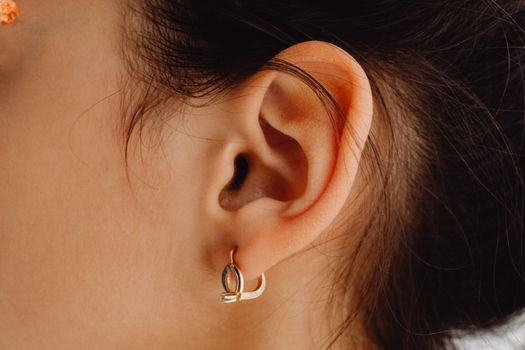 Photo: www.kaboompics.com / Pexels
 Photo: Gaurav Pareek / Pexels