Your Guide: Best Place to Sell Used Jewelry for Top Dollar
best place to sell used jewelry

Your Guide: Best Place to Sell Used Jewelry for Top Dollar

Unlock the true value of your pre-owned jewelry by understanding where and how to sell it for the best returns.

Find Your Best Option

Key Takeaways

  • ✓ The value of your jewelry depends on its material, condition, and market demand.
  • ✓ Online platforms often offer higher returns than local pawn shops.
  • ✓ Authentication and clear documentation are crucial for maximizing value.
  • ✓ Consignment can yield more but takes longer for payment.

How It Works

1
Assess Your Jewelry

Identify materials (gold, silver, platinum, diamonds, gemstones), karats, and brands. Note any damage or unique features to inform your selling strategy.

2
Research Potential Buyers

Explore various avenues like online buyers, auction houses, consignment shops, and local jewelers. Compare their offerings, fees, and reputation.

3
Obtain Appraisals/Quotes

Get multiple evaluations for your pieces, especially for valuable items. This helps you understand fair market value and negotiate effectively.

4
Choose Your Selling Method

Select the option that best balances speed of sale, potential return, and convenience for your specific jewelry and personal preferences.

Understanding the Value of Your Pre-Owned Jewelry
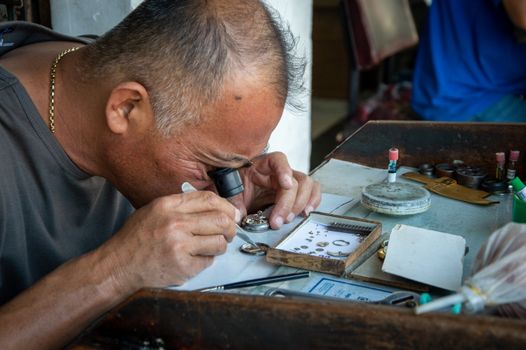
Close-up of a jeweler with a magnifying glass examining jewelry pieces passionately. Photo: Vika Glitter / Pexels
Before you even consider the best place to sell used jewelry, it's paramount to understand what you actually have. The value of your pre-owned pieces isn't just about sentimental attachment; it's a complex interplay of material worth, craftsmanship, brand recognition, and current market demand. First, identify the precious metals. Is it 10K, 14K, 18K, or 24K gold? Is it sterling silver, platinum, or palladium? Each metal has a different scrap value, which fluctuates daily based on global commodity markets. For gold, the karat weight is crucial – higher karats mean a higher percentage of pure gold. Next, evaluate any gemstones. Diamonds, for instance, are graded on the 4 Cs: Carat weight, Cut, Color, and Clarity. A GIA or AGS certification significantly enhances a diamond's value and provides indisputable proof of its quality. Other gemstones like rubies, sapphires, and emeralds are valued based on their color saturation, clarity, cut, and origin. A high-quality, unheated sapphire from Kashmir, for example, will command a far higher price than a treated, lower-grade stone. Consider the brand and designer. Tiffany & Co., Cartier, Harry Winston, and other luxury brands often retain a significant portion of their retail value, especially for iconic pieces. The brand's provenance and the item's condition play a huge role here. A vintage Cartier Love Bracelet, even with minor wear, will likely fetch a premium compared to a generic gold bracelet of the same weight. Finally, the condition of the jewelry is critical. Is it free from scratches, dents, or missing stones? Is the clasp fully functional? A piece in excellent, ready-to-wear condition will always be more appealing and valuable than one requiring extensive repairs. Taking clear, high-quality photographs that accurately represent your jewelry's condition will be essential for any selling platform. Knowing these factors empowers you to set realistic expectations and negotiate confidently, ensuring you get a fair price for your cherished items. An accurate assessment is the first step towards finding the ideal buyer for your valuable pieces.

Online Platforms: Convenience and Wider Reach for Selling Jewelry
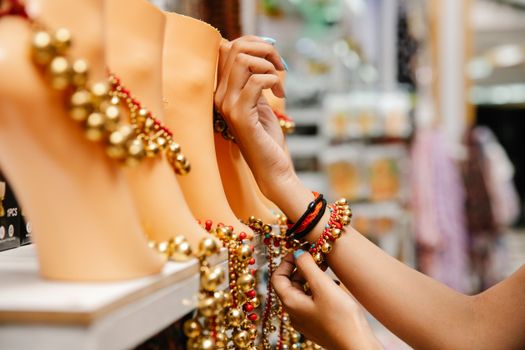
Close-up of hands arranging traditional beaded jewelry on mannequins. Vibrant and detailed shot. Photo: Lara Jameson / Pexels
In the digital age, online platforms have emerged as a leading contender for the best place to sell used jewelry, offering unparalleled convenience and a vast audience. These platforms can generally be categorized into several types, each with its own advantages and disadvantages. Dedicated online jewelry buyers, such as Worthy.com, WP Diamonds, and The RealReal, specialize in high-value items like engagement rings, luxury watches, and designer jewelry. They often provide a streamlined process: you submit details and photos, receive a pre-paid shipping label, send your item for professional evaluation, and then receive a final offer. Worthy, for example, acts as an online auction house, putting your item in front of a network of professional buyers, often resulting in competitive bids. The benefit here is security, insurance during transit, and professional appraisal, but they do take a commission. These platforms are particularly strong for significant items like diamond engagement rings or luxury brand pieces, where expertise in valuation is crucial. General online marketplaces like eBay and Etsy offer a broader reach to individual buyers. eBay is excellent for a wide variety of jewelry, from costume pieces to fine jewelry, allowing sellers to set their own prices (fixed or auction style) and manage shipping. Etsy, while primarily for handmade and vintage items, has a thriving market for unique, antique, and artisanal jewelry. The advantage here is potentially higher returns as you're selling directly to the end-user, cutting out a middleman. However, it requires more effort from the seller in terms of photography, descriptions, customer service, and managing returns. You'll also need to factor in platform fees, shipping costs, and the time investment. Social media platforms and specialized forums can also serve as effective, though less formal, selling channels. Facebook Marketplace and local jewelry groups can connect you with buyers in your area, reducing shipping concerns. However, transactions here often rely on trust and direct negotiation, requiring careful vetting of potential buyers. When using any online platform, robust security measures, clear communication, and transparent pricing are non-negotiable. Always prioritize platforms that offer seller protection and secure payment processing. The ease of access to a global market means your unique pieces are more likely to find a buyer who truly appreciates their value, potentially leading to a better payout than local options.

Traditional Avenues: Local Jewelers, Pawn Shops, and Consignment Stores
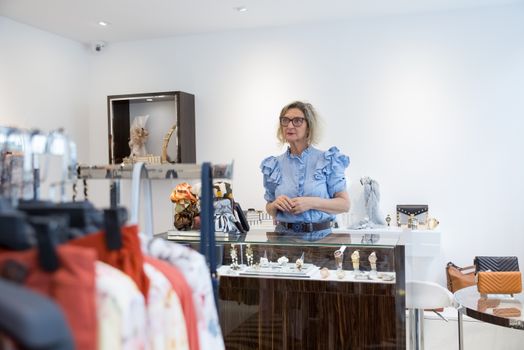
Sophisticated boutique in Portugal showcasing elegant accessories and stylish fashion items. Photo: Kampus Production / Pexels
While online options offer broad appeal, traditional avenues remain a viable and often preferred choice for many seeking the best place to sell used jewelry, especially for those who value in-person interaction and immediate transactions. Local independent jewelers are often a fantastic first stop, particularly if your jewelry is a valuable antique, a unique piece, or contains significant gemstones. Many reputable jewelers have an established clientele interested in pre-owned fine jewelry. They possess the expertise to accurately assess your items and can sometimes offer a fair price, especially if they believe they can resell it quickly. Selling to a local jeweler can be a quick and straightforward process, often resulting in immediate cash or store credit. However, be aware that their offer will reflect their need to make a profit, meaning you might not receive the absolute top dollar compared to, say, a direct sale to an end-user online. Always seek quotes from a few different jewelers to compare offers. Pawn shops represent the fastest way to get cash for your jewelry, but typically at the lowest price point. Pawn shops specialize in short-term loans collateralized by your items, or outright purchases. They are primarily interested in the scrap value of precious metals and the immediate liquidity of items. While convenient for quick cash, you should only consider a pawn shop if urgency outweighs potential profit, as their offers are generally significantly lower than market value. They must account for their overhead, risk, and the need to turn a profit quickly. It's crucial to understand whether you're pawning (getting a loan with your jewelry as collateral) or selling outright. Consignment stores, both local and online, offer a middle ground. With consignment, you leave your jewelry with the store, and they sell it on your behalf, taking a percentage of the final sale price (typically 25-50%). This option can yield a much higher return than selling directly to a jeweler or pawn shop, as the store is incentivized to get the best price for your item. The downside is that it can take time – sometimes weeks or months – for your item to sell, and payment is only received after the sale is complete. Consignment works best for unique, high-quality, or designer pieces that appeal to a specific clientele. Always get a clear consignment agreement outlining commission rates, insurance, and the timeframe for the agreement. For selling valuable items, consignment is a patient strategy that can pay off handsomely.

Maximizing Your Return: Tips, Mistakes to Avoid, and Key Considerations
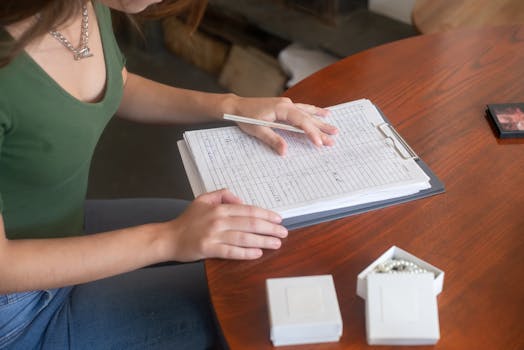
Woman writing with a pen on a clipboard at a wooden table, jewelry box nearby. Photo: Kampus Production / Pexels
To truly find the best place to sell used jewelry and maximize your return, a strategic approach is essential. Here are vital tips and common mistakes to avoid: **Tips for Maximizing Your Return:** * **Gather Documentation:** Any original receipts, diamond certificates (GIA, AGS), appraisal reports, or brand boxes significantly add to your jewelry's credibility and value. Buyers are more confident in authenticated items. * **Professional Cleaning & Minor Repairs:** A clean, polished piece looks more appealing and can fetch a better price. For minor issues like a loose stone or a tangled chain, a small investment in repair can yield a much larger return. Avoid major, expensive repairs unless an expert advises it will significantly boost value. * **Get Multiple Quotes:** Never settle for the first offer. Whether online or in person, compare at least three different quotes to understand the true market value of your item. * **Understand Scrap vs. Resale Value:** For items with precious metals but no significant design or gemstones, you're likely selling for scrap. For designer pieces or those with valuable stones, aim for resale value, which is typically much higher. * **Be Patient:** Unless you need immediate cash, patience can lead to a better sale. Consignment or direct online sales to consumers often yield more but take longer. **Common Mistakes to Avoid:** * **Selling to the First Buyer:** As mentioned, impulse selling almost always results in a lower payout. * **Not Knowing What You Have:** Selling without understanding your jewelry's composition, quality, and potential value is a recipe for being undervalued. * **Ignoring Online Options:** Limiting yourself to local pawn shops or jewelers can mean missing out on a global market of buyers willing to pay more. * **Poor Photography for Online Sales:** Blurry, poorly lit photos deter buyers and make your item look less appealing or valuable. * **Falling for Scams:** Be wary of unsolicited offers that seem too good to be true, or buyers who insist on unusual payment methods. Always use secure, reputable platforms. **Key Considerations:** * **Security:** When shipping valuable items, always use insured and trackable methods. For in-person transactions, choose public, well-lit locations. * **Fees and Commissions:** Understand all associated costs, whether it's platform fees, shipping insurance, or consignment commissions. These directly impact your net return. * **Market Fluctuations:** The price of gold and silver changes daily. While you can't control the market, being aware can help you decide if it's a good time to sell. By following these guidelines, you'll be well-equipped to navigate the selling process and ensure you get the best possible return for your used jewelry.

Comparison

FeatureOnline Auction (Worthy)Local JewelerPawn ShopOnline Marketplace (eBay)
Potential ReturnHigh (competitive bids)Medium-High (resale value)Low (scrap value)High (direct to consumer)
Speed of SaleModerate (days to weeks)Fast (immediate cash)Very Fast (immediate cash)Variable (days to months)
Effort RequiredLow (they manage auction)Low (in-person visit)Very Low (quick transaction)High (photos, listing, shipping)
Expertise/Appraisal✓ (professional evaluation)✓ (in-house expertise)✗ (basic assessment)✗ (seller's responsibility)
Security/Insurance✓ (insured shipping)✓ (in-person transaction)✓ (in-person transaction)✗ (seller's responsibility)
Best ForHigh-value diamonds/luxuryUnique, antique piecesImmediate cash needsBroad range, active sellers

What Readers Say

"I used Worthy.com to sell my engagement ring after my divorce. Their process was incredibly transparent and secure. I received far more than any local jeweler offered, making it truly the best place to sell used jewelry for me."

Sarah J. · Austin, TX

"Selling a family heirloom gold necklace was daunting, but my local independent jeweler made it easy. They gave me a fair price and I appreciated the personal touch and immediate payment."

Mark D. · Miami, FL

"eBay was surprisingly effective for my vintage silver collection. While it took some effort to list everything, I ended up getting individual buyers who paid more than any bulk offer, resulting in a 30% higher total return."

Jessica L. · Seattle, WA

"I tried a consignment shop for a designer watch. It took a few months to sell, but the final price was excellent. Patience definitely paid off, though I needed to follow up occasionally."

Kevin P. · Denver, CO

"After getting lowball offers from pawn shops, I found an online buyer specializing in estate jewelry. They were professional, offered insured shipping, and gave me a very competitive price for my mother's diamond earrings."

Emily R. · Chicago, IL

Frequently Asked Questions

What is the absolute best place to sell used jewelry for the highest price?

The 'absolute best' place depends on your specific item and priorities. For high-value diamonds and luxury brands, online auction platforms like Worthy or dedicated luxury resale sites often yield the highest prices due to competitive bidding and specialized buyers. For unique vintage pieces, a reputable local jeweler or consignment store might be ideal. Selling directly to consumers on platforms like eBay can also maximize profit if you're willing to put in the work.

Is it safe to mail my valuable jewelry to an online buyer?

Yes, but only if you use a reputable online buyer that offers insured, tracked shipping. Companies like Worthy or WP Diamonds provide pre-paid, fully insured shipping labels and have secure processes for handling valuable items. Always confirm the insurance coverage and tracking details before sending your jewelry.

How do I get an accurate appraisal for my jewelry?

To get an accurate appraisal, seek out an independent, certified gemologist or appraiser (e.g., GIA Graduate Gemologist or AGS Certified Gemologist Appraiser). They should not be affiliated with a business that buys jewelry directly, to ensure impartiality. An appraisal should detail the 4 Cs for diamonds, metal type, weight, and any unique characteristics.

Will I get more for my jewelry if it's broken or missing stones?

Generally, no. Jewelry in excellent condition will always command a higher price. Broken pieces or those missing stones will primarily be valued for their scrap metal weight, or significantly discounted to account for repair costs. Minor repairs might be worth it if they substantially increase the aesthetic and resale value.

What's the difference between selling outright and consignment?

Selling outright means you receive immediate payment for your jewelry, transferring ownership directly to the buyer. Consignment means you leave your jewelry with a store or platform, and they sell it on your behalf, taking a percentage of the final sale price. You only get paid after the item sells, which can take time, but often results in a higher net return than an outright sale.

Who should consider selling jewelry through an online auction platform?

Individuals with high-value items such as diamond engagement rings, luxury brand jewelry (e.g., Cartier, Tiffany), or significant gold/platinum pieces should strongly consider online auction platforms. These platforms connect sellers with a wide network of professional buyers, often resulting in competitive bidding and higher final sale prices than many local options.

Are pawn shops a good option for selling used jewelry?

Pawn shops are generally not the best option if your primary goal is to maximize profit. They offer quick cash, but their offers are typically based on scrap value and are significantly lower than what you might get from other avenues. They are best suited for situations where you need immediate liquidity and are willing to sacrifice potential profit for speed.

What's the future trend for selling used jewelry?

The future trend for selling used jewelry is leaning heavily towards online platforms and sustainable, circular economy models. Increased consumer awareness of ethical sourcing and environmental impact is boosting the demand for pre-owned luxury. Technology will likely enhance virtual appraisals, augmented reality try-ons, and secure blockchain-verified provenance, making online selling even more streamlined and trustworthy.

Ready to turn your unused jewelry into cash? Explore the best place to sell used jewelry that aligns with your specific needs and maximize your return today. Don't let your valuable pieces gather dust – find their next owner and get the compensation you deserve.

Topics: best place to sell used jewelrysell jewelry for cashwhere to sell goldselling engagement ringjewelry consignment
Leo List
Brampton weed
Adultwork EstrelaBet Vai de Bet R7 Bet Betão Galera Bet Rainbet Bet9ja Shop SportyBet BetKing Sisal Loto Foot Hollywoodbets YesPlay Odibets RushBet Jugabet BetWarrior BetCity MSport betPawa Fortebet