✓ Proper storage prevents tangles, scratches, and breakage of delicate pieces.
✓ Environmental factors like humidity and light significantly impact jewelry condition.
✓ Individual compartmentalization is crucial for preventing damage to fine jewelry.
✓ Acid-free and tarnish-resistant materials are essential for long-term preservation.
How It Works
1
Assess Your Collection
Before organizing, categorize your delicate jewelry by material, value, and frequency of use. This helps in selecting appropriate storage solutions.
2
Choose the Right Environment
Select a cool, dry, and dark location away from direct sunlight and extreme temperature fluctuations. This minimizes environmental damage.
3
Implement Individual Protection
Store each delicate piece separately to prevent tangling, scratching, and abrasion. Use soft pouches, individual compartments, or hanging solutions.
4
Maintain and Monitor
Regularly check your stored jewelry for signs of tarnish or damage and clean as needed. Ensure storage materials remain protective over time.
Understanding the Vulnerability of Delicate Jewelry
Photo: Maryam / Pexels
Delicate jewelry, characterized by its intricate designs, slender chains, tiny gemstones, and fine metals, requires a level of care far beyond what might suffice for more robust pieces. The very qualities that make these items so beautiful – their lightness, their intricate details, their seemingly ethereal nature – also make them incredibly susceptible to damage. Understanding these vulnerabilities is the first critical step in devising the best way to store delicate jewelry. Without proper storage, these treasures can quickly become tangled, scratched, bent, or even broken, diminishing their beauty and value. The materials themselves play a significant role in their fragility. For instance, thin gold or silver chains are prone to knotting into seemingly impossible tangles, often leading to breakage when one attempts to untangle them. Small, prong-set gemstones can become dislodged if jostled or caught on other items. Pearls, being organic, are sensitive to chemicals, humidity, and even prolonged exposure to air, which can cause them to dull or crack. Opals, another delicate gemstone, are known for their high water content, making them susceptible to drying out and cracking if stored in overly dry conditions or exposed to extreme temperature changes. Even seemingly sturdy pieces can have delicate components, such as filigree work, enamel, or tiny pave-set diamonds, all of which demand specific protective measures. The environment in which jewelry is stored is equally important. Humidity can accelerate tarnishing, particularly for silver, which reacts with sulfur compounds in the air to form a black layer. Excessive dryness, as mentioned, can harm organic gems. Direct sunlight can fade certain gemstones, like amethyst or topaz, and can also degrade organic materials over time. Airborne dust and pollutants can settle on jewelry, dulling its shine and requiring more frequent cleaning, which itself can be abrasive if not done carefully. Moreover, the simple act of tossing multiple pieces into a single box or drawer is a recipe for disaster. Metals will rub against each other, causing abrasions and scratches. Gemstones can chip or scratch softer materials. Chains will inevitably intertwine, creating frustrating knots that often result in broken links. Therefore, the goal of effective delicate jewelry storage is not just organization, but active preservation – protecting against physical trauma, environmental degradation, and chemical exposure. This proactive approach ensures that your beloved pieces retain their original luster, structural integrity, and sentimental value for years, even generations, to come. Investing time in proper storage isn't just about tidiness; it's about safeguarding artistry and memory. Understanding different jewelry materials can further inform your storage choices.
Essential Environmental Considerations for Jewelry Preservation
Photo: Ron Lach / Pexels
When seeking the best way to store delicate jewelry, environmental control emerges as a paramount factor. It’s not enough to simply place your cherished items in a box; the conditions within and around that box profoundly impact their longevity and appearance. Temperature, humidity, light, and air quality all play critical roles in the preservation or degradation of your fine pieces. Understanding and managing these elements can significantly extend the life and beauty of your collection. Firstly, consider temperature. Extreme fluctuations in temperature can be detrimental to many types of jewelry. High temperatures can cause certain gemstones to expand and contract, potentially loosening their settings over time. Conversely, very cold temperatures can make metals brittle. The ideal storage environment is one with a stable, moderate temperature, typically room temperature, avoiding direct heat sources like radiators or prolonged exposure to cold windows. Secondly, humidity is arguably one of the most destructive environmental factors for jewelry. High humidity accelerates tarnishing, especially for silver and copper alloys. It can also cause rust on base metals if present and can even promote the growth of mold or mildew on organic components like leather or certain wood elements within jewelry boxes. On the other hand, excessively dry conditions can be equally problematic, particularly for organic gemstones like pearls, opals, and amber, which can dehydrate and crack. A relative humidity level between 40-60% is generally considered optimal for most jewelry. Using desiccant packets (like silica gel) in storage containers can help absorb excess moisture in humid climates, while a humidifier in the room might be necessary in very dry environments. Thirdly, light exposure, particularly direct sunlight, must be meticulously avoided. UV rays can fade certain colored gemstones over time, such as amethyst, topaz, and tourmaline, causing them to lose their vibrant hue. Sunlight can also degrade organic materials, making them brittle or discolored. Furthermore, the heat generated by direct sunlight can contribute to temperature fluctuations. Therefore, storing jewelry in opaque boxes, drawers, or safes, away from windows and bright artificial lights, is crucial. Lastly, air quality and exposure are significant. Air contains pollutants, dust, and sulfur compounds that can cause tarnishing. The best way to store delicate jewelry involves minimizing its exposure to open air when not being worn. This is where airtight or nearly airtight storage solutions become invaluable. Anti-tarnish strips or cloths can further help by absorbing sulfur compounds, significantly slowing down the tarnishing process for silver. Even the type of wood in a jewelry box matters; some woods, like oak, can emit fumes that accelerate tarnishing. Always opt for jewelry boxes lined with tarnish-resistant fabric and constructed from inert materials. By meticulously controlling these environmental factors, you create a sanctuary for your delicate jewelry, safeguarding it from the silent, insidious forces that can otherwise diminish its splendor. This proactive approach is foundational to any effective long-term jewelry care strategy, ensuring that each piece remains as captivating as the day you acquired it.
Optimal Storage Solutions for Different Delicate Jewelry Types
Photo: COPPERTIST WU / Pexels
When it comes to the best way to store delicate jewelry, a one-size-fits-all approach is rarely effective. Different types of delicate pieces have unique vulnerabilities and require tailored storage solutions to ensure their protection. Categorizing your collection and selecting appropriate methods for each category is key to preventing damage and maintaining their pristine condition. For delicate necklaces and chains, tangling is the primary enemy. The fine links can easily become intertwined, leading to frustrating knots that often result in breakage during attempts to untangle them. The optimal solution here is individual hanging or flat, separated storage. Necklace trees or stands with multiple hooks allow each necklace to hang freely, preventing contact and tangling. For those preferring drawer storage, individual velvet pouches or soft cloth bags are excellent. Alternatively, specialized jewelry boxes with individual necklace compartments or channels can keep chains straight and untangled. Some clever DIY solutions involve threading chains through straws or wrapping them around small, soft rolls. Delicate earrings, particularly those with small studs, hoops, or intricate drops, are prone to getting lost, bent, or having their posts damaged. Earring organizers that allow each pair to be stored separately are ideal. This could be a standing earring holder with holes or slots, a wall-mounted board, or a jewelry box with dedicated earring compartments. Ensure that earrings are not pressed against other items, which can bend posts or dislodge stones. For valuable or very delicate stud earrings, individual small plastic bags or velvet pouches can offer an extra layer of protection. Bracelets, especially thin bangles or delicate chain bracelets, also benefit from individual attention. Bangle holders or watch rolls are excellent for rigid bracelets, keeping them separate and preventing scratching. For chain bracelets, similar to necklaces, individual pouches or designated compartments in a jewelry box are recommended. Ensure they are not stored with heavier, more abrasive items. Rings, particularly those with delicate settings, pave diamonds, or intricate bands, can easily scratch each other or suffer damage if jostled. Ring rolls or slotted compartments within a jewelry box are the gold standard. These soft, cushioned slots hold each ring securely in place, preventing contact with other pieces and protecting settings. For engagement rings or heirloom pieces, consider a dedicated ring box lined with silk or velvet for maximum protection. Pearls and opals, as mentioned, are organic and require specific care. They should always be stored separately from other jewelry, as their surfaces are softer and can be easily scratched by harder gemstones or metals. They also need to breathe, so airtight storage is not recommended. Soft fabric pouches, preferably silk or velvet, are perfect for pearls and opals, allowing for slight air circulation while protecting them from dust and scratches. Avoid storing them in overly dry environments, as this can lead to cracking. By understanding the specific needs of each type of delicate jewelry and implementing these tailored storage solutions, you create a protective haven for your entire collection, ensuring each piece remains beautiful and intact for years to come. Regular gentle cleaning also complements proper storage.
Top Tips and Common Mistakes in Delicate Jewelry Storage
Photo: 光术 山影 / Pexels
Mastering the best way to store delicate jewelry involves not only adopting best practices but also consciously avoiding common pitfalls. Here’s a comprehensive guide to both, ensuring your precious items receive the care they deserve.
**Top Tips for Exemplary Delicate Jewelry Storage:**
* **Individual Isolation is Key:** Always store each delicate piece separately. This is non-negotiable for preventing scratches, tangles, and chips. Use individual pouches (velvet or silk are ideal), separate compartments in a jewelry box, or dedicated hangers.
* **Invest in Quality Jewelry Boxes:** Look for boxes lined with anti-tarnish, acid-free fabric (like flannel or velvet). Ensure they have various compartments, ring rolls, and hooks to accommodate different types of jewelry without them touching.
* **Utilize Anti-Tarnish Strips/Cloths:** For silver and other prone-to-tarnish metals, place anti-tarnish strips in your storage containers. These absorb sulfur compounds in the air, significantly slowing down the oxidation process. Anti-tarnish cloths can also be used to wrap individual pieces.
* **Control Environmental Factors:** Store jewelry in a cool, dry, dark place. Avoid bathrooms (high humidity), windowsills (direct light/temperature fluctuations), and areas near heating vents. A closet or a safe is often an ideal location.
* **Clean Before Storing:** Always gently wipe down your jewelry with a soft, clean cloth after wearing it to remove oils, makeup, and dirt. This prevents buildup and potential chemical reactions during storage.
* **Consider Travel Cases:** For delicate jewelry on the go, a specialized travel jewelry case with secure compartments and soft linings is essential to prevent damage during transit.
* **Regular Inventory and Inspection:** Periodically check your stored jewelry for any signs of tarnish, loose stones, or damage. Early detection allows for timely cleaning or repair.
**Common Mistakes to Avoid:**
* **The "Junk Drawer" Approach:** Tossing all your jewelry into a single drawer or bowl is perhaps the most egregious error. This guarantees tangles, scratches, and potential breakage, particularly for delicate items.
* **Storing in the Bathroom:** The high humidity and fluctuating temperatures in bathrooms are detrimental to most jewelry metals and gemstones, accelerating tarnish and causing potential damage.
* **Using Rubber Bands or Plastic Wrap:** Rubber contains sulfur, which can cause severe tarnishing, especially on silver. Plastic wrap can trap moisture, leading to issues for certain materials.
* **Leaving Jewelry Exposed to Open Air:** Prolonged exposure to air, dust, and pollutants accelerates tarnishing and dulls the shine of metals and gems. Always store in enclosed containers.
* **Ignoring Material-Specific Needs:** Treating all jewelry the same, without considering the specific needs of pearls, opals, or soft metals, can lead to irreversible damage. Forgetting that pearls need to breathe, for instance, is a common error.
* **Using Abrasive Cleaning Methods Before Storage:** While cleaning is good, using harsh chemicals or abrasive cloths can damage delicate pieces. Always use appropriate, gentle cleaning methods.
* **Overstuffing Storage:** Cramming too many pieces into a small space defeats the purpose of individual storage and can lead to damage. Ensure there's ample room for each item.
By diligently following these tips and consciously avoiding these common mistakes, you will master the best way to store delicate jewelry, preserving its beauty and ensuring it remains a cherished part of your collection for a lifetime.
Comparison
Feature
Specialized Jewelry Box
Individual Pouches/Bags
Display Stands/Trees
Basic Drawer Organizer
Tangle Prevention
Excellent (compartments)
Excellent (individual)
Good (hanging)
Poor (unless fully compartmentalized)
Scratch Protection
Excellent (lined, separated)
Excellent (soft fabric)
Good (minimal contact)
Poor (items rub)
Tarnish Inhibition
Good (some anti-tarnish lining)
Good (some anti-tarnish fabric)
Poor (open air)
Poor (open air)
Visibility/Accessibility
Moderate (open to view)
Low (need to open each)
Excellent (all visible)
Moderate (open drawer)
Space Efficiency
Moderate to High
High (flexible)
Low (counter space)
High (drawer space)
Cost
Moderate to High
Low to Moderate
Low to Moderate
Low
Best for Necklaces
✓
✓
✓
✗
Best for Rings
✓
✗
✗
✓
Best for Earrings
✓
✓
✓
✓
Environmental Control
Good (enclosed)
Moderate (enclosed)
Poor (exposed)
Poor (exposed)
What Readers Say
★★★★★
"Following these storage tips has been a game-changer for my delicate necklaces. No more tangled messes, and my silver pieces are tarnishing so much slower. It's truly the best way to store delicate jewelry I've found."
Sarah J. · Austin, TX
★★★★★
"I used to just toss all my wife's gifts into a single box. After reading this, I invested in a proper jewelry box with compartments. Her delicate earrings and rings are now perfectly organized and protected, making them easier to find."
Michael L. · Seattle, WA
★★★★★
"The advice on humidity control for pearls and opals saved my grandmother's heirloom pieces. I added silica gel packets to their silk pouches, and they've maintained their luster beautifully. This guide truly outlines the best way to store delicate jewelry."
Emily R. · Miami, FL
★★★★★
"While the individual pouches are a bit more work, the difference in my delicate chain bracelets is undeniable. They haven't tangled once since I started using them. It's a small effort for great peace of mind, though I wish there were more elegant display solutions for all pieces."
David C. · Denver, CO
★★★★★
"As someone with a small apartment, the space-saving tips for delicate jewelry were invaluable. I repurposed an old drawer with velvet inserts, and now all my fine pieces are safely tucked away, yet easily accessible. This is the ultimate guide to the best way to store delicate jewelry."
Jessica M. · New York, NY
Frequently Asked Questions
What is the absolute best way to store delicate jewelry to prevent tangles and damage?
The absolute best way involves individual compartmentalization and protection. Store each delicate piece, especially necklaces and bracelets, in its own soft pouch, designated slot, or hanging hook. This prevents them from rubbing against each other, tangling, or getting scratched, preserving their intricate details and structural integrity.
Will my delicate silver jewelry still tarnish if I store it properly?
Proper storage, including minimizing air exposure and using anti-tarnish strips or cloths, will significantly slow down the tarnishing process for silver. While complete prevention might be impossible due to atmospheric sulfur, these methods dramatically extend the time between cleanings and maintain your silver's shine.
How do I store delicate earrings to prevent them from getting lost or bent?
For delicate earrings, use an earring organizer with individual holes or slots, or a jewelry box with dedicated earring compartments. For studs, small individual plastic bags or velvet pouches can also work. Ensure posts are not bent by being pressed against other items.
Are expensive jewelry boxes really necessary for storing delicate items?
While not always necessary to be 'expensive,' a quality jewelry box designed for delicate items is highly recommended. Look for features like soft, anti-tarnish lining, individual compartments, and sturdy construction. The investment protects your valuable delicate jewelry from damage, saving you money on repairs in the long run.
Is it better to hang delicate necklaces or lay them flat in a drawer?
Both methods can be effective if done correctly. Hanging necklaces individually on a stand or inside a cabinet prevents tangling and keeps them straight. If laying flat, ensure they are in separate, soft-lined compartments or individual pouches to prevent them from intertwining or scratching each other. The goal is always isolation.
Who should prioritize learning the best way to store delicate jewelry?
Anyone who owns delicate jewelry, whether it's fine heirloom pieces, everyday sterling silver, or fashion jewelry with intricate details, should prioritize learning proper storage. This includes collectors, gift recipients, and anyone looking to preserve the beauty and value of their cherished accessories.
Can storing delicate jewelry incorrectly pose any safety risks?
Incorrect storage primarily poses risks to the jewelry itself (damage, loss) rather than personal safety. However, broken or tangled pieces can lead to sharp edges or small parts that could be a minor hazard if not handled carefully. The main concern is preserving the integrity and value of your items.
What future trends are emerging in delicate jewelry storage solutions?
Future trends in delicate jewelry storage are focusing on smart solutions, such as humidity-controlled smart safes, modular and customizable storage systems that adapt to growing collections, and increasingly sustainable, eco-friendly materials for boxes and pouches. There's also a move towards aesthetically pleasing, integrated home decor storage.
By implementing these expert strategies, you're not just storing jewelry; you're safeguarding memories, preserving artistry, and ensuring your delicate pieces remain brilliant for a lifetime. Invest in the best way to store delicate jewelry today and cherish your collection for years to come.

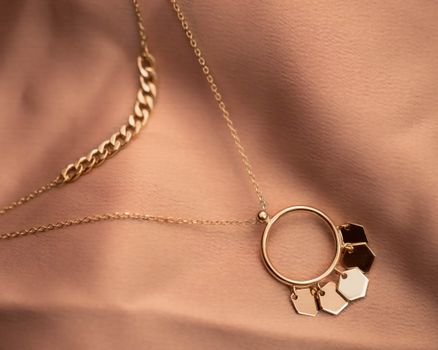 Photo: Maryam / Pexels
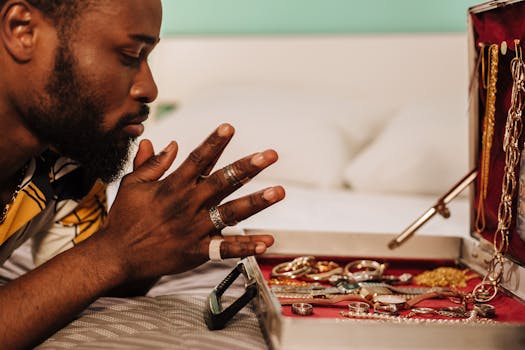 Photo: Ron Lach / Pexels
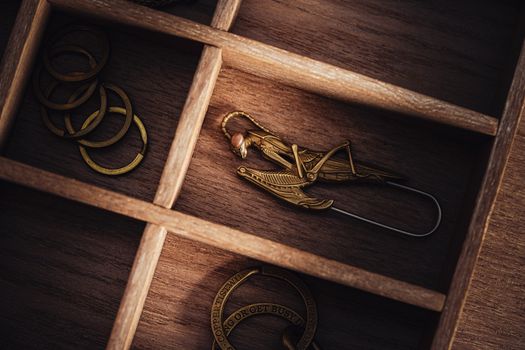 Photo: COPPERTIST WU / Pexels
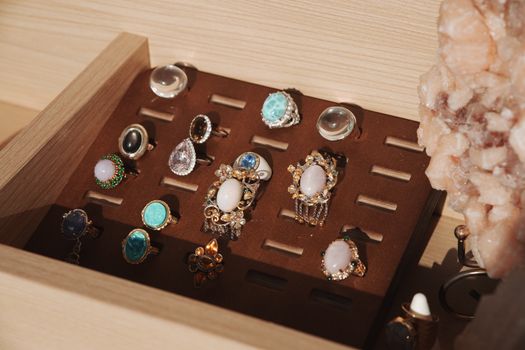 Photo: 光术 山影 / Pexels