
The Best Way to Store Delicate Jewelry: A Master Guide
Safeguard your cherished necklaces, rings, and earrings with expert storage techniques, ensuring their lasting beauty and value.
Protect Your Treasures NowKey Takeaways
- ✓ Proper storage prevents tangles, scratches, and breakage.
- ✓ Environmental factors like humidity and light cause damage.
- ✓ Individual pouches or compartments are crucial for delicate items.
- ✓ Acid-free materials are essential for long-term preservation.
How It Works
Categorize your jewelry by material, size, and delicacy. This helps determine the most suitable storage methods for each piece.
Select storage options like jewelry boxes, organizers, or travel cases based on your assessment. Consider materials that protect against tarnish and physical damage.
Utilize individual soft pouches, anti-tarnish strips, and proper hanging techniques. Ensure each delicate item is isolated to prevent scratching or tangling.
Store your jewelry in a cool, dry place away from direct sunlight and extreme temperatures. Regularly inspect and clean your storage units.
Understanding the Vulnerability of Delicate Jewelry
 Photo: ready made / Pexels
Chemical reactions are often overlooked but can be devastating. Perfumes, lotions, hairsprays, and even the natural oils from our skin can react with metals and gemstones, causing discoloration, corrosion, or a loss of brilliance. Chlorine from swimming pools or harsh cleaning agents are particularly destructive, capable of permanently altering the appearance of gold, silver, and many gemstones. Understanding these vulnerabilities is the first critical step in developing an effective storage strategy. It’s not just about keeping your jewelry organized; it's about creating a protective environment that actively mitigates these risks. For instance, storing silver alongside other metals can accelerate tarnish due to galvanic corrosion, while storing pearls in airtight containers can cause them to dehydrate. Each delicate piece has unique needs, and a one-size-fits-all approach to storage often falls short. Recognizing the specific sensitivities of your collection allows you to tailor your storage methods, ensuring that your cherished items remain as beautiful as the day you acquired them. This foundational knowledge empowers you to make informed decisions about the best way to store delicate jewelry, moving beyond mere organization to true preservation. Neglecting these fundamental aspects can lead to costly repairs or, worse, irreversible damage to sentimental or valuable pieces. Protect your investments and memories by understanding what truly threatens them. For more on specific materials, explore our guide on caring for different jewelry materials.
Essential Principles for Storing Delicate Pieces
 Photo: RDNE Stock project / Pexels
Secondly, protection from environmental elements is crucial. Delicate jewelry needs to be shielded from excessive humidity, direct sunlight, and airborne pollutants. Humidity accelerates tarnishing, especially for silver, and can damage organic gems like pearls. Direct sunlight can fade certain gemstones and weaken materials over time. Airborne dust and chemicals can create a film that dulls luster and can be abrasive. Therefore, storing jewelry in a cool, dry, and dark environment is ideal. This often means inside a lined jewelry box, a dresser drawer, or a dedicated cabinet, rather than out on an open dresser top where it's exposed to light, dust, and temperature fluctuations.
Thirdly, the choice of storage material matters immensely. The lining of your jewelry box or the fabric of your pouches should be soft, non-abrasive, and ideally, acid-free. Felt, velvet, and flannel are excellent choices as they provide a gentle cushion and prevent scratching. Avoid materials that can off-gas chemicals or contain dyes that might stain your jewelry. For sterling silver, incorporating anti-tarnish strips or cloths can significantly slow down the oxidation process, keeping your silver gleaming for longer periods. These strips absorb airborne pollutants that cause tarnish, acting as a silent guardian for your precious metals.
Finally, regular inspection and gentle handling are part of a comprehensive storage strategy. Before storing a piece, give it a quick, gentle wipe with a soft, clean cloth to remove any oils, lotions, or makeup. This prevents buildup that can attract dirt and dull the piece. When retrieving or putting away jewelry, handle it with care, avoiding pulling on chains or forcing clasps. These principles, when consistently applied, form the backbone of the best way to store delicate jewelry, ensuring that your cherished pieces remain beautiful and intact for generations. Adhering to these guidelines is an investment in the longevity and sparkle of your collection, preserving both its monetary and sentimental value.
Top Storage Solutions for Different Delicate Jewelry Types
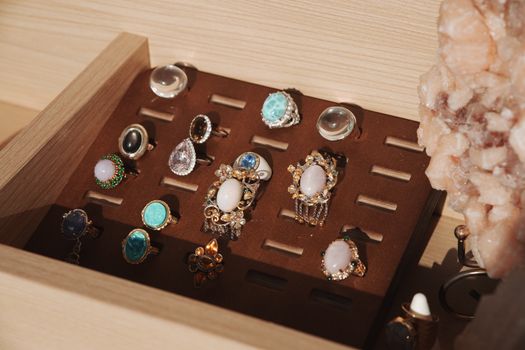 Photo: 光术 山影 / Pexels
Rings, especially those with intricate settings or delicate bands, benefit from ring rolls or slotted compartments within a jewelry box. These soft, padded slots hold rings securely in place, preventing them from scratching against each other or bending out of shape. For engagement rings or heirloom pieces, consider a dedicated ring box lined with silk or velvet, offering extra protection and a touch of elegance. This also makes them easier to find and keeps them separate from everyday wear.
Earrings, particularly those with delicate posts, intricate drop designs, or small gemstones, require careful consideration. Earring boards or stands with multiple holes or hooks are ideal for keeping pairs together and preventing bent posts. For dangle or hoop earrings, individual hooks on a jewelry armoire or a dedicated earring organizer are perfect. If using a jewelry box, ensure each pair has its own small compartment or a soft pouch to prevent the backs from scratching the fronts of other earrings. Tiny stud earrings can be easily lost, so small, lidded containers or dedicated earring sections are crucial.
Bracelets, especially those with delicate links or charms, can also benefit from individual storage. Bangle stands are great for rigid bracelets, while soft rolls or individual compartments are suitable for chain bracelets. If storing multiple delicate bracelets in a single area, ensure they are separated by soft dividers or placed in individual pouches to avoid scratches and tangles. For valuable pieces like pearls or opals, which are organic and semi-porous, airtight containers should be avoided as they can dry out and crack. Instead, store them in a soft cloth pouch, ideally silk or velvet, within a jewelry box, allowing them to breathe.
Finally, consider the material of your jewelry. Silver, prone to tarnishing, benefits greatly from anti-tarnish strips or cloths placed within its storage compartment. Gold, while less prone to tarnish, can still be scratched by harder metals or gemstones. Platinum is very durable but can also be scratched by diamonds. Therefore, the principle of individual separation remains universal. Investing in varied storage solutions tailored to each jewelry type is an investment in the longevity and beauty of your entire collection. For more specific advice on choosing the right jewelry organizer, refer to our comprehensive guide.
Maintenance and Best Practices for Long-Term Preservation
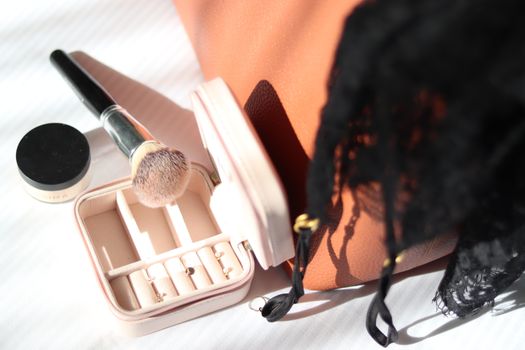 Photo: Pink Press / Pexels
Another key practice is to periodically inspect your storage solutions. Check the lining of your jewelry boxes and pouches for wear and tear. Over time, linings can degrade, become dusty, or lose their softness, reducing their protective qualities. Replace worn-out pouches or consider re-lining older boxes. Ensure that anti-tarnish strips, if used, are replaced every few months as their effectiveness diminishes. Also, check for any signs of pest infestation, particularly if you store jewelry in less-frequented areas, as some pests can damage organic materials or even leave corrosive droppings.
Environmental control extends beyond initial placement. While a cool, dry, dark place is ideal, monitor the conditions, especially if you live in an area with fluctuating humidity or extreme temperatures. A small desiccant packet (like silica gel) placed within a jewelry box can help absorb excess moisture, but be mindful not to make the environment too dry for organic gems. Avoid storing jewelry in bathrooms or near windows where humidity, temperature changes, and direct sunlight are common.
Consider a dedicated safe or safety deposit box for highly valuable or irreplaceable delicate pieces. While everyday jewelry needs accessible storage, high-value items benefit from the added security and often climate-controlled environments offered by professional storage. When traveling, never toss delicate jewelry loosely into a bag. Invest in a travel-sized jewelry case with individual compartments or rolls, or use soft pouches, to protect pieces from movement and impact.
Finally, cultivate a habit of 'last on, first off.' Jewelry should be the last thing you put on before leaving the house (after applying perfumes, lotions, and hairspray) and the first thing you take off when you return. This minimizes exposure to chemicals and reduces the risk of accidental damage during dressing or undressing. By integrating these maintenance practices and best habits into your routine, you ensure that your initial efforts in finding the best way to store delicate jewelry pay off, preserving the beauty and longevity of your treasured collection for years to come.
- Regular Cleaning: Gently wipe jewelry after each wear.
- Storage Inspection: Periodically check linings and replace anti-tarnish strips.
- Environmental Monitoring: Maintain consistent cool, dry, dark conditions.
- Travel Protection: Use dedicated travel cases or pouches.
- 'Last On, First Off': Minimize chemical exposure and accidental damage.
Comparison
| Feature | Jewelry Box with Compartments | Hanging Organizer | Travel Case | Individual Pouches |
|---|---|---|---|---|
| Protection from Tangles | Excellent (with dedicated slots) | Excellent (individual hooks) | Good (small compartments) | Excellent (individual isolation) |
| Protection from Scratches | Excellent (soft lining) | Good (fabric backing) | Good (padded interior) | Excellent (soft material) |
| Visibility of Collection | Moderate (requires opening) | High (all items visible) | Low (closed for travel) | Low (items hidden) |
| Portability | Low (often heavy/bulky) | Low (designed for home) | High (compact/secure) | High (flexible for any bag) |
| Cost Effectiveness | Moderate to High | Low to Moderate | Moderate | Low |
| Best for Necklaces | ✓ | ✓ | ✗ | ✓ |
| Best for Rings/Earrings | ✓ | ✗ | ✓ | ✓ |
| Space Efficiency | Moderate (on dresser) | High (on door/wall) | High (in luggage) | High (stackable) |
What Readers Say
"Before reading this, my delicate necklaces were a tangled mess. Implementing the individual pouch method and a good jewelry box has been a game-changer. My pieces look brand new!"
Sarah J. · Austin, TX"I used to just toss my wife's gifts into a drawer. After getting her a velvet-lined jewelry box as suggested, her silver pieces tarnish far less, and everything is so organized. Highly recommend these tips."
Michael D. · Seattle, WA"The advice on avoiding humidity and using anti-tarnish strips for my pearl earrings was brilliant. They've maintained their luster beautifully, a concrete result I truly appreciate."
Jessica L. · Miami, FL"While the individual storage is fantastic, finding enough space for all my wife's pieces required a bit of creativity. However, the benefits in preventing damage are undeniable, making the effort worthwhile."
David P. · Denver, CO"As a frequent traveler, the suggestion for a dedicated travel case for delicate jewelry was perfect. It keeps my pieces secure and tangle-free on the go, a completely different use case from home storage but equally important."
Emily R. · New York, NYFrequently Asked Questions
What is the single best way to store delicate jewelry to prevent tangles?
The single best way to prevent tangles in delicate jewelry, especially necklaces and bracelets, is to store each piece individually. This can be achieved through dedicated hooks on a jewelry stand, separate compartments within a jewelry box, or by placing each item in its own soft, anti-tarnish pouch. Individual separation eliminates friction and movement that leads to knotting.
Will storing my jewelry in an airtight container prevent tarnish?
While an airtight container can reduce exposure to oxygen and humidity, which cause tarnish, it's not always the best solution for all delicate jewelry. For organic gems like pearls and opals, airtight environments can cause them to dehydrate and crack. For metals like silver, combining an airtight container with an anti-tarnish strip is effective, but ensure the environment isn't too dry for other materials.
How do I store delicate earrings so they don't get lost or damaged?
To store delicate earrings, use an earring board with holes or hooks, a jewelry box with small, individual compartments, or small, soft pouches for each pair. For stud earrings, ensure they are secured to a padded surface or placed in tiny lidded containers to prevent them from slipping out and getting lost. Always keep pairs together.
Is it worth investing in an expensive jewelry box for delicate pieces?
Investing in a high-quality, well-designed jewelry box for delicate pieces is often worth it. These boxes typically feature soft, acid-free linings, dedicated compartments for various jewelry types, and sturdy construction that protects against dust, light, and impact. The cost is a small fraction of the value of the jewelry it protects, preventing potential repairs or replacements.
How does storing delicate jewelry compare to just leaving it on a dresser or in a dish?
Storing delicate jewelry properly in a dedicated solution is vastly superior to leaving it on a dresser or in a dish. Open storage exposes jewelry to dust, humidity, direct sunlight, and airborne pollutants, all of which accelerate tarnish and damage. Furthermore, pieces left out are prone to tangling, scratching, and accidental knocks or drops, significantly shortening their lifespan and beauty.
Who should prioritize these delicate jewelry storage methods?
Anyone with a collection of fine jewelry, heirloom pieces, or sentimental items should prioritize these delicate jewelry storage methods. Collectors, individuals who wear jewelry daily, and those who want to preserve the value and beauty of their accessories for generations will benefit most from these practices.
Are there any risks associated with improper delicate jewelry storage?
Yes, significant risks exist, including irreversible damage like bent components, broken chains, scratched surfaces, and dislodged gemstones. Improper storage also accelerates tarnishing, dulling, and can lead to the loss of individual pieces or pairs. These risks can result in costly repairs or the permanent loss of sentimental value.
What future trends are emerging in delicate jewelry storage?
Future trends in delicate jewelry storage are focusing on smart solutions, such as climate-controlled jewelry safes that monitor humidity and temperature, and modular storage systems that can adapt to growing collections. Sustainable materials and customizable inserts are also becoming more popular, allowing for personalized, eco-friendly protection of precious pieces.
By implementing these expert strategies, you can master the best way to store delicate jewelry, ensuring your cherished pieces remain brilliant, untangled, and protected for years to come. Start safeguarding your collection today and enjoy the lasting beauty of your precious heirlooms.