How to Buy Diamond Stud Earrings 1 Carat: A Complete Guide
August 18, 2026 17 min read 3,374 words
Unlock the secrets to selecting stunning 1 carat diamond stud earrings that offer lasting beauty and exceptional value.
Find Your Perfect Pair
Understanding the 1 Carat Diamond Stud Earrings Specification
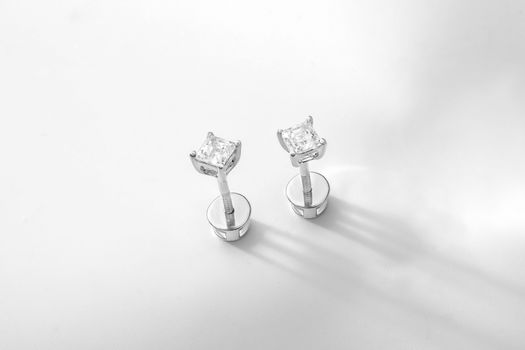 Photo: The Glorious Studio / Pexels
When you decide to buy diamond stud earrings 1 carat, it's crucial to first understand what that '1 carat' truly signifies. Many assume it means each diamond weighs one carat, but in the vast majority of cases, it refers to the *total carat weight (TCW)* of both diamonds combined. This means you're typically looking at two diamonds, each weighing approximately 0.50 carats. This distinction is vital for managing expectations regarding size and price. A single 1-carat diamond is significantly more expensive than two 0.50-carat diamonds of comparable quality, due to the rarity of larger stones. Therefore, when comparing options, always clarify whether the carat weight is per diamond or total. This foundational understanding will prevent confusion and ensure you're comparing apples to apples when evaluating different pairs of earrings.
Beyond the raw weight, the visual impact of a 1-carat total pair of diamond studs is often more substantial than what the numerical value might suggest on paper. The way light interacts with a well-cut diamond can make it appear larger than its actual carat weight. For stud earrings, brilliance and sparkle are often prioritized over sheer size, which brings us to the importance of the diamond's cut. A meticulously cut 0.50-carat diamond will exhibit far more fire and brilliance than a poorly cut 0.60-carat diamond, for instance, making the former appear more captivating and often larger to the naked eye. This is why focusing solely on carat weight without considering the other 'Cs' can be a common pitfall for buyers. The goal is to find a balance that maximizes visual appeal within your budget, recognizing that total carat weight is just one piece of the puzzle. Understanding this interplay is essential to making an informed purchase when you
buy diamond stud earrings.
Furthermore, the physical dimensions of a 0.50-carat diamond can vary slightly based on its cut. A perfectly round brilliant cut 0.50-carat diamond typically measures about 5.0-5.2mm in diameter. When worn as a pair, these offer a noticeable yet elegant presence on the earlobe, making them a popular choice for everyday wear as well as special occasions. They strike an excellent balance between being substantial enough to make a statement without being overly ostentatious for daily use. This versatility is a key reason why 1 carat total weight diamond stud earrings are such a sought-after item. They are often considered a classic, foundational piece in any jewelry collection, capable of elevating any outfit from casual to formal. The enduring appeal of this specific size makes it a smart investment, both aesthetically and financially, provided you choose wisely based on the comprehensive understanding of diamond characteristics. The next step is to delve into the critical factors that determine the true quality and value of these precious stones.
Navigating the 4Cs: Cut, Color, Clarity, and Carat for Your Studs
 Photo: Alex Kad / Pexels
The 4Cs – Cut, Color, Clarity, and Carat – are the universally accepted standards for evaluating diamond quality. When you set out to buy diamond stud earrings 1 carat, understanding how each of these factors contributes to the overall beauty and value of your purchase is paramount. While 'carat' defines the weight, the other three Cs dictate the diamond's visual appeal. For stud earrings, which are often viewed from a distance, certain Cs might take precedence over others to maximize their impact and sparkle.
**Cut:** This is arguably the most critical 'C' for diamond stud earrings. A diamond's cut refers not to its shape (like round or princess) but to its proportions, symmetry, and polish. An excellent cut maximizes a diamond's brilliance, fire, and scintillation – the sparkle, rainbow flashes, and light patterns that make a diamond come alive. Even a high-carat diamond will appear dull if it has a poor cut. For stud earrings, where the diamonds are meant to catch the light and draw attention, an excellent or very good cut is highly recommended. It ensures that your 1-carat total weight studs will truly shine, often making them appear larger and more vibrant than their actual size. Prioritizing cut will yield the most visually stunning results.
**Color:** Diamond color is graded on a scale from D (colorless) to Z (light yellow or brown). For stud earrings, a truly colorless diamond (D-F) might be overkill for many budgets, as the subtle nuances of color are less noticeable when viewed from a distance and on the earlobe. A good balance for value and appearance is often found in the G-I range. These diamonds are considered 'near-colorless,' and any faint yellow tints are usually imperceptible once mounted in a white gold or platinum setting. If you opt for yellow gold settings, you can often go slightly lower in color (J-K) without any noticeable yellowing, as the warm tone of the metal will complement the diamond's natural hue. This allows for potential savings that can be reallocated to a better cut or clarity.
**Clarity:** Clarity refers to the absence of inclusions (internal flaws) and blemishes (external imperfections). The GIA clarity scale ranges from Flawless (FL) to Included (I). For stud earrings, perfect clarity (FL, IF, VVS1, VVS2) is often unnecessary and can significantly increase the cost. Since studs are worn on the ear, minor inclusions are rarely visible to the naked eye. A clarity grade in the VS1-VS2 (Very Slightly Included) range or even SI1 (Slightly Included) is often ideal. At these grades, inclusions are typically microscopic and do not detract from the diamond's beauty. The key is to ensure the diamond is 'eye-clean,' meaning no inclusions are visible without magnification. This strategy allows you to optimize your budget without sacrificing the visual appeal of your 1-carat diamond studs. While it's always good to understand the specifics of clarity, it's often the 'C' where you can find the most flexibility without compromising the overall aesthetic.
**Carat:** As previously discussed, carat refers to the diamond's weight. For 1 carat total weight diamond stud earrings, you're looking at two diamonds, each approximately 0.50 carats. While carat weight is straightforward, remember that two diamonds of the same carat weight can appear vastly different in size and brilliance depending on their cut. The goal is to find the largest carat weight that fits your budget, without compromising too much on cut, color, and clarity. A balanced approach across all 4Cs, with a strong emphasis on cut, will ensure you acquire stunning and valuable 1-carat diamond stud earrings that you'll cherish for years to come. Making smart compromises in color and clarity can free up your budget to invest in an excellent cut, which will always deliver the most sparkle and visual impact.
Certification and Settings: Securing Your Investment and Style
 Photo: The Glorious Studio / Pexels
When you decide to buy diamond stud earrings 1 carat, the choice of certification and setting are two critical components that directly impact both the security of your investment and the aesthetic appeal of your purchase. Understanding these elements will empower you to make a choice that is both beautiful and reliable.
**The Importance of Diamond Certification:** A diamond certification, or grading report, is essentially a birth certificate for your diamond. For a significant purchase like 1-carat diamond studs, independent certification from a reputable gemological laboratory is non-negotiable. The two most respected institutions globally are the Gemological Institute of America (GIA) and the American Gem Society (AGS). These organizations rigorously grade diamonds based on the 4Cs, providing an unbiased assessment of quality. A GIA or AGS certificate guarantees that the diamond you are buying matches the quality stated by the seller. Without such a certificate, you are relying solely on the jeweler's word, which can lead to misrepresentation and overpaying. A certified diamond provides peace of mind, confirms authenticity, and is crucial for insurance purposes. It ensures that you are truly getting the quality you pay for, making it a cornerstone of a smart purchase. Always ask for and review the certificates for both diamonds in your stud pair; they should be individually graded, even if sold as a pair. This transparency is a hallmark of a trustworthy jeweler and a wise investment when you
purchase certified diamond jewelry.
**Choosing the Right Setting:** The setting not only holds your diamonds securely but also significantly influences their appearance and how they sit on your ear. For diamond stud earrings, the most popular and secure settings are:
* **Prong Settings (3-prong or 4-prong):** This is the classic choice, allowing maximum light to enter the diamond, enhancing its brilliance and sparkle. A 4-prong setting provides excellent security and a symmetrical look, while a 3-prong setting can make the diamond appear slightly larger and more triangular. Both are highly effective, with the choice often coming down to personal preference for symmetry versus perceived size.
* **Bezel Settings:** In a bezel setting, a thin metal rim encircles the entire diamond, holding it securely in place. This offers superior protection against chips and scratches, making it an excellent choice for active individuals. However, it covers more of the diamond, which can slightly reduce light entry and make the diamond appear marginally smaller. Bezel settings offer a modern, sleek aesthetic.
* **Halo Settings:** While less common for traditional studs, a halo setting surrounds the main diamond with a circle of smaller diamonds. This significantly increases the overall sparkle and can make the central 0.50-carat diamonds appear much larger than their actual size. However, it also adds to the cost and can be more prone to snagging.
**Selecting the Metal:** The metal type for your setting also plays a crucial role in durability, appearance, and hypoallergenic properties. Popular choices include:
* **White Gold (14k or 18k):** A popular and affordable choice, white gold is actually yellow gold alloyed with white metals and plated with rhodium to give it its bright, silvery-white appearance. It's durable and enhances the brilliance of colorless or near-colorless diamonds.
* **Yellow Gold (14k or 18k):** A classic and warm option, yellow gold complements diamonds with a slight yellow tint (J-K color grades) beautifully, making them appear whiter. It offers a traditional and rich aesthetic.
* **Platinum:** Known for its exceptional durability, natural white luster (it doesn't require rhodium plating), and hypoallergenic properties, platinum is the most premium choice. It's heavier and more expensive than gold but offers superior longevity and security for your diamonds.
When selecting your setting and metal, consider your lifestyle, aesthetic preferences, and the color grade of your diamonds. A well-chosen setting not only protects your precious stones but also amplifies their beauty, ensuring your 1-carat diamond stud earrings are a source of joy for many years.
Mistakes to Avoid When You Buy Diamond Stud Earrings 1 Carat
Photo: Alex Kad / Pexels
Purchasing diamond stud earrings is an exciting endeavor, but it's also an investment that requires careful consideration. To ensure you make a smart choice when you buy diamond stud earrings 1 carat, be aware of common pitfalls that can lead to disappointment or overspending. Avoiding these mistakes will help you acquire a pair of stunning studs that perfectly meet your expectations and budget.
**1. Prioritizing Carat Weight Over Cut:** This is perhaps the most frequent mistake. While a larger diamond (higher carat weight) might sound impressive, a poorly cut diamond, regardless of its size, will appear dull and lifeless. The cut is what dictates a diamond's sparkle and brilliance. Always prioritize an 'Excellent' or 'Very Good' cut grade, even if it means slightly reducing the carat weight or making a small compromise on color or clarity. A well-cut 0.45-carat diamond will often look more impressive and appear larger than a poorly cut 0.55-carat diamond.
**2. Neglecting Diamond Certification:** As discussed, buying uncertified diamonds, or diamonds certified by less reputable labs, is a significant risk. Without an independent grading report from GIA or AGS, you have no objective verification of the diamond's stated quality. This can lead to paying a premium for a lower-grade diamond or even purchasing a synthetic or treated stone unknowingly. Always insist on GIA or AGS certificates for both diamonds in your pair.
**3. Overspending on Unnecessary Color or Clarity Grades:** While D-color and Flawless clarity diamonds are the pinnacle of quality, they come with a hefty price tag. For diamond stud earrings, which are viewed from a distance, these top-tier grades are often overkill. You can save a significant amount of money by opting for 'near-colorless' (G-I) and 'eye-clean' (VS1-SI1) diamonds without any noticeable difference in visual appeal. Allocate those savings to a superior cut.
**4. Not Considering the Setting Type and Metal:** The setting not only secures your diamonds but also influences their overall look and durability. A flimsy setting can put your investment at risk, while an inappropriate metal choice might not complement the diamonds or your skin tone. For instance, putting a K-color diamond in a platinum setting will highlight its yellow tint, whereas a yellow gold setting would mask it. Consider your lifestyle; active individuals might prefer the added protection of a bezel setting.
**5. Failing to Compare Prices and Retailers:** Don't settle for the first pair of earrings you see. Research reputable jewelers, both online and brick-and-mortar. Compare prices for diamonds of similar 4Cs and certifications. Online retailers often offer more competitive pricing due to lower overheads, but ensure they have robust return policies and excellent customer service. Reading reviews and checking their industry reputation is crucial.
**6. Ignoring Return Policies and Warranties:** A reputable jeweler will offer a clear return policy (ideally 30 days or more) and a warranty covering manufacturing defects. This provides a safety net should you change your mind or discover an issue with the earrings. Always clarify these terms before making a purchase.
**7. Not Considering the Wearer's Style and Earlobe Size:** While 1-carat total weight is a popular size, consider who will be wearing them. For someone with very small earlobes, even 0.50-carat diamonds might appear quite large. Conversely, for someone who prefers a more dramatic look, 1 carat might be a perfect everyday size. Think about the recipient's personal style and typical jewelry choices to ensure the studs are a comfortable and cherished addition.
By being mindful of these common mistakes, you can approach the process of buying 1-carat diamond stud earrings with confidence, ensuring you select a pair that offers exceptional beauty, value, and lasting satisfaction.
