Discovering Ethical and Sustainable Jewelry Brands
ethical and sustainable jewelry brands

Discovering Ethical and Sustainable Jewelry Brands

Uncover beautiful, responsibly sourced jewelry that aligns with your values and makes a positive impact.

Find Your Sparkle

Key Takeaways

  • ✓ The global jewelry market is valued at over $270 billion, with a growing demand for ethical options.
  • ✓ Ethical jewelry ensures fair wages, safe working conditions, and no child labor in the supply chain.
  • ✓ Sustainable practices include using recycled metals, lab-grown gems, and minimizing environmental impact.
  • ✓ Consumers can verify claims through certifications like Fairtrade, SCS Global Services, and Responsible Jewellery Council.

How It Works

1
Understand the Impact

Before buying, educate yourself on the environmental and social costs associated with conventional jewelry production. This knowledge empowers you to make informed decisions.

2
Identify Key Certifications

Look for recognized certifications and transparent supply chains. These indicators help you identify brands that genuinely uphold ethical and sustainable standards.

3
Explore Brand Philosophies

Research brands that prioritize responsible sourcing, fair labor practices, and eco-friendly manufacturing. Many brands share their values and processes openly on their websites.

4
Make Your Conscious Choice

Select jewelry pieces from brands that resonate with your values, knowing your purchase supports a better industry. Enjoy your beautiful, responsibly made adornments.

The Imperative of Ethical Sourcing in Jewelry
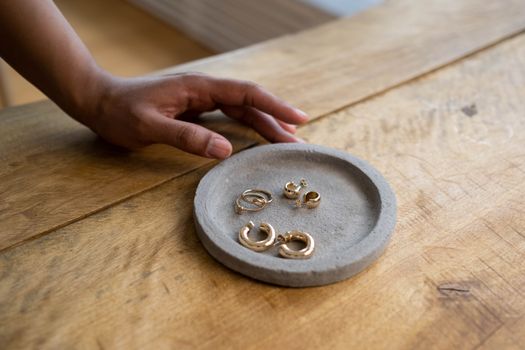
Stylish gold earrings displayed on a wooden table, featuring a hand reaching out. Photo: Ron Lach / Pexels
In an increasingly conscious world, the provenance of our possessions matters more than ever. The jewelry industry, with its long and often opaque supply chains, has historically been plagued by issues ranging from conflict minerals to exploitative labor practices and environmental degradation. The term 'ethical sourcing' in jewelry refers to a commitment to ensuring that every step of the production process, from mining raw materials to crafting the final piece, adheres to high standards of social and environmental responsibility. This includes guaranteeing fair wages, safe working conditions, and respect for human rights for all workers involved, particularly in the mining and cutting sectors which are often in developing nations. It also means actively avoiding materials linked to conflict, such as 'blood diamonds,' and ensuring that sourcing does not contribute to illegal trade or human rights abuses. For consumers, choosing ethically sourced jewelry is a powerful way to vote with their dollars, supporting businesses that prioritize people over profit and operate with integrity. It's about owning a piece that not only sparkles but also tells a story of positive impact. The journey of a gemstone or a piece of metal from the earth to a finished adornment is incredibly complex. Traditional supply chains can involve numerous intermediaries, making it difficult to trace the origin and verify ethical practices. This complexity has historically allowed unethical practices to persist. However, a new generation of ethical and sustainable jewelry brands is committed to disrupting this status quo by implementing stringent traceability measures. Many brands now work directly with mines or certified suppliers, ensuring that their materials meet specific ethical criteria. This direct engagement often includes third-party audits and certifications that provide an extra layer of assurance. For instance, knowing that a gold ring comes from a Fairtrade certified mine means that the miners received a fair price for their gold, worked in safe conditions, and that environmental impacts were minimized. Similarly, opting for diamonds certified by the Kimberley Process, while not perfect, is a step towards ensuring they are not funding conflict. Beyond conflict minerals, ethical sourcing also addresses the broader social responsibilities of businesses. This includes supporting local communities where mining operations occur, investing in infrastructure, education, and healthcare, and ensuring that indigenous rights are respected. It means that the wealth generated by natural resources benefits the people and regions from which they are extracted, rather than exacerbating poverty or conflict. As consumers, our role in driving this change is critical. By asking questions, demanding transparency, and choosing to support ethical and sustainable jewelry brands, we can collectively push the industry towards a more responsible future. It's about more than just a purchase; it's about making a statement about the kind of world we want to live in and the values we uphold. This commitment to ethical sourcing extends beyond precious metals and gemstones to include all components of a piece of jewelry, from the smallest clasp to the packaging it arrives in, ensuring a holistic approach to responsible production. Learn more about responsible consumption in jewelry.

Embracing Sustainability: Eco-Friendly Jewelry Practices
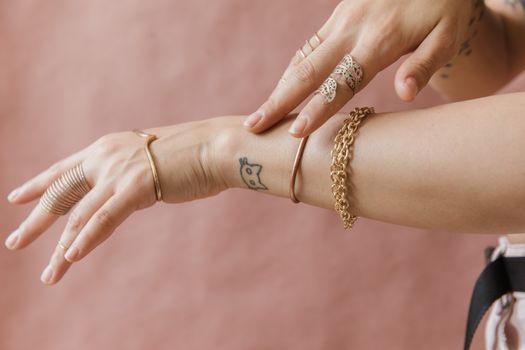
Close-up of a tattooed arm wearing elegant gold bracelets and rings on a soft background. Photo: RDNE Stock project / Pexels
Sustainability in the jewelry industry goes hand-in-hand with ethical sourcing, focusing specifically on minimizing environmental impact and promoting ecological responsibility. Traditional mining can be incredibly destructive, leading to deforestation, soil erosion, water pollution from chemical runoff, and significant carbon emissions. Sustainable jewelry practices aim to mitigate these harms through various innovative approaches. One of the most impactful strategies is the use of recycled metals. Gold, silver, and platinum are infinitely recyclable without losing their quality. By utilizing recycled precious metals, brands significantly reduce the demand for newly mined materials, thereby lessening the environmental footprint associated with mining. This not only conserves natural resources but also reduces energy consumption and chemical waste. Many leading ethical and sustainable jewelry brands now proudly state that their gold and silver are 100% recycled, often sourced from existing jewelry, industrial materials, or electronic waste. Another cornerstone of sustainable jewelry is the embrace of lab-grown diamonds and gemstones. These technologically advanced alternatives possess the identical chemical, physical, and optical properties of their mined counterparts but are created in controlled environments, eliminating the environmental and social concerns associated with traditional mining. Lab-grown diamonds, for example, require considerably less energy and water than mining operations and produce virtually no waste. They also offer a transparent origin, ensuring they are conflict-free. Beyond materials, sustainable practices extend to manufacturing processes. This includes utilizing renewable energy sources in workshops, minimizing water usage, implementing closed-loop systems to prevent chemical discharge, and reducing waste through efficient design and production techniques. Packaging also plays a crucial role; many brands use recycled, recyclable, or biodegradable packaging materials to further reduce their environmental footprint. The ethos of sustainability also encourages durability and timeless design. Fast fashion has no place in sustainable jewelry; instead, pieces are crafted to last a lifetime, reducing the need for frequent replacements and contributing to a more circular economy. This focus on quality and longevity not only benefits the planet but also offers greater value to the consumer, as these pieces become cherished heirlooms rather than disposable trends. Choosing sustainable jewelry is an active step towards protecting our planet's delicate ecosystems and ensuring that future generations can also enjoy its natural beauty. It's about recognizing that luxury doesn't have to come at the expense of the environment, and that true beauty can be found in products that respect both people and the planet. By supporting brands that prioritize these eco-friendly practices, consumers can contribute to a healthier, more sustainable future for the jewelry industry and beyond. The shift towards sustainable jewelry is not just a trend; it's a fundamental change in how we perceive and produce luxury goods, driven by a deeper understanding of our interconnectedness with the natural world. Discover more about eco-friendly fashion choices.

Navigating Certifications and Transparency in the Jewelry Market

Close-up of a bride and groom holding a marriage certificate, showcasing Turkish wedding attire. Photo: Efnan Yılmaz / Pexels
For consumers keen on making informed decisions, navigating the landscape of ethical and sustainable jewelry can initially seem daunting due to the sheer volume of claims and certifications. However, understanding key certifications and prioritizing transparency are crucial steps in identifying truly responsible brands. Certifications act as third-party verifications, assuring consumers that a product or process meets specific ethical or environmental standards. One of the most recognized in the diamond industry is the Kimberley Process Certification Scheme (KPCS), which aims to prevent conflict diamonds from entering the mainstream market. While the KPCS has faced criticism for its limitations, it remains an important baseline. For a more comprehensive ethical standard, look for diamonds certified by SCS Global Services as 'Certified Sustainably Grown' or 'Certified Sustainably Mined,' which cover environmental stewardship, social responsibility, and chain of custody. When it comes to precious metals, Fairtrade certification for gold is a gold standard (pun intended). Fairtrade ensures that miners receive a fair price, work in safe conditions, and that environmental impact is minimized. It also guarantees a premium that is invested back into mining communities. The Responsible Jewellery Council (RJC) is another significant organization, setting standards for responsible business practices across the entire jewelry supply chain, from mine to retail. RJC certification covers human rights, labor rights, environmental performance, and product integrity. Brands that are RJC certified commit to adhering to these rigorous standards and undergo regular audits. Beyond formal certifications, a brand's transparency is a powerful indicator of its commitment to ethical and sustainable practices. Reputable brands will openly share information about their sourcing, manufacturing processes, and labor practices on their websites. They often feature stories about their suppliers, provide details about where their materials come from, and explain the steps they take to ensure ethical conduct. Look for brands that are eager to answer your questions and provide evidence of their claims. This might include publishing audit reports, detailing their carbon footprint, or showcasing their community engagement initiatives. A lack of transparency, conversely, can be a red flag. If a brand is vague about its sourcing or avoids questions about its ethical practices, it may indicate a lack of commitment or something to hide. Trustworthy brands build their reputation on honesty and accountability. They understand that today's consumers demand more than just a beautiful product; they demand integrity and a clear conscience behind every purchase. By focusing on brands that actively seek and achieve recognized certifications, and by prioritizing those that demonstrate radical transparency in their operations, consumers can confidently choose jewelry that aligns with their values and contributes to a more responsible global industry. This diligent approach helps to cut through greenwashing and ensures that your investment genuinely supports positive change. The power of informed consumer choice is immense, driving the market towards greater accountability and ethical responsibility. Explore more about ethical consumerism.

Choosing Your Ethical Sparkle: Tips for Conscious Jewelry Shopping
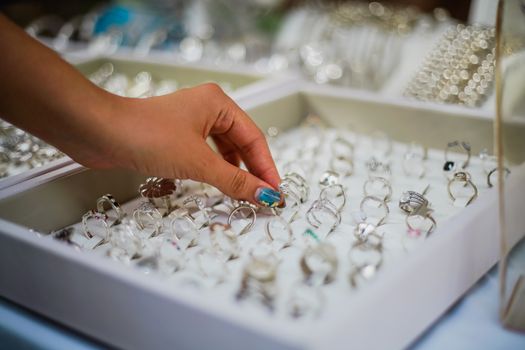
A woman's hand delicately picking a ring from a display of elegant jewelry. Photo: Elias Jara / Pexels
Making the switch to ethical and sustainable jewelry can be a rewarding journey, but knowing where to start can make all the difference. Here are some practical tips to guide your conscious shopping experience and ensure your next jewelry purchase aligns with your values: * **Do Your Homework:** Before falling in love with a piece, research the brand. Look beyond marketing claims. Visit their 'About Us' or 'Sustainability' pages. Do they provide specific details about their sourcing? Are their claims backed by certifications? Transparency is key. * **Prioritize Recycled Metals:** Opt for jewelry made from recycled gold, silver, or platinum. This significantly reduces the environmental impact associated with new mining. Many brands proudly highlight their use of 100% recycled metals. * **Consider Lab-Grown Gems:** For diamonds and many other gemstones, lab-grown alternatives offer an environmentally friendly and ethical choice without compromising on beauty or quality. They are chemically, physically, and optically identical to mined stones. * **Look for Fairtrade Certified Materials:** If you prefer mined materials, especially gold, seek out Fairtrade certification. This ensures fair wages, safe working conditions, and community development for miners. * **Verify Certifications:** Don't just take a brand's word for it. Look for logos and references to reputable third-party certifications like the Responsible Jewellery Council (RJC), SCS Global Services, or Fairmined. If a brand mentions a certification, you should be able to verify it independently. * **Ask Questions:** Don't hesitate to reach out to brands directly with your questions about their sourcing, labor practices, and environmental policies. A truly ethical brand will be happy to provide detailed answers. * **Support Small and Local Artisans:** Often, independent jewelers and small businesses have more direct control over their supply chains and may be able to offer more transparent sourcing. They might also use unique, locally sourced, or repurposed materials. * **Think Long-Term:** Choose classic, timeless designs that you'll cherish for years to come. Investing in high-quality, durable pieces reduces the need for frequent replacements and supports a more sustainable consumption model. * **Avoid Fast Fashion Jewelry:** Just like with clothing, 'fast jewelry' often relies on cheap, unethically sourced materials and exploitative labor. These pieces are designed to be disposable and contribute to waste. * **Repurpose or Upcycle:** Consider giving new life to old jewelry. Work with an ethical jeweler to redesign heirloom pieces or use existing materials to create something new. This is the ultimate form of sustainable jewelry. By following these tips, you can confidently choose jewelry that not only looks beautiful but also reflects your commitment to a more ethical and sustainable world. Your choices have power, and every conscious purchase contributes to driving positive change within the jewelry industry.

Comparison

FeatureEthical & Sustainable BrandsTraditional Brands (Often)Lab-Grown Diamonds
Sourcing TransparencyHighLow to MediumComplete
Environmental ImpactLow (recycled, eco-friendly)High (mining, waste)Very Low (controlled environment)
Labor PracticesFair wages, safe conditionsVariable, potential exploitationExcellent (regulated facilities)
Conflict Materials RiskMinimal to NoneModerate to HighNone
Cost vs. ValuePremium for ethics, high valueVariable, lower initial costCompetitive, often lower than mined
Certifications

What Readers Say

"I was looking for an engagement ring that aligned with my values. Finding an ethical and sustainable jewelry brand that offered recycled gold and a lab-grown diamond was a dream come true. The quality is exceptional, and I feel good knowing its origins."

Sarah J. · Austin, TX

"The transparency these ethical and sustainable jewelry brands offer is amazing. I loved being able to trace the origin of my gemstone and understand the positive impact of my purchase. It's truly a beautiful piece with a beautiful story."

Mark D. · Seattle, WA

"After years of buying fast fashion jewelry, I decided to invest in something meaningful. My new necklace from an ethical and sustainable brand is not only stunning but knowing it supports fair labor and environmental protection makes it even more special. It's a noticeable upgrade in quality and conscience."

Emily R. · Boulder, CO

"While the price point can be a bit higher for ethical and sustainable jewelry brands, the peace of mind is worth it. I appreciate the commitment to sustainability, though I'd love to see even more variety in design options from some of the smaller brands."

David L. · Portland, OR

"I bought a custom piece using recycled gold and an antique sapphire from one of these ethical and sustainable jewelry brands. The craftsmanship was superb, and the entire process was so collaborative and transparent. It's truly a unique and responsible heirloom."

Jessica M. · Boston, MA

Frequently Asked Questions

What exactly makes a jewelry brand 'ethical and sustainable'?

An ethical and sustainable jewelry brand prioritizes fair labor practices, safe working conditions, and fair wages throughout its supply chain, avoiding child labor and exploitation. Sustainability focuses on minimizing environmental harm through practices like using recycled metals, lab-grown gems, responsible mining, and eco-friendly manufacturing and packaging. Together, these ensure a positive social and environmental impact.

Is ethical and sustainable jewelry significantly more expensive?

While some ethical and sustainable jewelry can have a slightly higher price point due to fair wages, responsible sourcing, and often higher quality materials/craftsmanship, it's not always significantly more expensive. The cost reflects the true value of responsible production, and many brands offer competitive pricing, especially when considering the long-term value and positive impact of your purchase.

How can I verify a jewelry brand's ethical and sustainable claims?

To verify claims, look for specific certifications like Fairtrade for gold, SCS Global Services for diamonds, or the Responsible Jewellery Council (RJC) for overall practices. Reputable brands will also provide transparent information on their website about their sourcing, manufacturing, and labor policies, often with detailed 'About Us' or 'Sustainability' sections. Don't hesitate to contact them directly with questions.

Are lab-grown diamonds truly sustainable and ethical?

Yes, lab-grown diamonds are generally considered a highly sustainable and ethical alternative to mined diamonds. They are created in controlled environments, eliminating the environmental destruction and human rights concerns associated with traditional mining. They also have a transparent origin, ensuring they are conflict-free and often require significantly less energy and water than mining operations.

How do ethical and sustainable jewelry brands compare to vintage or antique jewelry?

Both ethical and sustainable new jewelry and vintage/antique jewelry are excellent choices for conscious consumers. Vintage jewelry is inherently sustainable as it reuses existing materials, reducing demand for new production. Ethical new brands focus on responsible sourcing and production for newly created pieces. The best choice depends on whether you prefer a new design with verifiable modern ethical practices or a piece with historical character and inherent circularity.

Who should consider buying from ethical and sustainable jewelry brands?

Anyone concerned about the environmental and social impact of their purchases should consider buying from ethical and sustainable jewelry brands. This includes individuals looking for engagement rings, gifts, or personal adornments who want assurance that their jewelry is conflict-free, made with fair labor, and produced with minimal environmental harm. It's for conscious consumers who value transparency and integrity.

Are there any risks associated with buying from lesser-known ethical brands?

The primary risk with lesser-known or new ethical brands can be verifying their claims without established certifications or extensive reviews. To mitigate this, look for brands that are exceptionally transparent about their supply chain, offer clear communication, and ideally, have some third-party verification, even if it's not a major industry certification. Always research and trust your gut.

What future trends can we expect in ethical and sustainable jewelry?

Future trends in ethical and sustainable jewelry are likely to include even greater transparency through blockchain technology for traceability, wider adoption of innovative recycled materials beyond precious metals (e.g., ocean plastic for some components), and a continued rise in popularity of bespoke and custom pieces using existing or responsibly sourced materials. Expect more brands to embrace circular economy principles fully, including repair and buy-back programs.

Embrace the beauty of conscious consumption. By choosing ethical and sustainable jewelry brands, you're not just acquiring a stunning piece; you're investing in a brighter, more responsible future for people and the planet. Discover your next cherished heirloom with integrity and sparkle.

Topics: ethical and sustainable jewelry brandseco-friendly jewelryconflict-free diamondsrecycled gold jewelryfair trade jewelry
Leo List
Brampton weed
Adultwork EstrelaBet Vai de Bet R7 Bet Betão Galera Bet Rainbet Bet9ja Shop SportyBet BetKing Sisal Loto Foot Hollywoodbets YesPlay Odibets RushBet Jugabet BetWarrior BetCity MSport betPawa Fortebet