Gold Plated vs Gold Filled Jewelry Durability: Your Ultimate Guide
gold plated vs gold filled jewelry durability

Gold Plated vs Gold Filled Jewelry Durability: Your Ultimate Guide

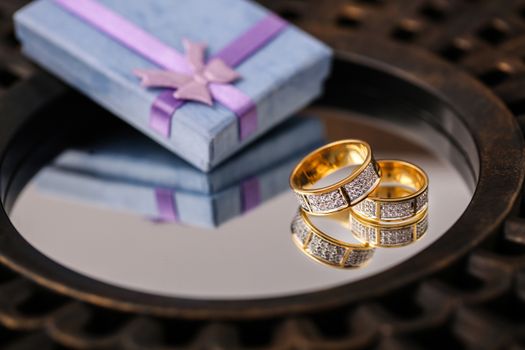
Close-up of gold wedding rings reflecting next to a blue gift box.Photo: The Glorious Studio / Pexels

Gold Plated vs Gold Filled Jewelry Durability: Your Ultimate Guide

Unlock the secrets to enduring gold-tone jewelry and make the smartest choice for your style and budget.

Discover Your Best Choice

Key Takeaways

  • ✓ Gold plated jewelry has a thin layer of gold over a base metal, making it less durable.
  • ✓ Gold filled jewelry has a much thicker, pressure-bonded layer of gold, significantly enhancing its durability and lifespan.
  • ✓ The gold content in gold filled items is legally required to be at least 5% of the item's total weight.
  • ✓ Proper care can extend the life of both types, but gold filled will inherently last longer.
  • ✓ Price reflects durability: gold plated is cheaper, gold filled is a mid-range option before solid gold.

How It Works

1
Understanding the Gold Layer

Gold plated jewelry applies a micron-thin layer of gold via electroplating. Gold filled jewelry bonds a much thicker gold layer using heat and pressure.

2
Impact on Wear and Tear

The thin layer on gold plated items is prone to flaking, tarnishing, and wearing off quickly. The substantial gold layer on gold filled items resists these issues much better.

3
Longevity Expectations

Gold plated pieces typically last months to a couple of years with careful use. Gold filled pieces can last 5 to 10 years or even longer with proper maintenance.

4
Investment vs. Fashion

Gold plated is ideal for trend-driven, temporary pieces due to its low cost. Gold filled offers a better investment for everyday wear and lasting quality without the solid gold price tag.

Demystifying Gold Plated Jewelry: What Lies Beneath the Shine?
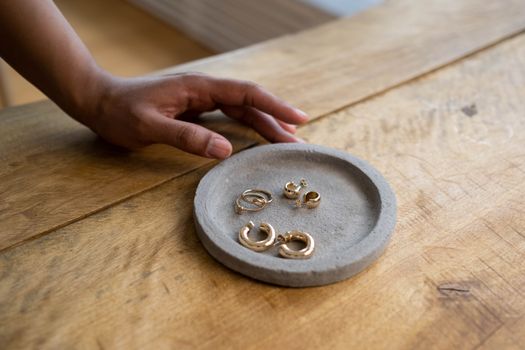
Stylish gold earrings displayed on a wooden table, featuring a hand reaching out.Photo: Ron Lach / Pexels
When you encounter the term 'gold plated' jewelry, it conjures images of luxurious gleam without the exorbitant price tag of solid gold. This accessibility is precisely its primary appeal, making gold-plated items a popular choice for fashion-forward individuals and those exploring new styles without a significant financial commitment. However, understanding the construction of gold-plated jewelry is crucial to setting realistic expectations regarding its durability and longevity. At its core, gold plating involves a meticulous process known as electroplating. A very thin layer of gold, often measured in microns (one-millionth of a meter), is electrically deposited onto a base metal. This base metal can vary widely, but common choices include brass, copper, nickel, or sterling silver. The thickness of this gold layer is paramount to its resilience, and unfortunately, in most commercially available gold-plated pieces, this layer is exceedingly thin. Typically, gold plating ranges from 0.175 microns (known as 'flash plating') up to 2.5 microns. The higher the micron count, the thicker the gold layer, and theoretically, the more durable the piece will be. However, even at 2.5 microns, the gold layer is still quite delicate compared to solid gold or even gold-filled alternatives. The inherent fragility of this thin gold coating is the primary factor limiting the durability of gold-plated jewelry. Over time, and with consistent exposure to various elements, this thin layer is susceptible to several forms of degradation. Friction from daily wear, contact with skin oils, sweat, perfumes, lotions, and even cleaning products can accelerate the wearing away of the gold layer. This can lead to the base metal showing through, resulting in a dull, discolored appearance. Furthermore, the base metal itself can react with oxygen and moisture, causing it to tarnish. As the gold plating is so thin, this tarnish can eventually show through the gold layer, compromising the aesthetic appeal of the piece. The chemical composition of the base metal also plays a role. Cheaper base metals are more prone to tarnishing and can even cause skin reactions in some individuals. While gold itself is hypoallergenic, the underlying metals in gold-plated items may not be. Therefore, when considering gold plated jewelry, it's essential to view it as a fashion accessory with a limited lifespan, rather than a long-term investment. Its allure lies in its ability to mimic the look of solid gold at a fraction of the cost, perfect for trying out trends or for occasional wear. The trade-off, however, is a significantly reduced lifespan and a higher susceptibility to wear and tear compared to its gold-filled counterpart. For those seeking more enduring pieces, understanding these limitations becomes a critical part of the decision-making process. Learn more about different types of jewelry metals to make an informed choice that suits your lifestyle and budget.

The Robustness of Gold Filled Jewelry: A Deeper Dive into Longevity
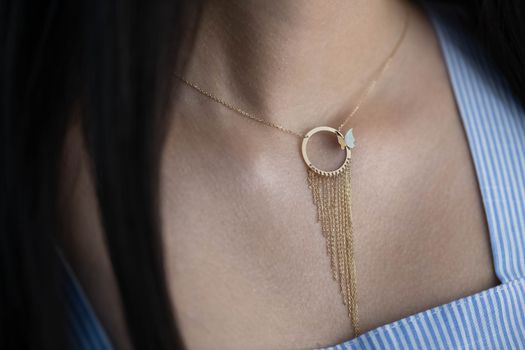
Close-up of a gold necklace featuring a butterfly pendant, perfect for fashion and jewelry collections.Photo: Maryam / Pexels
Stepping up from gold-plated options, gold-filled jewelry presents a compelling middle ground between the affordability of plated items and the enduring quality of solid gold. The term 'gold filled' isn't just a marketing gimmick; it denotes a specific manufacturing process that results in a significantly more durable and long-lasting product. Unlike the electroplating method used for gold-plated items, gold-filled jewelry is created by mechanically bonding a thick layer of solid gold to a base metal core, usually jeweler's brass, using intense heat and pressure. This isn't merely a thin surface coating; the gold layer in gold-filled items is substantially thicker – at least 100 times thicker than the layer found in most gold-plated pieces. By law, to be classified as 'gold filled' in the United States, the gold layer must constitute at least 5% (or 1/20th) of the item's total weight. This significant proportion of real gold is what grants gold-filled jewelry its superior durability and resistance to common forms of wear and tear. Because the gold layer is so robustly bonded and thick, it is far less likely to flake, rub off, or tarnish compared to gold plating. This means that with proper care, gold-filled jewelry can maintain its golden luster and appearance for many years, often lasting 5 to 10 years, and sometimes even longer. It can withstand daily wear much better, making it suitable for pieces that are worn frequently, such as necklaces, bracelets, and earrings. The durability of gold-filled jewelry also extends to its interaction with the skin. Since the outer layer is a substantial sheet of solid gold (typically 10K, 12K, or 14K gold), it is generally hypoallergenic. This makes it an excellent choice for individuals with sensitive skin who might react to the base metals in gold-plated items. The thick gold layer acts as an effective barrier, preventing the underlying metals from coming into direct contact with the skin. While gold-filled jewelry is undoubtedly more expensive than gold-plated options, its enhanced durability and extended lifespan offer a far better return on investment for those seeking quality and longevity without the premium price tag of solid gold. It represents a smart choice for heirloom-quality pieces that you want to wear for years to come, offering the aesthetic appeal and many of the practical benefits of solid gold, but at a more accessible price point. Understanding this distinction is key for consumers looking to make a wise purchase that aligns with their expectations for both beauty and endurance in their jewelry collection. It bridges the gap for those who desire the look and feel of gold with a significant upgrade in resilience compared to plated alternatives.

Factors Influencing Gold Plated vs Gold Filled Jewelry Durability
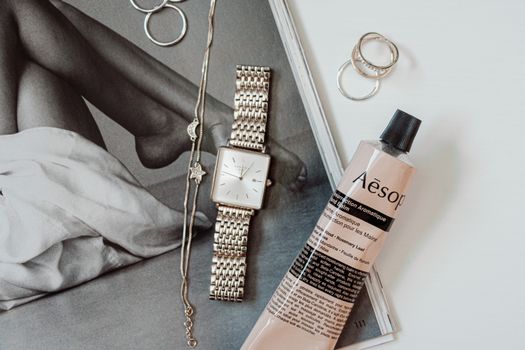
Stylish flat lay featuring a wristwatch, necklace, rings, and Aesop hand balm.Photo: Harper Sunday / Pexels
Beyond the fundamental construction differences, several external and internal factors significantly influence the actual lifespan and durability of both gold-plated and gold-filled jewelry. Understanding these elements empowers consumers to make more informed choices and to properly care for their beloved pieces. Firstly, the purity of the gold used in the plating or filling layer plays a role. While 24K gold is pure, it's also very soft and prone to scratching. Therefore, plating and filling often use 10K, 12K, or 14K gold, which are alloys that offer increased hardness and durability while retaining a beautiful golden hue. The specific karats used will affect the overall resilience of the gold layer itself. Secondly, the base metal onto which the gold is applied is crucial, especially for gold-plated items. Common base metals like brass, copper, or nickel can react differently to environmental factors. Some base metals are more prone to oxidation and tarnishing, which, even under a thin gold layer, can eventually affect the overall appearance. Sterling silver, when used as a base for gold plating (often called 'vermeil'), offers a higher quality base metal but still relies on the thin gold layer for its color. For gold-filled items, the base metal is usually brass, which is robust and provides a stable foundation for the thick gold layer. Thirdly, and perhaps most critically, is the wearer's lifestyle and habits. Daily wear, especially for rings and bracelets that experience more friction and impact, will naturally accelerate wear and tear on any jewelry, but particularly on gold-plated pieces. Activities involving heavy labor, sports, or exposure to harsh chemicals should prompt the removal of all but the most durable solid gold pieces. Even simple daily routines, such as applying lotions, perfumes, hairsprays, or even hand sanitizers, can significantly degrade the gold layer on plated items. The chemicals in these products can react with the gold or the base metal, causing discoloration, dullness, or accelerating the erosion of the plating. Similarly, prolonged exposure to water, especially chlorinated water (swimming pools) or saltwater (ocean), is detrimental. These elements can corrode base metals and cause the gold plating to lift or tarnish rapidly. Even showering with gold-plated jewelry is generally discouraged. For gold-filled items, while they are much more resistant, it's still advisable to avoid excessive exposure to harsh chemicals and prolonged submersion in water to maximize their lifespan. Finally, proper storage and cleaning routines are indispensable. Storing jewelry in individual pouches or compartments prevents scratching and minimizes exposure to air and humidity, which can cause tarnishing. Regular, gentle cleaning with a soft cloth and mild soap (for gold-filled) can remove oils and dirt before they have a chance to build up and cause damage. For gold-plated items, cleaning should be even gentler, often just a soft, dry cloth. Understanding these multifaceted factors allows consumers to make an informed decision when comparing gold plated vs gold filled jewelry durability. It highlights that while gold-filled inherently offers superior longevity, even the most durable pieces benefit from mindful wear and diligent care to preserve their beauty. Discover essential jewelry care tips to extend the life of your precious pieces.

Maximizing the Lifespan: Tips for Caring for Your Gold-Tone Jewelry

Close-up of a woman's hand holding a blank business card with a blurred background for design mockup.Photo: www.kaboompics.com / Pexels
Regardless of whether you choose the delicate beauty of gold-plated or the robust resilience of gold-filled jewelry, proper care is the ultimate determinant in maximizing its lifespan and preserving its lustrous appearance. While gold-filled pieces are inherently more forgiving, even solid gold benefits from thoughtful maintenance. For both types, the golden rule is prevention. Avoid exposing your gold-tone jewelry to harsh chemicals at all costs. This includes household cleaning products, bleach, ammonia, and even some strong soaps. Always remove your jewelry before cleaning, gardening, or engaging in activities where it might come into contact with such substances. Similarly, perfumes, lotions, hairspray, and cosmetics can accelerate wear and cause discoloration. It's best to apply these products and allow them to dry completely before putting on your jewelry. Think of jewelry as the last thing you put on and the first thing you take off. Water, especially chlorinated pools and saltwater, is another enemy. Chlorine is particularly corrosive and can damage both the gold layer and the base metal, leading to tarnishing and dullness. Saltwater can also cause corrosion. Even showering regularly with your jewelry can lead to soap scum buildup and accelerate wear. It's a good practice to remove all jewelry before swimming, showering, or bathing. Storage is often overlooked but plays a crucial role. When not wearing your jewelry, store it in a cool, dry place, ideally in individual pouches or a jewelry box with separate compartments. This prevents pieces from rubbing against each other, which can cause scratches, especially on the thin plating of gold-plated items. It also minimizes exposure to air and humidity, which are primary culprits for tarnishing. For cleaning, the approach differs slightly between gold-plated and gold-filled. For gold-plated jewelry, less is more. Gently wipe the piece with a soft, dry, lint-free cloth after each wear to remove oils and dirt. If it needs a deeper clean, a very mild soap (like diluted dish soap) and warm water can be used, but ensure it's rinsed thoroughly and dried immediately and completely with a soft cloth. Avoid abrasive cleaners, ultrasonic cleaners, or polishing cloths designed for solid gold, as these can easily strip the thin gold layer. For gold-filled jewelry, you have a bit more leeway due to the thicker gold layer. You can clean it more thoroughly with warm water and a mild soap, using a soft cloth or a very soft brush to gently remove grime. Again, rinse well and dry immediately. Polishing cloths specifically designed for gold-filled or solid gold can be used occasionally, but always with a light touch. Regular, gentle cleaning prevents the buildup of oils and residue that can dull the shine and accelerate wear. By adopting these simple yet effective care routines, you can significantly extend the life and beauty of your gold-plated and gold-filled jewelry, allowing you to enjoy their golden allure for as long as possible.

Comparison

FeatureGold FilledGold PlatedSolid Gold (for reference)
Gold ContentMin. 5% by weight (10K, 12K, or 14K)Less than 0.05% by weight (often 0.175-2.5 microns)100% (24K) or alloy (10K, 14K, 18K)
DurabilityExcellent, lasts 5-10+ yearsFair, lasts months to 2 yearsSuperior, lasts a lifetime
Tarnish ResistanceVery high, due to thick gold layerLow, prone to tarnishing and flakingExcellent, does not tarnish
HypoallergenicGenerally Yes, due to thick gold barrierNo, base metal may cause reactionsYes
Price PointMid-rangeMost affordableHighest
Appearance ChangeMaintains look for yearsFades, discolors, and flakes over timeMaintains luster indefinitely
Care LevelModerate, similar to solid goldHigh, requires very gentle handlingLow to moderate, easy to clean
Resale ValueMinimal to noneNoneHigh (based on gold market)

What Our Readers Say

5 ★★★★★

"I used to buy gold plated necklaces all the time, but they'd always tarnish within months. Switching to gold filled was a game-changer! My gold filled chain still looks brand new after two years, even with daily wear."

5 ★★★★★

"For my wife's birthday, I wanted something that looked expensive but didn't break the bank. A gold filled bracelet was perfect. She wears it constantly, and the gold plated vs gold filled jewelry durability difference is truly noticeable."

5 ★★★★★

"I have sensitive skin and always had issues with gold plated earrings. The gold filled ones don't irritate me at all! Plus, they haven't lost their shine, making them worth every penny more."

4 ★★★★☆

"While gold filled is definitely more durable than plated, I still wouldn't wear it while swimming. I learned that the hard way with a pendant. But for everyday office wear, it holds up beautifully."

5 ★★★★★

"My gold plated rings would always turn my finger green. With gold filled, that's never been an issue. It’s amazing to have the look of solid gold without the high cost or skin reactions. Highly recommend for anyone debating gold plated vs gold filled jewelry durability."

Frequently Asked Questions

What is the main difference in gold plated vs gold filled jewelry durability?
The core difference lies in the thickness of the gold layer and how it's applied. Gold plated jewelry has a microscopically thin layer of gold electroplated onto a base metal, making it prone to wearing off quickly. Gold filled jewelry has a much thicker, pressure-bonded layer of gold (at least 5% of the item's weight), resulting in significantly superior durability and resistance to tarnishing.
Will gold plated jewelry turn my skin green?
Yes, gold plated jewelry can often turn your skin green, especially if the base metal (like copper or brass) reacts with your skin's acidity, sweat, or lotions as the thin gold layer wears off. Gold filled jewelry, with its substantial outer layer of solid gold, is much less likely to cause skin discoloration.
How do I properly clean gold filled jewelry to ensure its longevity?
To clean gold filled jewelry, use warm water and a mild soap (like diluted dish soap) with a soft cloth or a very soft-bristled brush. Gently rub to remove oils and dirt, then rinse thoroughly with clean water and dry immediately and completely with a soft, lint-free cloth. Avoid abrasive cleaners or harsh chemicals.
Is gold filled jewelry a good investment compared to solid gold?
Gold filled jewelry offers an excellent balance of value and durability, making it a good investment for everyday wear and long-lasting pieces without the high cost of solid gold. While it won't retain the same intrinsic metal value as solid gold, its longevity and aesthetic appeal for years make it a very cost-effective choice for quality gold-tone jewelry.
How does 'vermeil' compare to gold plated and gold filled in terms of durability?
Vermeil is a type of gold plating where sterling silver is the base metal, and the gold plating is legally required to be at least 2.5 microns thick. This makes it more durable than standard gold plating but still significantly less durable than gold filled jewelry, which has a much thicker, pressure-bonded gold layer.
Who should choose gold plated jewelry and who should choose gold filled?
Choose gold plated jewelry if you're looking for trendy, inexpensive pieces for occasional wear, or to try out new styles without a big commitment. Opt for gold filled jewelry if you desire a long-lasting, durable piece for everyday wear that offers the look and feel of solid gold at a more accessible price point, and if you have sensitive skin.
Are there any risks associated with wearing gold plated jewelry?
The main risks with gold plated jewelry include skin discoloration (green finger/neck), allergic reactions to the base metals once the plating wears off, and rapid tarnishing or flaking that diminishes the jewelry's appearance. These risks are significantly minimized with gold filled jewelry due to its substantial gold layer.
What are the future trends for affordable gold-tone jewelry given concerns about durability?
The trend is shifting towards more sustainable and durable options. We're seeing increased popularity in gold filled and even gold vermeil as consumers become more educated about longevity. Brands are also exploring innovative, thicker plating techniques and alternative base metals to enhance the lifespan of more affordable pieces, moving away from ultra-thin flash plating.

Armed with this comprehensive guide on gold plated vs gold filled jewelry durability, you're now ready to make an educated choice. Invest wisely in pieces that align with your lifestyle and budget, ensuring your golden shine lasts for years to come. Choose durability, choose informed beauty.

Topics: gold plated vs gold filled jewelry durabilitygold jewelry carejewelry longevityaffordable gold jewelryjewelry buying guide
Leo List
Brampton weed
Adultwork EstrelaBet Vai de Bet R7 Bet Betão Galera Bet Rainbet Bet9ja Shop SportyBet BetKing Sisal Loto Foot Hollywoodbets YesPlay Odibets RushBet Jugabet BetWarrior BetCity MSport betPawa Fortebet