
The Rich History of Antique Jewelry Styles
Uncover the captivating evolution of design, craftsmanship, and cultural significance in antique jewelry across centuries.
Begin Your JourneyKey Takeaways
- ✓ Antique jewelry is generally considered to be over 100 years old.
- ✓ Each historical period boasts distinct design motifs, materials, and manufacturing techniques.
- ✓ Understanding these styles enhances appreciation and aids in authenticating pieces.
- ✓ Fashion, social customs, and technological advancements heavily influenced jewelry trends.
How It Works
Familiarize yourself with the major antique jewelry eras: Georgian, Victorian, Art Nouveau, Edwardian, and Art Deco. Each period has unique characteristics and timelines.
Learn to spot the specific gemstones, metalwork, settings, and motifs associated with each style. This includes understanding the popular symbols and common materials used.
Appreciate how historical events, societal norms, and artistic movements shaped jewelry design. This context adds depth to the understanding and value of each piece.
Practice identifying genuine antique pieces by examining craftsmanship, hallmarks (if present), and overall condition. This skill is crucial for collectors and enthusiasts alike.
Unveiling the Grandeur of Georgian and Early Victorian Jewelry Eras
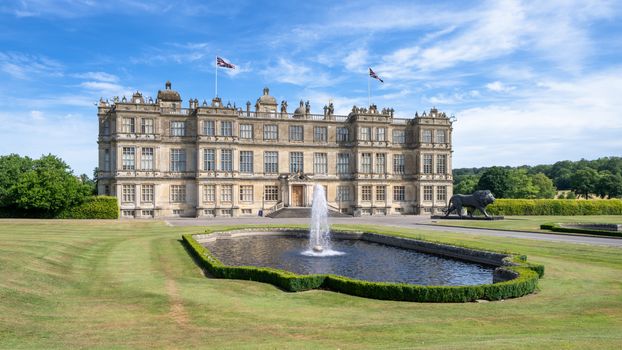 Photo: Phil Ledwith / Pexels
The Elegance of Edwardian and Revolutionary Art Nouveau Styles
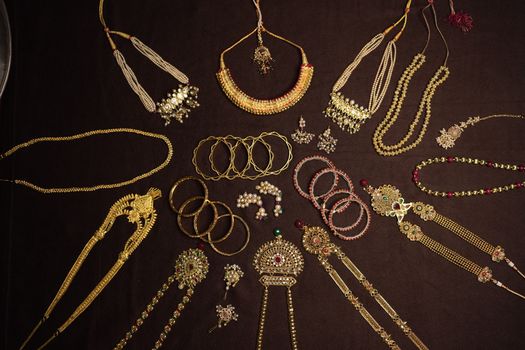 Photo: Kunal Lakhotia / Pexels
The Daring Designs of Art Deco and Mid-Century Modern Jewelry
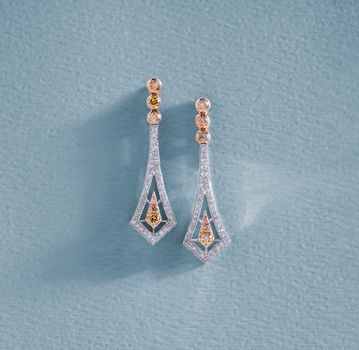 Photo: The Glorious Studio / Pexels
Identifying and Appreciating Antique Jewelry: Tips for Collectors
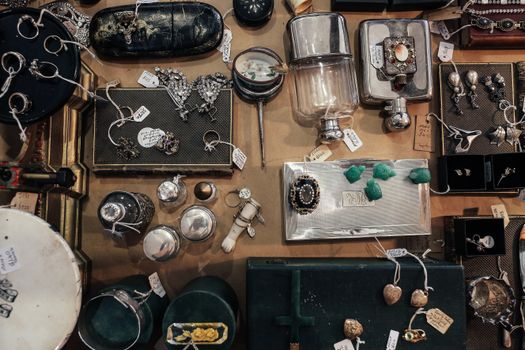 Photo: Rachel Claire / Pexels
Comparison
| Feature | Edwardian | Art Nouveau | Art Deco | Victorian (Grand) |
|---|---|---|---|---|
| Timeline | 1901-1910 | 1890-1910 | 1920-1939 | 1860-1880 |
| Dominant Metal | Platinum | Gold, Silver | Platinum, White Gold | Gold, Silver |
| Key Motifs | Garlands, Bows, Wreaths | Organic, Female Form, Insects | Geometric, Symmetrical, Abstract | Mourning, Sentimental, Nature |
| Gemstones | Diamonds, Pearls, Sapphires | Opals, Enamel, Moonstones | Diamonds, Sapphires, Emeralds | Jet, Onyx, Garnets, Diamonds |
| Aesthetic | Delicate, Ethereal, Lacy | Flowing, Organic, Artistic | Bold, Modern, Architectural | Somber, Sentimental, Ornate |
What Readers Say
"This article is an absolute treasure! It beautifully articulates the defining characteristics of each antique jewelry era, making the history incredibly accessible. I now feel much more confident in identifying pieces."
Eleanor Vance · Charleston, SC"As a budding collector, I found this guide invaluable. The detailed descriptions of Georgian and Victorian styles, in particular, helped me understand the nuances I'd been missing. A must-read for anyone interested in vintage adornment."
Marcus Chen · San Francisco, CA"I always admired antique jewelry but felt overwhelmed by the sheer variety. This article broke down the history of antique jewelry styles into digestible, engaging sections. I even identified my grandmother's brooch as late Victorian!"
Sarah Miller · Austin, TX"A very comprehensive overview, though I wish there were more specific examples of lesser-known pieces from each era. Still, it's an excellent starting point and has significantly deepened my appreciation for these historical art forms."
David Rodriguez · Boston, MA"From the delicate filigree of Edwardian to the bold lines of Art Deco, this article perfectly captures the essence of each period. It's a fantastic resource for anyone wanting to delve into the fascinating world of antique jewelry collecting."
Lena Petrova · Seattle, WAFrequently Asked Questions
What is considered antique jewelry?
Generally, antique jewelry refers to pieces that are 100 years or older. Pieces between 50 and 99 years old are typically classified as 'vintage.' This distinction helps categorize jewelry by age, influencing its historical context, value, and collecting practices.
How can I tell if my jewelry is genuinely antique?
Authenticating antique jewelry involves examining several factors: craftsmanship (handmade vs. machine-made), materials used (types of metals, gem cuts prevalent in certain eras), design motifs, and the presence of hallmarks or maker's marks. Consulting a reputable appraiser is often the best way to confirm authenticity.
What are the most popular antique jewelry styles for collectors?
While all periods have their devotees, Victorian, Edwardian, and Art Deco jewelry styles are particularly popular among collectors due to their distinct aesthetics and relative availability. Georgian and Art Nouveau pieces are rarer and often command higher prices due to their unique artistry and scarcity.
Does antique jewelry hold its value?
Yes, well-preserved, authentic antique jewelry often retains or increases its value over time, especially rare or historically significant pieces. Factors like condition, rarity, quality of materials, and historical provenance all contribute to its enduring value. It's often seen as both an investment and a cherished heirloom.
How does antique jewelry compare to modern jewelry in terms of craftsmanship?
Antique jewelry, particularly from eras before mass production, often exhibits superior hand-craftsmanship and attention to detail. Artisans used techniques like hand-filigree, repoussé, and intricate engraving that are less common in modern, machine-produced pieces. This unique artistry is a significant part of its appeal and value.
Who should consider collecting antique jewelry?
Anyone with an appreciation for history, art, unique design, and sustainable fashion should consider collecting antique jewelry. It appeals to those who value individuality, seek pieces with a story, or wish to invest in items that hold both monetary and sentimental value, avoiding fast fashion trends.
Are there any risks associated with buying antique jewelry?
The main risks include purchasing inauthentic pieces, overpaying, or acquiring items with significant damage that affects their value or wearability. Mitigate these risks by buying from reputable dealers, educating yourself on identification, and seeking independent appraisals for high-value items.
What future trends might impact the value of antique jewelry?
Future trends may include increased demand for sustainable and ethically sourced items, which antique jewelry inherently is. Growing interest in unique, narrative-rich pieces, and the increasing scarcity of well-preserved examples from earlier eras, are likely to further bolster the value and appeal of antique jewelry styles.
Embark on your own journey through the incredible history of antique jewelry styles. Whether you're a seasoned collector or a curious admirer, understanding these eras enriches your appreciation for these wearable works of art. Start exploring and uncover the timeless beauty that speaks to you.