✓ Rose gold is an alloy of pure gold, copper, and sometimes silver or zinc.
✓ The copper content gives rose gold its distinctive reddish hue and makes it more durable than yellow gold.
✓ Rose gold can tarnish over time due to its copper content, especially when exposed to certain chemicals.
✓ Proper cleaning and storage are crucial for maintaining rose gold's luster and preventing damage.
How It Works
1
Understand Its Composition
Know that rose gold is an alloy, primarily gold and copper, which influences its care needs. The copper is responsible for its color and potential for minor oxidation.
2
Practice Gentle Cleaning
Regularly clean your rose gold jewelry using mild soap and warm water, avoiding harsh chemicals. A soft cloth is essential for drying and polishing without scratching.
3
Store Thoughtfully
Keep rose gold pieces in individual pouches or compartments to prevent scratches and reduce exposure to air and moisture. This minimizes tarnishing.
4
Avoid Harsh Exposures
Remove rose gold jewelry before swimming, cleaning with chemicals, or applying lotions and perfumes. These substances can accelerate tarnish and dull its finish.
Understanding Rose Gold: Composition and Common Concerns
Photo: Arif khan / Pexels
Rose gold, with its romantic and distinctive blush hue, has captivated jewelry lovers for centuries. Unlike pure gold, which is naturally yellow and incredibly soft, rose gold is an alloy – a mixture of metals. Its unique color comes primarily from copper, which is mixed with pure gold and sometimes a small amount of silver or zinc. The higher the copper content, the more pronounced the reddish tint. For instance, 18K rose gold typically contains 75% pure gold and 25% copper (sometimes with a tiny percentage of silver). 14K rose gold, a very popular choice for its durability and rich color, usually consists of 58.3% pure gold and a higher percentage of copper, often around 41.7% (again, with potential trace amounts of other metals). This specific blend makes rose gold not only beautiful but also more durable than higher karat yellow gold due to copper's inherent strength. However, this copper content is also the reason rose gold has specific care requirements that differ slightly from its yellow or white gold counterparts. The most common concern for rose gold owners is tarnishing. While pure gold does not tarnish, copper does. Over time, and with exposure to oxygen, moisture, and certain chemicals, the copper in the alloy can oxidize, leading to a subtle darkening or dulling of the rose gold's surface. This isn't permanent damage, but it does mean your rose gold jewelry will benefit from regular cleaning and mindful storage to maintain its coveted rosy glow. Understanding this fundamental composition is the first crucial step in learning how to care for rose gold jewelry effectively. It's not about being overly delicate, but rather being aware of the materials and their interactions with the environment. For example, some people might notice a slight green residue on their skin after wearing rose gold. This is not an allergic reaction to gold, but rather a benign reaction between the copper in the alloy and the skin's natural acidity or lotions/perfumes. It's easily washed off and is another indicator of copper's presence. Recognizing these nuances helps you proactively protect your cherished pieces. Furthermore, the durability provided by copper means rose gold is a fantastic choice for engagement rings and everyday wear, as it's less prone to scratching and bending than 24K pure gold. However, this doesn't make it indestructible. Impact can still cause dents or damage, especially to delicate settings or thin bands. Proper handling and care extend beyond just cleaning; it encompasses protection from physical stress as well. We'll delve deeper into specific cleaning techniques and preventative measures in the following sections to ensure your rose gold maintains its captivating allure for generations. The blend of luxury and resilience makes rose gold a truly unique metal, deserving of a little extra attention to keep it looking its best.
Essential Daily Habits for Preserving Your Rose Gold's Luster
Photo: Ron Lach / Pexels
Maintaining the stunning appeal of your rose gold jewelry doesn't require elaborate rituals; it largely depends on developing a few simple, consistent daily habits. These preventative measures are your first line of defense against tarnish and damage, ensuring your pieces remain radiant with minimal effort. Firstly, and perhaps most importantly, is the practice of removing your rose gold jewelry before engaging in activities that expose it to harsh chemicals. This includes household cleaning, swimming in chlorinated pools or saltwater, and even showering with certain soaps. Chlorine, bleach, and other strong cleaning agents can react with the copper in your rose gold, accelerating the tarnishing process and potentially causing discoloration that is harder to remove. Similarly, while showering, the residue from shampoos, conditioners, and body washes can build up on your jewelry, dulling its shine and trapping dirt. Secondly, be mindful of when you apply cosmetics, lotions, perfumes, and hairsprays. These everyday products, while seemingly innocuous, can leave a film on your rose gold, attracting dirt and creating a barrier that dulls its brilliance. Always put on your jewelry *after* you’ve applied your makeup, lotions, and perfume, allowing them to dry completely. This simple sequence prevents product buildup and keeps your rose gold sparkling. Thirdly, consider the environment your jewelry is exposed to. High humidity, direct sunlight, and extreme temperatures can all contribute to faster tarnishing. While you can't control the climate entirely, you can control where you store your jewelry. Avoid leaving pieces in bathrooms, on windowsills, or near heat sources. A cool, dry place is always best. Fourthly, make it a habit to gently wipe down your rose gold jewelry after each wear. A soft, lint-free cloth (like a microfiber cloth or a jeweler's polishing cloth) can remove skin oils, sweat, and any light residue that has accumulated throughout the day. This quick wipe prevents buildup and helps maintain its shine. Think of it as a mini-cleaning session that takes mere seconds but makes a significant difference over time. Lastly, develop an awareness of physical activities. While rose gold is durable, it's not immune to scratches or dents. Remove rings before doing dishes, gardening, exercising, or engaging in any activity that could cause impact or abrasion. Bracelets and necklaces should also be taken off during strenuous activities to prevent snagging or breakage. By integrating these practices into your daily routine, you'll significantly extend the life and beauty of your rose gold jewelry, reducing the need for intensive cleaning and ensuring it always looks its best. These habits are an investment in the longevity of your cherished pieces.
Deep Cleaning Techniques and Professional Maintenance for Rose Gold
While daily habits are crucial for preventative care, occasional deep cleaning is essential to restore the full brilliance of your rose gold jewelry and address any accumulated tarnish or grime. Fortunately, deep cleaning rose gold at home is straightforward and requires only a few common household items. The safest and most recommended method involves a mild soap and warm water solution. Start by filling a small bowl with warm (not hot) water and add a few drops of a gentle, non-abrasive liquid soap – dish soap or a mild hand soap works perfectly. Avoid soaps with harsh chemicals, moisturizers, or antibacterial properties, as these can leave a residue. Submerge your rose gold jewelry in this solution for about 10-15 minutes. This allows the soap to break down oils and loosen any dirt. For pieces with intricate designs or hard-to-reach crevices, a soft-bristled brush, such as a new, clean toothbrush or a specialized jewelry brush, can be used to gently scrub away debris. Be very gentle, especially around gemstone settings. After scrubbing, rinse your jewelry thoroughly under cool, running water to ensure all soap residue is removed. It's a good idea to place a stopper in the sink or rinse over a colander to prevent accidental loss. Finally, gently pat your jewelry dry with a soft, lint-free cloth. For an extra shine, you can use a specialized jewelry polishing cloth, which often contains a mild polishing agent, to buff the surface. Avoid using paper towels or tissues, as their fibers can scratch the metal. For more stubborn tarnish, some experts suggest a paste made of baking soda and water. Apply a small amount of this paste to the tarnished area with a soft cloth and gently rub, then rinse thoroughly and dry. However, use this method sparingly and with caution, as baking soda is a mild abrasive. Always test on an inconspicuous area first, especially if your rose gold piece includes delicate gemstones or a specific finish. While home cleaning is effective for most routine maintenance, professional cleaning is a valuable option, particularly for pieces that haven't been cleaned in a while, show significant tarnish, or contain delicate gemstones like pearls or opals that require specialized care. Professional jewelers have access to ultrasonic cleaners and steam cleaners, which can effectively remove embedded dirt and grime without damaging the metal or stones. They also have polishing tools that can restore the original luster and address minor scratches. It's generally recommended to have your fine rose gold jewelry professionally inspected and cleaned once a year. This not only ensures a thorough cleaning but also allows the jeweler to check for loose prongs, worn clasps, or any other potential issues before they become major problems. Remember, proper cleaning is a cornerstone of jewelry longevity. By combining regular at-home care with occasional professional attention, you can keep your rose gold pieces looking as stunning as the day you first acquired them.
Smart Storage Solutions and Common Rose Gold Care Mistakes to Avoid
Beyond cleaning, how and where you store your rose gold jewelry plays a pivotal role in its long-term preservation. Smart storage solutions can significantly reduce tarnishing, prevent scratches, and protect delicate components. The primary goal of good storage is to minimize exposure to air, moisture, and potential abrasions. Ideally, each piece of rose gold jewelry should be stored separately. This prevents pieces from rubbing against each other, which can lead to scratches, especially if harder metals or gemstones come into contact with the softer rose gold surface. Fabric-lined jewelry boxes with individual compartments or soft pouches made of flannel or velvet are excellent choices. For necklaces, consider hanging them on a jewelry tree or using individual hooks within a box to prevent tangling. Tangled necklaces can easily get bent or broken, and the friction from untangling can also cause wear. Furthermore, airtight containers or resealable plastic bags can be particularly effective for preventing tarnish. The less exposure your rose gold has to oxygen and humidity, the slower the oxidation process of the copper will be. If using plastic bags, ensure they are acid-free to avoid any potential chemical reactions. Adding a small silica gel packet to your jewelry box or container can also help absorb excess moisture, further inhibiting tarnish. Always store your jewelry in a cool, dry place, away from direct sunlight and extreme temperature fluctuations. Avoid storing jewelry in bathrooms, as the constant humidity can accelerate tarnishing. Now, let's address some common mistakes that can inadvertently damage your beautiful rose gold pieces. Avoiding these pitfalls is just as important as following proper care instructions:
Using Abrasive Cleaners: Never use harsh chemicals, abrasive cloths, or toothpaste to clean rose gold. These can scratch the surface, remove plating (if applicable), or cause irreversible damage. Stick to mild soap and water.
Wearing Jewelry During Chores or Exercise: As mentioned earlier, household cleaners, detergents, and sweat can accelerate tarnish. Physical activity can lead to dents, scratches, or loss of gemstones.
Ignoring Professional Check-ups: Skipping annual professional inspections means potential issues like loose prongs or damaged settings go unnoticed until it's too late.
Storing Improperly: Tossing all your jewelry into one box is a recipe for scratches, tangles, and faster tarnishing. Separate storage is key.
Over-Polishing: While polishing cloths are great, over-polishing too frequently or too vigorously can, over time, wear down the metal, especially if the piece is plated. Gentle, infrequent polishing is best.
Using Ultrasonic Cleaners for Certain Gemstones: While generally safe for solid rose gold, ultrasonic cleaners can damage delicate or porous gemstones like pearls, opals, emeralds, or even cause inclusions in diamonds to worsen. Always consult a jeweler if your rose gold piece contains such stones.
By being mindful of these storage practices and common mistakes, you can ensure your rose gold jewelry remains a cherished, sparkling part of your collection for many years to come.
Comparison
Feature
Rose Gold
Yellow Gold
White Gold
Composition
Gold, Copper (+/- Silver/Zinc)
Gold, Silver, Copper
Gold, Palladium/Nickel (+ Rhodium plating)
Color
Warm, blush pink
Classic yellow
Bright silvery-white
Durability (General)
Good (due to copper)
Moderate (softer)
Good (due to alloys, but plating wears)
Tarnish Potential
Low (copper can oxidize)
Very Low (pure gold doesn't tarnish)
Very Low (plating protects base)
Maintenance
Regular cleaning, mindful storage
Regular cleaning
Regular cleaning, re-plating every 1-2 years
Hypoallergenic Risk
Low (some nickel allergies)
Very Low
Moderate (nickel content, rhodium helps)
What Our Readers Say
5★★★★★
"This guide completely changed how I care for my rose gold engagement ring. The tip about removing it before applying lotion has made a huge difference in its shine. It looks brand new again!"
Sarah J.Austin, TX
5★★★★★
"I used to just toss my rose gold necklace into a drawer. After reading this, I bought individual pouches and started wiping it down daily. The difference in preventing tarnish is incredible."
Mark D.Miami, FL
5★★★★★
"My rose gold earrings were starting to look dull. The mild soap and warm water cleaning method described here worked wonders! They're sparkling beautifully now, just like when I first got them."
Jessica L.Seattle, WA
4★★★★☆
"Good practical advice, especially on avoiding chemicals. I wish there was a bit more detail on specific products for very stubborn tarnish, but the general cleaning tips are very solid."
David K.Chicago, IL
5★★★★★
"As someone who wears rose gold every day, this guide was a lifesaver. The explanation of why rose gold tarnishes and how to store it properly has made me much more confident in preserving my jewelry's beauty."
Emily R.Denver, CO
Frequently Asked Questions
Does rose gold tarnish or change color over time?
Yes, rose gold can tarnish over time. This is because it is an alloy containing copper, which can oxidize when exposed to air, moisture, and certain chemicals. This oxidation typically results in a subtle darkening or dulling of the metal's surface, rather than a drastic color change. Regular cleaning and proper storage can effectively prevent or reverse this process.
Is rose gold more delicate than yellow or white gold?
Surprisingly, rose gold is often considered more durable than yellow gold, especially higher karat yellow gold. The copper content in rose gold makes the alloy harder and more resistant to scratches and dents. However, white gold, particularly when rhodium-plated, also offers good durability, but requires re-plating every few years to maintain its bright white finish.
How often should I clean my rose gold jewelry?
For frequently worn rose gold jewelry, a quick wipe down with a soft cloth after each wear is recommended. A gentle, deep cleaning with mild soap and warm water should be done every 2-4 weeks, or whenever you notice it starting to lose its shine. Professional cleaning and inspection are advised once a year.
Can I use jewelry cleaning solutions on my rose gold?
It's best to be cautious with commercial jewelry cleaning solutions, as some can be too harsh for rose gold, especially those designed for sterling silver or heavily tarnished metals. Many contain chemicals that can react negatively with the copper in rose gold. Always opt for a mild soap and warm water solution, or use a cleaner specifically labeled safe for rose gold and delicate metals.
How does rose gold compare to gold plating in terms of care?
Solid rose gold is a durable alloy that can be cleaned and polished to restore its original luster. Rose gold plating, however, is a thin layer of rose gold applied over a base metal. Plated jewelry requires much more delicate care, as harsh cleaning or rubbing can wear away the plating, exposing the base metal beneath. It cannot be polished in the same way solid rose gold can.
Who should own rose gold jewelry?
Rose gold jewelry is perfect for anyone who appreciates its unique, warm hue and romantic aesthetic. It complements a wide range of skin tones and is a versatile choice for both modern and vintage styles. Its increased durability compared to pure yellow gold also makes it an excellent option for engagement rings and everyday wear, provided proper care is followed.
Are there any risks associated with wearing rose gold?
For most people, wearing rose gold poses no risks. However, individuals with severe copper allergies might experience a mild skin reaction, though this is rare as copper is alloyed with gold. The common green discoloration on the skin is a benign reaction between copper and skin acidity, not an allergy. Always ensure your jewelry is from a reputable source to guarantee metal purity and quality.
What are the future trends in rose gold jewelry care?
Future trends in rose gold jewelry care are likely to focus on eco-friendly, non-toxic cleaning solutions and advanced protective coatings that further resist tarnish without altering the metal's natural beauty. We may also see more personalized digital reminders and smart storage solutions that monitor humidity and temperature, integrating technology into precious metal preservation.
By following these comprehensive guidelines on how to care for rose gold jewelry, you can ensure your cherished pieces maintain their unique luster and romantic appeal for generations. Invest a little time in prevention and proper maintenance, and your rose gold will continue to sparkle beautifully, telling its story with enduring grace.

 Photo: HONG SON / Pexels
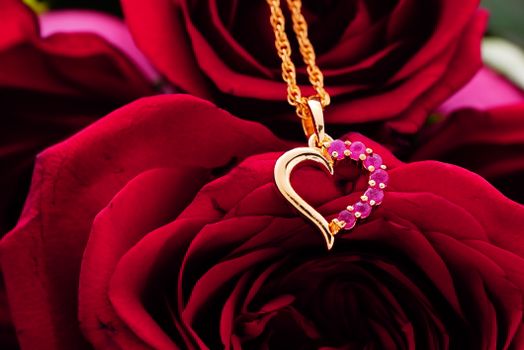 Photo: Arif khan / Pexels
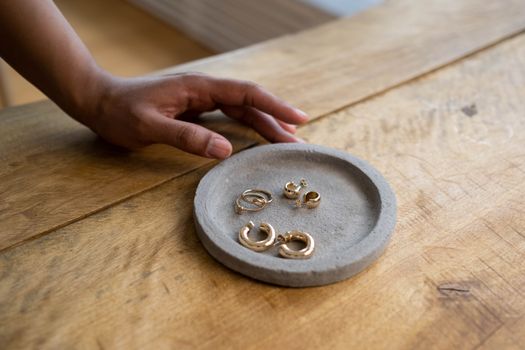 Photo: Ron Lach / Pexels