How to Choose a Diamond for an Engagement Ring: Your Expert Guide
August 21, 2026 18 min read 3,507 words
Unlock the secrets to selecting the perfect diamond, ensuring brilliance, value, and lasting love for your engagement ring.
Start Your Diamond Journey
Demystifying the 4Cs: Your Foundation for Diamond Selection
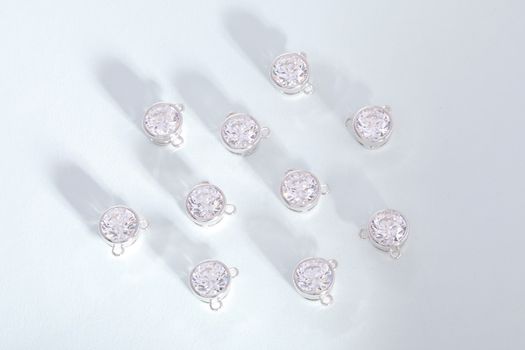 Photo: The Glorious Studio / Pexels
Choosing a diamond for an engagement ring can feel like navigating a maze of technical terms and dazzling options. The most critical starting point is understanding the '4Cs': Cut, Color, Clarity, and Carat Weight. These four factors are universally recognized standards for evaluating a diamond's quality and, consequently, its price. While each 'C' plays a vital role, their relative importance can vary based on individual preferences and budget. Mastering the 4Cs will empower you to make an informed decision and select a diamond that truly sparkles.
Let's begin with Cut, often regarded as the most important of the 4Cs, as it directly influences a diamond's brilliance, fire, and scintillation. Many people confuse cut with the diamond's shape (like round, princess, or oval), but cut refers to how well a diamond's facets interact with light. A well-cut diamond will reflect and refract light optimally, creating that sought-after sparkle. The Gemological Institute of America (GIA) grades cut on a scale from Excellent to Poor. An Excellent cut diamond maximizes its beauty, regardless of its size or clarity. Even a diamond with perfect color and clarity will appear dull if it has a poor cut. When evaluating cut, consider factors like polish, symmetry, and proportions. These elements dictate how light enters and exits the diamond, creating its dazzling effect. Don't compromise on cut; it's the lifeblood of a diamond's sparkle.
Next, we delve into Color. Diamonds are graded on a color scale from D (colorless) to Z (light yellow or brown). The less color a diamond possesses, the rarer and more valuable it generally is. D, E, and F diamonds are considered colorless, while G, H, I, and J are near-colorless. For most engagement rings, diamonds in the G-J range offer excellent value, as their subtle tint is often imperceptible to the naked eye, especially when mounted in a white gold or platinum setting. If your budget allows, moving up to the F or E color can provide a noticeable difference in brilliance and purity. However, a slight warmth in a diamond can be beautifully complemented by a yellow gold setting, making it appear whiter than it truly is. Your personal preference for a completely colorless look versus a slightly warmer tone will guide your color choice. Remember, the goal is to find a diamond that appears white or colorless to you, within your budget.
Explore more about diamond color grading.
Clarity refers to the absence of inclusions (internal flaws) and blemishes (external imperfections) within a diamond. The GIA clarity scale ranges from Flawless (FL) to Included (I3). Flawless diamonds are extremely rare and expensive. For an engagement ring, most buyers aim for diamonds in the VS1 (Very Slightly Included) to SI1 (Slightly Included) range. These diamonds have inclusions that are typically invisible to the naked eye, appearing 'eye-clean.' Moving into the SI2 or I1 range might introduce visible inclusions, which can affect the diamond's brilliance and durability. It's crucial to examine the diamond closely, preferably with a jeweler's loupe, to assess its clarity. The location, size, and type of inclusions all play a role. A small inclusion near the girdle might be less noticeable than a large, dark inclusion in the center of the table. Again, finding an eye-clean diamond within your budget is the optimal strategy. Don't pay for clarity you can't see, but also avoid clarity grades that compromise the diamond's beauty or structural integrity.
Finally, Carat Weight indicates a diamond's weight, not its size. One carat equals 200 milligrams. While a larger carat weight generally means a larger diamond, the actual visible size can be influenced by the diamond's cut and shape. For instance, an elongated oval diamond of 1 carat might appear larger than a round brilliant of the same carat weight. Carat weight often has the most significant impact on a diamond's price, as larger diamonds are rarer. When considering carat weight, balance it with the other 3Cs. A slightly smaller diamond with excellent cut, color, and clarity will often outshine a larger diamond with poorer grades in those areas. Think about the overall aesthetic you desire and how the diamond will look on the wearer's hand. Sometimes, a diamond just under a common carat weight (e.g., 0.90 ct instead of 1.00 ct) can offer significant savings with minimal visual difference. This strategic approach can help you maximize your budget while still achieving a stunning look.
Budgeting, Certification, and Ethical Sourcing: Making Responsible Choices
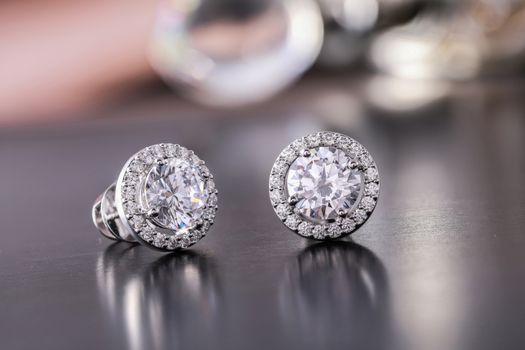 Photo: The Glorious Studio / Pexels
Beyond the technical aspects of the 4Cs, a successful diamond purchase for an engagement ring hinges on three crucial pillars: establishing a realistic budget, ensuring proper certification, and committing to ethical sourcing. Neglecting any of these can lead to buyer's remorse or, worse, inadvertently supporting unethical practices. Approaching these elements with diligence will ensure your diamond is not only beautiful but also a symbol of integrity and responsible choice.
Setting a budget is perhaps the most fundamental step in your diamond journey. Before you even start looking, determine how much you are comfortably willing to spend. Forget the old adage of 'two months' salary'; your budget should reflect your personal financial situation and comfort level. A clear budget allows you to narrow down your options significantly, preventing you from falling in love with a diamond far outside your price range. Once you have a figure, you can strategically allocate funds among the 4Cs. For example, if cut is your highest priority, you might choose to compromise slightly on color or clarity to stay within budget. If size (carat weight) is paramount, you might consider a diamond with a slightly lower color or clarity grade, provided it remains eye-clean. Remember that the setting, which can dramatically enhance or detract from a diamond's appearance, is an additional cost. Factor in sales tax and potential insurance as well. Sticking to your budget ensures that your engagement ring is a joy, not a financial burden.
Certification is non-negotiable when buying a diamond. A diamond certificate, often called a grading report, is an official document from an independent gemological laboratory that details the diamond's characteristics based on the 4Cs. This report provides an unbiased assessment of the diamond's quality, ensuring you get exactly what you pay for. The most reputable and trusted grading laboratories globally are the Gemological Institute of America (GIA) and the American Gem Society (AGS). GIA is renowned for its stringent and consistent grading standards, making its reports the industry benchmark. AGS also maintains high standards, particularly for its cut grading. Avoid diamonds certified by less-known or in-house jewelers' labs, as their grading can be inconsistent or biased. Always insist on a GIA or AGS certificate for any diamond you consider. This document protects your investment and provides peace of mind, verifying the diamond's authenticity and quality.
Ethical sourcing has become an increasingly vital consideration for consumers, and rightly so. 'Conflict diamonds' or 'blood diamonds' are those mined in war zones and sold to finance armed conflicts, often perpetuating human rights abuses. The Kimberley Process Certification Scheme (KPCS) was established to prevent the flow of conflict diamonds by requiring participating countries to certify that rough diamond shipments are conflict-free. While the Kimberley Process has made significant strides, some critics argue its scope is too narrow, focusing only on conflict financing and not broader human rights or environmental issues. Therefore, when purchasing a diamond, it's wise to look for jewelers who go beyond basic KPCS compliance. Many reputable jewelers now offer diamonds with documented origins, often from mines known for responsible labor practices and environmental stewardship. Some even provide Canadian diamonds, which are highly regarded for their ethical sourcing and transparent supply chains. Lab-grown diamonds are another excellent ethical alternative, offering identical optical, chemical, and physical properties to mined diamonds, but without the environmental or social impact associated with mining. Asking your jeweler about their sourcing policies and looking for specific assurances about conflict-free and ethically mined diamonds is crucial. Your engagement ring should symbolize love and commitment, not exploitation.
Learn more about responsible jewelry practices.
Diamond Shapes, Settings, and Personal Preferences: Crafting Your Vision
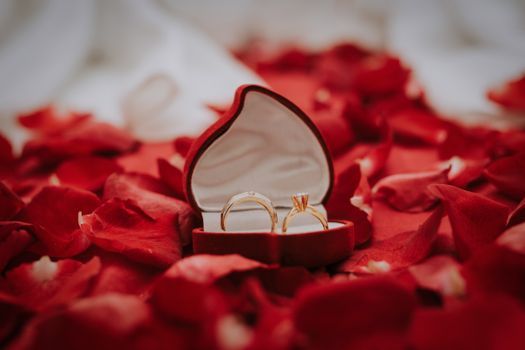 Photo: HONG SON / Pexels
While the 4Cs form the technical foundation for how to choose a diamond for an engagement ring, the aesthetic appeal and personal connection come from selecting the right diamond shape, pairing it with a complementary setting, and integrating your unique preferences. This is where your vision truly comes to life, creating a ring that is not only valuable but also deeply meaningful. Understanding these design elements is crucial to crafting a piece that perfectly reflects your love story and the wearer's style.
Diamond shape is often the first visual characteristic that captures attention, and it's distinct from the diamond's cut grade. Common shapes include the classic Round Brilliant, elegant Princess, romantic Oval, sophisticated Emerald, unique Pear, striking Marquise, timeless Cushion, and bold Asscher. Each shape has its own distinct personality and can dramatically alter the overall look of the ring. For instance, the Round Brilliant is prized for its unparalleled sparkle and brilliance, making it the most popular choice. Oval and Pear shapes can create an illusion of greater size and have a lengthening effect on the finger. Emerald and Asscher cuts, known for their step facets, offer a sophisticated, art-deco appeal with less sparkle but more dramatic flashes of light. Princess cuts provide a modern, angular look. When choosing a shape, consider the wearer's personal style, hand shape, and lifestyle. Does she prefer classic or contemporary? Bold or understated? Practicality is also key; some shapes, like marquise or pear, have pointed ends that can be more prone to chipping if not adequately protected by the setting.
The setting is the metal structure that holds the diamond and forms the rest of the ring. It plays a pivotal role in enhancing the diamond's beauty, providing protection, and defining the ring's overall aesthetic. Popular setting styles include the Solitaire, which showcases a single diamond prominently; the Halo, where a circle of smaller diamonds surrounds the center stone, making it appear larger and adding sparkle; the Pave, featuring tiny diamonds set closely together to create a continuous sparkle; and the Three-Stone setting, symbolizing the past, present, and future. Other options include Bezel settings, which offer excellent protection for the diamond's edges, and Tension settings, which give the illusion of the diamond floating. The choice of metal—platinum, white gold, yellow gold, or rose gold—will also impact the diamond's appearance. White metals (platinum, white gold) tend to enhance the whiteness of a diamond, while yellow or rose gold can complement diamonds with a warmer tint. Consider the wearer's existing jewelry collection and skin tone when selecting the metal. The setting should not only be beautiful but also secure and comfortable for everyday wear.
Ultimately, the best diamond is one that resonates with you and your partner. Personal preferences should guide your final decision above all else. This isn't just about technical specifications; it's about finding a diamond that evokes emotion and feels right. Perhaps you prioritize a larger carat weight over perfect clarity, or maybe a unique fancy-colored diamond speaks to your individuality. Some couples value the story behind a vintage diamond, while others prefer the modern appeal and ethical assurances of a lab-grown diamond. Take your time, look at many options, and don't be afraid to ask questions. A reputable jeweler will guide you through the process, educate you without pressuring you, and help you find a diamond that aligns with your aesthetic desires and ethical considerations. The engagement ring is a deeply personal symbol, and its selection should reflect the unique bond it represents. It's not just about the biggest or most expensive; it's about the one that captures your heart and embodies your shared future.
Common Mistakes to Avoid When Buying an Engagement Diamond
Photo: The Glorious Studio / Pexels
Navigating the diamond market can be complex, and it's easy to fall prey to common pitfalls. Being aware of these mistakes can save you money, time, and potential disappointment, ensuring you make a confident and joyful purchase. Here are some critical errors to avoid when choosing a diamond for an engagement ring:
* **Over-prioritizing Carat Weight:** While size is often a primary consideration, fixating solely on carat weight at the expense of cut, color, and clarity is a common mistake. A larger diamond with a poor cut will appear dull and lifeless compared to a smaller, well-cut diamond that sparkles brilliantly. Prioritize cut, then balance the other Cs.
* **Ignoring Diamond Certification:** As discussed, buying an uncertified diamond or one with a dubious certificate is a significant risk. Without a GIA or AGS report, you have no objective guarantee of the diamond's quality, and you could be paying for grades that don't exist. Always insist on proper, reputable certification.
* **Not Setting a Clear Budget:** Starting your search without a defined budget is a recipe for frustration. You'll likely see diamonds you love but can't afford, leading to disappointment. A budget helps you make realistic choices and focus your efforts effectively.
* **Neglecting to View Diamonds in Person (if possible):** While online retailers offer great prices, seeing a diamond with your own eyes can reveal nuances that photos or videos miss. Different lighting conditions, the presence of subtle tints, or the exact sparkle can only be truly appreciated in person. If an in-person viewing isn't feasible, ensure the online retailer has an excellent return policy and high-quality, 360-degree videos.
* **Falling for 'Too Good to Be True' Deals:** Be wary of diamonds priced significantly lower than market value, especially if they claim high grades without reputable certification. These are often scams or involve misrepresented diamonds. If it seems too good to be true, it probably is.
* **Overlooking Ethical Sourcing:** In today's world, the origin of your diamond matters. Not inquiring about ethical sourcing or the Kimberley Process can lead to inadvertently supporting conflict diamonds or unethical practices. Seek out jewelers committed to transparency and responsible sourcing.
* **Forgetting About the Setting:** The cost of the setting can be substantial and needs to be factored into your total budget. Also, the wrong setting can detract from a beautiful diamond, while the right one can enhance it. Consider how the diamond and setting will complement each other.
* **Buying Under Pressure:** Never feel pressured to make a purchase on the spot. A reputable jeweler will give you time to consider your options, compare prices, and feel confident in your decision. Take your time and make an informed choice.
By being mindful of these common missteps, you can approach your diamond purchase with confidence and excitement, securing a truly magnificent and meaningful symbol for your engagement.
