Sparkle at Home: How to Clean Gold Jewelry Safely & Effectively
how to clean gold jewelry at home

Sparkle at Home: How to Clean Gold Jewelry Safely & Effectively

Unlock the secrets to making your gold jewelry gleam like new, using everyday items and simple, proven techniques.

Get Your Gold Sparkling

Key Takeaways

  • ✓ Most gold jewelry can be safely cleaned at home using mild solutions.
  • ✓ Harsh chemicals or abrasive materials can damage gold and gemstones.
  • ✓ Regular cleaning prevents buildup and maintains luster.
  • ✓ Understanding gold purity (karats) is crucial for proper cleaning methods.

How It Works

1
Gather Your Supplies

Before starting, collect all necessary items like mild dish soap, warm water, a soft brush, and a lint-free cloth. This ensures a smooth and efficient cleaning process.

2
Prepare the Cleaning Solution

Mix a few drops of mild dish soap with warm (not hot) water in a small bowl. The water should be comfortably warm to the touch, not scalding.

3
Soak and Gently Scrub

Submerge your gold jewelry in the solution for 15-30 minutes, then use a soft-bristled brush to gently clean crevices. Be thorough but delicate to avoid scratches.

4
Rinse, Dry, and Polish

Rinse the jewelry under cool, running water to remove all soap residue, then pat dry with a soft, lint-free cloth. For extra shine, gently polish with a jewelry polishing cloth.

Understanding Your Gold: Karats and Cleaning Considerations
A close-up view of a manicured hand stamping a personalized tag, emphasizing creativity. Photo: RDNE Stock project / Pexels
Before diving into cleaning methods, it’s essential to understand the type of gold jewelry you possess. Gold purity is measured in karats (k), with 24k being 100% pure gold. However, pure gold is very soft and easily scratched, so it's typically alloyed with other metals like copper, silver, or zinc to increase its durability and create different color variations (yellow gold, white gold, rose gold). Common karats for jewelry include 10k, 14k, and 18k. The lower the karat number, the higher the percentage of other metals in the alloy. This distinction is crucial because these other metals can react differently to cleaning agents. For instance, white gold, which is often plated with rhodium, requires gentler care to preserve its plating. Rose gold, with its copper content, can sometimes be more prone to tarnishing if not cared for properly. Knowing your gold's karat helps you choose the safest and most effective cleaning approach. While most of the methods discussed here are safe for all common karats, extremely delicate pieces or those with intricate settings might warrant extra caution. Always err on the side of gentleness, especially when dealing with antique or heirloom pieces that may have weakened settings or unique finishes. Furthermore, consider any gemstones set in your gold jewelry. Different stones have varying hardness and porosity, meaning a cleaning solution safe for gold might be detrimental to a pearl or an emerald. For example, porous stones like opals or pearls should never be submerged in water for extended periods or exposed to harsh chemicals. Diamonds, being the hardest natural substance, are generally more resilient but still benefit from gentle cleaning. Always identify the gemstones before cleaning. If you're unsure about the type of gold or specific gemstones, a professional jeweler can provide expert advice and even offer specialized cleaning services. Understanding these foundational aspects ensures that your cleaning efforts enhance, rather than diminish, the beauty and longevity of your cherished gold pieces. It's not just about getting it clean; it's about preserving its integrity and sparkle for years to come. For more detailed information on jewelry care, explore our guide on general jewelry care tips to keep all your pieces looking their best.

The Classic Soap and Water Method: Your Everyday Go-To
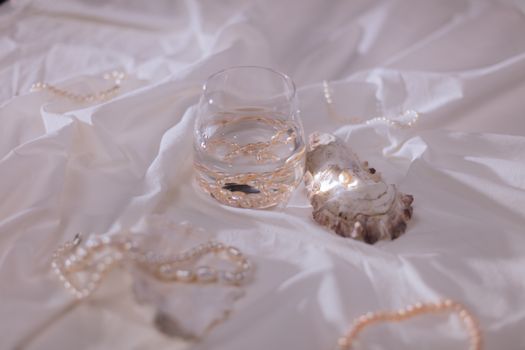
Close-up of pearls and a glass of water on white fabric, featuring seashells. Photo: cottonbro studio / Pexels
The simplest, safest, and often most effective way to clean most gold jewelry at home is with good old-fashioned soap and water. This method is ideal for routine cleaning, removing everyday grime, oils, and lotions that can dull your gold's natural luster. It's gentle enough for almost all types of gold, including yellow, white, and rose gold, and is generally safe for most common gemstones like diamonds, sapphires, and rubies. However, as mentioned before, exercise caution with porous or soft stones like pearls, opals, emeralds, or turquoise; for these, a quick wipe with a damp cloth might be preferred over soaking. To begin, you'll need a small bowl, warm water (not hot, as extreme temperatures can damage certain gemstones or settings), and a few drops of a mild, non-abrasive dish soap. Avoid soaps with harsh detergents, perfumes, or antibacterial agents, as these can leave residues or potentially damage delicate materials. A gentle, clear dish soap is usually best. Mix the soap into the warm water until a few suds appear. Place your gold jewelry into the solution, ensuring it's fully submerged. Let it soak for about 15 to 30 minutes. This soaking period helps to loosen dirt and grime that has accumulated in crevices and on surfaces. After soaking, gently remove the jewelry from the bowl. If there's still visible dirt or grime, especially in intricate designs or around stone settings, use a soft-bristled brush. An old, soft toothbrush works wonderfully for this purpose, or you can purchase specialized jewelry cleaning brushes. Carefully brush away any remaining residue, paying close attention to hard-to-reach areas. Be gentle and avoid aggressive scrubbing, which could scratch the gold or dislodge stones. Once you're satisfied that all dirt has been removed, rinse the jewelry thoroughly under cool, running water. It's crucial to remove all soap residue, as leftover soap can dry and leave a dull film. Finally, pat your gold jewelry dry with a soft, lint-free cloth, such as a microfiber cloth or a jewelry polishing cloth. Avoid paper towels, which can be abrasive and leave fibers behind. For an extra sparkle, you can gently buff the dry piece with a clean, dry polishing cloth. This method is fantastic for regular maintenance, keeping your gold looking brilliant without the need for specialized cleaners.

Beyond Basics: Advanced Techniques and When to Use Them
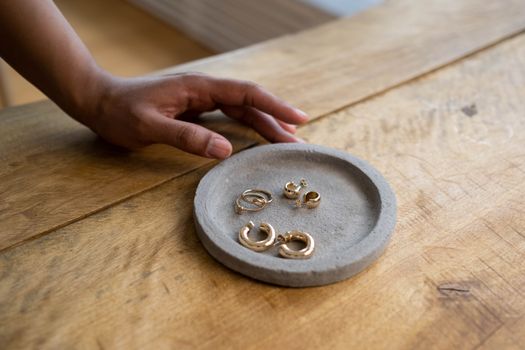
Stylish gold earrings displayed on a wooden table, featuring a hand reaching out. Photo: Ron Lach / Pexels
While the soap and water method is excellent for routine cleaning, sometimes your gold jewelry might need a little extra attention, especially if it's heavily tarnished or has stubborn grime. For these situations, a slightly more advanced approach might be necessary, but always with caution. One popular method involves baking soda, known for its mild abrasive properties and ability to absorb odors. To use baking soda, create a paste by mixing a small amount with warm water. Gently apply the paste to your gold jewelry using a soft cloth or brush, then rinse thoroughly and dry. This method is generally safe for solid gold but should be used with extreme care on plated gold or pieces with delicate gemstones, as the abrasive nature of baking soda can potentially scratch softer surfaces or wear down plating over time. Never use baking soda with pearls, opals, or other soft, porous stones. Another option for removing heavy tarnish, particularly on yellow gold without gemstones, is a gentle aluminum foil and baking soda bath. Line a heat-safe bowl with aluminum foil, shiny side up. Place your gold jewelry on the foil. Sprinkle a tablespoon or two of baking soda over the jewelry, then carefully pour hot (not boiling) water over it until the jewelry is submerged. The chemical reaction between the aluminum, baking soda, and hot water helps to lift tarnish. Let it sit for 5-10 minutes, then remove, rinse, and dry. This method is generally not recommended for white gold (due to rhodium plating) or jewelry with any gemstones, as the heat and chemical reaction can be too aggressive. For white gold, maintaining its rhodium plating is key. Avoid abrasive cleaners. A mild dish soap and water solution is usually sufficient. If the rhodium plating starts to wear off, resulting in a yellowish tint, professional re-plating is the only way to restore its original brilliance. Rose gold, with its copper content, can occasionally develop a darker patina. The soap and water method is usually effective, but for stubborn discoloration, a very diluted solution of lemon juice and water (one part lemon juice to three parts water) can be applied with a soft cloth, followed by immediate rinsing and drying. Always spot-test any new method on an inconspicuous area first, especially with heirloom pieces. Remember, these advanced techniques are for occasional use when basic cleaning isn't enough. Regular, gentle cleaning prevents the need for more aggressive measures. If you're ever in doubt about the best approach for a particular piece, especially valuable or sentimental items, consulting a professional jeweler is always the safest bet. They have specialized tools and knowledge to clean and restore jewelry without causing damage. For deeper insights into cleaning different types of precious metals, refer to our comprehensive guide on cleaning precious metals.

Protecting Your Investment: Storage, Prevention, and Professional Care
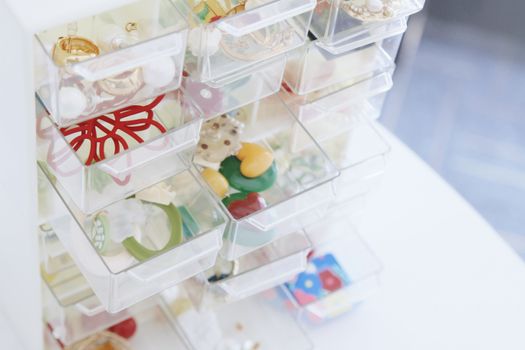
A collection of colorful jewelry pieces organized in transparent storage drawers. Photo: Sheilabox / Pexels
Cleaning your gold jewelry is only half the battle; proper storage and preventative measures are equally crucial for maintaining its sparkle and longevity. How you store your jewelry can significantly impact its condition. Gold, while durable, can still be scratched by harder metals or gemstones. Always store each piece of gold jewelry separately. Use soft pouches, jewelry boxes with individual compartments, or velvet-lined drawers. This prevents pieces from rubbing against each other, which can lead to scratches and dullness. Additionally, exposure to air, humidity, and certain chemicals can accelerate tarnishing or dulling. Keep your jewelry in a cool, dry place, away from direct sunlight and extreme temperature fluctuations. Investing in anti-tarnish strips for your jewelry box can also provide an extra layer of protection, particularly for lower-karat gold that contains more alloys. Prevention is key. Avoid wearing your gold jewelry when performing household chores, especially those involving cleaning products. Chemicals like bleach, ammonia, and even strong soaps can damage gold, discolor it, or weaken settings. Similarly, remove jewelry before swimming in chlorinated pools or saltwater, as both can cause damage and corrosion. Lotions, perfumes, hairsprays, and cosmetics can also leave a film on your gold, attracting dirt and dulling its shine. It's a good practice to put on your jewelry *after* applying these products, allowing them to dry first. Regularly inspecting your jewelry for loose stones, worn prongs, or damaged clasps can prevent loss or further damage. If you notice any issues, address them promptly. While home cleaning methods are effective for routine maintenance, professional cleaning and inspection are invaluable. Jewelers have ultrasonic cleaners and specialized solutions that can reach areas impossible to clean at home, restoring your jewelry to its original brilliance. More importantly, they can perform thorough inspections, identifying potential problems like loose stones or weakened settings before they become serious. Aim for a professional cleaning and inspection once a year, or more frequently for heavily worn pieces like engagement rings. This expert care not only keeps your gold looking its best but also ensures the structural integrity of your beloved pieces, protecting your valuable investment for generations to come. By combining diligent at-home care with periodic professional attention, your gold jewelry will continue to radiate its timeless beauty.

Comparison

FeatureSoap & WaterBaking Soda PasteAluminum Foil BathProfessional Cleaning
Ease of UseVery EasyEasyModerateEffortless for you
CostVery LowVery LowVery LowModerate
Safety for GemstonesHigh (most)Low (soft/porous)Very LowHigh (expert care)
Tarnish RemovalMildModerateHighVery High
FrequencyWeekly/Bi-weeklyMonthly/QuarterlyAnnually (if needed)Annually

What Readers Say

"I used the classic soap and water method to clean my gold wedding band, and it looks absolutely sparkling! I was nervous at first, but following the steps on how to clean gold jewelry at home made it so easy and safe."

Sarah J. · Austin, TX

"My grandmother's gold necklace was looking dull. The baking soda paste trick from this article brought back its shine beautifully. It's amazing how simple it is to clean gold jewelry at home with common kitchen items."

Mark D. · Miami, FL

"I had a heavily tarnished gold bracelet. The aluminum foil and baking soda bath worked wonders! It went from dark and dingy to bright and beautiful in minutes, confirming that you can effectively clean gold jewelry at home."

Emily R. · Seattle, WA

"The soap and water method was great for my everyday gold earrings. While it didn't remove some of the deeper scratches, it definitely made them look much cleaner and brighter, showing the immediate benefit of learning how to clean gold jewelry at home."

David K. · Denver, CO

"I used these tips to clean several gold chains and rings that I hadn't worn in years. The before and after is incredible! I'm so glad I learned how to clean gold jewelry at home instead of paying a jeweler."

Linda P. · Boston, MA

Frequently Asked Questions

What is the safest way to clean gold jewelry at home?

The safest and most recommended method for cleaning gold jewelry at home is using warm water mixed with a few drops of mild, non-abrasive dish soap. Soak the jewelry for 15-30 minutes, gently scrub with a soft brush, rinse thoroughly under cool running water, and pat dry with a lint-free cloth. This method is gentle on most gold types and many common gemstones.

Can I use toothpaste to clean my gold jewelry?

No, it is generally not recommended to use toothpaste to clean gold jewelry. Most toothpastes contain abrasive particles that can scratch the surface of gold, especially higher karat gold which is softer. While it might appear to clean, it can cause microscopic scratches that dull the shine over time. Stick to gentler methods like mild dish soap and water.

How often should I clean my gold jewelry?

The frequency of cleaning depends on how often you wear the jewelry and your lifestyle. For frequently worn pieces like engagement rings, a quick clean with soap and water once a week or every two weeks is beneficial. Less frequently worn items might only need cleaning every few months or as needed when they appear dull. Regular, gentle cleaning is better than infrequent, harsh cleaning.

Is it expensive to clean gold jewelry professionally?

Professional gold jewelry cleaning is typically not very expensive, and some jewelers even offer complimentary cleaning and inspection for pieces purchased from them or as a goodwill gesture. For more intricate pieces or those requiring repair, there might be a fee, but the cost is usually reasonable, especially considering the expertise and specialized equipment involved that can restore your jewelry's luster and identify potential issues.

What's the difference between cleaning yellow gold and white gold?

Yellow gold can generally withstand a wider range of gentle cleaning methods. White gold, however, is often plated with rhodium to give it its bright, silvery-white finish. Abrasive cleaners or harsh chemicals can wear down this rhodium plating, revealing the yellowish gold underneath. Therefore, white gold should primarily be cleaned with very mild soap and water, and re-plating may be necessary every few years to maintain its appearance.

Who should avoid cleaning their gold jewelry at home?

Individuals with extremely valuable, antique, or heirloom gold jewelry, especially pieces with very delicate settings, numerous small stones, or unique, fragile gemstones (like opals, pearls, or emeralds), should consider professional cleaning. If you're unsure about the type of stone or the integrity of the setting, a jeweler's expertise is invaluable to prevent accidental damage.

Can cleaning solutions damage my gold jewelry?

Yes, certain cleaning solutions can damage your gold jewelry. Harsh chemicals like bleach, ammonia (in high concentrations), and abrasive cleaners can corrode gold, especially lower karat gold alloys, or damage delicate gemstones and settings. Always use mild, non-abrasive solutions specifically designed for jewelry or the gentle homemade options discussed to ensure safety.

Are ultrasonic cleaners safe for all gold jewelry?

While ultrasonic cleaners are very effective, they are not safe for all gold jewelry. They work by using high-frequency sound waves to create tiny bubbles that dislodge dirt, which can be too aggressive for certain pieces. Avoid using ultrasonic cleaners on jewelry with soft, porous, or fragile gemstones (like pearls, opals, emeralds, turquoise), pieces with loose settings, or antique jewelry where the settings might be compromised. They are generally safe for solid gold with diamonds, rubies, or sapphires.

Ready to bring back the brilliance? With these expert-backed tips, you now know exactly how to clean gold jewelry at home safely and effectively. Start sparkling today and enjoy the renewed beauty of your precious pieces!

Topics: how to clean gold jewelry at homeclean gold necklacehomemade jewelry cleanerrestore gold shinecare for gold jewelry
Leo List

IE Escorts NO Escorts US Escorts NZ Escorts AU Escorts
Brampton weed
Adultwork EstrelaBet Vai de Bet R7 Bet Betão Galera Bet Rainbet Bet9ja Shop SportyBet BetKing Sisal Loto Foot Hollywoodbets YesPlay Odibets RushBet Jugabet BetWarrior BetCity MSport betPawa Fortebet