✓ Tarnish is a natural chemical reaction, not a sign of poor quality.
✓ Household items like baking soda and vinegar can be highly effective.
✓ Abrasive materials can scratch and damage silver.
✓ Regular, gentle cleaning prevents severe tarnish buildup.
How It Works
1
Identify Your Silver Type and Tarnish Level
Before cleaning, determine if your silver is sterling, fine, or plated, and assess the degree of tarnish. This helps choose the safest and most effective cleaning method.
2
Gather Your Gentle Cleaning Supplies
Assemble non-abrasive cloths, mild dish soap, warm water, and specific ingredients like baking soda or aluminum foil based on your chosen method. Avoid harsh chemicals or brushes.
3
Apply the Chosen Cleaning Technique Carefully
Follow the instructions for your selected cleaning method precisely, ensuring thorough but gentle application. Pay attention to crevices and intricate designs without forcing.
4
Rinse, Dry, and Polish for Lasting Luster
After cleaning, rinse the silver thoroughly with clean water, dry it completely with a soft cloth, and finish with a gentle polish to enhance its shine and prevent future tarnish.
Understanding Silver Tarnish: Why Your Jewelry Loses Its Luster
Photo: Elias Jara / Pexels
Silver, especially sterling silver (which is 92.5% pure silver and 7.5% other metals, usually copper), is prone to tarnishing over time. Many people mistake tarnish for dirt or even a sign of low-quality metal, but it's actually a natural chemical reaction. Tarnish forms when silver comes into contact with sulfur-containing compounds in the air, creating a thin layer of silver sulfide on the surface. This layer can appear as a yellowish hue, then progress to brown, and eventually black, dulling the once brilliant shine of your precious pieces. The rate at which silver tarnishes depends on various factors, including the environment, the wearer's body chemistry, and how the jewelry is stored. High humidity, pollution, rubber, wool, and certain foods (like eggs and onions) can accelerate the tarnishing process. Even the oils from your skin can contribute to tarnish buildup, especially if the jewelry isn't cleaned regularly after wear. Understanding this process is the first step in effective silver care and knowing how to clean silver jewelry at home successfully. It's not about preventing tarnish entirely – that's almost impossible – but rather about managing it and restoring your silver's original beauty. Different types of silver can also influence how quickly and intensely they tarnish. Fine silver (99.9% pure) tarnishes slower than sterling silver because it has less of the reactive copper alloy, but it's also softer and more prone to scratching. Silver-plated jewelry, which has a thin layer of silver over a base metal, also tarnishes, and care must be taken not to wear away the plating during cleaning. Knowing the composition of your silver piece is crucial for selecting the appropriate cleaning method. For instance, aggressive scrubbing might remove the silver plating, leaving the base metal exposed. This foundational knowledge empowers you to approach your silver cleaning with confidence and care, ensuring longevity for your cherished items. Regular inspection of your silver jewelry will help you catch tarnish early, making the cleaning process much simpler and less time-consuming. Don't wait until your silver is completely black to address the issue; proactive care is key to maintaining its exquisite appearance. The good news is that tarnish is only a surface phenomenon and does not damage the underlying silver, meaning your pieces can almost always be restored to their former glory with the right techniques. For more insights on general jewelry upkeep, check out our guide on how to care for your jewelry.
Gentle & Effective: Top DIY Methods for Cleaning Silver at Home
Photo: cottonbro studio / Pexels
When it comes to learning how to clean silver jewelry at home, there are several highly effective and surprisingly simple DIY methods using common household items. These methods are generally safe for most sterling silver pieces, but always exercise caution and test on an inconspicuous area first, especially for antique pieces or those with delicate gemstones. The most popular and often recommended method involves a combination of baking soda and aluminum foil, leveraging a chemical reaction to lift tarnish without harsh scrubbing. For this technique, line a glass or ceramic bowl with aluminum foil, shiny side up. Place your silver jewelry on the foil, ensuring it makes good contact. Sprinkle a generous amount of baking soda (about 1-2 tablespoons for a small bowl) over the jewelry, then slowly pour boiling water over it until the jewelry is submerged. You'll often see a fizzing reaction and may even smell sulfur, which indicates the tarnish is being transferred from the silver to the aluminum foil. Let it sit for 5-10 minutes, then remove the jewelry, rinse thoroughly with clean water, and dry with a soft, lint-free cloth. This method is particularly excellent for intricate pieces where scrubbing is difficult. Another fantastic option for light to moderate tarnish is a simple mixture of mild dish soap and warm water. Add a few drops of mild, phosphate-free dish soap (like Dawn) to a bowl of warm water. Submerge your silver jewelry and let it soak for 5-10 minutes. Use a soft cloth or a very soft-bristled toothbrush (like a baby toothbrush) to gently scrub away any loosened tarnish or dirt. Rinse under clean, running water and dry completely. This method is gentle and safe for most gemstones, though porous stones like pearls or opals should avoid prolonged soaking. For slightly tougher tarnish or a deeper clean, a paste made from baking soda and a little water can be effective. Mix three parts baking soda with one part water to form a thick paste. Apply the paste to your silver jewelry with a soft cloth or sponge, gently rubbing in circular motions. Be very careful not to scrub too aggressively, as baking soda is a mild abrasive and can cause micro-scratches if not used properly. Rinse thoroughly and dry completely. White vinegar, often combined with baking soda, also offers a powerful cleaning solution. Soak your silver in a mixture of 1/2 cup white vinegar and 2 tablespoons of baking soda for 2-3 hours. Remove, rinse, and dry. Remember, always dry your silver immediately and completely after cleaning to prevent water spots and further tarnish. Each of these methods offers a path to sparkling silver, transforming dull pieces into dazzling treasures once more. The key is patience and gentleness, allowing the ingredients to do the work rather than relying on abrasive force.
Beyond Cleaning: Protecting Your Silver Jewelry from Future Tarnish
Photo: Alexey Demidov / Pexels
Cleaning your silver jewelry is only half the battle; understanding how to protect it from future tarnish is equally important for maintaining its shine. Proactive care and proper storage can significantly extend the time between cleanings and keep your pieces looking their best. One of the most crucial steps is proper storage. Air exposure, especially to sulfur-containing compounds, is the primary cause of tarnish. Storing your silver in airtight containers or bags can dramatically slow down the tarnishing process. Small, resealable plastic bags (like Ziploc bags) are excellent for this purpose. For added protection, you can place anti-tarnish strips or silica gel packets inside the bags or jewelry boxes. These absorb moisture and sulfur compounds, acting as a barrier against tarnish. Avoid storing silver in wooden boxes unless they are specifically lined with anti-tarnish fabric, as some woods (like oak) can emit sulfurous gases that accelerate tarnishing. Another significant factor is what your silver comes into contact with. Avoid exposing your silver jewelry to harsh chemicals found in household cleaners, chlorine (in pools or hot tubs), and even some cosmetics, perfumes, and hairsprays. It's a good rule of thumb to put on your jewelry last, after you've applied makeup, lotions, and perfume, and to take it off first before showering, swimming, or doing household chores. The chemicals in these products can not only accelerate tarnish but can also damage the integrity of the silver or any gemstones. Even natural body oils can contribute to tarnish over time, so consider wiping your silver jewelry with a soft polishing cloth after each wear. This simple habit removes oils, sweat, and environmental residues before they have a chance to react with the silver. Regular, gentle polishing with a dedicated silver polishing cloth can also help remove very light tarnish before it becomes severe, effectively buffing away the early stages of oxidation. These cloths are often treated with a mild polishing agent and are designed to be non-abrasive. Remember, prevention is always easier than cure. By implementing these protective measures, you'll find yourself needing to learn how to clean silver jewelry at home far less frequently. Investing in proper storage solutions and adopting mindful wearing habits will ensure your silver pieces remain radiant for years to come. For more on extending the life of your precious items, explore our tips on long-term jewelry preservation.
Common Mistakes and Expert Tips for Sterling Silver Care
Photo: Artem Korsakov / Pexels
While learning how to clean silver jewelry at home can be straightforward, it's equally important to be aware of common mistakes that can inadvertently damage your cherished pieces. Avoiding these pitfalls will ensure your cleaning efforts are productive and safe. One of the most frequent errors is using abrasive materials. Steel wool, harsh brushes, or even very coarse cloths can scratch the surface of your silver, creating tiny grooves where tarnish can accumulate more easily and dulling its shine permanently. Always opt for soft, lint-free cloths, cotton balls, or very soft-bristled toothbrushes. Another mistake is using harsh chemical cleaners, especially those not specifically designed for silver. Ammonia, bleach, and other strong chemicals can strip away patinas, damage gemstones, or even cause discoloration. If you opt for commercial silver cleaners, always choose reputable brands and follow their instructions precisely. Over-soaking is another pitfall, particularly for pieces with glued-in gemstones or composite materials. Prolonged exposure to water or cleaning solutions can loosen adhesives or cause damage to certain types of stones, like pearls, opals, or turquoise, which are porous and can absorb liquids. Always be mindful of the materials in your jewelry before soaking. Lastly, not drying your silver thoroughly after cleaning is a major contributor to new tarnish and water spots. Water left on the surface can accelerate oxidation. Always use a clean, dry, soft cloth to gently buff your silver until it's completely dry before storing it.
Here are some expert tips to elevate your silver care routine:
* **Test First:** Before applying any cleaning method to an entire piece, especially antique or sentimental items, test it on a small, inconspicuous area. This helps ensure there are no adverse reactions.
* **Consider Gemstones:** Jewelry with gemstones requires extra care. Porous stones (pearls, opals, turquoise, amber) should generally avoid immersion in water or chemical solutions. Wipe them gently with a damp cloth and mild soap, then immediately dry. Harder stones like diamonds, sapphires, and rubies are more resilient but still benefit from gentle cleaning.
* **Ultrasonic Cleaners Caution:** While ultrasonic cleaners can be effective for some jewelry, they are not universally safe for all silver. The vibrations can loosen settings, especially with older pieces, and are particularly risky for delicate or glued-in gemstones. Use with extreme caution and only if you are certain your piece can withstand it.
* **Professional Cleaning for Severe Tarnish:** If your silver is heavily tarnished, has intricate designs that are hard to reach, or if you're unsure about cleaning it yourself, consider taking it to a professional jeweler. They have specialized tools and solutions to restore your silver safely.
* **Regular Maintenance is Key:** The best way to prevent severe tarnish is regular, gentle cleaning and proper storage. A quick wipe down after each wear and an occasional deeper clean will keep your silver radiant and minimize the effort required.
Comparison
Feature
Baking Soda & Foil
Mild Dish Soap
Commercial Polish
Ultrasonic Cleaner
Effectiveness on Tarnish
Excellent
Good (Light)
Excellent
Good (Surface)
Safety for Gemstones
Good (Non-porous)
Excellent (Most)
Varies (Check label)
Poor (Risk of damage)
Ease of Use
Medium
Easy
Easy
Medium
Cost
Very Low
Very Low
Medium
High (Initial)
Abrasiveness
✗
✗
✓ (Mild)
✗
What Our Readers Say
5★★★★★
"I had a grandmother's locket that was almost black with tarnish. Following the baking soda and foil method from this guide on how to clean silver jewelry at home, it transformed into a beautiful, shiny piece again. I was truly amazed by the results and how simple it was!"
Sarah J.Austin, TX
5★★★★★
"My silver chain was looking dull and dirty from daily wear. The mild dish soap method worked wonders, bringing back its sparkle without any harsh chemicals. It's so easy to incorporate into my routine now."
Mark D.Chicago, IL
5★★★★★
"I used the baking soda paste on my sterling silver earrings, which had some stubborn spots. After a gentle rub and rinse, they looked brand new! This guide saved me from buying expensive cleaning solutions."
Emily R.Seattle, WA
4★★★★☆
"The tips on storing silver in airtight bags have been a game-changer. While cleaning is still necessary, I've noticed my pieces stay shiny for much longer now. The comprehensive advice is really helpful, even for someone who thought they knew it all."
David K.Miami, FL
5★★★★★
"I was hesitant to clean my antique silver ring myself, but the detailed instructions on how to clean silver jewelry at home reassured me. I used the aluminum foil method, and the tarnish disappeared without any scrubbing. It's sparkling beautifully again!"
Jessica L.Denver, CO
Frequently Asked Questions
What causes silver jewelry to tarnish?
Silver jewelry tarnishes due to a chemical reaction with sulfur-containing compounds in the air, creating silver sulfide on the surface. Factors like humidity, pollution, certain chemicals, and even body oils can accelerate this process, turning the silver dull, yellow, brown, or black.
Is it safe to clean silver jewelry with gemstones at home?
Yes, but with caution. For most hard, non-porous gemstones (like diamonds, sapphires, rubies), gentle methods like mild dish soap and warm water are safe. Porous stones (pearls, opals, turquoise) should avoid prolonged soaking and harsh chemicals; wipe them gently with a damp cloth and dry immediately.
How often should I clean my silver jewelry?
The frequency depends on how often you wear the jewelry and how quickly it tarnishes. For frequently worn items, a quick wipe with a polishing cloth after each wear is beneficial. A deeper clean using DIY methods can be done every few weeks to months, or as soon as you notice tarnish appearing.
Are commercial silver cleaners better than homemade solutions?
Commercial cleaners can be effective, but many contain strong chemicals that might be harsh on delicate pieces or certain gemstones. Homemade solutions, using ingredients like baking soda, aluminum foil, or mild dish soap, are often gentler, safer, and just as effective for most levels of tarnish, making them a cost-effective alternative.
Can I use toothpaste to clean my silver jewelry?
While toothpaste is a common home remedy, it's generally not recommended. Most toothpastes are abrasive and can scratch the surface of your silver, creating micro-grooves that make it more prone to future tarnishing. Stick to softer, non-abrasive methods to protect your jewelry's finish.
Who should use homemade silver cleaning methods?
Anyone looking for an effective, gentle, and cost-efficient way to restore the shine of their silver jewelry without resorting to harsh chemicals or professional services. These methods are ideal for sterling silver, fine silver, and even silver-plated items, provided care is taken.
Will cleaning my silver jewelry reduce its value?
Properly cleaning silver jewelry will not reduce its value; in fact, removing tarnish and restoring its shine can enhance its aesthetic appeal. However, using abrasive methods or harsh chemicals can damage the silver or any gemstones, which could potentially impact its value. Always use gentle, recommended techniques.
Are there new technologies for preventing silver tarnish?
While the core cause of tarnish remains the same, advancements include improved anti-tarnish storage bags and cloths embedded with tarnish-absorbing agents, as well as specialized rhodium plating for some silver pieces to create a protective, tarnish-resistant barrier. However, regular care remains paramount.
Now that you're equipped with the knowledge of how to clean silver jewelry at home, you can confidently restore the brilliance of your cherished pieces. Say goodbye to dullness and hello to dazzling shine – your beautiful silver deserves to sparkle. Start cleaning today!
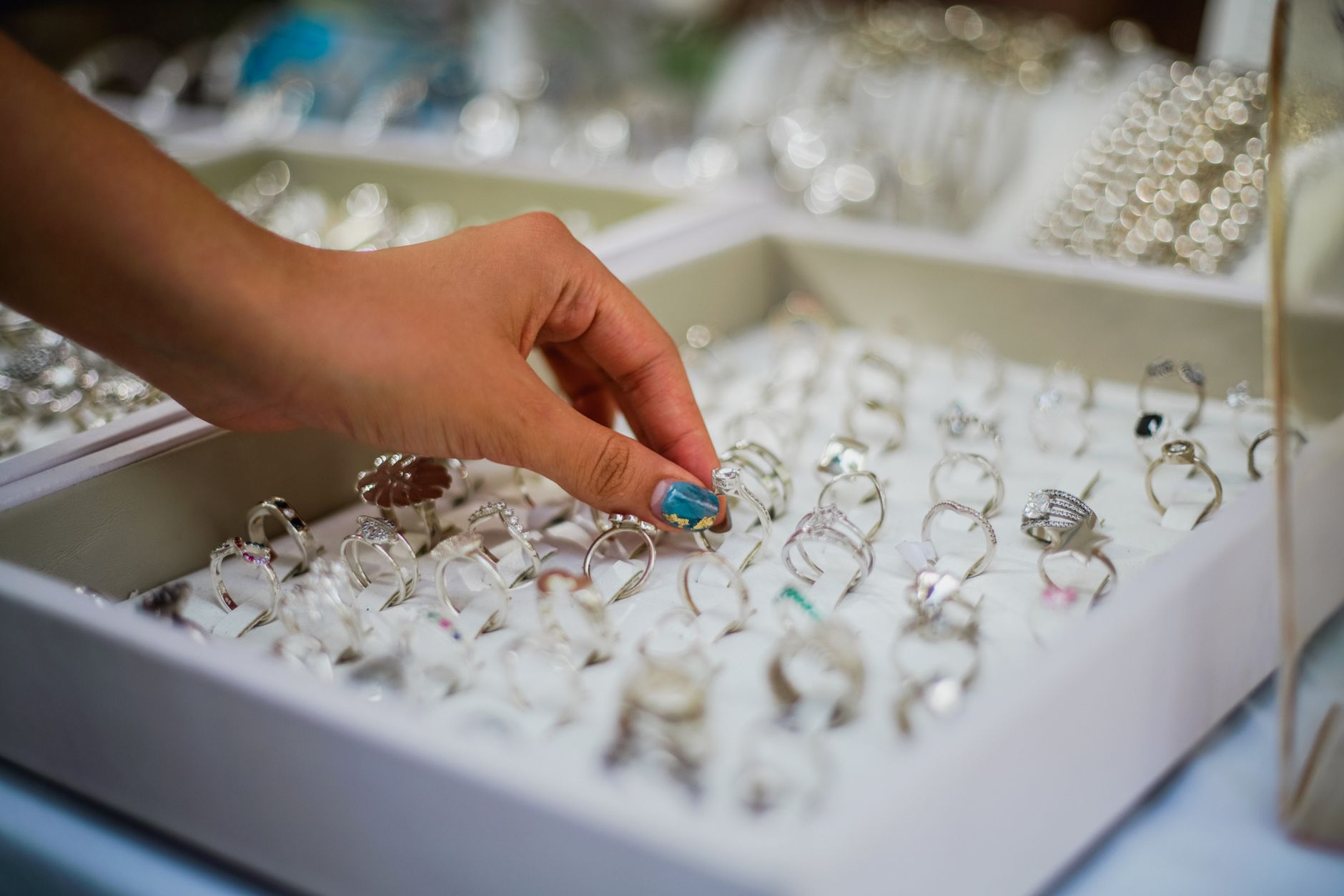
 Photo: Elias Jara / Pexels
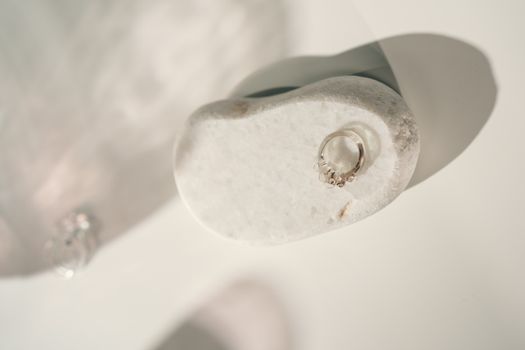 Photo: cottonbro studio / Pexels
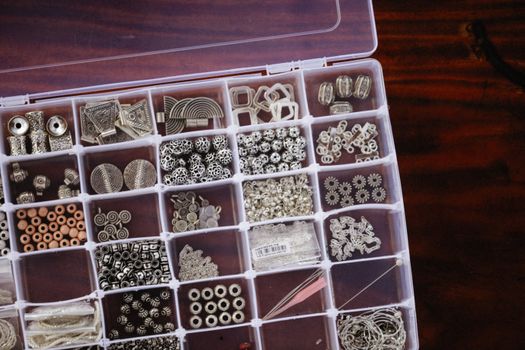 Photo: Alexey Demidov / Pexels
 Photo: Artem Korsakov / Pexels