
How to Identify Real Pearls from Fake: The Ultimate Guide
Unravel the mystery of genuine pearls and confidently distinguish them from imitations with our comprehensive guide.
Discover Pearl SecretsKey Takeaways
- ✓ Real pearls have subtle imperfections, while fakes are often 'too perfect.'
- ✓ The 'tooth test' is a quick, effective way to check for authenticity.
- ✓ Real pearls feel cool to the touch and gradually warm, fakes warm quickly.
- ✓ Luster is the most important indicator of a pearl's quality and authenticity.
How It Works
Before testing, learn the differences between natural, cultured, and imitation pearls. This foundational knowledge will inform your identification process.
Examine the pearl's surface for luster, overtone, shape, and uniformity. Real pearls exhibit nuanced characteristics that fakes struggle to replicate.
Utilize the 'tooth test,' friction test, and temperature test to feel for the authentic texture and thermal properties of genuine pearls.
For high-value or uncertain pieces, consult a certified gemologist. Their professional equipment and experience provide definitive authentication.
The Allure of Pearls: Understanding Genuine vs. Imitation
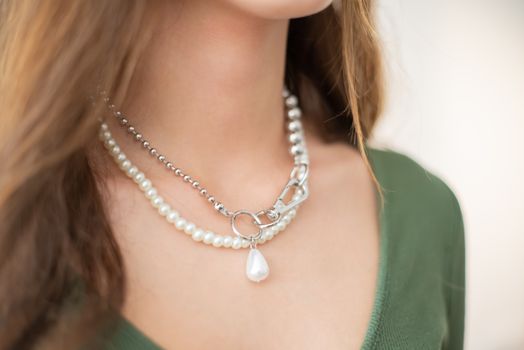 Photo: Kampus Production / Pexels
The Visual Examination: Luster, Overtone, and Surface Characteristics
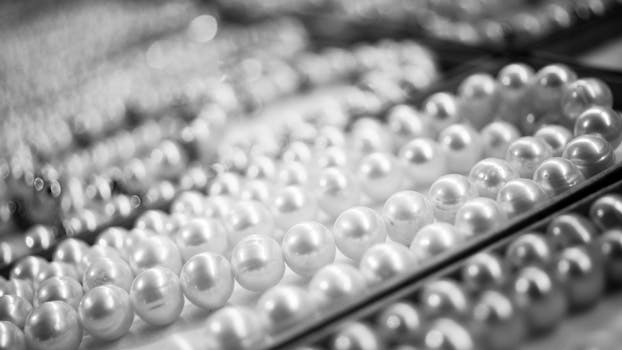 Photo: Khairul Onggon / Pexels
The Touch and Feel: Conducting Physical and Tactile Tests
 Photo: cottonbro studio / Pexels
Advanced Tips and Common Mistakes to Avoid When Identifying Pearls
 Photo: Мария Maria / Pexels
Comparison
| Feature | Real Pearls (Natural/Cultured) | Imitation (Plastic) | Imitation (Glass) |
|---|---|---|---|
| Luster | Deep, soft glow from within, complex | Flat, dull, plastic-like sheen | High, often glassy, surface sheen |
| Surface Texture (Tooth Test) | Slightly gritty, sandy | Perfectly smooth, slick | Perfectly smooth, slick |
| Temperature Feel | Cool to touch, warms slowly | Room temp or slightly warm, warms fast | Cool to touch, warms quickly |
| Imperfections | Subtle blemishes, dimples, growth rings | Rarely any, 'too perfect' | Rarely any, 'too perfect' |
| Weight | Substantial for size | Very light for size | Good weight, often heavier than plastic |
| Overtone | Shifting, translucent colors | Absent or painted on, static | Absent or painted on, static |
| Drill Hole | Slight chipping, visible nacre layers | Clean, smooth, coating might chip | Clean, smooth, no internal structure |
What Readers Say
"This guide truly helped me distinguish my grandmother's pearls from a recent purchase. The 'tooth test' was a game-changer; I instantly felt the difference between the gritty real pearls and the smooth fakes. So grateful for these clear instructions!"
Sarah J. · New York, NY"As someone new to jewelry collecting, I was nervous about buying pearls. This article broke down how to identify real pearls from fake so clearly. I now feel confident in my ability to spot genuine pieces."
Mark D. · Los Angeles, CA"I used the tips here to check an antique necklace I inherited. The detailed explanation of luster and overtone helped me confirm they were real cultured pearls, saving me from a costly mistake at a pawn shop."
Jessica L. · Miami, FL"The information on visual and tactile tests was very thorough. While some fakes are truly convincing, this guide provided enough detail to identify most. The comparison table is especially helpful for quick reference."
David R. · Chicago, IL"I always thought all 'perfect' pearls were real. This article taught me that imperfections are actually a sign of authenticity! It completely changed my perspective on evaluating pearl jewelry."
Emily S. · Houston, TXFrequently Asked Questions
What is the single most reliable way to identify real pearls from fake?
The 'tooth test' is widely considered the most reliable and simplest method. Gently rubbing the pearl against your tooth will reveal a slightly gritty texture if it's real, due to the nacre layers. Fakes will feel perfectly smooth.
Can real pearls be perfectly round and flawless?
While extremely rare and valuable, some high-quality cultured pearls can be very close to perfectly round and have minimal surface imperfections. However, absolute perfection is often a red flag for imitations. Most real pearls will have some subtle unique characteristics.
How do I perform the 'tooth test' without damaging the pearl?
Gently and lightly rub the pearl across the biting edge of one of your front teeth. You don't need to apply much pressure. A real pearl will feel slightly gritty, like fine sandpaper, while a fake will feel completely smooth. Be cautious and avoid excessive force.
Are cultured pearls considered real pearls?
Yes, absolutely. Cultured pearls are real pearls. They are formed by living mollusks, just like natural pearls, and are composed of nacre. The only difference is that their growth process is initiated by human intervention, making them more abundant and accessible than natural pearls.
What's the difference between luster and overtone?
Luster refers to the intensity and quality of light reflected from the pearl's surface and from within its nacre, giving it a deep, soft glow. Overtone is the subtle, translucent color that appears on the surface of some pearls, shimmering over their main body color, adding complexity and depth.
Who should be particularly careful about identifying fake pearls?
Anyone purchasing pearls, inheriting pearl jewelry, or looking to sell pearls should be careful. Collectors, buyers of vintage jewelry, and those looking to invest in fine jewelry will benefit most from knowing how to identify real pearls from fake to protect their investments and ensure authenticity.
Is it safe to use household chemicals to test pearls?
No, absolutely not. You should never use household chemicals or abrasive materials to test pearls. Pearls are delicate and porous, and harsh chemicals can severely damage their luster and surface. Stick to visual and tactile tests, and consult a professional for advanced analysis.
Will pearl identification methods change with new technologies?
While the fundamental characteristics of real pearls remain constant, new manufacturing techniques for imitation pearls might make them visually more convincing. However, the core physical and tactile tests (like the tooth test, temperature, and weight) based on the organic nature of real pearls are likely to remain effective for distinguishing them from synthetic materials.
Empower yourself with the knowledge to confidently tell real pearls from fake. By understanding the nuances of luster, texture, and other key indicators, you can ensure your pearl jewelry is authentic and truly appreciate the timeless beauty of these natural wonders. Don't let imitations diminish your pearl experience; become an expert today.