Safeguard Your Treasures: How to Store Delicate Jewelry
how to store delicate jewelry

Safeguard Your Treasures: How to Store Delicate Jewelry

Protect your precious pieces from damage and preserve their sparkle with these essential, expert storage techniques.

Protect Your Jewelry Now

Key Takeaways

  • ✓ Proper storage prevents tangling, breakage, and loss of delicate jewelry.
  • ✓ Environmental factors like humidity and light accelerate tarnishing and damage.
  • ✓ Individual compartmentalization is crucial for fragile items.
  • ✓ Regular cleaning and inspection before storage extend jewelry lifespan.

How It Works

1
Clean Before Storing

Gently clean each piece of jewelry to remove oils, dirt, and cosmetics. This prevents buildup that can attract moisture and accelerate tarnishing.

2
Separate & Protect

Store each delicate item individually to prevent scratching, tangling, and impact damage. Use soft pouches, compartments, or acid-free tissue.

3
Control Environment

Choose a cool, dry, dark location away from direct sunlight and extreme temperature fluctuations. Consider desiccant packets for high humidity areas.

4
Secure & Organize

Utilize secure storage solutions like jewelry boxes with soft linings, wall-mounted organizers, or drawer inserts to keep items safe and easily accessible.

Understanding the Vulnerability of Delicate Jewelry
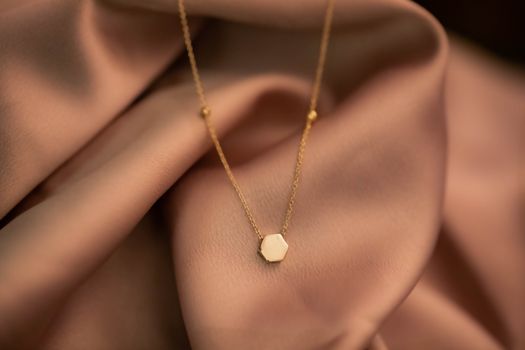
A delicate gold necklace resting on luxurious pink satin fabric. Photo: Maryam / Pexels
Delicate jewelry, by its very nature, demands a higher level of care and consideration when it comes to storage. Unlike robust, chunky pieces, delicate items—think filigree earrings, thin chain necklaces, intricate gemstone settings, or tiny charm bracelets—are inherently more susceptible to damage. Their fragility stems from several factors: the thinness of the metal, the intricacy of their design, the small size of their components, and the often-soft nature of the gemstones they feature. Without proper storage, these beloved pieces face a multitude of threats. Tangling is perhaps the most common and frustrating issue, especially for thin necklaces and bracelets. A tangled chain can quickly lead to kinks, bends, and even breakage as you attempt to untangle it. The delicate links are simply not designed to withstand forceful pulling or knotting. Furthermore, impact damage is a significant concern. A dropped earring, a necklace caught between other items, or a ring jostling against a hard surface can result in bent prongs, dislodged stones, or irreversible structural damage. The fine details that make these pieces so beautiful are often the first to suffer. Abrasion is another silent enemy. When delicate pieces are stored together without separation, their surfaces rub against each other. This friction can lead to scratches, dulling of polished finishes, and even erosion of intricate details over time. This is particularly true for softer metals like high-karat gold or sterling silver, and for softer gemstones. Beyond physical damage, environmental factors play a crucial role in the degradation of delicate jewelry. Exposure to air, humidity, and light can accelerate tarnishing, especially for sterling silver and some gold alloys. Tarnish is not just an aesthetic issue; it can be corrosive and difficult to remove from intricate areas without professional help. Direct sunlight can also fade certain gemstones, altering their color and diminishing their value. Even household chemicals, perfumes, and body lotions can react with metals and stones, causing discoloration or damage if not thoroughly cleaned before storage. Understanding these vulnerabilities is the first step in developing an effective storage strategy. It’s not merely about keeping your jewelry tidy; it’s about preserving its integrity, beauty, and value for years to come. Investing in appropriate storage solutions and adopting mindful habits will protect your precious investments and ensure they remain dazzling every time you wear them. For more insights on general care, check out our guide on essential jewelry care tips.

Essential Storage Solutions for Fragile Keepsakes
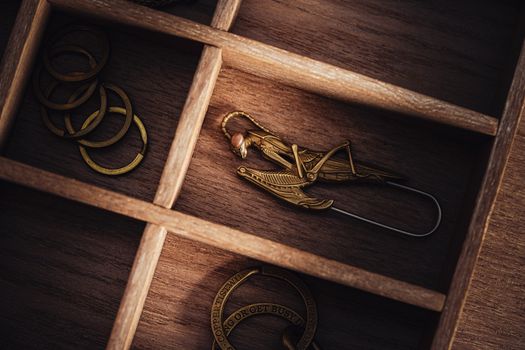
Intricate metal brooch shaped like an insect displayed in a wooden drawer. Photo: COPPERTIST WU / Pexels
Choosing the right storage solution is paramount when learning how to store delicate jewelry effectively. The market offers a wide array of options, each with its own advantages, but the key is to prioritize individual protection and environmental control. One of the most classic and effective solutions is a high-quality jewelry box. Look for boxes with multiple compartments, soft velvet or satin linings, and dedicated slots for rings, earrings, and necklaces. The individual compartments prevent pieces from touching, minimizing scratches and tangles. Drawers with removable dividers or specially designed inserts can transform a regular dresser into a bespoke jewelry storage unit. These allow for custom configurations, ensuring that each delicate item has its own soft-cushioned space. For necklaces, particularly those prone to tangling, necklace trees or stands can be a good option, provided they are placed in a low-traffic area where they won't be easily bumped. However, open-air storage like this means more exposure to dust and air, so it's often best reserved for frequently worn pieces or in conjunction with a dust cover. Another excellent method, especially for travel or for very precious single items, is using individual soft pouches or acid-free tissue paper. Silk, velvet, or flannel pouches offer a soft barrier against scratches and provide a degree of cushioning. When using tissue paper, ensure it is acid-free to prevent any chemical reactions with the metal or stones over time. Labeling these pouches can also make identification easier. For earrings, especially those with delicate posts or intricate dangle designs, earring cards or dedicated earring organizers are ideal. These often feature small holes or slots that keep pairs together and prevent bending of posts. For rings, ring rolls within a jewelry box or a dedicated ring dish (again, in a safe, low-traffic spot) are best. When considering environmental control, desiccant packets (like silica gel) can be placed in jewelry boxes or drawers to absorb excess moisture, which is crucial in humid climates to prevent tarnishing. Always ensure these packets do not directly touch the jewelry. Remember, the goal is to create a secure, stable, and protective environment that isolates each delicate piece from potential harm. This multi-faceted approach ensures that whether your collection consists of family heirlooms or modern minimalist designs, each item receives the meticulous care it deserves.

Optimizing Your Storage Environment to Prevent Damage
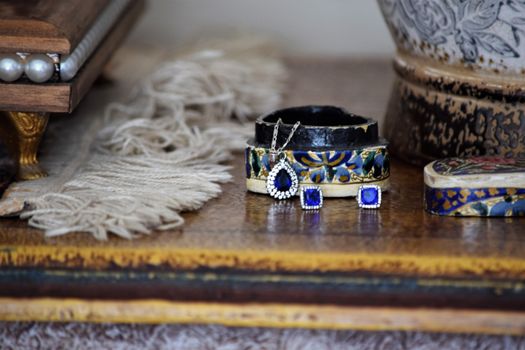
Close-up of elegant jewelry including earrings and pendant on a rustic table setting. Photo: Magali Guimarães / Pexels
Beyond the physical containers, the environment in which you store your delicate jewelry plays a monumental role in its long-term preservation. Ignoring environmental factors can undo all the good work of using specialized storage solutions. The primary concerns are humidity, light, and temperature fluctuations. Humidity is perhaps the biggest enemy of many metals, especially sterling silver, which is highly prone to tarnishing. High moisture content in the air accelerates the oxidation process, leading to the blackening or dulling of your silver pieces. To combat this, always store jewelry in a dry environment. If you live in a humid climate, consider placing small silica gel packets or anti-tarnish strips inside your jewelry boxes or drawers. These absorb excess moisture and chemical pollutants that contribute to tarnish. Replace them periodically as their effectiveness diminishes over time. Direct sunlight is another significant threat. While it might seem harmless, prolonged exposure to UV rays can fade certain gemstones, such as amethyst, topaz, and tourmaline, causing them to lose their vibrant color. It can also dry out organic materials like pearls and opals, leading to cracking or dullness. Therefore, always store delicate jewelry in a dark place, or at least one that is not exposed to direct sunlight. A closed jewelry box, a drawer, or a safe are ideal locations. Temperature fluctuations can also be detrimental. Extreme heat can expand and contract metals, potentially loosening gemstone settings over time. Rapid changes in temperature can also stress certain gemstones. Aim for a cool, stable temperature for storage. Avoid storing jewelry near heat sources like radiators, direct sunlight through a window, or in bathrooms where steam and temperature changes are frequent. The bathroom, despite its convenience, is one of the worst places to store jewelry due to high humidity and fluctuating temperatures. Furthermore, consider the air quality. Pollutants in the air, such as sulfur compounds, can also contribute to tarnishing. Keeping your jewelry in closed containers minimizes this exposure. For very valuable or heirloom pieces, a professional-grade jewelry safe that offers climate control can be an excellent investment. Regularly checking your storage environment and making adjustments as needed is a proactive step in preserving the beauty and longevity of your delicate pieces. For more tips on keeping your treasures pristine, explore our comprehensive guide on jewelry maintenance best practices.

Common Mistakes to Avoid & Smart Organization Tips
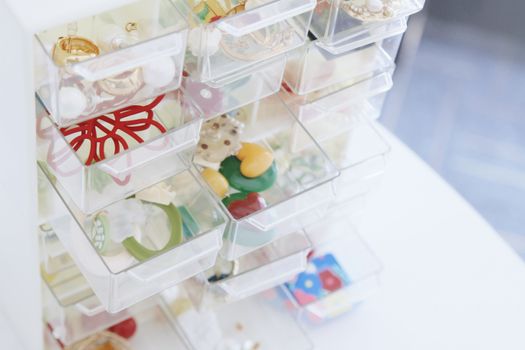
A collection of colorful jewelry pieces organized in transparent storage drawers. Photo: Sheilabox / Pexels
When it comes to how to store delicate jewelry, many common mistakes can inadvertently lead to damage or loss. Being aware of these pitfalls is key to protecting your precious collection. One of the most prevalent errors is simply tossing all jewelry into a single pile or dish. This creates a tangled mess, especially for necklaces and bracelets, and allows pieces to rub against each other, causing scratches and abrasion. Another mistake is storing jewelry in areas with high humidity, such as bathrooms, which accelerates tarnishing and can damage organic gems. Leaving jewelry exposed to direct sunlight for extended periods can fade gemstones and dry out pearls. Failing to clean jewelry before storage is also a common oversight; residual oils, lotions, and dirt can attract moisture and contribute to corrosion or tarnish. Lastly, using improper materials like plastic bags containing sulfur (which can tarnish silver) or non-acid-free tissue paper can be detrimental. To avoid these issues and organize your collection smartly, consider these tips: * **Individual Pouching:** For necklaces, bracelets, and earrings, place each piece in its own soft, lint-free pouch (velvet, silk, or flannel are ideal) or wrap it in acid-free tissue paper. This prevents tangling and scratching. * **Necklace Separators:** If using a jewelry box, look for models with dedicated necklace hooks or slots. For drawers, consider using velvet-lined trays with individual compartments or custom dividers to keep chains separated. * **Earring Boards/Cards:** Use an earring board or specifically designed earring cards to keep pairs together and prevent bending of posts. For studs, small, lidded containers with soft inserts work well. * **Ring Rolls:** Jewelry boxes with ring rolls are perfect for keeping rings upright, protected, and easily accessible. Alternatively, small, soft-lined dishes can work for frequently worn rings. * **Anti-Tarnish Solutions:** Place anti-tarnish strips or silica gel packets in your jewelry storage areas, especially for sterling silver. Remember to replace them every few months. * **Drawer Inserts:** Utilize drawer inserts with various sized compartments to create a custom storage system within your existing furniture. This keeps items organized, flat, and protected. * **Wall-Mounted Organizers:** For those with limited space, wall-mounted organizers can be effective, but ensure they are placed in a climate-controlled area away from direct light and dust, or use enclosed cabinet-style wall organizers. * **Regular Inventory:** Periodically review your collection. Clean pieces, check for damage, and ensure your storage methods are still effective. This also helps you rediscover forgotten treasures. By systematically addressing these common pitfalls and implementing smart organization techniques, you can ensure your delicate jewelry remains beautiful, safe, and ready to wear whenever inspiration strikes.

Comparison

FeatureDedicated Jewelry BoxDrawer InsertsIndividual PouchesOpen Jewelry Stand
Protection from TanglesExcellent (with compartments)ExcellentExcellentFair (for necklaces)
Protection from ScratchesExcellent (soft lining)Excellent (soft lining)ExcellentPoor (exposed)
Environmental ControlGood (enclosed)Good (enclosed)Fair (minimal)Poor (exposed)
Space EfficiencyModerateHigh (uses existing space)High (flexible)Moderate (vertical)
Visibility/AccessibilityGoodGoodLow (requires opening)Excellent
CostModerate to HighLow to ModerateLowLow to Moderate

What Readers Say

"Following these tips on how to store delicate jewelry has been a game-changer for my necklace collection. No more frustrating tangles or searching for matching earrings! My pieces look so much better."

Sarah J. · Austin, TX

"I used to just throw my wife's gifts into a drawer. After reading this, I got her a proper jewelry box with compartments. She loves it, and her delicate chains haven't tarnished since."

Michael R. · Seattle, WA

"My sterling silver pieces were always tarnishing due to the humidity. The suggestion to use silica gel packets in my jewelry box made a huge difference. They now stay shiny for much longer!"

Emily L. · Miami, FL

"The advice on individual pouches is spot on, though it can be a bit time-consuming for very large collections. Still, the protection it offers for my vintage pieces is worth the effort."

David K. · Denver, CO

"As someone who travels frequently, the tips for storing delicate jewelry in individual pouches for travel have saved so many of my necklaces from becoming tangled messes in my suitcase."

Jessica P. · New York, NY

Frequently Asked Questions

What is the absolute best way to store delicate necklaces to prevent tangling?

The absolute best way to store delicate necklaces is to hang them individually or lay them flat in separate compartments. Necklace trees, wall-mounted hooks, or dedicated slots in a jewelry box are excellent. For flat storage, use velvet-lined trays with dividers or individual soft pouches for each necklace to ensure they don't touch or intertwine.

Will storing my jewelry in plastic bags damage it?

It depends on the plastic. Standard Ziploc bags often contain sulfur compounds that can accelerate tarnishing, especially for sterling silver. If you must use plastic, opt for archival-quality, sulfur-free polyethylene bags. However, soft fabric pouches or acid-free tissue paper are generally safer and more recommended for delicate pieces.

How do I prevent my delicate silver jewelry from tarnishing in storage?

To prevent delicate silver jewelry from tarnishing, store it in an airtight container or jewelry box lined with anti-tarnish fabric. Place anti-tarnish strips or silica gel packets inside to absorb moisture and sulfur compounds. Ensure the jewelry is clean and dry before storing, and avoid humid environments like bathrooms.

Is it worth investing in an expensive jewelry box for delicate items?

Investing in a good quality jewelry box, while potentially more expensive upfront, can be highly worthwhile for delicate items. These boxes often feature soft linings, individual compartments, and secure closures that offer superior protection against tangles, scratches, and environmental damage, preserving the value and beauty of your precious pieces for years.

How do jewelry organizers compare to simple drawer storage for delicate pieces?

Dedicated jewelry organizers (boxes, stands, wall units) typically offer superior protection and organization for delicate pieces compared to simple drawer storage. They provide individual compartments, soft linings, and design features specifically aimed at preventing tangles and damage. Simple drawer storage, without proper inserts or pouches, leaves delicate items vulnerable to jostling and tangling.

Who should prioritize learning how to store delicate jewelry?

Anyone who owns delicate jewelry, whether it's fine jewelry, costume pieces, or sentimental heirlooms, should prioritize learning proper storage techniques. This includes collectors, those with valuable investments, and individuals who simply want to preserve the beauty and longevity of their cherished accessories.

Are there any risks associated with using anti-tarnish strips in my jewelry box?

Generally, anti-tarnish strips (like 3M Anti-Tarnish Strips) are safe and effective for protecting jewelry. However, ensure they do not directly touch pearls or opals, as some chemicals might be too strong for these organic gems. Always follow the manufacturer's instructions and replace them regularly for optimal performance.

What are the future trends in delicate jewelry storage?

Future trends in delicate jewelry storage are leaning towards smart, modular, and aesthetically integrated solutions. Expect to see more smart jewelry safes with climate control and biometric access, customizable drawer inserts made from sustainable materials, and elegant, multi-functional display pieces that double as secure storage, blending seamlessly with home decor while offering enhanced protection.

Mastering how to store delicate jewelry is an act of care and preservation. By implementing these expert strategies, you can protect your cherished pieces from damage, maintain their sparkle, and ensure they remain beautiful heirlooms for generations to come. Start safeguarding your treasures today.

Topics: how to store delicate jewelryjewelry storage solutionsprevent jewelry tarnishjewelry care tipsorganize fine jewelry
Leo List
Brampton weed
Adultwork EstrelaBet Vai de Bet R7 Bet Betão Galera Bet Rainbet Bet9ja Shop SportyBet BetKing Sisal Loto Foot Hollywoodbets YesPlay Odibets RushBet Jugabet BetWarrior BetCity MSport betPawa Fortebet