How to Store Fine Jewelry Properly: Your Ultimate Guide
how to store fine jewelry properly

How to Store Fine Jewelry Properly: Your Ultimate Guide

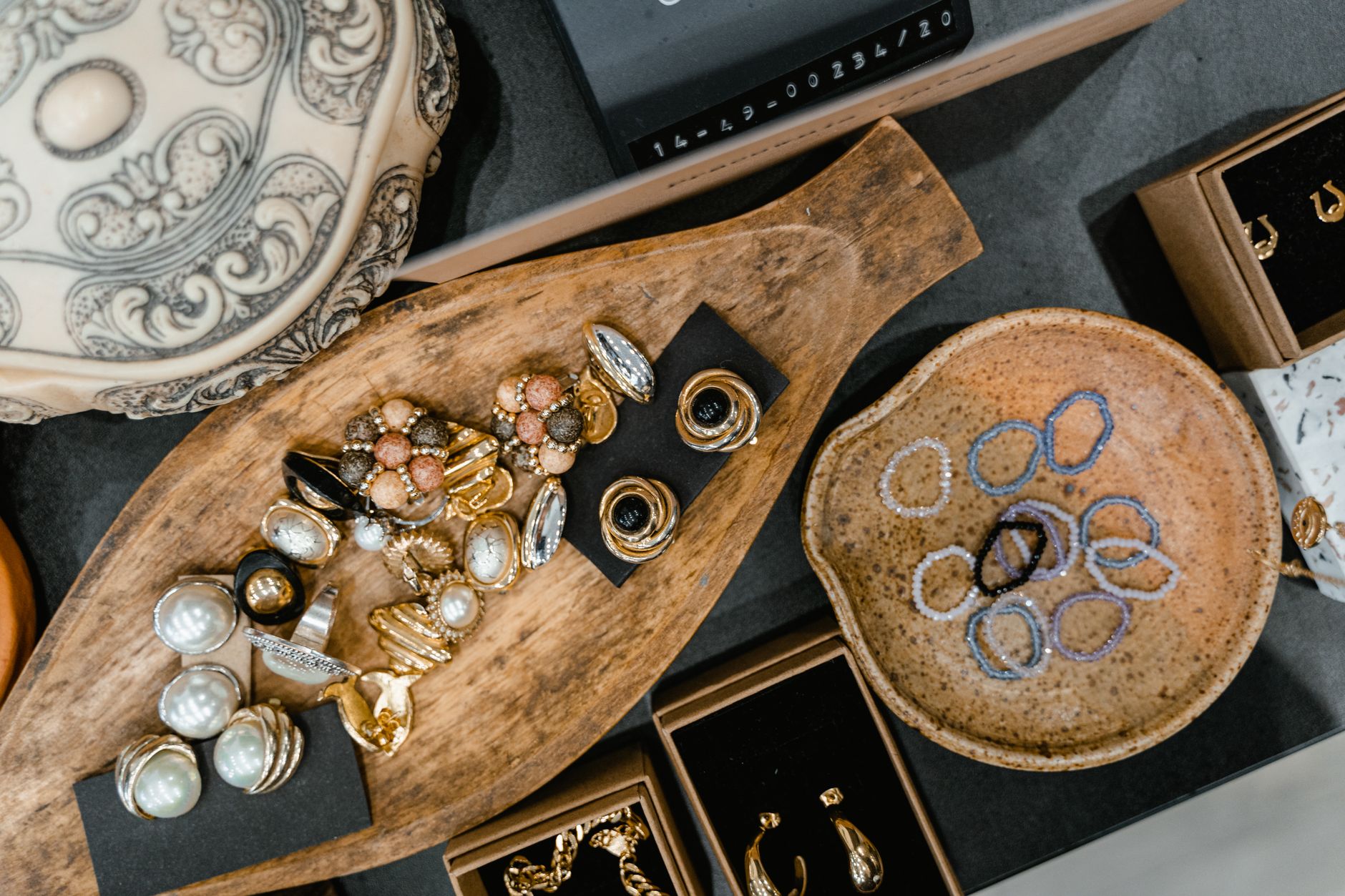
A top view of assorted jewelry including rings and bracelets in a wooden tray and ceramic dish.Photo: MART PRODUCTION / Pexels

How to Store Fine Jewelry Properly: Your Ultimate Guide

Unlock the secrets to preserving your cherished pieces, ensuring they shine brilliantly for years to come.

Discover Your Perfect Storage

Key Takeaways

  • ✓ Proper storage prevents tangles, scratches, and tarnishing.
  • ✓ Humidity and light are major enemies of fine jewelry.
  • ✓ Individual compartments are crucial for delicate items.
  • ✓ Regular cleaning before storage extends jewelry life.

How It Works

1
Assess Your Collection

Categorize your jewelry by metal type, gemstones, and frequency of wear. This helps determine optimal storage needs for each piece.

2
Choose the Right Environment

Select a cool, dry, dark place away from direct sunlight and extreme temperature fluctuations. Avoid humid bathrooms or sunny windowsills.

3
Invest in Quality Storage

Acquire appropriate jewelry boxes, pouches, or organizers with soft, non-abrasive linings. Ensure items are stored separately to prevent damage.

4
Implement a Storage Routine

Clean your jewelry gently before storing, especially after wearing. Periodically check stored items for tarnish or signs of wear.

Understanding the Enemies of Your Precious Metals and Gemstones
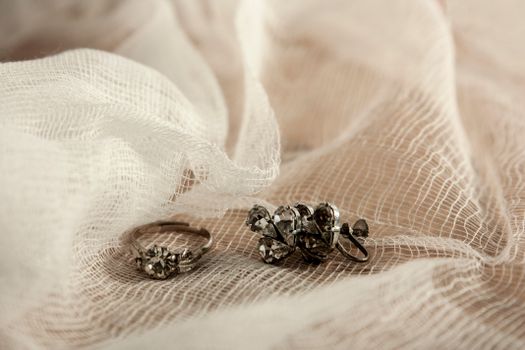
Delicate jewelry displayed on luxurious textured fabric, showcasing elegance.Photo: Karen Laårk Boshoff / Pexels
Storing fine jewelry isn't just about keeping it tidy; it's a critical act of preservation that protects your investment and sentimental treasures from the ravages of time and environmental factors. Many people underestimate the importance of proper storage, often tossing valuable pieces into a single drawer or leaving them exposed on a dresser. However, fine jewelry, by its very nature, is susceptible to damage from a variety of sources. Understanding these 'enemies' is the first step in implementing an effective storage strategy. One of the most insidious threats is humidity. High moisture levels, particularly when combined with air, can accelerate the tarnishing process for silver and some gold alloys. This chemical reaction dulls the metal's luster and can even affect the appearance of certain gemstones. Conversely, extremely dry conditions can sometimes lead to issues like the dehydration of organic gemstones such as pearls and opals, potentially causing them to crack or lose their iridescence. Temperature fluctuations, moving from hot to cold rapidly, can also stress materials, leading to microscopic fractures or loosening of settings over time. Light, especially direct sunlight or strong artificial light, poses another significant danger. Prolonged exposure can fade the color of many gemstones, including amethyst, topaz, and even some sapphires. Pearls can dry out and crack under intense light, and certain metals may also react adversely. Think of your jewelry as delicate works of art that need protection from harsh elements. Physical damage is perhaps the most obvious threat. When jewelry is stored haphazardly, pieces can rub against each other, leading to scratches, dents, and chips. Diamonds, while incredibly hard, can still scratch softer metals and gemstones. Delicate chains can tangle into frustrating knots, often leading to breakage when attempts are made to untangle them. Clasps can bend, prongs can snag, and intricate designs can be compromised. This is why segregation is paramount in any effective storage system. Each piece deserves its own protected space, preventing contact with other items. Chemical exposure is another often-overlooked enemy. Residues from perfumes, hairsprays, lotions, and even cleaning products can degrade metals and dull gemstones over time. Storing jewelry in areas where these products are frequently used, such as a bathroom vanity, exposes them to these harmful agents. Even natural skin oils and sweat, if not cleaned off regularly before storage, can contribute to tarnish and grime buildup. Finally, dust and dirt, while seemingly innocuous, can accumulate in intricate settings, reducing a gemstone's brilliance and requiring more frequent, potentially abrasive, cleaning. A dust-free environment is ideal. By recognizing these common threats – humidity, light, physical contact, chemicals, and dust – you can better appreciate the necessity of strategic storage solutions. Investing in proper storage isn't an extravagance; it's an essential part of preserving the beauty and longevity of your cherished fine jewelry. For more insights on general care, check out our guide on jewelry care tips.

Choosing the Right Storage Solutions for Your Collection
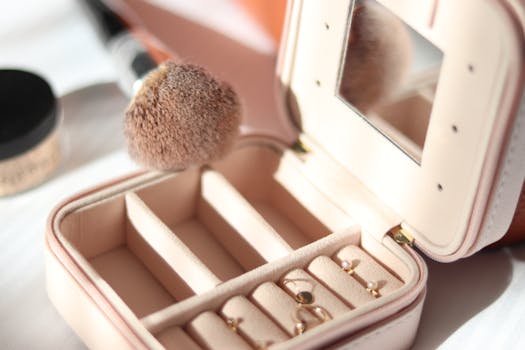
A luxurious jewelry box with earrings and a makeup brush bathed in gentle sunlight.Photo: Pink Press / Pexels
Once you understand the 'why' behind proper jewelry storage, the next step is to explore the 'how' – specifically, what types of storage solutions are best suited for your unique collection. The market offers a vast array of options, from classic jewelry boxes to high-tech safes, each with its own advantages. The key is to match the storage type to the specific needs of your jewelry and your lifestyle. Traditional jewelry boxes remain a popular choice for good reason. Look for boxes lined with soft, anti-tarnish fabric, such as velvet, felt, or flannel. These linings protect against scratches and provide a gentle buffer. The best jewelry boxes feature multiple compartments, drawers, and sometimes even ring rolls or necklace hooks. This compartmentalization is crucial for keeping individual pieces separated, preventing tangles and abrasions. Consider a box with a lock for added security, especially for particularly valuable items. When choosing a jewelry box, assess the size of your collection; you want enough space so pieces aren't crammed together. For necklaces and chains, hanging storage is often the best solution to prevent tangling. Necklace trees, wall-mounted organizers, or even jewelry armoires with dedicated hanging sections allow chains to hang freely, keeping them knot-free and easily accessible. Ensure the hanging points are smooth to avoid snagging delicate links. Smaller items like rings and earrings benefit greatly from specialized organizers. Ring rolls within a jewelry box are perfect for keeping rings secure and preventing them from scratching other items. Earring stands or trays with individual slots ensure pairs stay together and posts don't bend. For stud earrings, foam inserts or specialized earring books can be very effective. Travel-specific storage is also essential. When on the go, a soft, roll-up jewelry case with zippered compartments or individual pouches is ideal. These protect your pieces from the jostling and potential damage that can occur during transit. Avoid throwing all your jewelry into a single pouch in your luggage, as this is a recipe for tangles and scratches. Beyond physical organizers, consider material science. Anti-tarnish strips or cloths can be placed within your storage containers to absorb airborne pollutants that cause tarnishing, especially beneficial for silver. Silica gel packets can help regulate humidity in enclosed spaces, though they need to be replaced or re-dried periodically. For high-value pieces or extensive collections, a home safe or bank safe deposit box might be warranted. Home safes designed for jewelry often come with interior organizational features and fire/water protection. Bank safe deposit boxes offer the highest level of security and are ideal for items worn infrequently or those with extraordinary monetary or sentimental value. Remember, the goal is not just to store but to protect. By thoughtfully selecting and utilizing the right storage solutions, you can significantly extend the life and beauty of your fine jewelry, ensuring it remains as brilliant as the day you acquired it.

Essential Practices for Long-Term Jewelry Preservation
Close-up of a woman's hand holding a blank business card with a blurred background for design mockup.Photo: www.kaboompics.com / Pexels
Proper storage is a cornerstone of fine jewelry preservation, but it's part of a larger ecosystem of care that ensures your pieces remain pristine for generations. Beyond simply choosing the right box, adopting a consistent routine of care and mindful handling is paramount. These essential practices work in tandem with your chosen storage solutions to provide comprehensive protection against wear, damage, and the dulling effects of time. One of the most fundamental practices is cleaning your jewelry before storage. This might seem counterintuitive – why clean something you're putting away? However, oils from your skin, residues from lotions, perfumes, and even microscopic dust particles can accumulate on your jewelry throughout the day. If left on the piece during storage, these substances can accelerate tarnishing, attract dirt, and dull the brilliance of gemstones. A gentle wipe with a soft, lint-free cloth (like a microfiber cloth) is often sufficient for daily cleaning. For deeper cleaning, especially after wearing, use a mild jewelry cleaner specifically designed for your metal and gemstones, or a solution of warm water and a few drops of mild dish soap, followed by a thorough rinse and complete drying. Ensure the piece is absolutely dry before placing it back into storage, as any residual moisture can lead to tarnishing. Another critical practice is to store jewelry individually. We've touched on this, but its importance cannot be overstated. Even within a multi-compartment jewelry box, some pieces might benefit from individual soft pouches or plastic baggies. For instance, silver jewelry, which tarnishes easily, can be stored in anti-tarnish bags or small Ziploc bags with anti-tarnish strips to create a mini-environment that slows oxidation. This also applies to delicate items like pearls, which should always be stored separately from harder gemstones that could scratch their soft nacre. Consider the environment of your storage location. While a jewelry box provides immediate protection, the overall room environment matters. Avoid storing jewelry in bathrooms, where humidity and temperature fluctuations are common. Similarly, direct sunlight from a window can cause fading and drying. A cool, dry, dark place – like a closet or a dresser drawer – is generally ideal. For very valuable or heirloom pieces, climate-controlled storage, such as a home safe with humidity control, can offer an extra layer of protection. Regular inspection is also an often-overlooked practice. Periodically take out your stored jewelry, inspect it for any signs of tarnish, loose stones, or weakened clasps. Catching these issues early allows for timely professional intervention, preventing more significant damage down the line. This is also an excellent opportunity to give your pieces a quick clean and polish. Lastly, be mindful of what your jewelry comes into contact with. Always put your jewelry on after applying perfumes, hairsprays, and lotions, and take it off before engaging in activities like swimming, cleaning with harsh chemicals, or vigorous exercise. These simple habits, combined with thoughtful storage, form a comprehensive strategy for long-term preservation, ensuring your fine jewelry remains beautiful and valuable for years to come. For specific considerations about different materials, refer to our guide on caring for different types of jewelry.

Common Storage Mistakes and How to Avoid Them
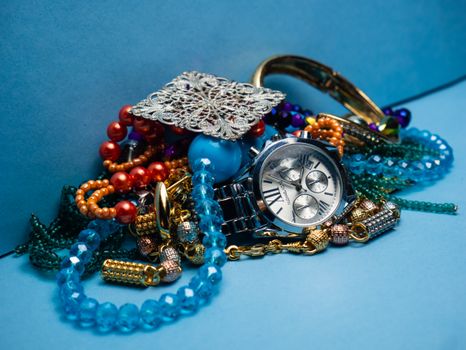
A close-up shot of various colorful jewelry pieces with a stylish wristwatch on blue background.Photo: Stephen Audu / Pexels
Even with the best intentions, it's easy to fall into common traps when storing fine jewelry. Avoiding these pitfalls is just as important as implementing good practices, as a single mistake can lead to irreversible damage or loss of value. By being aware of these frequent errors, you can proactively protect your cherished pieces. Here are some common storage mistakes and how to avoid them: * **Mistake 1: Storing all jewelry together in a pile.** This is arguably the most common and damaging mistake. Rings scratch necklaces, earrings tangle with bracelets, and delicate prongs get bent. * **Solution:** Always store items individually. Use compartmentalized jewelry boxes, soft pouches for each piece, or hanging organizers for necklaces. Ensure each item has its own dedicated space where it won't touch other pieces. * **Mistake 2: Leaving jewelry exposed to air and light.** Many people leave their jewelry on open trays, dressers, or even window sills. This exposes pieces to dust, direct sunlight, and humidity, accelerating tarnishing and fading. * **Solution:** Store jewelry in enclosed boxes or drawers. For silver, use anti-tarnish bags or cloths. Keep storage units away from direct sunlight, heat sources, and high-humidity areas like bathrooms. * **Mistake 3: Storing pearls and opals with other hard gemstones.** Organic gemstones like pearls and opals are softer and more porous than diamonds or rubies. They can easily be scratched by harder stones and can dehydrate in dry environments. * **Solution:** Store pearls and opals separately in soft fabric pouches. They also benefit from slightly higher humidity than other gemstones, so avoid overly dry conditions. Never store them in airtight containers that completely cut off air circulation, as they need a little moisture. * **Mistake 4: Using abrasive or non-acid-free materials for lining.** Some DIY storage solutions might use materials that are not suitable for jewelry, such as certain plastics that can off-gas chemicals or fabrics that are too rough. * **Solution:** Always use jewelry boxes or pouches lined with soft, non-abrasive, anti-tarnish fabrics like velvet, felt, or flannel. Ensure any plastic used is inert and won't react with metals or gemstones. * **Mistake 5: Neglecting to clean jewelry before storing it.** As mentioned previously, skin oils, makeup, and lotions can accumulate and cause damage or dullness over time if not removed. * **Solution:** Make it a habit to gently wipe down your jewelry with a soft, clean cloth after each wear, especially before putting it away for extended periods. Ensure it's completely dry. * **Mistake 6: Storing heavy pieces on delicate hooks or stands.** Overloading jewelry stands with heavy necklaces or bracelets can cause them to bend, break, or even tip over, potentially damaging the jewelry. * **Solution:** Distribute weight evenly. Use sturdy hooks for heavier items and consider separate drawers or boxes for bulkier pieces to avoid stressing display stands. By consciously avoiding these common storage mistakes and integrating the recommended practices, you can ensure your fine jewelry remains as radiant and beautiful as the day you first received it, preserving its aesthetic and intrinsic value for a lifetime.

Comparison

FeatureTraditional Jewelry BoxAnti-Tarnish PouchesJewelry ArmoireBank Safe Deposit Box
Scratch ProtectionExcellent (if lined)ExcellentExcellentExcellent
Tarnish PreventionGood (if anti-tarnish lining)ExcellentGoodGood (climate controlled)
Humidity ControlLimitedLimited (with silica)LimitedExcellent
Security LevelLow-MediumLowMediumHigh
AccessibilityHighHighHighLow
CostMediumLowHighAnnual Fee
Best forDaily wear, organized storageSilver, small itemsLarge collections, displayHigh-value, infrequently worn heirlooms

What Our Readers Say

5 ★★★★★

"This guide completely transformed how I store my grandmother's antique jewelry. Following the advice on individual compartments and anti-tarnish strips has kept everything looking brand new, preventing any further damage."

5 ★★★★★

"Living in a humid climate, I struggled with silver tarnishing. The tip about silica gel packets in my jewelry box was a game-changer for how to store fine jewelry properly. My pieces are now gleaming consistently."

5 ★★★★★

"I used to just toss my necklaces in a drawer, leading to constant tangles. Investing in a proper jewelry armoire with hanging storage, as suggested, has saved me so much time and prevented several broken chains. Highly recommend!"

4 ★★★★☆

"The information on protecting gemstones from light exposure was very insightful. While I still have some open display pieces, I've moved my more sensitive stones to a darker, enclosed box. It’s a good balance for my collection."

5 ★★★★★

"As a frequent traveler, the advice on travel-specific jewelry cases was invaluable. My pieces now arrive at my destination just as I packed them – secure, untangled, and scratch-free. Knowing how to store fine jewelry properly on the go is crucial."

Frequently Asked Questions

What is the single most important rule for how to store fine jewelry properly?
The single most important rule is to store each piece of fine jewelry separately to prevent scratching, tangling, and damage. This means using individual compartments, soft pouches, or dedicated hanging spaces for necklaces, ensuring no two pieces are in direct contact with each other.
Can storing jewelry in a bathroom cause damage?
Yes, absolutely. Bathrooms are typically high in humidity and experience frequent temperature fluctuations, which can accelerate tarnishing of metals like silver and gold, and can be detrimental to organic gemstones like pearls and opals, potentially causing dehydration or cracking. Always choose a cool, dry location.
How do I prevent silver jewelry from tarnishing in storage?
To prevent silver jewelry from tarnishing, store it in anti-tarnish bags or cloths specifically designed to absorb sulfur compounds in the air. You can also place anti-tarnish strips or silica gel packets within an airtight container or jewelry box to further reduce moisture and air exposure. Ensure the silver is clean and dry before storing.
Is it worth investing in a high-quality jewelry box?
Yes, investing in a high-quality jewelry box is definitely worth it. A well-constructed box with soft, anti-tarnish lining and multiple compartments provides superior protection against scratches, tangles, and environmental damage, preserving the beauty and value of your fine jewelry for years to come. Consider it an investment in your investments.
How does storing fine jewelry properly compare to just keeping it in its original box?
While original boxes offer some initial protection, they are often not designed for long-term, comprehensive care. They may lack anti-tarnish lining, individual compartments for multiple pieces, or sufficient environmental protection. Proper storage solutions provide dedicated, climate-controlled, and physically separated spaces for each item, far surpassing the basic protection of an original presentation box.
Who should prioritize learning how to store fine jewelry properly?
Anyone who owns fine jewelry – whether it's a single cherished heirloom, an engagement ring, or an extensive collection – should prioritize learning how to store it properly. This includes individuals who want to preserve the monetary value, maintain the aesthetic beauty, and protect the sentimental significance of their pieces for themselves and future generations.
Are there any risks associated with storing jewelry in plastic bags?
While plastic bags (like small Ziplocs) can be useful for individual segregation and creating an airtight seal to prevent tarnish (especially with anti-tarnish strips), ensure the plastic is inert and doesn't contain sulfur, which can react with some metals. Also, avoid storing pearls or opals in completely airtight plastic, as they need some air circulation to maintain moisture.
What are future trends in fine jewelry storage?
Future trends in fine jewelry storage are leaning towards smart, integrated solutions. Expect to see more jewelry boxes with built-in humidity and temperature sensors, RFID tracking for inventory management, and even biometric locks for enhanced security. Custom modular systems that adapt to evolving collections will also become more prevalent, catering to personalized needs.

Mastering how to store fine jewelry properly is an act of care and preservation. By implementing these expert strategies, you can ensure your cherished pieces remain radiant, secure, and ready to be enjoyed for a lifetime and beyond. Start protecting your precious investments today!

Topics: how to store fine jewelry properlyjewelry storage solutionsprotecting precious metalspreventing jewelry damagejewelry care tips
Leo List
Brampton weed
Adultwork EstrelaBet Vai de Bet R7 Bet Betão Galera Bet Rainbet Bet9ja Shop SportyBet BetKing Sisal Loto Foot Hollywoodbets YesPlay Odibets RushBet Jugabet BetWarrior BetCity MSport betPawa Fortebet