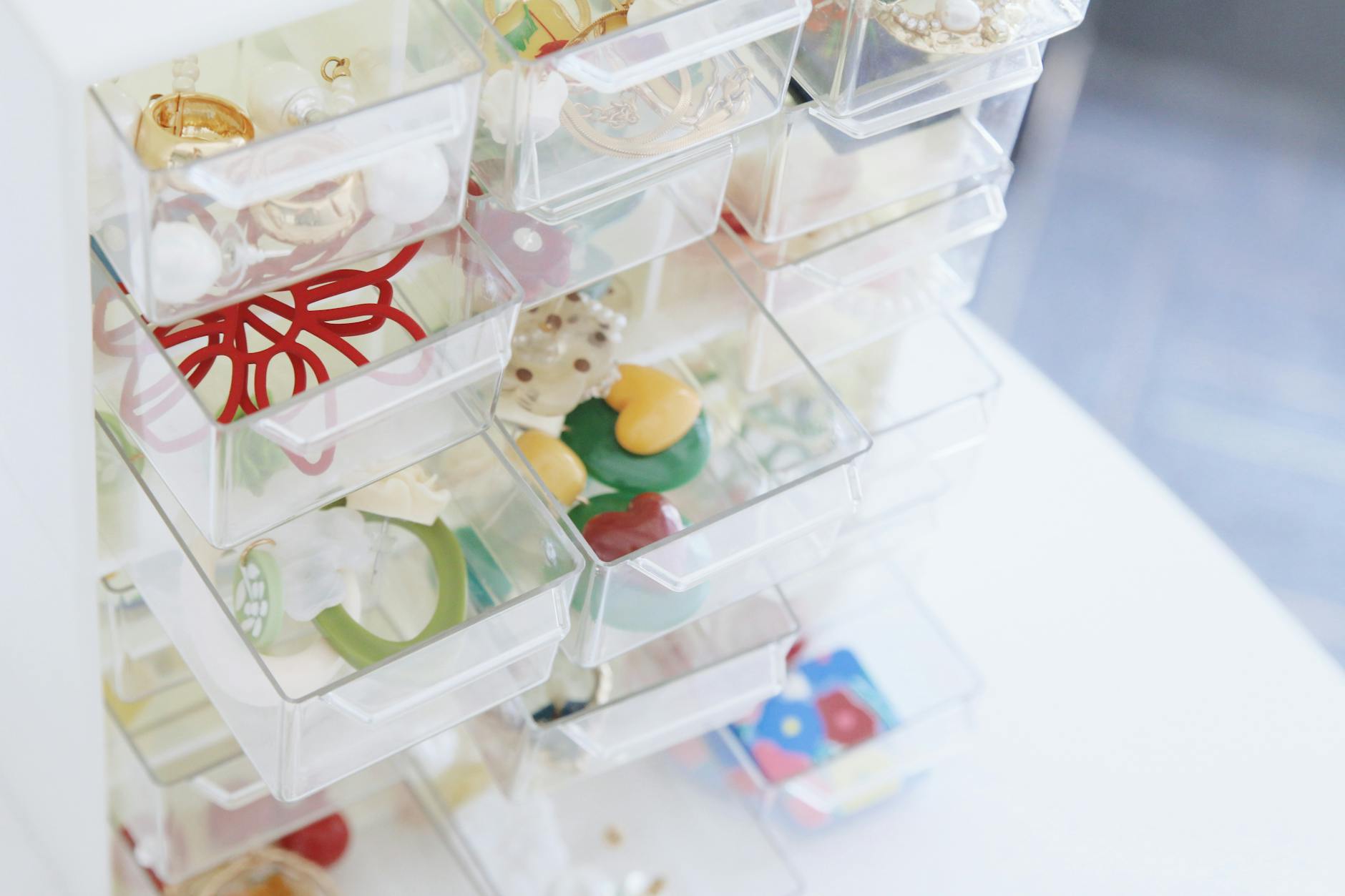
How to Store Jewelry to Prevent Tarnishing Effectively
how to store jewelry to prevent tarnishing

How to Store Jewelry to Prevent Tarnishing Effectively

Unlock the secrets to preserving your cherished jewelry's sparkle and preventing unsightly tarnish with our comprehensive guide.

Protect Your Sparkle

Key Takeaways

  • ✓ Tarnish is a chemical reaction, primarily with sulfur compounds in the air.
  • ✓ Humidity is a major accelerator of tarnishing.
  • ✓ Proper storage involves isolating jewelry from air and moisture.
  • ✓ Different metals react differently to storage conditions.
  • ✓ Regular cleaning and proactive storage are key to prevention.

How It Works

1
Understand the Enemy: Tarnish

Tarnish isn't dirt; it's a chemical reaction forming a dark layer on metal surfaces. It's often caused by exposure to oxygen, sulfur compounds, and moisture.

2
Control the Environment

Minimize exposure to humidity, direct sunlight, and airborne pollutants like household cleaners or perfumes. These elements significantly accelerate the tarnishing process.

3
Choose the Right Storage Medium

Select storage solutions that create a barrier against environmental factors. Options range from airtight containers to anti-tarnish cloths and specialized jewelry boxes.

4
Implement Best Practices

Always clean your jewelry before storing it, and store pieces individually to prevent scratching and chemical transfer. Consistency is crucial for long-term preservation.

Understanding Tarnish: The Enemy of Your Jewelry's Luster
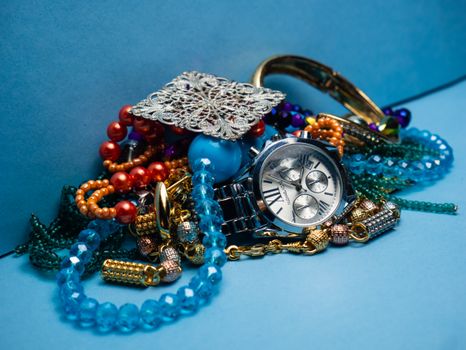
A close-up shot of various colorful jewelry pieces with a stylish wristwatch on blue background. Photo: Stephen Audu / Pexels
Tarnish is a natural chemical process that affects many metals, particularly silver, copper, and some gold alloys. It’s not dirt or rust in the traditional sense, but rather a thin layer of corrosion that forms on the surface of the metal due to a chemical reaction with airborne compounds, primarily sulfur. This reaction creates a dull, darkened appearance, diminishing the brilliance and beauty of your cherished pieces. Understanding the science behind tarnish is the first crucial step in learning how to store jewelry to prevent tarnishing effectively. For instance, sterling silver, a popular choice for many jewelry items, tarnishes because it's an alloy containing 92.5% silver and 7.5% other metals, usually copper. It's the copper that reacts with sulfur-containing gases in the air, forming silver sulfide, which is black. Pure silver (99.9% fine silver) is much less prone to tarnishing, but it's too soft for most jewelry applications. Gold, especially higher karats like 24K, is highly resistant to tarnish. However, lower karat gold, such as 14K or 10K, contains a higher percentage of other metals like copper, silver, or nickel, making it susceptible to tarnishing over time. These base metals react with sulfur and oxygen, leading to a dull or discolored surface. Even platinum, known for its incredible durability and resistance, can sometimes develop a dull film, though it's not true tarnish but rather a buildup of oils and residue. The key culprits in the environment that accelerate tarnishing include humidity, air pollution (especially sulfur compounds from industrial emissions, car exhaust, and even certain foods like eggs and onions), perfumes, hairsprays, lotions, and even the natural oils from your skin. Heat can also speed up these chemical reactions. Therefore, simply leaving your jewelry out on a dresser exposes it to a constant barrage of these tarnishing agents. By grasping these fundamental principles, you can begin to appreciate why proper storage isn't just about organization, but about creating a protective micro-environment for your valuable possessions. Every piece of jewelry, whether it's a family heirloom or a recent acquisition, deserves thoughtful care to maintain its sparkle and extend its lifespan. Ignoring these factors will inevitably lead to more frequent cleaning, which itself can contribute to wear and tear on your jewelry over time. Proactive prevention through intelligent storage is always more effective than reactive cleaning. This foundational knowledge empowers you to make informed decisions about the best ways to safeguard your collection, ensuring that its beauty endures for years to come.

Creating the Ideal Environment: Key Factors for Anti-Tarnish Storage
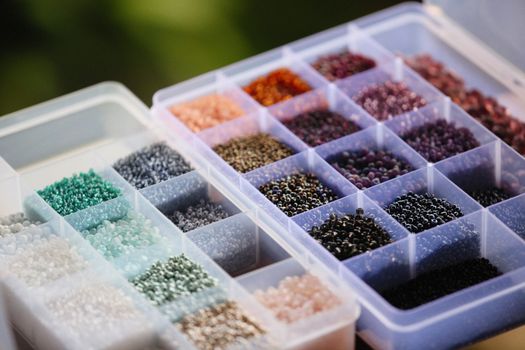
A close-up of a variety of colorful beads arranged in an organizer box, ideal for craft and jewelry making. Photo: Alexey Demidov / Pexels
Once you understand what causes tarnish, the next logical step in learning how to store jewelry to prevent tarnishing is to control the environmental factors that contribute to it. The goal is to create a stable, protected environment for each piece. The primary factors to manage are air exposure, humidity, and chemical contaminants. First and foremost, air exposure is a significant catalyst for tarnish. The sulfur compounds and oxygen in the air are what react with your metals. Therefore, minimizing contact with air is paramount. This doesn't mean creating a vacuum-sealed chamber for every piece, but it does mean choosing storage methods that provide an effective barrier. Secondly, humidity is an accelerator. Moisture in the air acts as a medium for chemical reactions, speeding up the tarnishing process. This is why bathrooms, where steam and humidity are consistently high, are arguably the worst places to store jewelry. Even bedrooms can fluctuate in humidity, especially during seasonal changes. Aim for a dry environment. Consider using desiccants, like silica gel packets, within your storage containers to absorb excess moisture. These are often found in new shoe boxes or electronics packaging and can be reused by drying them out in an oven. Thirdly, chemical contaminants are pervasive. Household cleaning products, chlorine from swimming pools, perfumes, hairsprays, lotions, and even certain types of fabrics can all emit compounds that accelerate tarnish. Always apply lotions, perfumes, and hairspray before putting on your jewelry, and remove jewelry before cleaning or swimming. Storing jewelry away from these common household chemicals is crucial. Direct sunlight and extreme temperature fluctuations are also detrimental. Sunlight can fade gemstones, and rapid changes in temperature can cause condensation to form inside storage containers, introducing unwanted moisture. Therefore, a cool, dark, and dry location, like a dresser drawer or a closet, is generally preferred over a sunny windowsill or a spot near a heat vent. When considering how to store jewelry to prevent tarnishing, think about these environmental controls as layers of protection. Each layer you add, from an airtight container to a humidity absorber, contributes to a more stable and less reactive environment for your precious items. This holistic approach ensures that you're not just addressing one aspect of tarnish prevention, but rather creating a comprehensive defense against its formation, preserving the brilliance and value of your entire collection.

Choosing Your Arsenal: Effective Anti-Tarnish Storage Solutions
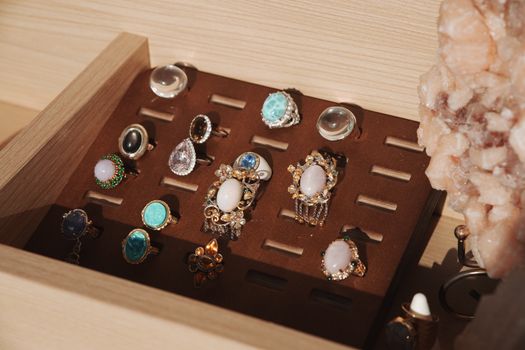
A neatly organized jewelry box showcasing various gemstone rings with a natural crystal accent. Photo: 光术 山影 / Pexels
With a solid understanding of tarnish and environmental controls, it's time to explore the various practical solutions available for how to store jewelry to prevent tarnishing. The market offers a wide range of options, each with its own advantages, and the best choice often depends on the type of jewelry, its value, and your personal preferences. One of the most effective and widely recommended methods is using anti-tarnish bags or cloths. These are typically made from specially treated fabric that absorbs sulfur compounds from the air, creating a protective micro-environment around your jewelry. They come in various sizes, from small pouches for individual pieces to larger wraps for necklaces and bracelets. Many high-quality jewelry boxes are also lined with anti-tarnish fabric. These boxes often feature individual compartments, which is an added benefit for preventing scratching and tangling, further enhancing the longevity of your jewelry. Airtight containers are another excellent option. These can range from simple plastic zip-top bags (ensure they are PVC-free, as PVC can emit gases that accelerate tarnish) to specialized airtight jewelry cases. The key here is to minimize the amount of air circulating around the jewelry, thereby reducing its exposure to oxygen and sulfur. For delicate or frequently worn items, individual velvet or soft cloth pouches are ideal. While not fully airtight or anti-tarnish treated, they provide a soft buffer against scratches and prevent pieces from rubbing against each other, which can also accelerate wear. When using these, consider adding a small anti-tarnish strip or a silica gel packet to each pouch for extra protection, especially for silver items. Jewelry boxes, particularly those with multiple compartments and soft linings, are a classic and elegant storage solution. Look for boxes specifically advertised as 'anti-tarnish' or 'tarnish-resistant.' These will often have treated linings. If your box isn't treated, you can line it yourself with anti-tarnish cloth or place anti-tarnish strips within each compartment. For very valuable or delicate pieces, consider a safe or a bank safe deposit box. These provide not only protection against tarnish (especially if you include anti-tarnish measures within the storage) but also security against theft. Ultimately, the best storage solution is often a combination of these methods. For everyday wear, a well-organized jewelry box with anti-tarnish lining might suffice. For less frequently worn or high-value pieces, individual anti-tarnish bags within an airtight container, stored in a cool, dry place, offers superior protection. Remember that even with the best storage, occasional cleaning and inspection are still recommended to maintain your jewelry's pristine condition.

Practical Tips and Common Mistakes to Avoid in Jewelry Storage

A close-up shot of various colorful jewelry pieces with a stylish wristwatch on blue background. Photo: Stephen Audu / Pexels
Beyond selecting the right tools, mastering how to store jewelry to prevent tarnishing involves adopting a routine of best practices and consciously avoiding common pitfalls. These practical tips will help you maximize the effectiveness of your storage solutions and ensure your jewelry remains radiant. One crucial tip is to always clean your jewelry before storing it. Even if it looks clean, skin oils, perspiration, and residual cosmetics can react with the metal over time, initiating or accelerating tarnish. A quick wipe with a soft, lint-free cloth after each wear can make a significant difference, especially for silver. For deeper cleaning, follow manufacturer instructions for your specific metal and gemstones. Another vital practice is to store items individually. This prevents pieces from scratching each other, which can damage finishes and expose more metal surface to tarnish. It also minimizes chemical transfer between different metals or stones. Use separate compartments, pouches, or anti-tarnish bags for each item. When it comes to common mistakes, storing all your jewelry together in one large, open box or dish is perhaps the most egregious. This exposes everything to air, humidity, and allows pieces to rub against each other, leading to both tarnish and physical damage. Another frequent error is storing jewelry in the bathroom. The high humidity and fluctuating temperatures are a perfect storm for tarnish, as previously discussed. Similarly, leaving jewelry on windowsills or in direct sunlight can cause some gemstones to fade and accelerate tarnish. Neglecting to use anti-tarnish strips or silica gel packets, especially in non-airtight containers or humid climates, is another missed opportunity for prevention. These inexpensive additions can significantly boost your defense against tarnish. Finally, be mindful of what your jewelry touches. Certain materials, like rubber, can emit sulfur and should never be used for jewelry storage. Always opt for soft, non-abrasive, and chemically inert materials for lining or padding your storage. By integrating these simple yet powerful habits into your jewelry care routine, you'll not only prevent tarnish but also protect the structural integrity and aesthetic appeal of your entire collection for years to come. Remember, consistency is key; a little effort regularly goes a long way in preserving the beauty of your precious pieces.

Comparison

FeatureBest Option (Anti-Tarnish Lined Box)Alternative 1 (Airtight Bags + Strips)Alternative 2 (Open Dish/Drawer)
Tarnish PreventionExcellent (Lining absorbs sulfur)Very Good (Airtight seal + chemical absorption)Poor (Direct exposure to air/humidity)
Scratch ProtectionExcellent (Individual compartments/soft lining)Good (Individual bags)Poor (Items rub together)
Humidity ControlGood (Often includes desiccants)Excellent (Seals out moisture, add silica)None
OrganizationExcellent (Structured compartments)Good (Can be labeled)Poor (Tangles, disarray)
CostModerate to HighLow to ModerateVery Low
AestheticsHigh (Often decorative)Low (Functional)Varies (Often cluttered)

What Readers Say

"Before reading this, my silver earrings were constantly tarnished. Now, with anti-tarnish bags and silica packets, they stay sparkling. This guide truly taught me how to store jewelry to prevent tarnishing effectively!"

Sarah J. · Austin, TX

"Living in a humid climate, I struggled with keeping my gold chains from dulling. The tips on airtight containers and humidity control have been a game-changer. My jewelry has never looked better."

Mark D. · Miami, FL

"I used to just toss my jewelry in a drawer, and the tarnish was constant. Following the advice to store pieces individually in anti-tarnish pouches has completely eliminated the problem. It's a small change with a huge impact."

Emily R. · Seattle, WA

"The article provided solid advice, especially about cleaning before storage. I've noticed a significant reduction in tarnish on my sterling silver, though some older pieces still need more frequent polishing than I'd hoped."

David L. · Denver, CO

"As a jewelry maker, I always tell my customers to follow these steps. This guide perfectly outlines the best practices on how to store jewelry to prevent tarnishing, ensuring longevity for their precious purchases."

Jessica M. · New York, NY

Frequently Asked Questions

What is the single most effective way to prevent jewelry from tarnishing?

The single most effective way to prevent jewelry from tarnishing is to store it in an airtight container with an anti-tarnish strip or cloth, ideally after cleaning. This minimizes exposure to oxygen, sulfur compounds, and humidity, which are the primary causes of tarnish.

Is it bad to store different types of metals together?

Yes, it is generally bad to store different types of metals together, especially if they are touching. Metals can react with each other (galvanic corrosion), and some metals or alloys may contain elements that accelerate tarnish on others. Always store pieces individually.

How often should I clean my jewelry to prevent tarnish?

You should wipe down your jewelry with a soft, lint-free cloth after every wear to remove oils and residues. For deeper cleaning, depending on how often you wear it and the type of metal, a more thorough cleaning every few weeks to a few months is advisable, using appropriate cleaning solutions.

Are expensive jewelry boxes really worth it for tarnish prevention?

Expensive jewelry boxes can be worth it if they are specifically designed with anti-tarnish linings and airtight seals. Their value comes from the protective features, not just the price tag. However, more affordable solutions like anti-tarnish bags or airtight containers with anti-tarnish strips can be equally effective.

How do anti-tarnish strips work, and do they really help?

Anti-tarnish strips are typically made from paper or foam impregnated with chemicals that absorb sulfur and other corrosive gases from the air. They create a protective atmosphere around your jewelry within an enclosed space, significantly slowing down or preventing the tarnishing process. Yes, they are very effective.

Who should be most concerned about how to store jewelry to prevent tarnishing?

Anyone who owns sterling silver, lower-karat gold (like 10K or 14K), or copper-based jewelry should be most concerned. These metals are highly susceptible to tarnish. Collectors of valuable or sentimental pieces, regardless of metal type, also benefit greatly from proper storage to preserve their items' condition.

Can storing jewelry in sunlight cause tarnish or other damage?

Yes, storing jewelry in direct sunlight can accelerate tarnish by increasing temperature. More importantly, prolonged exposure to sunlight can fade or alter the color of certain gemstones, such as amethyst, topaz, and tourmaline. Always store jewelry in a cool, dark place.

What are the future trends in anti-tarnish jewelry storage?

Future trends may involve smart storage solutions with integrated humidity and air quality sensors, advanced nano-coatings on storage materials for superior gas absorption, and more sustainable, reusable anti-tarnish technologies. Personalization and modular systems are also likely to evolve for diverse collections.

Don't let tarnish diminish the beauty of your precious pieces. By understanding the causes and implementing these expert strategies on how to store jewelry to prevent tarnishing, you can ensure your collection remains brilliant and beautiful for generations. Start protecting your sparkle today!

Topics: how to store jewelry to prevent tarnishingjewelry storage solutionspreventing silver tarnishjewelry care tipsanti-tarnish jewelry storage
Leo List

IE Escorts NO Escorts US Escorts NZ Escorts AU Escorts
Brampton weed
Adultwork EstrelaBet Vai de Bet R7 Bet Betão Galera Bet Rainbet Bet9ja Shop SportyBet BetKing Sisal Loto Foot Hollywoodbets YesPlay Odibets RushBet Jugabet BetWarrior BetCity MSport betPawa Fortebet