✓ Pure gold (24k) is very soft and rarely used for jewelry.
✓ Hallmarks indicate purity but can be faked.
✓ The magnet test is a quick first step but not definitive.
✓ Acid tests are reliable but require caution and proper kits.
How It Works
1
Initial Visual & Weight Check
Examine for hallmarks and discoloration. Compare its weight to known gold pieces of similar size; real gold is denser.
2
Magnet & Skin Test
Real gold is not magnetic, so a strong magnet can rule out many fakes. A skin test can reveal green discoloration from base metals.
3
Ceramic Plate Scratch Test
Rub the gold gently on an unglazed ceramic plate. A gold streak indicates real gold, while a black streak suggests it's fake.
4
Professional Acid Testing (Advanced)
For definitive results, use a gold testing kit with nitric acid or consult a professional. This method accurately determines karat purity.
Understanding Gold Purity: The Foundation of Authenticity
Photo: Meruyert Gonullu / Pexels
Before diving into tests, it's crucial to understand what makes gold 'real' and how its purity is measured. Gold purity is expressed in karats (k), with 24 karats being 100% pure gold. However, pure 24k gold is incredibly soft and easily scratched or bent, making it impractical for most jewelry. This is why gold is often alloyed with other metals like copper, silver, nickel, or zinc to increase its hardness and durability, as well as to alter its color (e.g., white gold, rose gold). Common karats for jewelry include 10k, 14k, 18k, and 22k. A 14k gold piece, for instance, contains 14 parts gold and 10 parts other metals (14/24ths gold, or approximately 58.3% pure gold). Understanding these proportions is vital because the tests you perform will help you determine not just if it's gold, but roughly what karat it might be. The presence of these other metals can also influence how a piece reacts to certain tests, such as the acid test or even a simple magnet test. For example, some alloys containing high amounts of nickel might show a slight magnetic pull, even if the gold content is real. Therefore, a comprehensive approach, combining multiple tests, is always recommended. Always start with a visual inspection, looking for hallmarks or stamps that indicate the karatage. These markings are usually small and located on inconspicuous areas like the inside of a ring band, on a clasp, or on the back of a pendant. Common hallmarks include '10K,' '14K,' '18K,' '22K,' or '925' for sterling silver (which can sometimes be mistaken for white gold). While hallmarks are a good starting point, they are not foolproof, as counterfeiters can replicate these stamps. However, their absence is often a red flag. Pay attention to the overall condition of the piece; real gold, especially higher karat gold, will not tarnish or rust. Any green, black, or coppery discoloration could indicate a base metal beneath a gold plating. Furthermore, consider the weight. Gold is a dense metal. If a piece feels unusually light for its size, it might not be solid gold. Comparing it to a known gold piece of similar dimensions can offer a preliminary clue. For more insights into different types of jewelry metals, explore our guide on understanding jewelry metals. This foundational knowledge will empower you to interpret your test results more accurately and make informed decisions about your precious items.
Practical At-Home Gold Authenticity Tests
Photo: Karen Laårk Boshoff / Pexels
You don't always need specialized equipment to perform initial checks for real gold. Several simple, at-home tests can provide strong indicators of authenticity. These methods are generally non-destructive and can help you weed out obvious fakes before resorting to more aggressive techniques.
**The Magnet Test:** This is perhaps the easiest and most common initial test. Gold is not magnetic. If your item strongly sticks to a strong magnet (like a rare earth magnet, not a refrigerator magnet), it's highly unlikely to be real gold. However, a piece that doesn't stick isn't automatically real gold, as many other non-magnetic metals exist. This test primarily helps identify items that are definitely *not* gold, or at least not solid gold. Some base metals, like iron or nickel, are magnetic, so a strong pull indicates a significant presence of these non-gold alloys.
**The Skin Test:** This test relies on the chemical reaction of base metals with your skin. Rub the gold item vigorously on a clean patch of skin for a few minutes. If it leaves a black, green, or blue mark, it's likely not real gold. This discoloration is often caused by the oxidation of metals like copper or nickel, which are commonly used in gold plating or lower karat gold alloys. Real gold, being inert, will not react with your skin or leave any discoloration. Be aware that some people might have a reaction to the alloying metals in real gold jewelry (like nickel in white gold), but pure gold itself is hypoallergenic and won't cause discoloration.
**The Ceramic Plate/Scratch Test:** For this test, you'll need an unglazed ceramic plate (the back of a tile or a piece of unglazed pottery works well). Gently drag the gold item across the surface of the plate, applying slight pressure. If it leaves a gold streak, it's likely real gold. If it leaves a black or green streak, it's probably fake or gold-plated with a base metal underneath. The rough surface of the ceramic plate is abrasive enough to rub off tiny particles of metal without damaging the item if done gently. This test is quite effective but should be used with caution on very valuable or antique pieces, as it does remove a minute amount of material.
**The Water Test (Density):** Gold is a very dense metal. You can conduct a simple density test by placing your item in a cup of water. Real gold will sink quickly to the bottom, indicating its high density. Fake gold, often made from lighter metals, will float or sink more slowly. This test is more effective if you can compare the item's weight to a known piece of real gold of similar dimensions. If your item feels significantly lighter than a comparable real gold piece, the water test might confirm your suspicions. Remember, these tests are best used in combination. A piece that passes all of these at-home checks is a strong candidate for being real gold, but for absolute certainty, especially for significant investments, professional evaluation is always recommended.
Advanced & Professional Gold Authenticity Verification
Photo: adrian vieriu / Pexels
While at-home tests offer a good preliminary assessment, for definitive results, especially for high-value items or when purchasing from an unknown source, advanced testing methods or professional verification are indispensable. These methods provide a higher degree of accuracy in determining both authenticity and karatage.
**The Acid Test (Nitric Acid):** This is one of the most reliable and common methods for verifying gold purity. Gold testing kits are readily available and typically include a set of different strength nitric acid solutions, along with a testing stone. To perform the test, you gently rub the gold item on the testing stone, leaving a small, visible streak of the metal. Then, you apply a drop of acid corresponding to a specific karat (e.g., 10k, 14k, 18k) to the streak. Real gold of that karat will show no reaction, or very little. If the streak dissolves or changes color (e.g., green for base metals, milky for silver), it indicates that the metal is either a lower karat than the acid's strength or not gold at all. For example, if you apply 14k acid to a 10k gold streak, it will likely dissolve. If you apply 10k acid to an 18k gold streak, it will remain unaffected. This method requires caution due to the use of strong acids; always wear gloves and eye protection, and work in a well-ventilated area. It's also important to note that this test can slightly damage the surface of the item if not done carefully, especially if you apply acid directly to the piece rather than to a scratch on a testing stone.
**Electronic Gold Testers:** These devices offer a less destructive and often quicker alternative to acid tests. Electronic testers work by measuring the electrical conductivity of the metal, which varies depending on its composition. You typically apply a testing gel to the gold piece and then touch it with the tester's probe. The device then displays a karat reading or indicates whether the item is gold or not. While convenient, the accuracy of electronic testers can vary between models and they may not always distinguish between certain gold alloys or heavily plated items. They are generally good for a quick, non-invasive check.
**X-Ray Fluorescence (XRF) Spectrometry:** This is the most accurate and non-destructive method for analyzing the elemental composition of gold and other precious metals. XRF machines are used by professional jewelers, refiners, and assayers. They emit X-rays that cause the atoms in the metal to fluoresce, and the machine then measures the energy levels of these emitted X-rays to determine the precise percentages of each element present (gold, silver, copper, nickel, etc.). This allows for an exact determination of karat purity without any damage to the item. If you have a high-value piece or need absolute certainty, taking your item to a reputable jeweler or assayer for an XRF test is the best option. They can provide a certified report of your item's composition. For further reading on precious metal analysis, you might find information on professional jewelry appraisal helpful.
Avoiding Counterfeits: Tips and Common Mistakes
Photo: Penumbra Captures / Pexels
Identifying real gold isn't just about performing tests; it's also about being vigilant and understanding the common tactics used by counterfeiters. Knowledge is your best defense against purchasing fake gold.
**Common Counterfeiting Methods:**
* **Gold Plating (GP, GF, HGE):** Many fake gold items are actually base metals (like copper, brass, or nickel) covered with a thin layer of real gold. Over time, this plating can wear off, revealing the underlying metal. Look for markings like 'GP' (Gold Plated), 'GF' (Gold Filled), 'HGE' (Heavy Gold Electroplate), or 'EP' (Electroplated). These indicate that the item is not solid gold. While gold-filled items contain more gold than plated ones, they are still not solid gold.
* **Falsified Hallmarks:** Counterfeiters can stamp fake hallmarks onto base metals to mimic real gold. Always be suspicious of hallmarks that look sloppy, uneven, or are unusually large. Genuine hallmarks are typically crisp and small.
* **Tungsten Core:** Due to its similar density to gold, tungsten is sometimes used as a core for fake gold bars or heavy jewelry, then plated with real gold. This is difficult to detect without specialized equipment like XRF, but density checks can sometimes reveal discrepancies.
**Tips for Buying and Selling Gold:**
1. **Buy from Reputable Sources:** Always purchase gold from established jewelers, reputable dealers, or certified bullion dealers. Avoid suspicious street vendors or online deals that seem too good to be true.
2. **Ask for Documentation:** When buying, request a certificate of authenticity or a detailed receipt that specifies the karatage and weight of the gold.
3. **Inspect Thoroughly:** Before buying, perform a visual inspection for hallmarks, discoloration, and overall craftsmanship. Real gold jewelry usually has a high level of finish.
4. **Educate Yourself:** Understand the market price of gold. If an offer is significantly below market value, it's a major red flag.
5. **Get Professional Appraisals:** For significant purchases or sales, consider getting an independent appraisal from a certified gemologist or appraiser.
**Common Mistakes to Avoid:**
* **Relying on a Single Test:** Never rely on just one test, especially a simple one like the magnet test. Combine multiple methods for a more accurate assessment.
* **Damaging Valuable Items:** Be cautious with abrasive tests like the scratch test or chemical tests like the acid test, especially on antique or delicate pieces. If in doubt, seek professional help.
* **Ignoring Your Gut Feeling:** If something feels off about a piece of gold, trust your instincts. It's better to be safe than sorry.
* **Assuming All Old Gold is Real:** Just because a piece is old doesn't mean it's genuine gold. Fakes have been around for centuries.
By staying informed and exercising due diligence, you can significantly reduce your risk of falling victim to gold counterfeits and ensure the authenticity of your precious metal investments.
Comparison
Feature
Real Gold (10k-24k)
Gold Plated/Filled
Pyrite ('Fool's Gold')
Brass/Copper
Hallmark
Yes (e.g., 10K, 14K, 750)
Often GP, GF, HGE, or none
None
None, or costume jewelry mark
Magnet Test
No reaction (non-magnetic)
No reaction (sometimes slight)
No reaction
No reaction (sometimes slight)
Density/Weight
Very heavy for size
Lighter than solid gold
Lighter than gold
Lighter than gold
Tarnish/Discoloration
No tarnish, no skin mark
Tarnishes, leaves skin mark
No tarnish, no skin mark
Tarnishes, leaves skin mark
Scratch Test (Unglazed Ceramic)
Gold streak
Black/green streak
Greenish-black streak
Dark streak
Acid Test
No reaction (specific karat)
Dissolves/changes color
Dissolves/changes color
Dissolves/changes color
Value
High, investment grade
Low, fashion jewelry
None (mineral curiosity)
Low, costume jewelry
What Readers Say
★★★★★
"This guide on how to tell if gold is real was incredibly thorough! I used the magnet and scratch tests on an old ring and confirmed it was indeed solid gold. The explanations were clear and easy to follow for a beginner like me."
Sarah J. · Austin, TX
★★★★★
"I've always been skeptical about buying gold online. After reading this, I felt confident enough to try the acid test on a recent purchase. It passed with flying colors, and now I know my gold chain is real. Highly recommend!"
Mark D. · Miami, FL
★★★★★
"The section on common counterfeiting methods was an eye-opener. I had a necklace stamped 'GP' that I thought was real gold. This article saved me from making a costly mistake, helping me understand what to look for."
Emily R. · Denver, CO
★★★★★
"While most of the tests were easy, the acid test section was a bit daunting for a first-timer. However, the overall information on how to tell if gold is real is extremely valuable and well-presented. It's a great resource."
David L. · Chicago, IL
★★★★★
"As someone who inherited some old jewelry, I wasn't sure what was real. This guide gave me the tools to sort through it. The density explanation was particularly helpful in identifying heavier, authentic pieces."
Jessica M. · Seattle, WA
Frequently Asked Questions
What is the easiest way to tell if gold is real at home?
The easiest initial tests are the magnet test and the visual inspection for hallmarks. Real gold is not magnetic, so if your item strongly sticks to a magnet, it's likely not real. Also, look for clear karat stamps (e.g., 14K, 18K) which are strong indicators, though not foolproof.
Can fake gold pass the magnet test?
Yes, many base metals used in fake gold, such as copper, aluminum, or lead, are also non-magnetic. Therefore, passing the magnet test only tells you that the item isn't magnetic, not definitively that it's real gold. It's a good first step to rule out obvious fakes, but not a final verification.
How do I perform an acid test safely?
To perform an acid test safely, first, ensure you have a gold testing kit with various acid solutions and a testing stone. Wear protective gloves and eye protection, and work in a well-ventilated area. Rub a small, inconspicuous part of the item on the stone to create a streak, then apply a drop of the appropriate karat acid to the streak. Observe the reaction carefully according to the kit's instructions.
Is it worth getting gold professionally appraised?
Yes, for high-value items, inherited pieces, or when buying from non-reputable sources, a professional appraisal is highly recommended. Jewelers and assayers use advanced equipment like XRF machines for precise, non-destructive analysis, providing definitive proof of authenticity and karatage, which can be crucial for insurance or resale.
How can I differentiate between gold-plated and solid gold?
Gold-plated items often have specific markings like 'GP,' 'GF,' 'HGE,' or 'EP.' The weight test can also help, as plated items will feel lighter than solid gold of the same size. Over time, plated items may show wear, revealing the base metal underneath, especially at edges or high-contact areas, which solid gold does not do.
Who should be concerned about gold authenticity?
Anyone buying, selling, or inheriting gold jewelry, coins, or bullion should be concerned about authenticity. This includes collectors, investors, jewelers, and everyday consumers looking to ensure the value and legitimacy of their precious metal items. Verifying authenticity protects against fraud and ensures fair transactions.
Are there any risks associated with at-home gold testing?
Yes, there are risks. The acid test involves corrosive chemicals that can cause skin burns or eye damage if not handled properly. The scratch test can cause minor damage to the item's surface if done too aggressively. Always prioritize safety, follow instructions carefully, and use these tests judiciously, especially on valuable or delicate pieces.
What are the future trends in gold authenticity verification?
Future trends in gold authenticity verification are moving towards more advanced, non-destructive, and portable technologies. Expect to see more sophisticated electronic testers, miniature XRF devices, and potentially even blockchain-based tracking systems to verify the origin and authenticity of gold, making counterfeiting even harder.
Armed with this comprehensive guide, you now possess the knowledge and tools to confidently assess how to tell if gold is real. Whether you're testing an antique heirloom or a new purchase, apply these methods to protect your investments and enjoy the true brilliance of genuine gold.
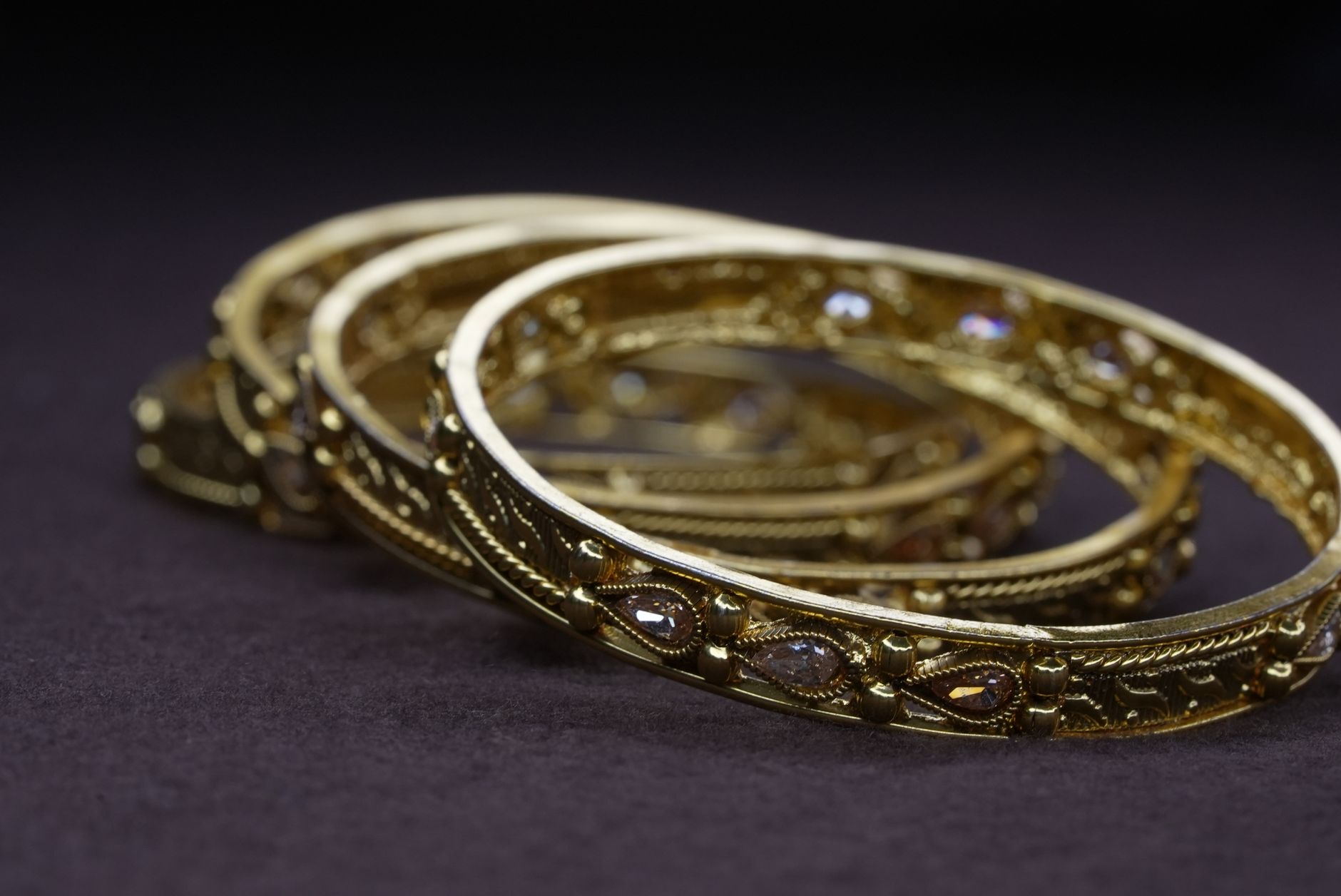
 Photo: Meruyert Gonullu / Pexels
 Photo: Karen Laårk Boshoff / Pexels
 Photo: adrian vieriu / Pexels
 Photo: Penumbra Captures / Pexels