✓ Regular cleaning removes dirt and oils, restoring shine.
✓ Different materials require specific care methods.
✓ Chemicals, even household ones, can damage jewelry.
✓ Professional inspection is vital for longevity.
How It Works
1
Understand Your Jewelry Materials
Before cleaning or storing, identify the metals and gemstones in your pieces. This knowledge is crucial for selecting appropriate care methods and avoiding damage.
2
Implement Daily Wear Practices
Make it a habit to put jewelry on last after applying cosmetics and remove it first before chores or bedtime. This minimizes exposure to harsh chemicals and physical stress.
3
Master Basic Cleaning Techniques
Learn simple at-home cleaning methods using mild soap and water for most metals and non-porous stones. Gentle brushing can dislodge grime effectively.
4
Adopt Smart Storage Solutions
Invest in proper storage like soft pouches, lined boxes, or separate compartments. This prevents scratches, tangles, and exposure to humidity or direct sunlight.
Understanding Your Jewelry: The Foundation of Proper Care
Photo: Oğuz Kandemir / Pexels
Embarking on the journey of jewelry care begins with a fundamental understanding of the pieces you own. Just as you wouldn't use the same cleaning solution for wood and glass, different jewelry materials demand distinct approaches. This foundational knowledge is not merely a suggestion; it's the bedrock upon which effective and safe jewelry maintenance is built. Without it, you risk inadvertently damaging your cherished possessions, diminishing their luster, and potentially reducing their lifespan.
Let's delve into the common types of metals and gemstones you'll encounter. Precious metals like gold, silver, and platinum are popular choices, each with unique properties. Gold, often alloyed with other metals for strength and color, comes in various karats (e.g., 10K, 14K, 18K, 24K), indicating its purity. Higher karat gold is softer and more prone to scratches but also less likely to tarnish. Silver, particularly sterling silver (92.5% silver, 7.5% other metals), is known for its beautiful sheen but is highly susceptible to tarnishing when exposed to air and humidity. Platinum, a remarkably durable and hypoallergenic metal, is dense and resistant to scratching, making it an excellent choice for everyday wear but also more expensive. Understanding these nuances helps you anticipate their needs. For instance, silver will require more frequent polishing than platinum.
Beyond metals, gemstones present an even broader spectrum of care requirements. Diamonds, the hardest natural substance, are generally robust but can still chip if struck at certain angles. Softer stones like pearls, opals, and turquoise are far more delicate. Pearls, being organic, are sensitive to acids, perfumes, and even natural skin oils, which can dull their nacre. Opals, with their mesmerizing play-of-color, have a high water content and can crack if exposed to extreme dryness or sudden temperature changes. Emeralds, while beautiful, often have natural inclusions (fissures) that make them more brittle and require gentle handling. Even seemingly hardy stones like amethyst or topaz can be damaged by harsh chemicals or ultrasonic cleaners.
Then there are fashion jewelry pieces, often made with plated metals (like gold-plated or silver-plated brass) and synthetic stones. These items typically have a shorter lifespan and require even gentler care to preserve their thin outer layer. Aggressive cleaning or excessive friction can quickly wear away the plating, revealing the base metal beneath. Therefore, for fashion jewelry, the focus shifts more towards protective storage and minimal, very gentle cleaning rather than deep restoration.
Before you even think about cleaning or storing a piece, take a moment to identify what you're working with. If you're unsure, consulting a reputable jeweler can provide invaluable insights. They can identify metals, distinguish between natural and synthetic stones, and even spot any existing damage that might influence your care routine. This initial assessment is a crucial step in developing a personalized and effective care strategy for your entire jewelry collection, ensuring that each piece receives the attention it deserves and remains a treasured possession for years to come. Neglecting this foundational step is akin to guessing a diagnosis; it often leads to ineffective or even detrimental actions.
Everyday Habits: Simple Steps for Long-Term Luster
Photo: cottonbro studio / Pexels
The longevity and brilliance of your jewelry aren't solely dependent on occasional deep cleaning; they are significantly influenced by the small, consistent habits you adopt in your daily routine. These everyday practices act as a preventative measure, minimizing exposure to damaging elements and reducing the need for intensive restoration later on. Think of it as preventative medicine for your precious pieces – a little effort each day goes a long way in maintaining their pristine condition.
One of the most crucial rules is to put your jewelry on last and take it off first. This simple mantra addresses a multitude of common threats. Cosmetics, perfumes, hairsprays, lotions, and even sunscreens contain chemicals that can dull, discolor, or even corrode various metals and gemstones. For instance, alcohol in perfumes can dry out pearls and opals, leading to cracking, while the oils in lotions can create a film on diamonds, diminishing their sparkle. By applying these products and letting them dry or absorb before adorning your jewelry, you create a protective barrier, limiting direct exposure. Similarly, removing jewelry before washing your hands, showering, or bathing prevents soap scum buildup, which can be notoriously difficult to remove from intricate designs and can dull the shine of stones and metals.
Another vital habit involves protecting your jewelry during strenuous activities. Before you hit the gym, engage in gardening, clean the house, or even cook a meal, it's wise to remove rings, bracelets, and necklaces. Physical impact from weights, abrasives from dirt, harsh cleaning chemicals, or even the acidity of certain foods can cause scratches, dents, or chemical reactions that permanently damage your pieces. For example, chlorine from swimming pools is particularly aggressive and can corrode gold alloys and permanently damage silver, turning it black. Even seemingly innocuous tasks like doing dishes can lead to rings slipping off or being exposed to harsh detergents. Creating a designated, safe spot near your sink or by your bedside table for temporary storage can help reinforce this habit.
Humidity and temperature fluctuations are also silent enemies of jewelry. While you can't control the weather, you can control where you store your pieces. Avoid leaving jewelry in bathrooms, which are often humid, or near windows where direct sunlight can cause some gemstones (like amethyst or topaz) to fade over time. Extreme heat can also cause certain stones to crack. Instead, opt for cool, dry places. These small, mindful actions throughout your day accumulate to provide significant protection, ensuring your jewelry remains as radiant as the day you first received it. Developing these habits transforms jewelry care from a chore into an effortless part of your daily life, safeguarding your investments and sentimental treasures.
The Art of Cleaning: Gentle Methods for Every Piece
Photo: Anne van der Valk / Pexels
Once you've mastered the preventative daily habits, the next crucial step in comprehensive jewelry care for beginners is understanding how to clean your pieces effectively and safely. Cleaning isn't just about making your jewelry sparkle; it's about removing the grime, oils, and residues that can build up over time, which not only dull the appearance but can also harbor bacteria and contribute to wear and tear. However, the 'how' is paramount, as aggressive or incorrect cleaning methods can cause irreparable damage. The key principle here is gentleness and specificity to the material.
For most non-porous gemstones and solid precious metals like gold and platinum, a simple warm water and mild soap solution is your best friend. Dish soap, specifically a gentle, non-detergent brand, works wonderfully. Fill a small bowl with warm (not hot) water and add a few drops of soap. Submerge your jewelry for about 10-15 minutes. This allows the soap to break down oils and loosen dirt. For intricate designs or areas around stone settings, use a very soft-bristled brush, such as a baby toothbrush or a specialized jewelry brush, to gently scrub away grime. Always be delicate, especially around prongs or delicate filigree. After scrubbing, rinse the piece thoroughly under cool, running water to remove all soap residue. It's crucial to ensure the drain is plugged or use a strainer to prevent accidental loss. Finally, pat the jewelry dry with a lint-free cloth. Air drying can sometimes leave water spots, especially on silver. This method is generally safe for diamonds, sapphires, rubies, and most gold and platinum items.
Silver, however, requires a slightly different approach due to its propensity to tarnish. Tarnish is a natural chemical reaction that causes silver to darken. While the soap and water method can clean surface dirt, it won't remove tarnish. For tarnished silver, a silver polishing cloth, often impregnated with a gentle polishing agent, is ideal. Rub the tarnished areas gently until the shine returns. For heavily tarnished items, a silver dip solution can be effective, but use it sparingly and follow instructions precisely, as some dips can be quite strong. Never use silver polish on pieces with oxidized (darkened) details, as it will remove the intentional patina. Fashion jewelry with plating should generally avoid polishes or harsh dips, as these can strip the thin metal layer. A quick wipe with a damp, soft cloth is usually sufficient for plated items.
Delicate and porous gemstones like pearls, opals, emeralds, and turquoise demand extreme caution. These stones should never be submerged in water for extended periods, exposed to harsh chemicals, or cleaned with ultrasonic cleaners, which can cause them to crack or lose their luster. For pearls, simply wipe them gently with a soft, damp cloth after each wear. For opals and emeralds, a quick wipe with a barely damp cloth is best, avoiding any scrubbing. Always ensure these stones are completely dry before storage. When in doubt about a specific gemstone, err on the side of caution and consult a professional jeweler. They have specialized knowledge and tools to clean even the most sensitive pieces without damage, ensuring your precious items retain their beauty for generations.
Smart Storage Solutions and Avoiding Common Pitfalls
Photo: Sheilabox / Pexels
Beyond daily habits and cleaning, how and where you store your jewelry plays a monumental role in its long-term preservation. Improper storage is a leading cause of damage, from frustrating tangles to irreparable scratches and even chemical degradation. Think of your jewelry storage as a protective sanctuary, shielding your pieces from the elements and from each other. Investing a little thought and effort into smart storage solutions can save you significant repair costs and heartache down the line.
Here are crucial tips for effective jewelry storage:
* **Separate and Conquer:** The golden rule of jewelry storage is to keep pieces separate. Metal rubbing against metal, or a diamond scratching a softer gemstone, can lead to irreversible damage. Use individual soft pouches, compartmentalized jewelry boxes, or even small plastic baggies for each item. Hanging necklaces on hooks or separate stands can prevent tangles, especially for delicate chains.
* **Control the Environment:** Store jewelry in a cool, dry place away from direct sunlight, extreme temperatures, and high humidity. As mentioned earlier, bathrooms are a no-go. Humidity can accelerate tarnishing for silver and even damage porous stones. Direct sunlight can fade certain gemstones. A bedroom dresser drawer or a closet safe is often an ideal location.
* **Airtight for Silver:** To slow down the tarnishing process for silver, store it in airtight bags or containers, preferably with anti-tarnish strips. These strips absorb airborne pollutants that cause tarnish, extending the time between cleanings.
* **Soft Linings:** Always choose jewelry boxes or pouches with soft, non-abrasive linings like velvet, felt, or silk. This prevents scratches and provides a gentle cushion for your precious items.
* **Avoid Piling:** Resist the urge to simply pile all your jewelry into one box. This is a recipe for tangles, scratches, and broken clasps. Take the extra minute to organize them properly.
**Common Pitfalls to Avoid:**
* **Using Harsh Chemicals:** Never use household cleaning products like bleach, ammonia, or abrasive cleansers on your jewelry. These can severely damage metals, dissolve glues, and etch or discolor gemstones. Even some jewelry cleaners sold commercially can be too strong for certain delicate stones or plated items.
* **Sleeping with Jewelry On:** While tempting, sleeping with jewelry, especially rings and necklaces, can lead to damage. Rings can get caught on bedding, bending prongs or breaking stones. Necklaces can tangle, stretch, or snap. It's best to remove all jewelry before bed.
* **Swimming or Showering with Jewelry:** Chlorine in swimming pools is highly corrosive, especially to gold alloys and silver. Saltwater can also damage metals and stones. Showering exposes jewelry to soap scum and can weaken settings. Always remove jewelry before entering water.
* **Ignoring Professional Check-ups:** Even with the best at-home care, professional maintenance is indispensable. A jeweler can check for loose prongs, worn clasps, and early signs of damage that you might miss. They can also perform deep cleaning and polishing that restore your jewelry to its original glory. Aim for a professional check-up at least once a year, particularly for engagement rings or frequently worn pieces. This proactive step can prevent minor issues from becoming costly repairs.
By implementing smart storage practices and consciously avoiding these common pitfalls, you can significantly extend the life and beauty of your jewelry collection, ensuring that each piece remains a sparkling testament to its intrinsic and sentimental value.
Comparison
Feature
Gold/Platinum
Sterling Silver
Pearls/Opals
Fashion Jewelry
Cleaning Method
Mild soap & water
Silver polish/dip
Damp soft cloth
Damp soft cloth
Tarnish Susceptibility
Low (10K/14K higher)
High
N/A
High (plating)
Water Exposure
Safe (avoid prolonged)
Avoid (accelerates tarnish)
Avoid (damages nacre/cracks)
Avoid (wears plating)
Chemicals/Perfumes
Avoid
Avoid
Strictly Avoid
Strictly Avoid
Storage Needs
Separate, dry place
Airtight, anti-tarnish
Separate, humid-free
Separate, dry, soft
What Readers Say
★★★★★
"These jewelry care tips for beginners are a lifesaver! I used to just toss my necklaces in a drawer, and now I understand why they always got tangled and scratched. My silver pieces look brand new after following the cleaning advice."
Sarah J. · Austin, TX
★★★★★
"I never realized how much difference everyday habits make. Taking my ring off before showering has really kept its shine. This guide breaks down jewelry care for beginners perfectly."
Mark T. · Miami, FL
★★★★★
"My grandmother's pearl necklace had lost its luster, and I was afraid to clean it. Following the gentle pearl care tips here, it's glowing again! The detailed instructions for jewelry care for beginners were incredibly helpful."
Emily R. · Denver, CO
★★★★★
"Good practical advice, especially the section on understanding different materials. I wish there were a few more specific brand recommendations for cleaning products, but overall, a very solid resource for jewelry care for beginners."
David L. · Seattle, WA
★★★★★
"As someone who just started collecting delicate pieces, these jewelry care tips for beginners are exactly what I needed. My collection now looks much better organized and cared for, and I feel confident handling my pieces."
Jessica M. · Chicago, IL
Frequently Asked Questions
What is the most common mistake beginners make with jewelry care?
The most common mistake beginners make is neglecting to remove jewelry during daily activities like showering, exercising, or cleaning, and improper storage. Exposure to chemicals, physical impact, and tangling are the primary causes of preventable damage.
Can I use toothpaste to clean my jewelry?
No, you should never use toothpaste to clean jewelry. Toothpaste is abrasive and can scratch precious metals and softer gemstones, causing irreversible damage and dulling the surface. Stick to mild soap and water or specialized jewelry cleaners.
How often should I clean my jewelry at home?
For frequently worn items like rings, a quick clean with mild soap and water every 1-2 weeks is ideal. Less frequently worn pieces can be cleaned every few months. Always dry thoroughly after cleaning.
Is it worth getting professional jewelry cleaning?
Absolutely. Professional cleaning goes beyond what you can do at home, using specialized equipment like ultrasonic cleaners (for appropriate stones) and steam cleaners to reach intricate areas. Jewelers also inspect for loose stones or damaged settings, preventing potential loss.
What's the difference between gold-plated and solid gold jewelry care?
Solid gold is durable and can be cleaned with mild soap and water. Gold-plated jewelry has a thin layer of gold over a base metal and requires much gentler care; avoid abrasive cleaners, polishes, and excessive rubbing, as these can wear away the plating quickly. Focus on gentle wiping and protective storage.
Who should use these jewelry care tips for beginners?
These tips are perfect for anyone new to owning and caring for fine or fashion jewelry, those looking to preserve the longevity and beauty of their pieces, or individuals who want to establish good habits to protect their sentimental and financial investments in jewelry.
Can wearing jewelry in the ocean damage it?
Yes, wearing jewelry in the ocean can be very damaging. Saltwater can corrode metals, dull gemstones, and weaken settings. There's also a significant risk of losing pieces due to cold water causing fingers to shrink. It's always best to remove all jewelry before swimming in the ocean.
What are emerging trends in eco-friendly jewelry care products?
The trend is towards plant-based, non-toxic, and biodegradable cleaning solutions that are safe for both delicate jewelry and the environment. Many brands are also focusing on reusable polishing cloths and sustainable packaging for their care kits, aligning with broader eco-conscious consumer values.
Mastering these essential jewelry care tips for beginners will transform the way you interact with your cherished pieces. By understanding materials, adopting smart habits, and applying gentle cleaning, you can ensure your jewelry remains as dazzling as your memories. Start implementing these practices today to protect your investments and enjoy their sparkle for a lifetime.

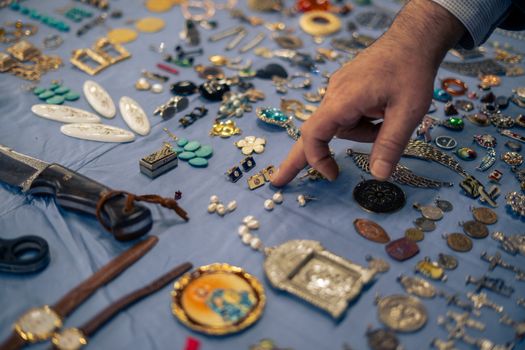 Photo: Oğuz Kandemir / Pexels
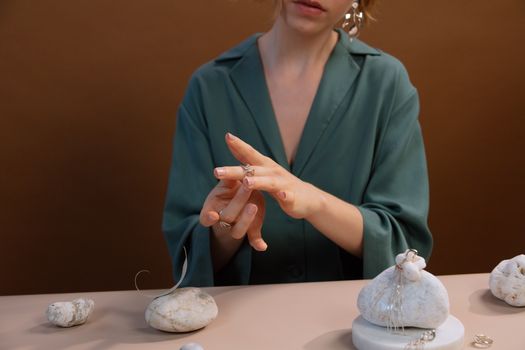 Photo: cottonbro studio / Pexels
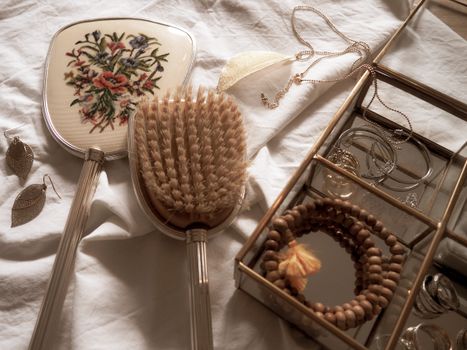 Photo: Anne van der Valk / Pexels
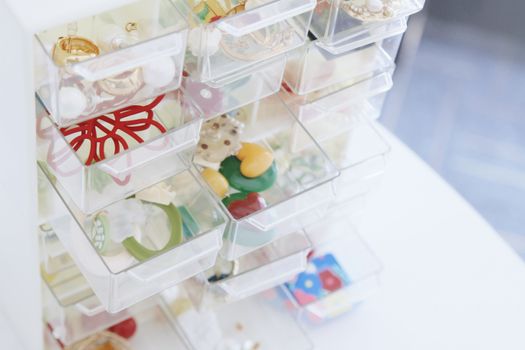 Photo: Sheilabox / Pexels