✓ The sustainable jewelry market is growing rapidly, driven by consumer demand for transparency.
✓ Ethical sourcing includes fair labor practices, safe working conditions, and environmental protection.
✓ Recycled metals and lab-grown diamonds are key components of sustainable jewelry.
✓ Many US brands are innovating with traceability and circular economy principles.
How It Works
1
Understand Your Values
Before buying, identify what sustainability means most to you: ethical labor, recycled materials, or carbon neutrality. This helps narrow down brands that align with your personal ethos.
2
Research Brand Practices
Look for transparency reports, certifications (like Fairmined or SCS Global), and clear explanations of their sourcing and manufacturing processes. A reputable brand will openly share this information.
3
Explore Product Offerings
Check for specific materials used, such as recycled gold, ethically sourced gemstones, or lab-grown diamonds. Ensure the style and quality meet your aesthetic and durability expectations.
4
Make an Informed Purchase
Choose a sustainable jewelry brand that resonates with your values and offers the piece you desire. Enjoy your beautiful, ethically made jewelry knowing you've made a responsible choice.
The Rising Demand for Ethical Jewelry in the US
Photo: Lara Jameson / Pexels
In recent years, the landscape of consumer purchasing has shifted dramatically, with a growing emphasis on ethical considerations across various industries. The jewelry sector, traditionally associated with luxury and opulence, is no exception. Consumers in the United States are increasingly scrutinizing the origins of their precious metals and gemstones, demanding transparency, ethical sourcing, and environmentally responsible practices from the brands they support. This surge in awareness has propelled the rise of sustainable jewelry brands US, transforming what was once a niche market into a significant and influential segment of the industry. The demand isn't just about avoiding conflict diamonds; it extends to ensuring fair wages for miners, safe working conditions, minimal environmental impact from mining operations, and the use of recycled or upcycled materials. This holistic approach to sustainability is what truly defines an ethical jewelry brand today.
Driving this change are several factors. Social media and readily available information have empowered consumers to educate themselves on complex supply chains. Documentaries, news reports, and activist campaigns have shed light on the darker sides of traditional mining, from human rights abuses to ecological devastation. As a result, many buyers, particularly younger generations, are no longer content with simply owning a beautiful piece of jewelry; they want to know its story, its impact, and its alignment with their personal values. This has put immense pressure on both established and emerging brands to adapt and innovate. Brands that embrace sustainability are finding a competitive edge, building trust and loyalty with a discerning customer base that values integrity as much as aesthetics. They are investing in certifications, developing traceable supply chains, and communicating their efforts transparently. For instance, brands are increasingly opting for recycled gold and silver, which significantly reduces the environmental footprint associated with new mining. Others are championing lab-grown diamonds, which offer a conflict-free and often more affordable alternative to natural stones, with a significantly lower environmental impact. The commitment extends to packaging, energy consumption in manufacturing, and even charitable contributions to communities affected by the industry. This comprehensive approach is what truly distinguishes leading sustainable jewelry brands in the US, making them not just purveyors of beauty, but also agents of positive change in the world. Discover more about ethical sourcing here.
What Defines a Truly Sustainable Jewelry Brand?
Photo: RDNE Stock project / Pexels
Defining what makes a jewelry brand truly sustainable goes beyond a simple checklist; it encompasses a complex web of interconnected practices that address environmental, social, and economic impacts throughout the entire lifecycle of a product. At its core, a sustainable jewelry brand minimizes harm and maximizes positive contributions. Environmentally, this means prioritizing materials that have a low ecological footprint. Recycled metals, such as gold and silver, are paramount, as they drastically reduce the need for new, often destructive, mining activities. Similarly, opting for ethically sourced gemstones ensures that the extraction process does not contribute to habitat destruction, water pollution, or excessive energy consumption. Lab-grown diamonds are another excellent example, offering the same chemical and physical properties as natural diamonds without the associated mining impact. Beyond materials, sustainable brands also focus on their manufacturing processes, striving for energy efficiency, waste reduction, and the avoidance of harmful chemicals. This often involves using renewable energy sources in their workshops and implementing closed-loop systems to recycle water and materials.
Socially, a sustainable brand is committed to fair labor practices across its entire supply chain. This means ensuring fair wages, safe working conditions, and no child labor or forced labor at any stage, from mining to crafting. Certifications like Fairmined or Fairtrade Gold play a crucial role in verifying these standards, providing assurance that miners are treated equitably and communities benefit from the trade. Transparency is another cornerstone, with brands openly sharing information about their sourcing, manufacturing partners, and impact reports. This allows consumers to make informed choices and hold brands accountable. Economically, sustainability also implies building resilient, local economies where possible, supporting artisan communities, and fostering long-term relationships with suppliers that promote mutual growth and stability. Many sustainable jewelry brands in the US also give back to their communities or invest in environmental conservation efforts, further amplifying their positive impact. For example, some brands partner with organizations that replant trees for every purchase or contribute a percentage of profits to protect endangered species. The commitment to these principles ensures that every piece of jewelry not only looks beautiful but also carries a story of integrity and responsibility, making it a valuable heirloom for generations to come. This holistic approach is what sets truly sustainable brands apart in the competitive US market.
Key Certifications and Practices to Look For
Photo: Bruno Mattos / Pexels
Navigating the world of sustainable jewelry can be complex, as terms like "eco-friendly" and "ethical" are sometimes used loosely. To truly identify authentic sustainable jewelry brands US, consumers should be aware of key certifications and practices that indicate genuine commitment to responsible sourcing and production. One of the most important aspects is the origin of metals. Look for brands that explicitly state they use recycled gold and silver. Recycled metals significantly reduce the environmental impact by circumventing the need for new mining, which often involves extensive land disruption, water pollution, and high energy consumption. Many reputable brands will detail their recycling process or partner with certified refiners. For new gold, the Fairmined certification is a gold standard (pun intended). Fairmined ensures that artisanal and small-scale mining organizations meet strict standards for social development, environmental protection, fair labor conditions, and economic development. This certification provides traceability and empowers mining communities, ensuring that the gold is truly conflict-free and ethically produced.
When it comes to gemstones, particularly diamonds, the landscape is evolving rapidly. While the Kimberley Process aims to prevent the trade of conflict diamonds, many argue it doesn't go far enough to address human rights or environmental concerns. Therefore, sustainable brands often go beyond Kimberley, offering diamonds with a clear chain of custody, or opting for Canadian diamonds (known for stricter environmental and labor laws), Australian diamonds, or increasingly, lab-grown diamonds. Lab-grown diamonds are chemically, physically, and optically identical to natural diamonds but are created in a controlled environment, eliminating mining impacts and conflict concerns. For colored gemstones, certifications are less common, but brands should be transparent about their direct sourcing relationships, ensuring fair prices and safe conditions for cutters and miners. Other important practices include using sustainable packaging (recycled, recyclable, or biodegradable materials), minimizing carbon footprint in manufacturing, and providing transparency reports on their supply chain. Some brands may also be B Corp certified, indicating they meet high standards of verified performance, accountability, and transparency on factors from employee benefits and charitable giving to supply chain practices and input materials. When a brand actively promotes these certifications and practices, it signifies a deep commitment to sustainability rather than just greenwashing. Learn more about responsible sourcing in jewelry.
Choosing Your Perfect Piece: Tips for Sustainable Shoppers
Photo: Bikram Bezbaruah / Pexels
Choosing a piece of jewelry is a personal and often significant decision. When you're aiming for a sustainable purchase, a few strategic considerations can guide you to the perfect ethical adornment. First, prioritize brands that offer clear, verifiable information about their sourcing. Don't be afraid to ask questions if the information isn't readily available on their website. A truly sustainable brand will be proud to share its story. Look for explicit mentions of recycled metals (gold, silver, platinum) and certifications for ethically sourced gemstones or responsible mining practices like Fairmined or SCS Global. If you're considering diamonds, explore lab-grown options, which offer a beautiful and scientifically identical alternative with a significantly reduced environmental and social footprint compared to mined diamonds. If you prefer natural diamonds, seek out brands that guarantee traceability to mines with strong ethical and environmental records.
Secondly, think about longevity and timeless design. A sustainable piece of jewelry is one that you will cherish and wear for many years, potentially passing it down through generations. Invest in classic designs and high-quality craftsmanship that will stand the test of time, reducing the need for future purchases and minimizing waste. Consider the care instructions for your chosen piece; proper care extends its life. Thirdly, explore brands that offer repair services or take-back programs, which contribute to a circular economy model. This means that when your jewelry eventually needs an update or you wish to part with it, the materials can be repurposed or recycled, rather than ending up in a landfill. Finally, remember that sustainability isn't just about the materials; it's also about the brand's overall ethos. Support companies that demonstrate a commitment to fair labor, community involvement, and environmental stewardship beyond just their products. By following these tips, you can ensure your next jewelry purchase is not only stunning but also a testament to your values and a positive contribution to the planet.
Here are some actionable tips for sustainable shoppers:
* **Verify Certifications:** Always look for recognized certifications like Fairmined, Fairtrade Gold, or B Corp status.
* **Ask About Origin:** Inquire about the specific origin of metals and gemstones if not explicitly stated.
* **Consider Lab-Grown:** Explore lab-grown diamonds and gemstones as a responsible alternative.
* **Prioritize Recycled Materials:** Opt for jewelry made from recycled gold, silver, and platinum.
* **Support Transparent Brands:** Choose brands that openly share their supply chain and sustainability efforts.
* **Invest in Quality:** Select well-crafted, timeless pieces designed for durability and longevity.
* **Check for Circular Practices:** Look for brands offering repair services, recycling programs, or repurposing options.
* **Evaluate Packaging:** Prefer brands that use eco-friendly, recyclable, or biodegradable packaging.
* **Read Reviews and Reports:** Check independent reviews and brand sustainability reports for deeper insights.
* **Think Local:** Support local artisans and brands that source responsibly within the US, reducing transport footprints.
Conflict-Free Natural Diamonds (Kimberley Process+), Some Lab-Grown
Lab-Grown Diamonds & Moissanite
Certifications
B Corp, Fairmined (for select pieces), SCS Global
Kimberley Process (verified), Member of Responsible Jewellery Council
SCS Global Certified Recycled Content
Packaging
100% Recycled & Recyclable
Recycled Materials, Biodegradable options
Minimalist, Recycled & Reusable
What Readers Say
★★★★★
"I was looking for an engagement ring that aligned with my values, and found a truly stunning piece from one of the sustainable jewelry brands US. The transparency about their recycled gold and lab-grown diamond made me feel so good about my purchase."
Sarah J. · Portland, OR
★★★★★
"Finally, a brand that cares about more than just profit! My wife's birthday necklace came from an ethical US jeweler, and the craftsmanship is exquisite. Knowing it's responsibly sourced adds so much more meaning."
Mark D. · Austin, TX
★★★★★
"I purchased a pair of earrings from a top sustainable jewelry brand in the US, and not only are they beautiful, but the company's commitment to fair labor was clearly outlined. It's a noticeable difference from other brands I've bought from."
Jessica L. · New York, NY
★★★★★
"While the price point was a bit higher than conventional options, the quality and the peace of mind knowing I supported an ethical supply chain made it worth every penny. I appreciate the detailed sourcing information provided."
David M. · Denver, CO
★★★★★
"As someone passionate about environmental protection, finding sustainable jewelry brands US that use recycled materials and give back to conservation efforts was a dream. My custom pendant is a daily reminder of conscious consumerism."
Emily R. · Los Angeles, CA
Frequently Asked Questions
What makes a jewelry brand 'sustainable' in the US?
A sustainable jewelry brand in the US typically employs practices such as using recycled precious metals, ethically sourced or lab-grown gemstones, fair labor practices, transparent supply chains, and eco-friendly packaging. They often minimize environmental impact during production and may contribute to social or environmental causes, ensuring a holistic approach to responsibility.
Are sustainable jewelry brands more expensive?
Sustainable jewelry can sometimes have a higher initial cost due to ethical sourcing, fair wages, and certified materials, which often come at a premium. However, this investment typically reflects superior quality, durability, and a positive social/environmental impact, offering greater value and longevity compared to mass-produced alternatives.
How can I verify if a brand is truly ethical and not just 'greenwashing'?
To verify authenticity, look for third-party certifications like B Corp, Fairmined, or SCS Global Recycled Content. Reputable brands will provide detailed transparency reports, openly discuss their supply chain, and offer specific information about their material sourcing and labor practices on their website or upon request. Be wary of vague claims without supporting evidence.
What is the difference between conflict-free and ethically sourced diamonds?
Conflict-free diamonds, as per the Kimberley Process, are certified not to have financed civil wars. However, 'ethically sourced' goes further, encompassing fair labor practices, safe working conditions, environmental protection during mining, and community benefits. Lab-grown diamonds are inherently conflict-free and often have a lower environmental footprint.
Are lab-grown diamonds considered sustainable?
Yes, lab-grown diamonds are widely considered a sustainable alternative. They eliminate the environmental disruption and social issues associated with traditional mining, and many are produced using renewable energy. They are chemically, physically, and optically identical to mined diamonds, offering a responsible choice without compromising on beauty.
Who should consider buying from sustainable jewelry brands US?
Anyone who cares about the environmental and social impact of their purchases should consider sustainable jewelry brands. This includes individuals prioritizing ethical labor, environmental conservation, human rights, and those seeking transparency and authenticity in their luxury goods. It's an excellent choice for engagement rings, gifts, or personal adornments.
Are there risks associated with buying recycled metals?
There are no inherent risks associated with buying jewelry made from recycled metals. Reputable sustainable jewelry brands use certified refiners to ensure the recycled gold, silver, or platinum is purified to the same high standards as newly mined metals. This process maintains the quality and purity while significantly reducing environmental impact.
What are the future trends for sustainable jewelry in the US?
Future trends include increased adoption of blockchain technology for supply chain transparency, further innovation in lab-grown gemstones beyond diamonds, greater emphasis on circular economy models (repair, reuse, recycle), and a continued push towards localized production to reduce carbon footprints. Consumer demand for full traceability will also continue to grow.
Embrace beauty with a conscience. By choosing from sustainable jewelry brands US, you're not just acquiring an exquisite piece; you're supporting ethical practices, environmental stewardship, and a more responsible future for the industry. Make your next sparkle a statement of positive change.
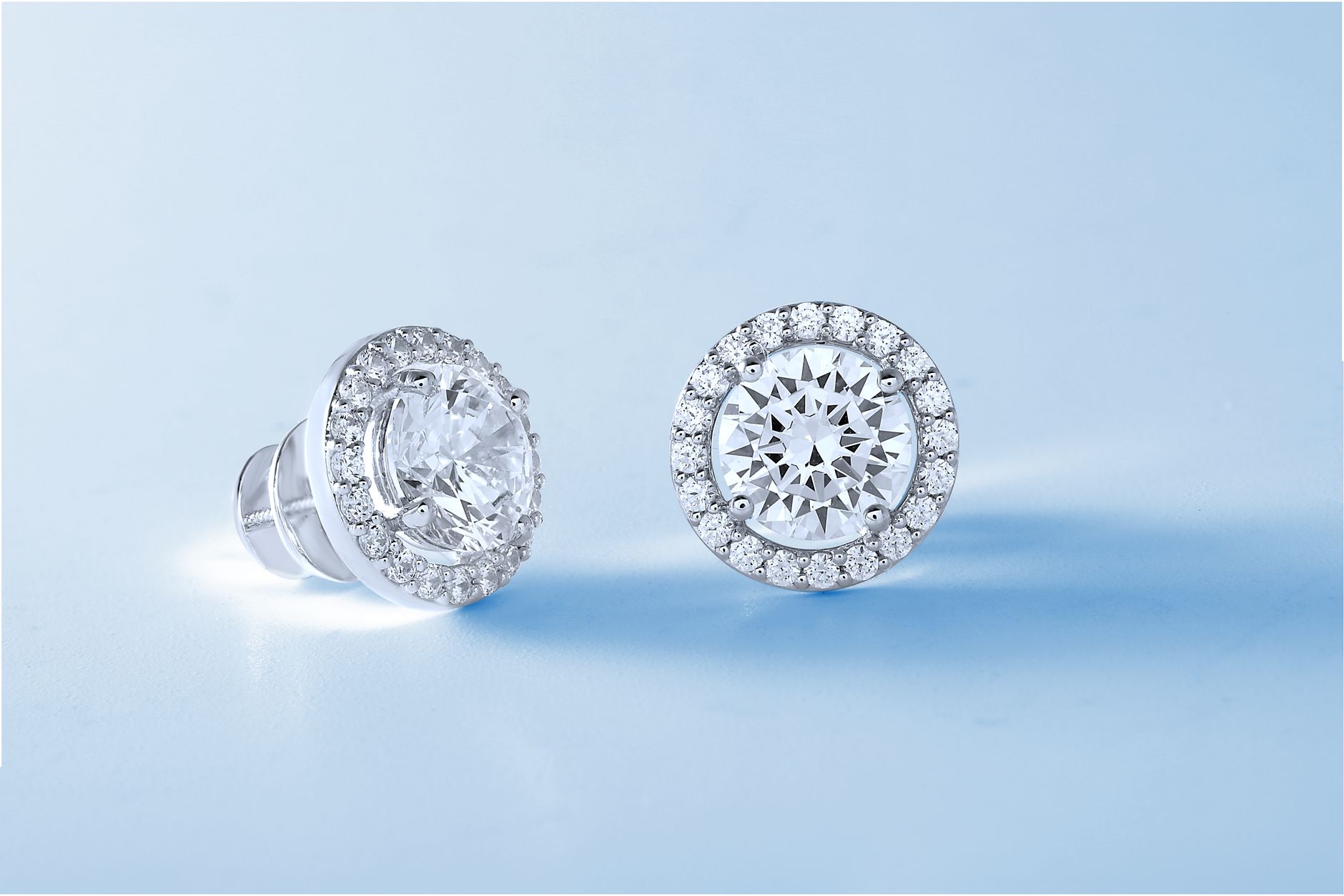
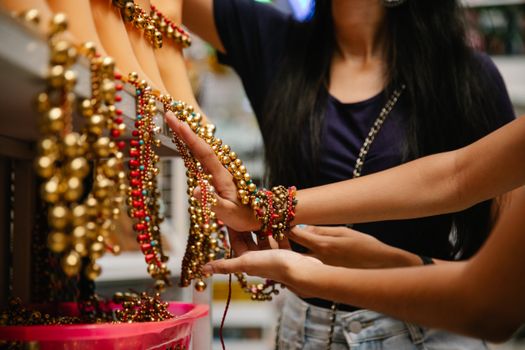 Photo: Lara Jameson / Pexels
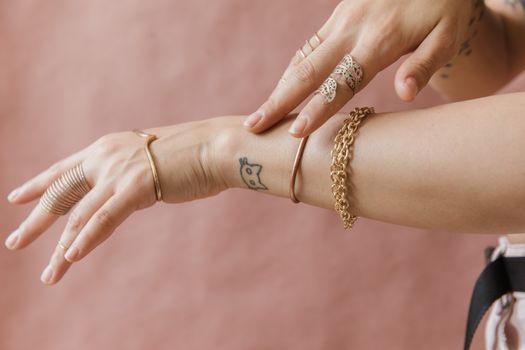 Photo: RDNE Stock project / Pexels
 Photo: Bruno Mattos / Pexels
 Photo: Bikram Bezbaruah / Pexels