Unveiling the Best Types of Metal for Jewelry Making
August 14, 2026 15 min read 3,090 words
Explore the diverse world of metals, from timeless classics to modern innovations, to craft your perfect jewelry piece.
Discover Your Metal
The Allure of Precious Metals: Gold, Silver, and Platinum
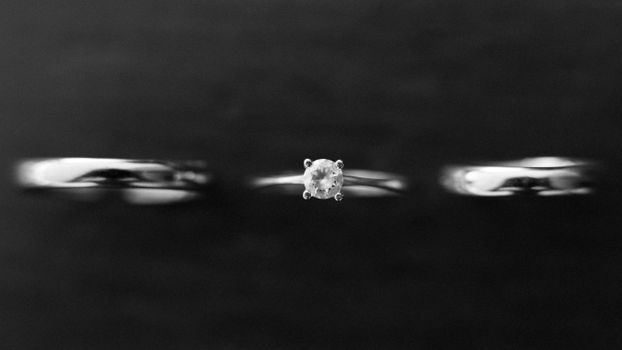 Photo: John Andrew Nolia Blazo / Pexels
When discussing types of metal for jewelry making, precious metals immediately come to mind. Gold, silver, and platinum have captivated humanity for millennia, not just for their inherent beauty and rarity, but also for their remarkable workability and enduring value. Understanding the nuances of each is crucial for any jeweler or discerning buyer.
Gold, perhaps the most iconic of all jewelry metals, is celebrated for its rich luster and resistance to tarnish. Pure gold, or 24-karat gold, is exceptionally soft and malleable, making it unsuitable for most everyday jewelry due to its susceptibility to scratching and deformation. To enhance its durability, gold is alloyed with other metals like copper, silver, zinc, and palladium. This alloying process also allows for the creation of various gold colors: yellow gold (alloyed with silver and copper), white gold (typically with palladium, nickel, or silver), and rose gold (with a higher proportion of copper). The karat system indicates the proportion of pure gold in the alloy; for instance, 18K gold contains 75% pure gold (18 parts gold out of 24 total parts), while 14K gold contains 58.3% pure gold. Each karatage offers a different balance of purity, durability, and price point, making it essential to choose based on the intended use and budget for your
jewelry piece.
Silver, another ancient and beloved metal, offers a bright, reflective white luster that has made it a staple in jewelry design. Pure silver, like pure gold, is too soft for practical jewelry. Sterling silver, the most common form used in jewelry, is an alloy consisting of 92.5% pure silver and 7.5% other metals, usually copper. This addition significantly increases its hardness and durability. While sterling silver is more affordable than gold and platinum, its primary drawback is its tendency to tarnish, a chemical reaction with sulfur compounds in the air that creates a dark layer on its surface. Regular cleaning and proper storage are necessary to maintain its brilliance. Despite this, its versatility, affordability, and beautiful appearance make it a popular choice for a wide range of jewelry, from intricate filigree to bold statement pieces.
Platinum stands as the pinnacle of luxury in precious metals. Renowned for its exceptional strength, natural white luster that never fades or tarnishes, and hypoallergenic properties, platinum is often chosen for engagement rings and other significant pieces. It is denser and heavier than gold, providing a substantial feel. Platinum is typically used in its purest form for jewelry, often 90-95% pure, alloyed with metals like iridium or ruthenium to further enhance its hardness. Its incredible durability means it resists wear and tear exceptionally well, and while it may develop a soft patina over time, this can be polished back to its original shine. Its rarity and complex refining process contribute to its higher cost compared to gold, but for those seeking unparalleled longevity, purity, and a timeless aesthetic, platinum is an unmatched choice among the types of metal for jewelry making.
Exploring Alternative and Contemporary Jewelry Metals
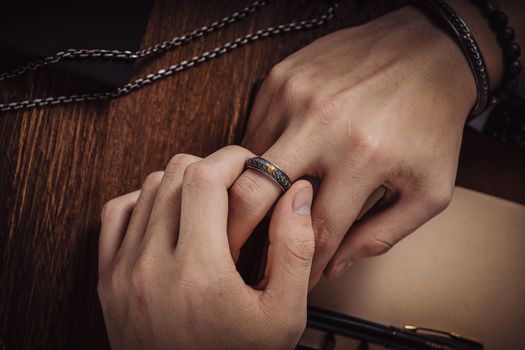 Photo: COPPERTIST WU / Pexels
Beyond the traditional precious metals, the world of jewelry making has expanded to embrace a fascinating array of alternative and contemporary metals. These materials offer unique aesthetic qualities, enhanced durability, and often more accessible price points, catering to diverse tastes and functional requirements. Understanding these options is key to making informed decisions about types of metal for jewelry making, especially for those seeking something distinct or highly practical.
Stainless steel, a highly durable and corrosion-resistant alloy, has gained significant traction in contemporary jewelry. It's an iron-based alloy containing chromium (at least 10.5%), which forms a passive layer on the surface, preventing rust and staining. Its strength makes it resistant to scratches and dents, and its hypoallergenic properties (especially surgical-grade stainless steel) make it suitable for individuals with metal sensitivities. Stainless steel jewelry often has a sleek, modern, and industrial aesthetic, making it popular for men's jewelry, watches, and minimalist designs. It's also significantly more affordable than precious metals, offering excellent value for its longevity and low maintenance.
Titanium, a lightweight yet incredibly strong metal, is another excellent alternative. Known for its biocompatibility, it's often used in medical implants, making it an ideal choice for those with severe metal allergies. Titanium is highly resistant to corrosion, tarnish, and scratches, providing exceptional durability for everyday wear. Its natural color is a dark, gunmetal gray, but it can be anodized to create a stunning range of vibrant colors, offering unique design possibilities. While it's harder to work with than traditional metals due to its strength, the resulting jewelry is remarkably robust and distinctive.
Cobalt chrome, a relatively newer player in the jewelry scene, is celebrated for its brilliant white luster, similar to platinum, but at a fraction of the cost. It's an extremely hard and scratch-resistant alloy, making it an excellent choice for wedding bands and other pieces that endure constant wear. Cobalt chrome is also hypoallergenic and very durable, resisting bending and cracking. Its substantial weight gives it a luxurious feel, and its ability to hold a high polish ensures lasting brilliance.
Tungsten carbide, often simply called tungsten, is one of the hardest and most scratch-resistant metals available for jewelry. It's a compound made from tungsten and carbon, offering exceptional durability that far surpasses most other metals. Tungsten rings are virtually scratch-proof and maintain their polish indefinitely, making them an excellent choice for those with active lifestyles. However, its extreme hardness also means it cannot be resized and can shatter under extreme impact, rather than bending. It typically comes in a dark gray or black finish, offering a bold, modern look.
Finally, brass and copper, while less common for fine jewelry, are frequently used in costume jewelry and artisan pieces due to their warm tones and affordability. Brass is an alloy of copper and zinc, producing a golden-yellow hue, while copper itself has a distinct reddish-brown color. Both are highly malleable and easy to work with, allowing for intricate designs. However, they are prone to tarnishing and can sometimes leave a green mark on the skin due to oxidation. They are excellent for experimental designs or pieces where a vintage or rustic aesthetic is desired, but require more care to maintain their appearance. These alternative metals significantly broaden the scope of types of metal for jewelry making, offering innovative solutions for various design and functional needs.
Understanding Metal Properties: Purity, Hardness, and Hypoallergenic Qualities
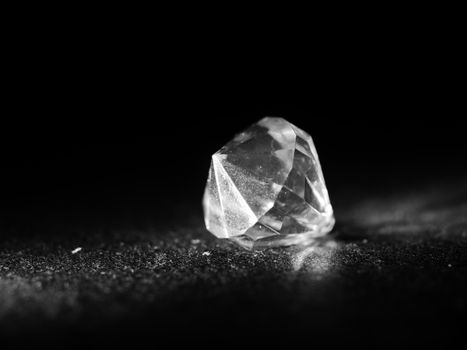 Photo: Rūdolfs Klintsons / Pexels
When delving into the various types of metal for jewelry making, a comprehensive understanding of key metal properties is paramount. These characteristics directly influence a piece's durability, appearance, workability, and suitability for different wearers. Purity, hardness, and hypoallergenic qualities are three fundamental aspects that every jeweler and consumer should consider.
Metal purity refers to the proportion of the main metal in an alloy. For gold, this is expressed in karats (K), where 24K is pure gold. For other metals like silver and platinum, fineness is used, often denoted in parts per thousand (e.g., .925 for sterling silver, meaning 92.5% pure silver). Higher purity generally means a softer metal, but also a more intense natural color and often a higher intrinsic value. For example, 24K gold is a vibrant yellow but too soft for most jewelry, while 14K gold, with less pure gold, is harder and more suitable for daily wear. Platinum, uniquely, is often used in very high purities (90-95%) even for durable jewelry, due to its inherent strength. The purity level directly impacts the metal's workability for jewelers – higher purity often means easier manipulation but less structural integrity for intricate or delicate designs. It also affects the final weight and feel of the piece, with higher density metals like platinum feeling more substantial.
Hardness, measured on scales like the Mohs scale or Vickers hardness, dictates a metal's resistance to scratching, denting, and deformation. This is a critical factor for jewelry, especially items worn daily like rings. Pure metals are generally softer; alloying them with other metals increases their hardness. For instance, sterling silver is significantly harder than pure silver due to its copper content. Platinum, despite its high purity, is exceptionally hard and durable, making it highly resistant to wear. Tungsten carbide is renowned for being one of the hardest materials used in jewelry, virtually scratch-proof. The hardness of a metal impacts how well it holds its shape, how securely it can hold gemstones, and how well it will withstand the rigors of daily life. A balance between hardness and malleability (the ability to be shaped without breaking) is often sought, especially for intricate designs or setting delicate stones.
Hypoallergenic qualities are increasingly important as more people discover sensitivities to certain metals. An allergic reaction, often manifesting as a rash or discoloration, is most commonly caused by nickel, a common alloying agent in many metals, particularly some white gold alloys and costume jewelry. Metals considered truly hypoallergenic include platinum, titanium, surgical-grade stainless steel, and high-purity gold (18K and above, provided the alloys are nickel-free). Cobalt chrome is also an excellent hypoallergenic option. When choosing types of metal for jewelry making, especially for items that will be in constant contact with the skin (like earrings or engagement rings), prioritizing hypoallergenic options is a thoughtful consideration for the wearer's comfort and health. Jewelers often specify if their white gold is nickel-free or if they use alternative white gold alloys like palladium white gold to cater to those with sensitivities. Understanding these properties allows for a more informed selection process, ensuring the final piece is not only beautiful but also practical, durable, and comfortable for the wearer. For more insights into
crafting beautiful pieces, consider the interplay of these metal characteristics.
Choosing the Right Metal: Tips and Common Mistakes
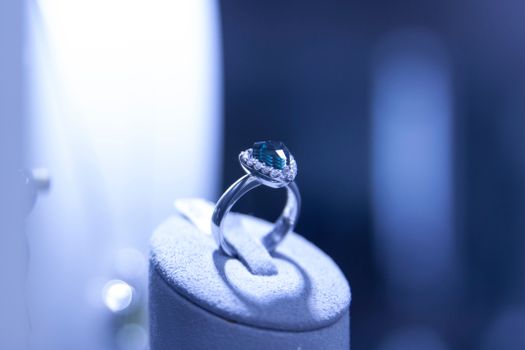 Photo: Karen Laårk Boshoff / Pexels
Selecting the appropriate metal is perhaps one of the most critical decisions in jewelry making, influencing everything from the piece's aesthetic to its longevity and cost. Navigating the myriad types of metal for jewelry making can be daunting, but with a few key tips and an awareness of common pitfalls, you can make choices that lead to stunning and enduring creations.
**Tips for Choosing the Right Metal:**
* **Consider the Wearer's Lifestyle:** For active individuals or daily wear items, prioritize durable, scratch-resistant metals like platinum, titanium, or tungsten. Softer metals like high-karat gold or sterling silver might be better suited for occasional wear or pieces that are less exposed to impact.
* **Match Metal to Gemstones:** The hardness of the metal should complement the hardness of any gemstones. Softer metals might not provide sufficient security for very hard gemstones, while very hard metals can make setting delicate stones challenging. Also, consider how the metal color enhances the stone; for example, white metals often make diamonds appear brighter.
* **Factor in Skin Tone:** While subjective, certain metal colors tend to complement different skin tones. Cool skin tones (blue veins, easily sunburned) often look striking with white metals like platinum, silver, or white gold. Warm skin tones (green veins, tan easily) tend to glow with yellow or rose gold. Neutral skin tones can wear anything.
* **Think About Maintenance:** Some metals require more frequent cleaning or polishing (e.g., sterling silver to combat tarnish), while others are relatively low maintenance (e.g., platinum, stainless steel). Consider the wearer's willingness to commit to upkeep.
* **Budget Wisely:** Precious metals like platinum and high-karat gold are significantly more expensive. Alternative metals like stainless steel, titanium, and cobalt chrome offer excellent durability and aesthetics at a more accessible price point. Balance your desired look and functionality with your financial constraints.
* **Prioritize Hypoallergenic Options for Sensitive Skin:** If the wearer has known allergies, especially to nickel, opt for truly hypoallergenic metals like platinum, titanium, surgical-grade stainless steel, or palladium white gold.
**Common Mistakes to Avoid:**
* **Ignoring Metal Hardness:** Choosing a metal that is too soft for a high-wear item will lead to disappointment as the piece quickly scratches, dents, or deforms. Conversely, choosing a metal that is too hard for intricate work can make crafting difficult and expensive.
* **Overlooking Allergic Reactions:** Assuming all white metals are the same can lead to issues if a nickel-containing white gold is chosen for someone with a nickel allergy. Always inquire about alloy compositions.
* **Not Considering Tarnish:** While beautiful, sterling silver does tarnish. Not informing a buyer or not preparing for this maintenance can lead to dissatisfaction. Similarly, brass and copper will also tarnish and can temporarily discolor skin.
* **Underestimating Weight and Feel:** Some metals are much denser than others. A platinum ring will feel significantly heavier than a titanium one of the same size. This tactile experience is part of the jewelry's appeal and should be considered.
* **Choosing Solely Based on Price:** While budget is important, compromising too much on durability or suitability for the intended use can result in a piece that doesn't last or doesn't meet expectations. Investing a little more upfront for the right metal can save money and heartache in the long run.
By carefully weighing these factors and avoiding common missteps, you can confidently select the ideal types of metal for jewelry making, ensuring your creations are cherished for years to come.
