What is 14k Gold Jewelry? Your Ultimate Guide to Karat Gold
14k gold jewelry

What is 14k Gold Jewelry? Your Ultimate Guide to Karat Gold

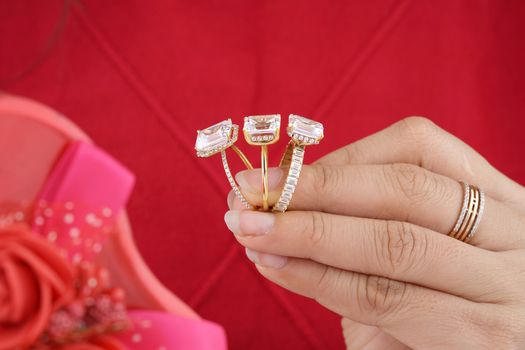
Close-up of diamond rings held in hand, showcasing luxury and elegance with a rich red background.Photo: The Glorious Studio / Pexels

What is 14k Gold Jewelry? Your Ultimate Guide to Karat Gold

Uncover the secrets of 14k gold, its perfect balance of purity and strength, and why it's a top choice for everyday wear.

Explore 14k Gold

Key Takeaways

  • ✓ 14k gold is 58.3% pure gold, alloyed with other metals for strength.
  • ✓ It's a popular choice for everyday jewelry due to its durability and affordability.
  • ✓ The 'k' stands for karat, a unit measuring gold's purity.
  • ✓ Common alloys include copper, silver, and zinc, influencing color and hardness.

How It Works

1
Understanding Karat System

Gold purity is measured in karats (k), with 24k being 100% pure gold. 14k signifies 14 parts gold out of 24 total parts.

2
Alloying for Durability

Pure gold is very soft. To make it suitable for jewelry, it's mixed with stronger metals like copper, silver, or zinc, creating an alloy.

3
Achieving 14k Purity

For 14k gold, 14 parts (58.3%) of the final metal mixture are pure gold, and the remaining 10 parts (41.7%) are other metals.

4
Resulting Characteristics

This specific ratio results in a metal that is significantly more durable and resistant to wear and tear than higher karat golds, while retaining a beautiful gold luster.

Unveiling the Composition of 14k Gold Jewelry
Close-up of luxurious gold jewelry and dry flowers with a soft, artistic ambiance.Photo: Karen Laårk Boshoff / Pexels
When you hear the term "14k gold jewelry," it refers to a specific composition of gold, not pure gold itself. Pure gold, often labeled as 24k, is incredibly soft and malleable. While its brilliant yellow hue is undeniable, its lack of structural integrity makes it unsuitable for most forms of jewelry that are meant for everyday wear. Imagine a ring or a delicate chain made from 24k gold; it would easily bend, scratch, and lose its shape with minimal pressure. This is where the magic of alloying comes in. To create durable, long-lasting, and beautiful jewelry, pure gold is mixed with other metals. These additional metals, known as alloys, serve multiple purposes: they increase the metal's hardness, enhance its resistance to scratching and tarnishing, and can even influence its color. In the case of 14k gold, the "k" stands for karat, which is the unit of measurement for the purity of gold. The karat system is based on a scale of 24. Therefore, 14k gold means that 14 out of 24 parts of the metal alloy are pure gold. Mathematically, this translates to 14/24, or approximately 58.3% pure gold. The remaining 10 parts (41.7%) consist of other metals. The specific types of metals used in this alloy can vary, but common choices include copper, silver, zinc, and sometimes nickel (though nickel is less common now due to allergy concerns). For instance, adding more copper typically results in a warmer, rosier hue, leading to rose gold. More silver and zinc, on the other hand, can contribute to a lighter, paler yellow or even white gold (when combined with other specific metals and often rhodium plating). Understanding this composition is crucial for appreciating why 14k gold has become such a staple in the jewelry industry, particularly in the United States, offering an optimal balance between the inherent value of gold and the practical necessity of durability. This careful balance makes 14k gold an excellent choice for various types of jewelry, from engagement rings to everyday earrings, ensuring pieces can withstand the rigors of daily life while maintaining their luster and form for years to come. The precise blend of metals ensures that your 14k gold pieces are not just beautiful, but also robust and reliable, a testament to thoughtful metallurgical craftsmanship.

Why 14k Gold Strikes the Perfect Balance for Everyday Wear
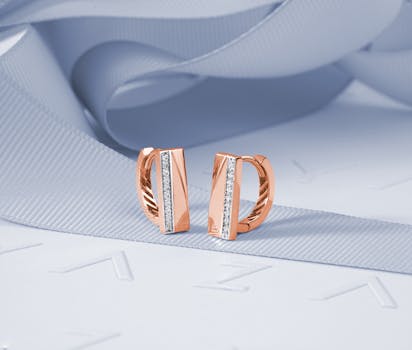
Focus on rose gold hoop earrings with diamond accents laid against a stylish blue ribbon.Photo: The Glorious Studio / Pexels
The widespread popularity of 14k gold isn't accidental; it's a direct result of its unique properties that make it an ideal choice for jewelry meant to be worn daily. One of the primary advantages of 14k gold over higher karat options, such as 18k or 22k, is its superior durability. As established, pure gold is inherently soft. While 18k gold (75% pure gold) is still quite beautiful and offers a richer yellow color, it's also softer and more prone to scratching and denting than its 14k counterpart. For items like wedding bands, engagement rings, or bracelets that are constantly exposed to bumps and friction, this increased hardness is a significant benefit. 14k gold can withstand the rigors of daily life much better, making it a practical choice for active individuals or those who prefer not to remove their jewelry frequently. Beyond durability, 14k gold offers an excellent balance of value and aesthetics. While 24k gold is the most valuable per gram due to its purity, 14k gold provides the enduring beauty and prestige of gold at a more accessible price point. This affordability, combined with its resilience, makes it a preferred option for many consumers, allowing them to own substantial pieces of gold jewelry without the premium cost associated with higher purity levels. The color of 14k gold is another key factor in its appeal. It presents a rich, warm yellow hue that is universally flattering and complements various skin tones. While slightly less vibrant than 18k or 22k gold, its color is still distinctly golden and holds up beautifully over time. This versatility in color, coupled with the ability to achieve different shades like rose gold or white gold through varying alloy compositions, further broadens its appeal. For example, 14k white gold, often plated with rhodium, offers a sleek, modern look that rivals platinum in appearance but at a fraction of the cost, making it a fantastic alternative for those seeking a silvery-white metal. Its resistance to tarnishing, thanks to the alloyed metals, also contributes to its low-maintenance appeal, ensuring your jewelry retains its brilliance with minimal effort. This makes 14k gold a truly versatile and practical choice for anyone looking to invest in quality, long-lasting jewelry that can be cherished and worn every day.

Navigating the World of Gold Karats: 14k vs. Other Popular Options

Detailed close-up of gold bars and coins, symbolizing wealth and investment. Perfect for financial imagery.Photo: Zlaťáky.cz / Pexels
Understanding where 14k gold stands in the broader spectrum of gold karats is essential for making an informed purchasing decision. Each karat level offers a distinct set of characteristics regarding purity, durability, color, and price. Let's delve into how 14k gold compares to other common options you might encounter in the market, allowing you to weigh the pros and cons for your specific needs. Starting with the highest purity commonly seen in jewelry, 18k gold consists of 75% pure gold and 25% alloys. Its higher gold content gives it a richer, deeper yellow color that many find exceptionally luxurious. However, this increased purity also means it's softer than 14k gold, making it more susceptible to scratches, dents, and wear over time. While beautiful, 18k gold might not be the best choice for intricate designs or pieces subjected to significant daily impact. Price-wise, 18k gold will naturally be more expensive per gram than 14k gold due to its higher gold content. For those prioritizing a vibrant gold color and who are gentle with their fine jewelry, 18k can be a wonderful option, but for everyday resilience, 14k often takes the lead. Moving down the purity scale, we encounter 10k gold, which is the lowest karatage allowed to be legally called "gold" in the United States. Comprising 41.7% pure gold (10 parts gold, 14 parts alloy), 10k gold is the most durable and scratch-resistant of the common gold alloys. Its high alloy content makes it incredibly strong, but it also means it has a paler yellow color, sometimes appearing less vibrant than 14k or 18k gold. Its affordability is a significant draw, making it popular for budget-conscious buyers or fashion jewelry where extreme durability is paramount. However, some individuals with sensitive skin might react to the higher proportion of alloy metals in 10k gold. Therefore, 14k gold often represents a sweet spot, offering a beautiful, noticeable gold color without compromising too much on durability or significantly inflating the price point. It balances the aesthetic appeal of gold with the practical requirements of longevity, making it a pragmatic and popular choice for a wide array of jewelry, from simple bands to elaborate pendants. This middle-ground positioning is precisely why 14k gold has cemented its status as a go-to option for consumers seeking quality and value.

Caring for Your 14k Gold Jewelry: Tips for Lasting Luster
Flat lay of gold wristwatch, rings, chain, and perfume on a white surface.Photo: Pegah Sharifi / Pexels
While 14k gold is celebrated for its durability and resistance to wear, proper care is still essential to maintain its brilliant luster and extend its lifespan. Even the toughest metals can show signs of age and neglect if not treated correctly. Incorporating a few simple care routines can ensure your 14k gold jewelry remains a cherished part of your collection for years to come. Firstly, regular cleaning is paramount. Over time, your jewelry can accumulate dirt, oils, lotions, and soap residue, which can dull its shine. A gentle cleaning routine can easily restore its sparkle. You can prepare a simple cleaning solution at home by mixing a few drops of mild dish soap with warm water. Soak your 14k gold pieces for 15-30 minutes, then gently scrub them with a soft-bristled brush, like an old toothbrush, paying attention to crevices where dirt might hide. Rinse thoroughly under clean, running water and dry with a soft, lint-free cloth. For a deeper clean, consider investing in a professional jewelry cleaning cloth or having your pieces professionally cleaned periodically by a jeweler. Avoid harsh chemicals like bleach or ammonia, as these can damage the gold alloy or any gemstones set within the jewelry. Secondly, proper storage is crucial. When not wearing your 14k gold jewelry, store it in a clean, dry place, preferably in a fabric-lined jewelry box or soft pouch. This prevents scratches and tangles, especially when storing multiple pieces together. Keep different types of metals separate, as harder metals can scratch softer ones. It’s also wise to remove your 14k gold jewelry before engaging in activities that could expose it to harsh chemicals or physical impact. This includes showering, swimming (especially in chlorinated water), cleaning with household products, exercising, or doing manual labor. These activities can not only dull the gold but also potentially damage settings or loosen stones. By following these straightforward care tips, you can protect your 14k gold jewelry from unnecessary wear and tear, ensuring it continues to shine brightly and maintain its beauty for generations.

Comparison

Feature14k Gold18k Gold10k Gold
Gold Purity58.3%75%41.7%
DurabilityExcellentGoodSuperior
Scratch ResistanceHighModerateVery High
Color VibrancyWarm YellowRich YellowPale Yellow
Price PointMediumHighLower
Hypoallergenic PotentialGoodVery GoodModerate
Everyday Wear Suitability

What Our Readers Say

5 ★★★★★

"My 14k gold engagement ring has held up beautifully for five years. It's durable enough for daily wear and still looks as stunning as the day I got it. Highly recommend for longevity!"

5 ★★★★★

"I bought a 14k gold chain, and the color is perfect – not too yellow, not too pale. It feels solid and has withstood my active lifestyle without a single scratch or dent. Great value."

5 ★★★★★

"After struggling with 10k gold tarnishing and 18k being too soft, 14k gold jewelry has been the perfect compromise. My earrings maintain their shine and haven't caused any skin irritation."

4 ★★★★☆

"The durability of 14k gold is truly impressive for its price point. While the color isn't as intensely rich as 18k, it's a fantastic everyday option that I don't have to worry about."

5 ★★★★★

"I've been wearing a 14k gold bracelet for years, and it's still in pristine condition. It's elegant, strong, and easy to clean – exactly what I needed for a piece I wear constantly."

Frequently Asked Questions

What is the exact percentage of pure gold in 14k gold jewelry?
14k gold jewelry contains 58.3% pure gold. This is calculated by dividing 14 by 24 (the total number of parts in the karat system) and multiplying by 100. The remaining 41.7% consists of other metals like copper, silver, and zinc, which are added for durability and color.
Will 14k gold jewelry tarnish or change color over time?
While 14k gold is highly resistant to tarnishing due to its significant pure gold content, the alloy metals can sometimes react with chemicals or air, leading to slight discoloration over very long periods or under specific harsh conditions. Regular cleaning and proper storage can effectively prevent this.
How do I clean my 14k gold jewelry at home?
To clean 14k gold jewelry at home, mix a few drops of mild dish soap with warm water. Soak your jewelry for 15-30 minutes, then gently scrub with a soft brush. Rinse thoroughly with clean water and dry with a soft, lint-free cloth. Avoid harsh chemicals.
Is 14k gold jewelry a good investment?
14k gold jewelry holds intrinsic value due to its gold content, making it a good investment in terms of material worth. Its durability also ensures it retains its aesthetic value for longer, making it a practical and beautiful investment that can be enjoyed daily and passed down through generations.
How does 14k white gold differ from 14k yellow gold?
Both 14k white and yellow gold contain 58.3% pure gold. The difference lies in the other 41.7% of alloy metals. White gold uses alloys like palladium, silver, or nickel (though less common now) to achieve a white appearance, often enhanced with a rhodium plating. Yellow gold typically uses copper and silver to maintain its classic golden hue.
Who should choose 14k gold jewelry?
14k gold jewelry is ideal for individuals seeking a balance of durability, beauty, and affordability. It's perfect for everyday wear, including engagement rings, wedding bands, and frequently worn accessories, due to its resistance to scratches and dents, making it suitable for active lifestyles.
Can 14k gold cause allergic reactions?
While pure gold is hypoallergenic, the alloy metals in 14k gold can sometimes cause allergic reactions in sensitive individuals, most commonly due to nickel. If you have known metal allergies, inquire about the specific alloy composition or opt for nickel-free 14k gold options.
What are the current trends for 14k gold jewelry?
Current trends for 14k gold jewelry lean towards minimalist designs, stacking pieces, personalized initial necklaces, and delicate chains. Rose gold 14k remains popular, as do mixed-metal looks combining 14k yellow and white gold for a contemporary aesthetic.

Now that you understand what is 14k gold jewelry and its myriad benefits, you're equipped to make an informed choice. Explore the vast world of 14k gold pieces, confident in selecting jewelry that offers the perfect blend of enduring beauty, practical durability, and lasting value for your collection.

Topics: 14k gold jewelrygold puritygold karatsjewelry durabilitygold alloy
Leo List
Brampton weed
Adultwork EstrelaBet Vai de Bet R7 Bet Betão Galera Bet Rainbet Bet9ja Shop SportyBet BetKing Sisal Loto Foot Hollywoodbets YesPlay Odibets RushBet Jugabet BetWarrior BetCity MSport betPawa Fortebet