What is Moissanite vs Diamond? The Ultimate Jewelry Guide
what is moissanite vs diamond

What is Moissanite vs Diamond? The Ultimate Jewelry Guide

Navigate the sparkling world of gemstones to make an informed decision for your next cherished piece of jewelry.

Discover Your Perfect Gem

Key Takeaways

  • ✓ Moissanite is a naturally occurring mineral, silicon carbide, but most jewelry-grade moissanite is lab-created.
  • ✓ Diamonds are naturally occurring carbon, formed under immense pressure and heat deep within the Earth.
  • ✓ Moissanite exhibits a higher refractive index than diamond, resulting in more fire and brilliance.
  • ✓ Diamonds are the hardest known natural substance (10 on Mohs scale), while moissanite is a very close second (9.25).

How It Works

1
Understand Origin & Composition

Learn where each gemstone comes from – natural diamond from the earth, moissanite mostly lab-created. This fundamental difference impacts their chemical makeup and properties.

2
Compare Optical Properties

Delve into how each stone interacts with light, focusing on brilliance (white light reflection) and fire (rainbow flashes). Moissanite's double refraction creates a distinct fiery sparkle.

3
Evaluate Durability & Hardness

Examine the Mohs scale ratings for both, understanding their resistance to scratching and chipping. Both are exceptionally durable, suitable for daily wear.

4
Assess Value & Ethical Considerations

Consider the price point, which significantly favors moissanite, and the ethical sourcing aspects. Lab-created moissanite offers a conflict-free and environmentally conscious choice.

Unveiling the Origins: Natural Diamond vs. Lab-Created Moissanite
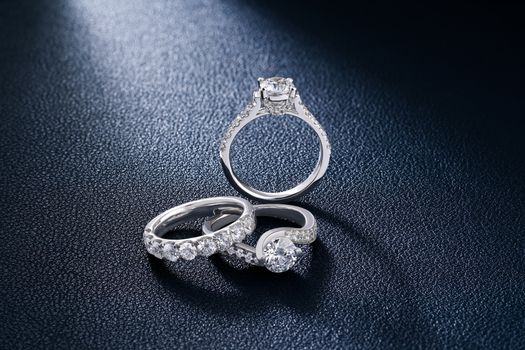
Close-up of luxury diamond wedding rings elegantly arranged with delicate lace in the background. Photo: VGIO Studios / Pexels
When embarking on the journey to select a significant piece of jewelry, understanding the fundamental origins of your chosen gemstone is paramount. The debate of what is moissanite vs diamond often begins here, with their very creation stories. Diamonds, the epitome of timeless elegance, are a marvel of nature. Formed billions of years ago deep within the Earth's mantle under unimaginable heat and pressure, they are brought to the surface through volcanic eruptions. Each natural diamond is a unique geological fingerprint, a testament to Earth's powerful forces. Their journey from mine to market has historically been complex, leading to discussions around ethical sourcing and 'blood diamonds,' though significant strides have been made in recent decades to ensure conflict-free diamonds through certifications like the Kimberley Process. Despite these efforts, the allure of a natural diamond often carries with it a narrative of rarity and ancient formation. Moissanite, on the other hand, has a more cosmic origin story, at least in its natural form. First discovered in 1893 by Nobel Prize-winning chemist Dr. Henri Moissan in a meteorite crater in Arizona, natural moissanite is exceedingly rare. It is composed of silicon carbide, a compound vastly different from diamond's pure carbon. Because natural moissanite is so scarce, virtually all moissanite used in jewelry today is lab-created. This controlled environment allows for the production of high-quality, flawless crystals free from inclusions and color imperfections often found in natural gemstones. The lab-creation process also bypasses many of the environmental and ethical concerns associated with traditional diamond mining. This distinction in origin – natural versus lab-created – is a crucial factor for many consumers, influencing not just the stone's properties but also its perceived value and environmental footprint. Understanding these foundational differences sets the stage for a deeper comparison of their optical, physical, and financial attributes, helping you determine which gem aligns best with your values and aesthetic preferences. The controlled conditions of a lab ensure consistent quality and ethical production, offering a compelling alternative for those seeking beauty without compromise.

Brilliance, Fire, and Sparkle: A Visual Showdown
Close-up of a woman wearing elegant jewelry including rings and a necklace with a white blouse outdoors. Photo: Zulfugar Karimov / Pexels
The captivating allure of any gemstone lies in its interaction with light, and this is where the comparison of what is moissanite vs diamond truly sparkles. While both are renowned for their incredible brilliance, they achieve it in distinct ways, leading to different visual effects. Brilliance refers to the white light reflected from the interior of a gemstone, often described as its 'sparkle.' Fire, on the other hand, is the dispersion of light into spectral colors, creating a rainbow effect. Scintillation is the flashes of light and dark as the stone moves. Diamonds are celebrated for their classic, crisp white brilliance. Their high refractive index (2.42) means light enters the stone and is reflected back to the viewer with remarkable intensity. The fire in a diamond is typically subtle, appearing as flashes of color that complement its white brilliance, creating a sophisticated and timeless sparkle. This balance of brilliance and fire is what many traditionalists adore about diamonds. Each facet is meticulously cut to maximize light return, resulting in that iconic diamond shimmer. Moissanite, however, takes brilliance and fire to another level. With a refractive index ranging from 2.65 to 2.69, it actually exceeds that of a diamond. This higher refractive index, combined with its double refractive property (meaning light is split into two rays as it passes through the stone), gives moissanite a distinct, often more intense, fiery sparkle. When you move a moissanite, you'll notice a dazzling display of rainbow flashes that can be more pronounced than in a diamond. Some describe this as a 'disco ball' effect, particularly in larger stones or under certain lighting conditions. While some prefer the classic elegance of a diamond's sparkle, others are drawn to the vibrant, dynamic fire of moissanite. It's a matter of personal preference and what kind of light show you desire from your jewelry. Observing both stones side-by-side under various lighting conditions is the best way to appreciate these subtle yet significant differences in their visual appeal. The way light dances within a moissanite can be truly mesmerizing, offering a unique aesthetic that stands out.

Durability and Hardness: Lifetime Wearability of Your Gemstone

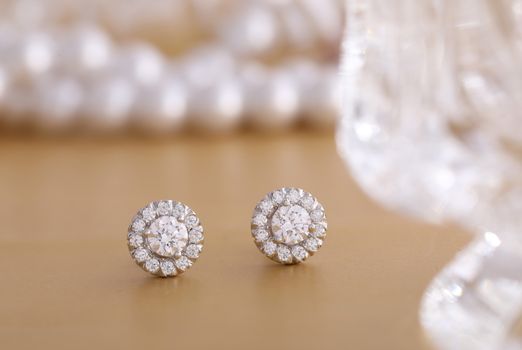
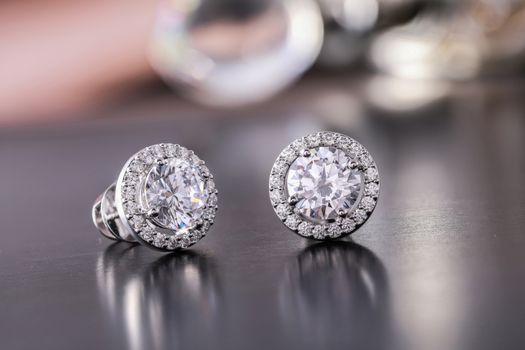
Close-up of round diamond earrings on a gold background, showcasing luxury and elegance. Photo: The Glorious Studio / Pexels
Beyond their captivating sparkle, the practical aspects of gemstone durability and hardness are critical, especially for pieces intended for daily wear, such as engagement rings. When evaluating what is moissanite vs diamond, their respective positions on the Mohs scale of mineral hardness are key indicators of their resistance to scratching and abrasion. The Mohs scale, ranging from 1 (softest) to 10 (hardest), measures a mineral's scratch resistance. A higher number indicates greater resistance to being scratched by other materials. Diamonds reign supreme at a perfect 10 on the Mohs scale, making them the hardest known natural substance on Earth. This exceptional hardness means that a diamond can only be scratched by another diamond. This characteristic makes diamonds incredibly durable and resistant to daily wear and tear, ensuring their brilliance remains untarnished for generations. They are an ideal choice for engagement rings and other jewelry worn frequently, as they can withstand significant exposure to everyday activities without showing signs of scratching or dulling. Moissanite is not far behind, boasting an impressive 9.25 on the Mohs scale. This places it significantly higher than almost all other gemstones used in jewelry, including sapphires (9) and rubies (9). A hardness of 9.25 means that moissanite is exceptionally resistant to scratching, making it an excellent choice for everyday wear. It is durable enough to withstand the rigors of daily life, maintaining its beauty and sparkle over time. While it is technically possible for a diamond to scratch a moissanite, and vice-versa if enough force is applied (though highly unlikely for moissanite to scratch diamond due to the difference in hardness), for all practical purposes, moissanite is considered an extremely durable gemstone. Both gems are also resistant to chipping and breaking, though extreme blunt force can damage any gemstone. Understanding this aspect of durability assures buyers that both options are robust choices for long-lasting jewelry, providing peace of mind for those investing in a cherished piece. The high Mohs rating of moissanite makes it a practical and beautiful alternative for those seeking durability without the diamond price tag.

Navigating the Value and Ethical Landscape: Making Your Informed Choice

Close-up of luxury diamond wedding rings elegantly arranged with delicate lace in the background. Photo: VGIO Studios / Pexels
The final, and often most decisive, factors in the what is moissanite vs diamond debate are value and ethical considerations. These aspects often sway consumers towards one gem over the other, reflecting personal priorities and budget constraints. When it comes to cost, there is a significant difference. Diamonds, especially natural ones, command a premium price due to their rarity, the extensive mining process, and the established market value. Factors like the 4 Cs (carat, cut, color, clarity) heavily influence a diamond's price, with larger, clearer, whiter, and well-cut diamonds being exponentially more expensive. A 1-carat natural diamond can range from several thousand dollars to well over ten thousand, depending on its quality. Moissanite, in stark contrast, offers a remarkable value proposition. Because it is almost exclusively lab-created, its supply is not limited by natural scarcity, and the production process is more controlled and efficient. This translates to a significantly lower price point, often costing only a fraction of a comparable-sized diamond. For example, a 1-carat moissanite can cost hundreds of dollars, rather than thousands. This allows consumers to purchase a larger, visually stunning stone for their budget, or allocate more funds towards the setting or other aspects of their jewelry. This cost-effectiveness is a major draw for many, enabling them to achieve a luxurious look without the hefty investment. Ethical considerations also play a pivotal role. The diamond industry has historically faced scrutiny regarding conflict diamonds and environmental impact. While significant progress has been made with certifications and responsible sourcing initiatives, some consumers still prefer alternatives to avoid any potential connection to these issues. Lab-created moissanite inherently sidesteps these concerns. Produced in controlled laboratory environments, it is a conflict-free and environmentally friendly choice. There's no mining involved, reducing land disturbance and carbon footprint. This makes moissanite an attractive option for environmentally conscious and ethically minded buyers who want to ensure their jewelry has a clean provenance. Choosing between moissanite and diamond ultimately involves weighing these financial and ethical aspects against their aesthetic and physical properties. For those prioritizing a larger stone, a more vibrant sparkle, and a clear conscience regarding origin and environmental impact, moissanite presents a compelling and increasingly popular alternative. For others, the traditional prestige, natural rarity, and classic brilliance of a diamond remain unparalleled. Both are beautiful, durable options, but their differing value propositions and ethical footprints cater to distinct consumer preferences. Consider your budget, your values, and the statement you wish to make with your jewelry.

Comparison

FeatureDiamond (Natural)Moissanite (Lab-Created)
OriginNatural, Earth-minedLab-created (rarely natural)
CompositionPure CarbonSilicon Carbide (SiC)
Hardness (Mohs)109.25
Brilliance (White Light)Excellent, crisp whiteExcellent, often more intense
Fire (Rainbow Sparkle)Subtle, balancedVery high, distinct rainbow flashes
Refractive Index2.422.65 - 2.69 (double refraction)
Cost (per carat)Significantly higherSignificantly lower (fraction of diamond)
Ethical SourcingCan be complex (Kimberley Process)Conflict-free, environmentally friendly
Thermal ConductivityHigh (passes diamond tester)High (passes diamond tester)

What Readers Say

"I was torn between what is moissanite vs diamond for my engagement ring. After seeing a moissanite in person, I was blown away by its sparkle and the incredible value. It looks absolutely stunning!"

Sarah J. · Austin, TX

"My wife wanted a larger stone but we had a budget. Moissanite was the perfect solution. It's beautiful, durable, and she loves telling people it's lab-created and ethical."

Mark T. · Seattle, WA

"I chose moissanite for my wedding band and it matches my diamond engagement ring perfectly. The brilliance is incredible, and I saved so much money without compromising on beauty."

Emily R. · Miami, FL

"While I still appreciate the classic appeal of a diamond, the fire in moissanite is undeniably captivating. It's a fantastic alternative, especially for those looking for a larger stone on a budget, though some might find the rainbow flashes a bit too much."

David K. · Denver, CO

"I'm an active person and needed a durable stone for my everyday necklace. Knowing what is moissanite vs diamond, I picked moissanite for its hardness and ethical production. It holds up wonderfully and sparkles constantly."

Jessica L. · Chicago, IL

Frequently Asked Questions

Can a diamond tester tell the difference between moissanite and diamond?

Traditional thermal diamond testers often cannot distinguish between moissanite and diamond because both conduct heat similarly. However, specialized electrical conductivity testers or professional gemological equipment can differentiate them by measuring electrical resistance, as moissanite is electrically conductive while diamond is not.

Does moissanite look fake or too 'rainbowy'?

While moissanite does exhibit more fire (rainbow flashes) than a diamond, especially in larger stones or certain lighting, modern high-quality moissanite is cut to maximize brilliance and minimize an overly 'rainbowy' appearance. Most people find its sparkle captivating, not fake, though personal preference for fire intensity varies.

How do I care for my moissanite jewelry?

Caring for moissanite is similar to caring for diamonds. Clean it regularly with mild soap and warm water, using a soft brush to remove dirt and oils. Avoid harsh chemicals and ultrasonic cleaners if your setting contains other, more delicate gemstones. Store it separately to prevent scratching other jewelry.

Is moissanite a good investment compared to a diamond?

Diamonds typically retain more resale value than moissanite, as moissanite is valued primarily for its beauty and durability rather than its rarity or investment potential. However, moissanite offers significant upfront cost savings, allowing you to acquire a much larger and equally stunning stone for a fraction of the price, making it an excellent value for personal enjoyment rather than an investment asset.

What are other popular diamond alternatives besides moissanite?

Other popular diamond alternatives include lab-grown diamonds (which are chemically, physically, and optically identical to natural diamonds), white sapphires, cubic zirconia (CZ), and topaz. Each offers different levels of hardness, brilliance, and cost, with moissanite and lab-grown diamonds being the closest in terms of durability and sparkle to natural diamonds.

Who should choose moissanite over a diamond?

Moissanite is an excellent choice for individuals who prioritize a larger stone for their budget, desire exceptional brilliance and fire, value ethical and environmentally friendly sourcing, or prefer a durable gemstone without the premium price tag of a natural diamond. It's perfect for those seeking beauty and value.

Is moissanite prone to clouding or changing color over time?

No, high-quality moissanite is a very stable material and will not cloud, fade, or change color over time. It maintains its brilliance and fire indefinitely, provided it is cared for properly. Unlike some other diamond simulants, moissanite is designed for lasting beauty.

What are the latest trends in moissanite jewelry?

Current trends in moissanite jewelry often mirror those in diamond jewelry, including classic solitaire settings, halo designs, and intricate vintage-inspired pieces. There's also a growing demand for unique cuts and colored moissanite, offering more personalized options for consumers seeking distinctive and ethical fine jewelry.

Understanding what is moissanite vs diamond empowers you to make a choice that perfectly reflects your style, values, and budget. Whether you lean towards the timeless allure of a diamond or the dazzling, ethical brilliance of moissanite, both offer enduring beauty. Explore these magnificent gemstones further to find the one that truly speaks to you and embark on your journey to owning a cherished piece of jewelry.

Topics: what is moissanite vs diamondmoissanite vs diamond comparisonmoissanite jewelrydiamond alternativesgemstone durability
Leo List
Brampton weed
Adultwork EstrelaBet Vai de Bet R7 Bet Betão Galera Bet Rainbet Bet9ja Shop SportyBet BetKing Sisal Loto Foot Hollywoodbets YesPlay Odibets RushBet Jugabet BetWarrior BetCity MSport betPawa Fortebet