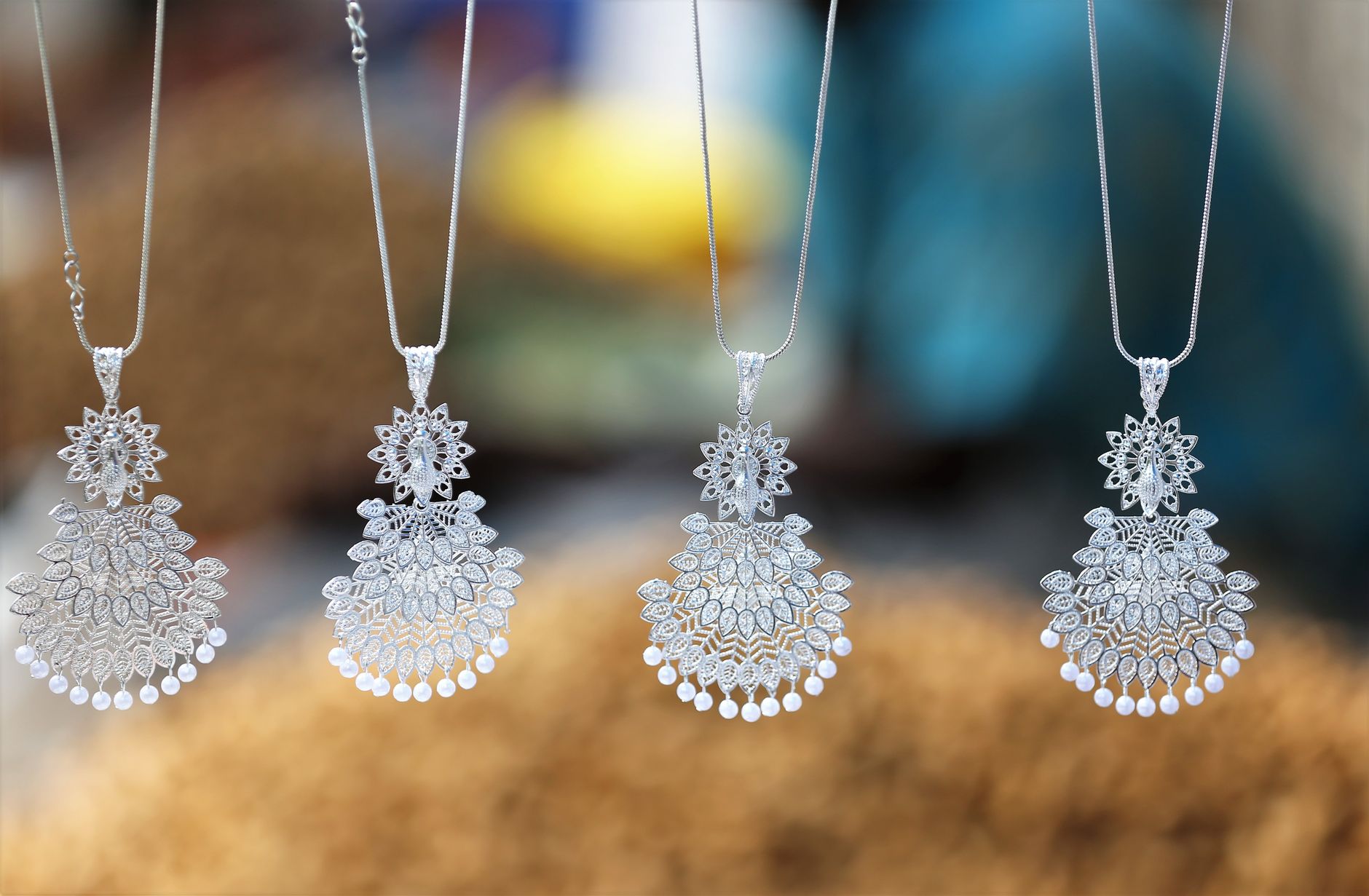
What is Sterling Silver Jewelry? Your Ultimate Guide
what is sterling silver jewelry

What is Sterling Silver Jewelry? Your Ultimate Guide

Uncover the allure of sterling silver jewelry, from its unique composition to its lasting beauty and care essentials.

Explore Sterling Silver

Key Takeaways

  • ✓ Sterling silver is an alloy made of 92.5% pure silver and 7.5% other metals, usually copper.
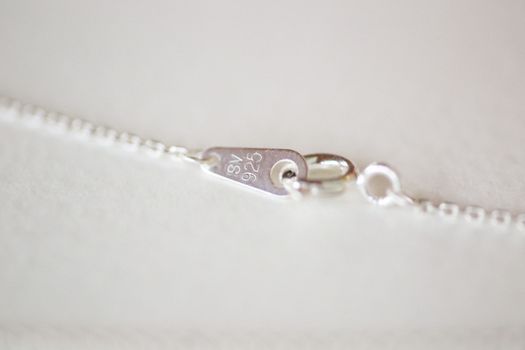
  • ✓ It is marked with a '925' stamp, indicating its purity.
  • ✓ Sterling silver is more durable and less prone to scratching than pure silver.
  • ✓ Tarnishing is a natural process for sterling silver, but it can be easily cleaned and prevented with proper care.

How It Works

1
Understanding the Alloy

Sterling silver isn't pure silver; it's a specific blend. This combination enhances its strength and suitability for intricate designs.

2
Identifying Genuine Sterling Silver

Look for the '925' hallmark, a crucial indicator of authenticity. This stamp guarantees the metal meets the sterling silver standard.

3
Embracing its Unique Properties

Appreciate its lustrous shine and versatility in jewelry design. Its inherent durability makes it a popular choice for everyday wear and special occasions.

4
Maintaining its Beauty

Learn effective cleaning and storage techniques to prevent tarnish and preserve its brilliance. Regular maintenance ensures your sterling silver pieces remain stunning for years.

The Allure and Composition of Sterling Silver Jewelry

When you hear the term "sterling silver jewelry," you're likely envisioning beautiful, lustrous pieces that catch the eye without breaking the bank. But what exactly is sterling silver, and what makes it such a popular choice among jewelry enthusiasts and designers alike? At its core, sterling silver is an alloy, meaning it's a metal created by combining two or more metallic elements. In the case of sterling silver, the primary component is pure silver, renowned for its dazzling shine and inherent beauty. However, pure silver, also known as fine silver (99.9% pure), is incredibly soft and malleable. While this makes it easy to shape, it also means pure silver jewelry would be highly susceptible to scratches, dents, and deforming, making it impractical for everyday wear. This is where the alloying process comes in. To give silver the necessary strength and durability for jewelry making, a small percentage of other metals is added. For sterling silver, this precise formulation consists of 92.5% pure silver and 7.5% other metals. Traditionally, and most commonly, this 7.5% is copper. The addition of copper significantly hardens the silver, making it robust enough to withstand the rigors of daily life while retaining silver's desirable aesthetic qualities. This specific ratio is so widely recognized and legally defined in many countries that it has become the standard for high-quality silver jewelry. The term "925 silver" is often used interchangeably with sterling silver, directly referencing this 92.5% purity. The benefits of this composition are numerous. Firstly, durability: sterling silver jewelry is far more resilient than its pure silver counterpart, allowing for intricate designs and long-lasting pieces that can be enjoyed for generations. Secondly, its workability: jewelers find sterling silver much easier to manipulate, solder, and set with gemstones, leading to a wider variety of designs and styles available on the market. Thirdly, its affordability: while still possessing the luxurious look of precious metal, sterling silver is significantly more accessible than gold or platinum, offering an excellent value proposition for those seeking high-quality, fashionable jewelry. This balance of beauty, strength, and cost-effectiveness is precisely why sterling silver has maintained its esteemed position in the jewelry world for centuries. Understanding this fundamental composition is the first step in appreciating the true value and appeal of sterling silver jewelry.

Identifying Genuine Sterling Silver: The '925' Mark and Beyond

With the popularity of sterling silver, it's crucial for consumers to be able to identify genuine pieces from imitations or lower-quality alloys. The most definitive and universally recognized indicator of authentic sterling silver is the "925" hallmark, or stamp. This small, often inconspicuous mark is typically found on an unobtrusive part of the jewelry piece, such as the clasp of a necklace, the inside of a ring band, the back of an earring, or near the bail of a pendant. The "925" mark explicitly signifies that the item contains 92.5% pure silver. Other variations you might encounter include "STER" or "Sterling," both of which are also acceptable markings for sterling silver in various regions, though "925" is the most common and widely understood internationally. Beyond the hallmark, there are other characteristics and tests that can help confirm the authenticity of sterling silver, though these are often best left to professionals or require specific tools. For instance, genuine sterling silver will not be magnetic. If a strong magnet attracts your jewelry, it's a clear sign that it's not sterling silver, but likely a base metal with a silver plating. Another subtle clue can be its weight; silver is a relatively dense metal, so a sterling silver piece should feel substantial for its size compared to lighter, cheaper alloys. However, this can be subjective and requires some experience to discern accurately. Be wary of terms like "silver-plated," "German silver," "nickel silver," or "Alpaca silver." These terms denote materials that contain no actual silver, or only a very thin layer of silver over a base metal. Silver-plated items, while initially appearing similar to sterling silver, will wear down over time, revealing the underlying base metal. Sterling silver, on the other hand, is solid throughout, meaning its beauty is not just skin deep. While it may tarnish, the silver itself will not wear off. Understanding these distinctions is vital for making informed purchasing decisions and ensuring you are investing in genuine, lasting quality. Always check for the "925" stamp as your primary verification method to ensure you're acquiring authentic sterling silver jewelry that will stand the test of time and maintain its value.

The Natural Process of Tarnishing and How to Combat It

One of the most common concerns people have regarding sterling silver jewelry is tarnishing. It's a natural chemical process, and understanding it is key to effectively maintaining your cherished pieces. Tarnish appears as a dull, dark discoloration—often brownish or blackish—on the surface of the silver. It's not a sign of poor quality or that your jewelry is fake; rather, it’s a direct result of the 7.5% copper (or other metals) in the sterling silver alloy reacting with sulfur-containing compounds in the air and moisture. These compounds, such as hydrogen sulfide, are present in our environment, in common household items, and even in our skin's natural oils. Over time, this reaction forms a thin layer of silver sulfide on the surface of the jewelry, which is what we perceive as tarnish. Several factors can accelerate the tarnishing process. High humidity, exposure to direct sunlight, and even certain foods (like eggs and onions) can contribute to faster tarnishing. Chemicals found in everyday products like perfumes, hairsprays, lotions, and cleaning agents are also major culprits. Even the natural oils and perspiration from your skin can react with the copper in the alloy. This is why jewelry that is worn frequently might tarnish differently than jewelry stored away, and why you might notice tarnish more quickly in humid climates. The good news is that tarnish is purely a surface phenomenon and does not damage the underlying silver. More importantly, it is entirely reversible and preventable with proper care. Regular cleaning and appropriate storage are your best defenses against tarnish. For light tarnish, a soft polishing cloth specifically designed for silver can often do the trick, gently restoring its shine. For more stubborn tarnish, a mild silver cleaning solution or a simple DIY paste of baking soda and water can work wonders. After cleaning, always rinse thoroughly with clean water and dry completely to prevent water spots and further tarnish. Storing your sterling silver in airtight bags or boxes, ideally with anti-tarnish strips, can significantly slow down the oxidation process. By implementing these practices, you can ensure your sterling silver jewelry remains brilliant and beautiful for many years to come, allowing you to enjoy its timeless elegance without constant worry about discoloration.

Caring for Your Sterling Silver: Tips and Common Mistakes

Proper care is essential to keep your sterling silver jewelry looking its best and to minimize tarnishing. Here are some invaluable tips and common mistakes to avoid: * **Wear It Often:** Surprisingly, wearing your sterling silver jewelry frequently can actually help prevent tarnish. The natural oils from your skin can act as a protective barrier. Just be sure to remove it before activities that involve harsh chemicals. * **Store It Correctly:** When you're not wearing your jewelry, store it in a cool, dry place away from direct sunlight. Individual airtight plastic bags (like Ziploc bags) are excellent for this, as they limit exposure to air and moisture. You can also add anti-tarnish strips to these bags for extra protection. * **Clean Regularly:** After each wear, gently wipe your jewelry with a soft cloth to remove skin oils, sweat, and dirt. For deeper cleaning, use a dedicated silver polishing cloth or a non-abrasive silver cleaner. Always follow the product instructions carefully. * **Avoid Harsh Chemicals:** This is a critical rule. Remove your sterling silver jewelry before swimming (especially in chlorinated pools or saltwater), showering, cleaning with household products, or applying lotions, perfumes, hairspray, and hand sanitizers. These chemicals can accelerate tarnishing and even damage the silver's finish. * **Handle with Care:** While sterling silver is durable, it's not indestructible. Avoid wearing delicate pieces during strenuous activities or sports where they might get scratched or bent. **Common Mistakes to Avoid:** * **Using Abrasive Materials:** Never use toothbrushes, paper towels, or abrasive cleaning pastes on your sterling silver, as these can scratch the surface. * **Boiling or Harsh Immersion:** While some DIY cleaning methods suggest boiling, this can be risky and potentially damage certain gemstones or finishes. Stick to gentle cleaning solutions. * **Mixing Metals in Storage:** Storing sterling silver with other metals, especially base metals, can sometimes encourage a chemical reaction that leads to faster tarnishing. * **Ignoring Tarnish:** Don't let tarnish build up. The longer it sits, the harder it is to remove without more aggressive cleaning methods. By following these simple guidelines, you can significantly extend the life and luster of your sterling silver jewelry, ensuring it remains a cherished part of your collection for years.

Comparison

FeatureSterling SilverPure Silver (Fine Silver)Silver Plated
Purity92.5% Silver, 7.5% Other (Copper)99.9% Pure SilverBase metal with thin silver layer
Durability✓ (Good for daily wear)✗ (Very soft, dents easily)✓ (Depends on base metal, plating wears off)
Tarnishing✓ (Yes, but cleanable)✓ (Less, but still possible)✓ (Base metal can corrode)
CostAffordableHighLow
Hallmark925, STER, Sterling999, Fine SilverNone (or EPNS, SP, etc.)

What Readers Say

"I used to be confused about why my 'silver' jewelry tarnished. This article explained what is sterling silver jewelry so clearly, now I understand it's natural and how to properly care for my beautiful pieces. My favorite necklace looks brand new after following the cleaning tips!"

Sarah J. · Austin, TX

"Excellent guide! I always looked for the 925 stamp but never truly understood its significance until reading this. It's truly helpful for anyone buying or owning sterling silver."

Mark D. · Seattle, WA

"After reading this, I've successfully revived several of my tarnished bracelets. The advice on storing sterling silver in airtight bags with anti-tarnish strips has been a game-changer; my jewelry stays bright much longer now."

Emily R. · Miami, FL

"Very comprehensive overview of what is sterling silver jewelry. I appreciated the detailed explanation of tarnishing and how to prevent it. While I knew some of this, the depth of information was truly valuable, especially the chemical avoidance tips."

David L. · Denver, CO

"As a jewelry maker, I often get questions about sterling silver from customers. This article covers everything perfectly, from composition to care. I'll be recommending it to all my clients!"

Jessica M. · Phoenix, AZ

Frequently Asked Questions

What is the primary difference between sterling silver and pure silver?

The primary difference lies in their purity and durability. Pure silver is 99.9% silver and very soft, making it prone to damage. Sterling silver is an alloy of 92.5% silver and 7.5% other metals (usually copper), making it significantly harder and more durable for jewelry, while still retaining silver's beautiful luster.

Will sterling silver jewelry turn my skin green?

It's highly unlikely for sterling silver to turn your skin green. The copper in the alloy can, in rare cases and with certain skin chemistries, react with sweat or chemicals to form a harmless greenish residue. This is not a sign of poor quality but a natural reaction, easily washed off and preventable with proper care and cleaning.

How do I clean tarnished sterling silver jewelry at home?

For light tarnish, gently rub with a silver polishing cloth. For heavier tarnish, create a paste with baking soda and a small amount of water, apply it with a soft cloth, then rinse thoroughly and dry completely. You can also use commercial silver cleaning solutions, always following the product's instructions carefully.

Is sterling silver jewelry expensive compared to other metals?

Sterling silver offers an excellent balance of quality and affordability. It is significantly less expensive than gold or platinum, making it a popular choice for high-quality, fashionable jewelry. Its value comes from its genuine silver content and durability, providing a luxurious look without the premium price tag of purer precious metals.

How does sterling silver compare to silver-plated jewelry?

Sterling silver is a solid alloy containing 92.5% silver throughout the piece. Silver-plated jewelry, on the other hand, is made of a base metal (like copper or brass) with only a very thin layer of silver coated on top. Silver-plated items are much cheaper, but the plating can wear off over time, revealing the base metal underneath, unlike solid sterling silver.

Who should choose sterling silver jewelry?

Sterling silver jewelry is ideal for anyone seeking beautiful, durable, and versatile pieces at an accessible price point. It's perfect for everyday wear, special occasions, and as thoughtful gifts. Its timeless appeal suits a wide range of styles and preferences, making it a favorite for those who appreciate classic elegance and lasting quality.

Is sterling silver safe for sensitive skin?

Generally, sterling silver is considered hypoallergenic for most people, as the high silver content is less likely to cause reactions. However, if you have a known allergy to copper, which is typically the 7.5% alloy metal, you might experience a reaction. Pure silver (99.9% fine silver) is the safest option for extremely sensitive skin.

What are the future trends for sterling silver jewelry?

Sterling silver continues to be a staple due to its versatility and affordability. Future trends suggest a focus on sustainable sourcing, innovative finishes like oxidized or hammered textures, and continued popularity in minimalist designs, personalized pieces, and gemstone-accented jewelry. Its enduring appeal ensures its place in evolving fashion.

Now that you understand what is sterling silver jewelry, you're equipped to make informed choices and care for your pieces like a pro. Embrace the timeless elegance and versatility of sterling silver, knowing you're investing in beauty that lasts.

Topics: what is sterling silver jewelrysterling silver compositionsterling silver caresterling silver tarnishing925 silver
Leo List

DK Escorts LU Escorts AT Escorts SE Escorts FI Escorts CH Escorts DE Escorts HR Escorts IE Escorts GR Escorts CZ Escorts NO Escorts BE Escorts FR Escorts SI Escorts IL Escorts NL Escorts PL Escorts HU Escorts ES Escorts IT Escorts PT Escorts SK Escorts RO Escorts ZA Escorts UY Escorts US Escorts UK Escorts NZ Escorts AU Escorts
Brampton weed
Adultwork EstrelaBet Vai de Bet R7 Bet Betão Galera Bet Rainbet Bet9ja Shop SportyBet BetKing Sisal Loto Foot Hollywoodbets YesPlay Odibets RushBet Jugabet BetWarrior BetCity MSport betPawa Fortebet