Identify what aspects of ethical production matter most to you, whether it's environmental impact, labor practices, or material sourcing. This will guide your search for the perfect brand.
2
Research Ethical Certifications
Look for brands that hold recognized certifications such as Fairmined, Fair Trade, or are members of the Responsible Jewellery Council. These third-party validations ensure accountability and transparency in their supply chain.
3
Explore Sustainable Materials
Consider jewelry made from recycled precious metals, ethically sourced gemstones, or lab-grown diamonds. These options significantly reduce the environmental and social footprint of your purchase, offering beauty without compromise.
4
Support Transparent Brands
Choose brands that openly share their sourcing practices, production methods, and commitment to their workers and communities. Transparency is a hallmark of truly ethical jewelry companies, building trust and ensuring responsible choices.
Why Choose Ethical Jewelry? Understanding the Impact
Photo: Adventure Studio / Pexels
In an increasingly conscious world, the choices we make as consumers extend far beyond mere aesthetics, especially when it comes to something as personal and valuable as jewelry. The term 'ethical jewelry' has emerged as a guiding principle for brands and buyers alike, signifying a commitment to responsible practices across the entire supply chain. But what exactly does this entail, and why should it matter to you? At its core, ethical jewelry addresses critical issues often overlooked in conventional production: human rights, environmental stewardship, and economic fairness. The traditional jewelry industry has historically been plagued by concerns ranging from conflict diamonds funding civil wars, to unsafe mining conditions, child labor, and devastating environmental destruction through irresponsible extraction methods. Choosing ethical jewelry means actively rejecting these harmful practices and supporting a system that prioritizes people and planet.
One of the primary pillars of ethical jewelry is ensuring fair labor practices. This means that miners, cutters, polishers, and artisans throughout the supply chain receive fair wages, work in safe conditions, and are not subjected to exploitative labor. Many ethical brands work directly with artisan communities, empowering them with training, resources, and fair compensation, allowing them to thrive economically and preserve traditional craftsmanship. This direct-to-artisan model often cuts out exploitative middlemen, ensuring a larger share of the profit returns to the creators. Beyond fair wages, ethical brands also often invest in community development projects, providing healthcare, education, and infrastructure improvements to the regions where their materials are sourced or products are made. This holistic approach creates a positive ripple effect, fostering sustainable development rather than merely extracting resources.
Environmental responsibility is another cornerstone. Conventional mining can lead to deforestation, soil erosion, water pollution from chemical runoff, and significant carbon emissions. Ethical jewelry brands strive to minimize their ecological footprint by employing a range of strategies. This includes using recycled precious metals, which significantly reduces the demand for new mining and its associated environmental damage. Many brands also prioritize ethically sourced gemstones, meaning they come from mines that adhere to strict environmental regulations, implement rehabilitation programs for mined land, and avoid harmful chemicals like mercury and cyanide. Furthermore, the rise of lab-grown diamonds offers a truly conflict-free and environmentally conscious alternative to mined diamonds, sharing the exact same chemical, physical, and optical properties without the ecological impact. When you choose ethical jewelry, you're investing in a future where beautiful adornments don't come at the expense of our planet or its people. It's a statement of values, a commitment to justice, and a celebration of craftsmanship that truly shines from within.
Key Certifications and What They Mean for Responsible Sourcing
Photo: olia danilevich / Pexels
Navigating the world of ethical jewelry can sometimes feel overwhelming, with various claims and terms being used. This is where certifications become invaluable. Third-party certifications provide an independent verification that a brand's practices meet specific ethical and sustainability standards, offering consumers peace of mind and ensuring accountability. Understanding these key certifications is crucial for making informed decisions when searching for the best ethical jewelry brands. One of the most prominent for gold and precious metals is Fairmined certification. The Fairmined Standard ensures artisanal and small-scale mining organizations meet rigorous requirements for responsible practices. This includes environmental protection, fair labor conditions, social development, and economic empowerment for the miners. When you see the Fairmined stamp, you know the gold was extracted responsibly, without child labor, and with respect for the environment and local communities. It's a powerful assurance against illicit and environmentally destructive mining.
Another significant player is the Responsible Jewellery Council (RJC). The RJC is a standards-setting and certification organization for the jewelry industry. Its Code of Practices addresses human rights, labor rights, environmental performance, mining practices, product disclosure, and many other important topics across the jewelry supply chain. Members are audited by independent, third-party auditors to ensure compliance. While RJC certification is comprehensive, it's important to note that it's a membership-based organization, and the level of engagement and commitment can vary among members. However, a brand's RJC certification is generally a strong indicator of a commitment to responsible business practices from mine to retail.
For gemstones, while a universal certification similar to Fairmined for gold is still evolving, several initiatives are making strides. The Kimberly Process Certification Scheme (KPCS) was established to prevent 'conflict diamonds' from entering the mainstream rough diamond market. While the KPCS has been instrumental in reducing the trade of conflict diamonds, critics argue its scope is limited, focusing only on diamonds funding rebel movements and not addressing broader human rights, labor, or environmental issues. Therefore, many ethical brands go beyond the KPCS, seeking 'conflict-free' diamonds from sources with transparent supply chains and verified ethical practices. Some brands also work with organizations like the Gem Legacy, which supports education, vocational training, and local economies in gem-mining regions, or source from specific mines known for their exceptional ethical standards.
Furthermore, for general ethical business practices, certifications like B Corp are gaining traction. B Corps are businesses that meet the highest standards of verified social and environmental performance, public transparency, and legal accountability to balance profit and purpose. A jewelry brand with B Corp certification indicates a holistic commitment to ethical practices across all aspects of its operations, not just sourcing. By looking for these certifications and understanding what they represent, you can confidently identify brands that are truly dedicated to making a positive impact, ensuring your beautiful jewelry also carries a beautiful story of integrity.
Spotlighting the Best Ethical Jewelry Brands: Our Top Picks
Photo: İsminur TERZİOĞLU / Pexels
Choosing to invest in ethical jewelry is a powerful statement, and thankfully, a growing number of brands are making it easier than ever to do so without compromising on style or quality. We've meticulously researched and curated a list of some of the best ethical jewelry brands that stand out for their unwavering commitment to sustainability, fair labor, and transparent sourcing. These brands exemplify what it means to be truly responsible, offering exquisite pieces that you can wear with pride. Each one brings a unique approach to ethical production, catering to diverse tastes and preferences while upholding the highest standards of integrity.
First on our list is **Brilliant Earth**, a pioneering brand renowned for its commitment to conflict-free diamonds and responsible sourcing. Brilliant Earth goes above and beyond the Kimberley Process, sourcing diamonds from mines that adhere to strict labor and environmental standards, and offering a wide selection of recycled precious metals. They also champion lab-grown diamonds, providing a truly sustainable and ethical alternative. Their transparency is commendable, often detailing the origin of their gemstones and metals. For those seeking engagement rings or fine jewelry with absolute peace of mind, Brilliant Earth is a top-tier choice.
Next, we have **Catbird**, a beloved Brooklyn-based brand celebrated for its delicate, whimsical, and often personalized pieces. Catbird prides itself on being a truly ethical brand, crafting all of its jewelry in-house in their Brooklyn studio using 100% recycled gold and ethically sourced stones. They are committed to fair wages and safe working conditions for their team, and their dedication to sustainability extends to their packaging and operational practices. Their unique designs and commitment to local, ethical production make them a favorite among those who appreciate craftsmanship and conscious consumerism.
**Mejuri** has quickly risen in popularity, making fine jewelry accessible and, importantly, ethical. While not all of their materials are certified Fairmined, Mejuri is transparent about their sourcing, working with reputable suppliers who adhere to ethical labor and environmental standards. They prioritize traceable gold and often use recycled materials. Their direct-to-consumer model allows them to offer high-quality, ethically produced pieces at a more approachable price point, making ethical jewelry more attainable for a broader audience. Mejuri is an excellent option for everyday luxury with a conscience.
Finally, consider **Soko**, a brand that truly embodies the spirit of fair trade and artisan empowerment. Soko partners with independent artisans in Kenya, utilizing sustainable materials like recycled brass, reclaimed horn, and ethically sourced wood to create contemporary, handcrafted jewelry. Their innovative mobile-tech platform connects these artisans directly to the global market, ensuring fair wages and economic opportunities that transcend traditional exploitative supply chains. Each Soko piece tells a story of empowerment and collaboration, offering unique, culturally rich designs that make a direct positive impact on communities. These brands represent just a fraction of the incredible work being done in the ethical jewelry space, but they provide excellent starting points for anyone looking to make a responsible and beautiful choice.
Tips for Identifying Truly Ethical Jewelry & Avoiding Greenwashing
As the demand for ethical products grows, so too does the unfortunate practice of 'greenwashing' – where companies deceptively market their products as environmentally friendly or ethically produced without genuine commitment. Identifying truly ethical jewelry requires a discerning eye and a bit of savvy. Here are essential tips to help you navigate the market, avoid misleading claims, and ensure your purchases genuinely align with your values:
* **Look for Transparency, Not Just Claims:** Truly ethical brands are open about their supply chains. They'll tell you where their materials come from, how they're processed, and under what conditions. Look for detailed information on their website, not just vague statements about being 'eco-friendly' or 'responsible.' If a brand is cagey about specifics, that's a red flag.
* **Verify Certifications:** As discussed, certifications like Fairmined, Responsible Jewellery Council (RJC), and B Corp are crucial. Don't just take a brand's word for it; check if the certification is current and if the brand is listed on the certifying body's website. Understand what each certification covers to ensure it aligns with your priorities.
* **Question 'Conflict-Free' Claims:** While the Kimberley Process helps, it has limitations. Many ethical brands go beyond KPCS. Ask or look for details on their 'conflict-free' guarantee – does it include human rights and environmental considerations, or just rebel funding? Brands using lab-grown diamonds offer a fully conflict-free alternative.
* **Research Material Sourcing:**
* **Recycled Metals:** Ensure the brand specifies 100% recycled gold or silver. Some brands might use a small percentage and still market it as 'recycled.'
* **Ethically Sourced Gemstones:** Look for specific origins, partnerships with known ethical mines, or details about their vetting process for suppliers. Avoid brands with generic 'ethically sourced' claims without further explanation.
* **Lab-Grown Diamonds:** These are a fantastic ethical choice, but ensure the brand is clear about their origin and quality.
* **Examine Labor Practices:** Ethical brands often highlight their commitment to fair wages, safe working conditions, and community development. Look for mentions of direct artisan partnerships or fair trade practices. If a brand only focuses on materials and ignores labor, it's an incomplete ethical picture.
* **Consider Packaging and Operations:** A truly ethical brand often extends its values beyond the product itself. Do they use sustainable packaging? Are their operations carbon neutral? Do they support charitable causes? These holistic efforts indicate a deeper commitment to sustainability.
* **Read Independent Reviews and Articles:** Look for independent articles, ethical guides, and consumer reviews that discuss the brand's ethical standing. While a brand's own marketing is important, third-party perspectives can offer a more balanced view.
* **Ask Questions:** Don't hesitate to reach out to a brand's customer service with specific questions about their ethical practices. A transparent and ethical brand will be happy to provide detailed answers.
By following these tips, you can confidently identify the best ethical jewelry brands and make purchases that truly reflect your commitment to a more responsible and sustainable world.
The Future of Ethical Jewelry: Innovation and Expansion
The landscape of ethical jewelry is not static; it's a dynamic and rapidly evolving sector driven by consumer demand, technological innovation, and a deeper understanding of global supply chains. As we look to the future, several exciting trends and developments are poised to further shape and expand what it means to be an ethical jewelry brand. These advancements promise even greater transparency, sustainability, and positive impact, making it easier for consumers to make responsible choices without sacrificing beauty or quality.
One of the most significant areas of innovation is in **traceability and supply chain transparency**. While many brands currently provide general information, the future will see more widespread implementation of advanced technologies like blockchain. Blockchain can create an immutable, verifiable record of a gemstone or metal's journey from mine to market, detailing its origin, cuts, certifications, and even the hands that touched it along the way. This level of granular transparency will make greenwashing virtually impossible and empower consumers with unprecedented insight into their jewelry's provenance. Imagine scanning a QR code on your ring and instantly seeing its entire ethical journey – that future is rapidly approaching.
Another major trend is the continued rise and acceptance of **lab-grown diamonds and alternative materials**. As technology improves, lab-grown diamonds are becoming even more indistinguishable from their mined counterparts, often at a more accessible price point and with zero environmental or social footprint from mining. Beyond diamonds, we can expect to see more brands experimenting with innovative, sustainable materials, such as recycled ocean plastics transformed into unique design elements, or responsibly sourced wood and plant-based resins. This push for material innovation not only reduces reliance on traditional mining but also opens up new aesthetic possibilities for jewelry designers.
Furthermore, there's a growing emphasis on **circularity within the jewelry industry**. This means moving beyond just recycling metals to designing jewelry with its end-of-life in mind. Brands are exploring take-back programs, repair services, and even leasing models to extend the lifespan of their products and minimize waste. The concept of 'upcycling' existing pieces or repurposing antique components will also become more prevalent, celebrating the history of materials while giving them new life. This circular approach minimizes resource depletion and reduces the overall environmental impact of jewelry production.
Finally, the **empowerment of artisan communities and fair trade practices** will continue to expand. As consumers become more aware of the human stories behind their jewelry, brands are increasingly investing in direct partnerships with artisan groups worldwide. This not only ensures fair wages and safe working conditions but also fosters the preservation of traditional craft techniques and provides economic stability for vulnerable communities. The future of ethical jewelry is one where every piece tells a story of positive impact, where innovation meets integrity, and where consumers can truly adorn themselves with beauty that makes a difference. The best ethical jewelry brands of tomorrow will be those that embrace these evolving standards, continuing to push the boundaries of what is possible in responsible luxury.
Comparison
Feature
Brilliant Earth
Catbird
Mejuri
Soko
Conflict-Free Diamonds
✓ (Beyond KPCS, Lab-Grown)
Limited/Recycled
✓ (Traceable)
N/A (Non-diamond focused)
Recycled Metals
✓ (Gold, Platinum, Silver)
✓ (100% Gold)
✓ (Gold, some Silver)
✓ (Recycled Brass)
Fair Labor Practices
✓ (Audited Suppliers)
✓ (In-house, fair wages)
✓ (Audited Suppliers)
✓ (Direct artisan partnership)
Transparency
High (Detailed sourcing)
High (Local production)
Good (Supplier info)
High (Artisan stories)
Price Point
$$$$
$$$
$$
$$
Style
Classic, Modern
Delicate, Whimsical
Minimalist, Everyday
Bohemian, Statement
What Readers Say
★★★★★
"I was so impressed with Brilliant Earth's commitment to ethical sourcing for my engagement ring. Knowing my diamond was truly conflict-free and the gold recycled made the purchase feel incredibly special and aligned with my values. The customer service was exceptional, guiding me through every step."
Sarah J. · Austin, TX
★★★★★
"Mejuri has become my go-to for everyday pieces. Their quality is fantastic for the price, and I appreciate their transparency about where their gold comes from. It's great to find stylish, accessible jewelry that also makes an effort to be responsible."
David M. · Portland, OR
★★★★★
"My Catbird stacked rings are not only beautiful but also made right here in Brooklyn with recycled gold. It feels good to support a local brand that prioritizes ethical labor and sustainable materials. Their unique designs always get compliments."
Emily R. · Brooklyn, NY
★★★★★
"Soko offers such unique, handcrafted pieces, and I love that my purchase directly supports artisans in Kenya. While I wish there were more fine jewelry options, their brass and horn designs are stunning and truly make a statement about ethical fashion."
Jessica L. · Seattle, WA
★★★★★
"Choosing an ethical wedding band was important to us. We found a beautiful recycled platinum band from Brilliant Earth, and the entire experience was seamless. It's reassuring to know our rings symbolize not just our love, but also our commitment to a better world."
Michael S. · Denver, CO
Frequently Asked Questions
What makes a jewelry brand 'ethical'?
An ethical jewelry brand prioritizes fair labor practices, environmental protection, and responsible sourcing of materials throughout its entire supply chain. This includes ensuring fair wages and safe working conditions for miners and artisans, minimizing environmental impact, and using conflict-free and sustainable materials like recycled metals or lab-grown diamonds.
Are ethical diamonds truly conflict-free?
While the Kimberley Process Certification Scheme aims to prevent conflict diamonds, many ethical brands go further by sourcing from specific mines with verified ethical practices, using recycled diamonds, or offering lab-grown diamonds. Lab-grown diamonds are a 100% conflict-free and environmentally conscious choice, sharing the exact same chemical and physical properties as mined diamonds.
How can I verify a jewelry brand's ethical claims?
Look for third-party certifications such as Fairmined for gold, Responsible Jewellery Council (RJC) membership, or B Corp certification. Truly ethical brands will also provide extensive transparency on their websites regarding their sourcing, labor practices, and environmental initiatives. Don't hesitate to contact their customer service with specific questions.
Is ethical jewelry more expensive than traditional jewelry?
Ethical jewelry can sometimes have a higher upfront cost due to the investment in fair labor, sustainable practices, and responsible sourcing. However, this cost reflects the true value of production, ensuring workers are paid fairly and the environment is protected. Considering its positive impact and often superior quality, many find the value to be significantly greater in the long run.
What's the difference between recycled and newly mined metals?
Recycled metals (gold, silver, platinum) are melted down and refined from existing jewelry, electronics, or industrial waste. This significantly reduces the environmental impact associated with new mining, which can cause deforestation, water pollution, and high carbon emissions. Newly mined metals require extraction from the earth, often with significant ecological and social costs.
Who should consider buying ethical jewelry?
Anyone who cares about the environmental and social impact of their purchases should consider buying ethical jewelry. It's ideal for individuals looking for engagement rings, wedding bands, or any fine jewelry who want to ensure their beautiful pieces don't contribute to exploitation, conflict, or environmental harm. It's for conscious consumers who seek beauty with integrity.
Are lab-grown diamonds safe for the environment?
Lab-grown diamonds are generally considered more environmentally friendly than mined diamonds because they don't require destructive mining operations. While they do consume energy in their creation, many labs are moving towards renewable energy sources. They eliminate the issues of land disruption, habitat destruction, and water pollution associated with traditional diamond mining.
What future trends can we expect in ethical jewelry?
The future of ethical jewelry will likely see increased use of blockchain for end-to-end traceability, further innovation in sustainable materials beyond recycled metals (e.g., bio-based resins), and a greater emphasis on circular economy principles like repair, repurposing, and take-back programs. The focus will continue to be on maximizing positive social and environmental impact.
Ready to make a statement that shines from within? Explore the best ethical jewelry brands today and discover exquisite pieces that perfectly align with your values. Choose beauty, choose integrity, choose a brighter future for our planet and its people.
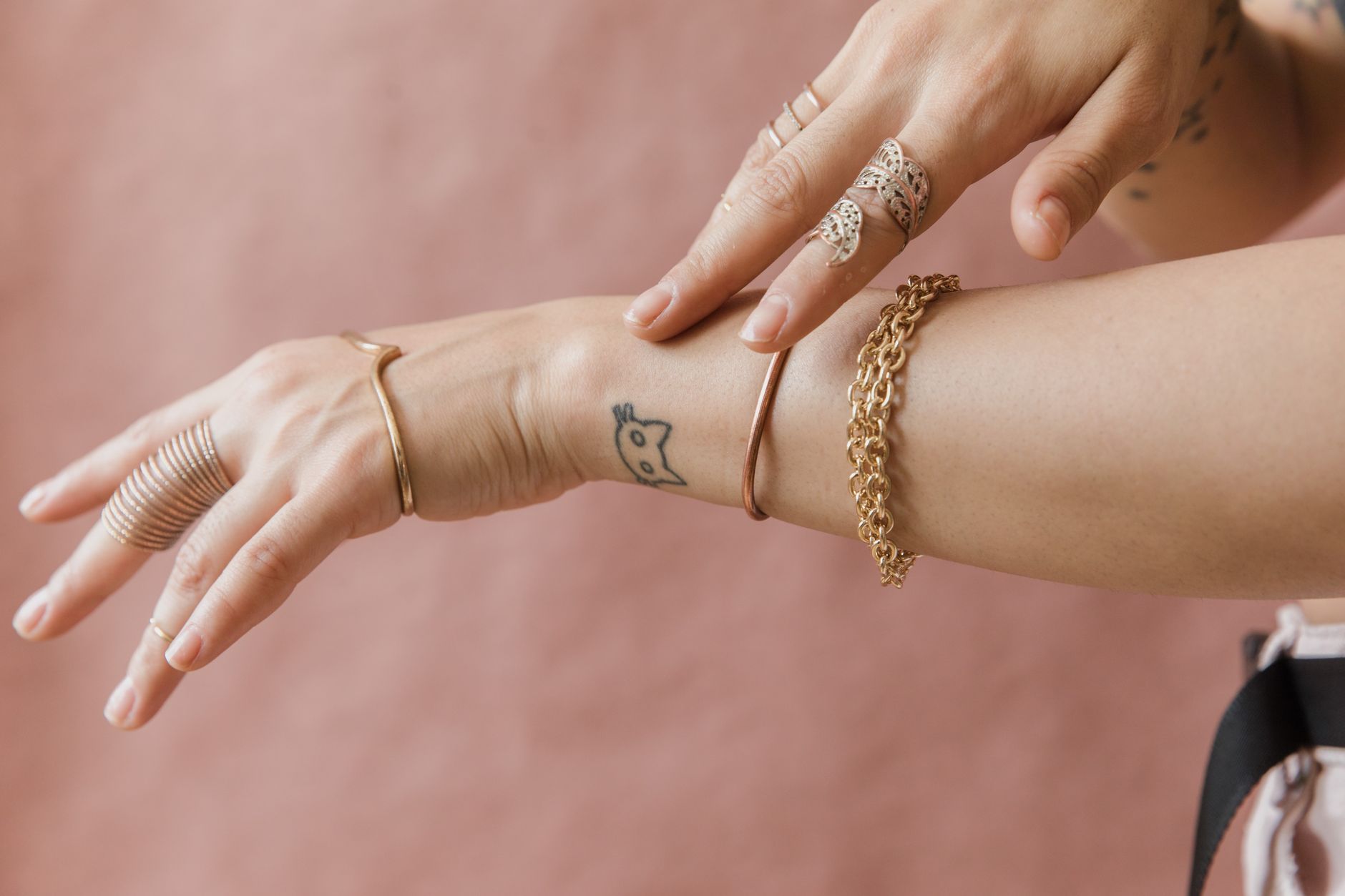
 Photo: Adventure Studio / Pexels
 Photo: olia danilevich / Pexels
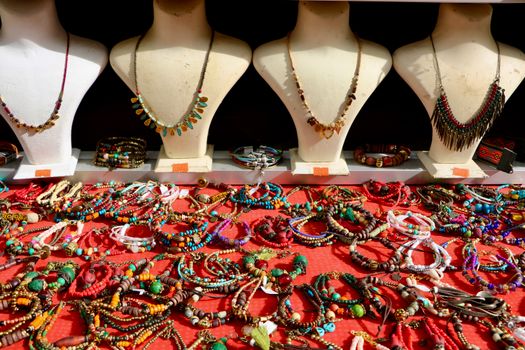 Photo: İsminur TERZİOĞLU / Pexels