Unveiling the Different Types of Necklace Chains
July 17, 2026 16 min read 3,155 words
Explore the intricate world of necklace chains, from classic designs to modern marvels, and find your perfect match.
Explore Chain Styles
Understanding the Fundamentals of Necklace Chain Styles
 Photo: Darya Sannikova / Pexels
The world of necklace chains is vast and varied, offering an astounding array of styles, each with its unique characteristics, history, and aesthetic appeal. Before diving into specific types, it's crucial to grasp the foundational elements that define these captivating pieces of
jewelry. A chain is more than just a series of interconnected links; it’s a deliberate design choice that influences the overall look, feel, and durability of a necklace. The fundamental design principles revolve around how individual links are shaped, arranged, and joined together. Some chains are designed for strength and resilience, capable of supporting heavy pendants, while others are crafted for delicate elegance, intended to be worn alone or with lightweight charms. The interplay of light on the links, the fluidity of their movement, and even the sound they make when worn all contribute to their allure.
One of the primary distinctions among chain types lies in their link structure. Some chains feature uniform, symmetrical links that create a consistent pattern, such as the classic cable chain or the elegant Figaro. Others incorporate varied link sizes or shapes, resulting in more intricate and dynamic designs, like the Byzantine or the wheat chain. The method of connection is equally important. Links can be soldered for maximum security, allowing for a strong, continuous piece, or they can be left unsoldered to create a more flexible and fluid drape. The choice between these methods significantly impacts the chain's longevity and its ability to withstand daily wear and tear.
Beyond the basic link structure, the manufacturing process plays a vital role in shaping a chain's final appearance and quality. Chains can be machine-made for precision and consistency, often resulting in lower costs, or they can be handcrafted by skilled artisans, offering unique variations and a touch of bespoke luxury. Hand-finished chains, even if machine-assembled, often undergo additional polishing, texturing, or plating processes to enhance their visual appeal and durability. The metal used is another crucial factor. While gold and silver are timeless choices, offering beauty and intrinsic value, other metals like platinum, stainless steel, and even alternative alloys are increasingly popular for their specific properties, such as hypoallergenic qualities, resistance to tarnish, or unique color profiles. Each metal brings its own set of characteristics to the chain, influencing its weight, luster, and maintenance requirements.
Understanding these fundamentals allows one to appreciate the artistry and engineering behind each chain type. It empowers you to make informed decisions, whether you're selecting a chain for a cherished pendant, building a layered look, or simply seeking a standalone statement piece. The right chain doesn't just hold a pendant; it enhances it, frames the wearer's neckline, and reflects personal style. This foundational knowledge is the first step in becoming a connoisseur of necklace chains, moving beyond simply seeing a chain to understanding its intricate construction and intended purpose. From the humble paperclip chain to the opulent rope chain, each style has a story to tell and a place in the diverse landscape of jewelry design. The depth of this variety ensures that there is truly a perfect chain for every occasion, every pendant, and every individual preference, making the exploration of different types of necklace chains an endlessly fascinating journey.
Exploring Popular Necklace Chain Structures and Their Characteristics
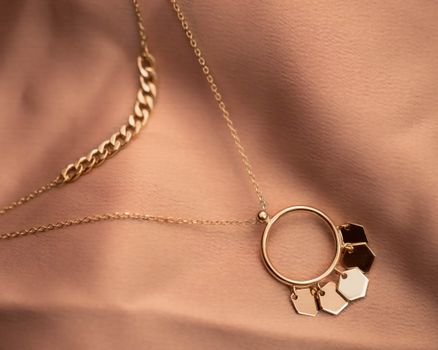 Photo: Maryam / Pexels
Delving deeper into the specific structures, we encounter a fascinating world of distinct designs, each offering unique visual and functional attributes. The **Cable Chain**, often considered the most basic and fundamental, is characterized by uniform, oval or round links interconnected. Its simplicity is its strength, making it incredibly versatile and a perfect choice for showcasing pendants without distraction. Cable chains are robust and relatively easy to repair, making them a popular everyday option. A variation, the **Curb Chain**, features links that are twisted and then flattened, allowing them to lie flat against the skin. This creates a bolder, more substantial look, often favored for men's jewelry or as a standalone statement piece. Its links can range from delicate to chunky, offering a spectrum of styles within this single category. The curb chain is known for its durability and classic appeal.
Moving to more intricate designs, the **Figaro Chain** is easily recognizable by its pattern of alternating link sizes – typically three small links followed by one elongated link. Originating in Italy, the Figaro chain exudes a sophisticated elegance and is a popular choice for both men and women, often worn without a pendant due to its inherent decorative quality. It offers a unique visual rhythm and is a staple in many jewelry collections. The **Rope Chain** is another highly popular and visually striking option. It consists of multiple small links that are woven or twisted together to resemble a rope. This construction makes it incredibly strong and durable, while also giving it a rich, textured appearance that catches the light beautifully. Rope chains are often chosen for their luxurious feel and ability to be worn alone or with substantial pendants. They can range from thin and delicate to thick and opulent.
The **Box Chain**, also known as a Venetian chain, is made from square or box-shaped links that are interconnected to form a smooth, four-sided chain. This geometric design gives it a modern, sleek appearance. Box chains are very strong and less prone to tangling than some other styles, making them an excellent choice for holding pendants, especially those with sharp edges that might fray other chain types. Their solid construction ensures durability and a polished look. The **Snake Chain** is a unique style composed of tightly linked, curved plates or bands that form a continuous, flexible tube, resembling a snake's skin. It has a smooth, fluid feel and a slightly rigid drape, making it ideal for certain types of pendants that require a clean, unbroken line. However, snake chains can be delicate and prone to kinking if not handled with care, as their intricate construction makes them harder to repair.
Lastly, the **Wheat Chain**, also known as a Spiga chain, is made of four strands of oval links braided and twisted together, creating a dense, textured pattern that resembles stalks of wheat. This chain is known for its strength, durability, and elegant appearance. It has a beautiful fluidity and a slightly heavier feel than many other chains, making it a fantastic option for showcasing substantial pendants or for wearing as a standalone piece. The woven nature of the wheat chain also makes it less likely to snag or break. Each of these popular chain structures offers a distinct aesthetic and level of resilience, allowing jewelers and wearers alike to choose the perfect foundation for any necklace, whether it's for everyday wear, a special occasion, or a cherished heirloom. Understanding these characteristics is vital for making an informed decision about the longevity and visual impact of your chosen piece.
Delving into Niche and Decorative Necklace Chain Designs
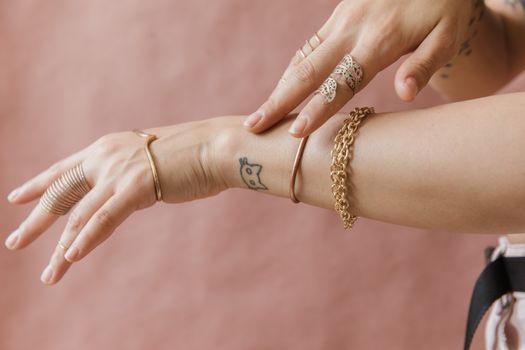 Photo: RDNE Stock project / Pexels
Beyond the widely recognized styles, the realm of necklace chains expands into a fascinating collection of niche and decorative designs, each offering unique textures, patterns, and levels of artistry. These chains often serve as statement pieces themselves, or provide a distinctive backdrop for more unusual pendants. One such design is the **Byzantine Chain**, also known as a 'Birdcage' or 'Etruscan' chain. This intricate design is a four-in-one pattern where links interlock in a complex, circular fashion, creating a full, rounded, and highly textured chain. The Byzantine chain is incredibly durable and flexible, offering a luxurious and ancient aesthetic. Its elaborate construction means it’s often worn alone as a focal point, commanding attention with its rich visual depth and historical appeal. It's a testament to the artisan's skill and a truly timeless piece of
jewelry.
The **Ball Chain**, or Bead Chain, is easily identifiable by its series of small metal spheres, either solid or hollow, connected by tiny bars or wires. This creates a chain with a segmented, dotted appearance. Ball chains are often used for dog tags, keychains, or as delicate, minimalist necklaces. They are relatively strong for their size, but the connections between the beads can sometimes be a weak point if subjected to extreme stress. Despite this, their simple, modern look makes them a popular choice for casual wear and contemporary designs. Another distinctive style is the **Paperclip Chain**, which has surged in popularity recently. As its name suggests, it features elongated, oval-shaped links that resemble paperclips, often flat or slightly twisted. This chain offers a contemporary, minimalist, and chic aesthetic. Its open links make it lightweight and versatile, perfect for layering with other necklaces or for showcasing a small, elegant pendant. The paperclip chain embodies modern sophistication and a relaxed, yet stylish, vibe.
For those seeking something truly unique, the **Singapore Chain** offers an intriguing twist. It's a twisted curb chain, where the links are flattened and then woven to create a fluid, shimmering spiral. This design reflects light beautifully, giving the impression of constant movement and sparkle. Singapore chains are elegant and often chosen for their delicate yet strong appearance, making them suitable for both pendants and as standalone pieces. They offer a refined alternative to more common styles. The **Herringbone Chain** is another visually striking option, characterized by its flat, intricate V-shaped links that lie perfectly flat and smooth against the skin, resembling the bone structure of a herring. This chain is known for its luxurious, liquid-like drape and high polish, which creates a continuous, shimmering surface. However, due to its flat, tightly woven structure, herringbone chains are notoriously delicate and prone to kinking or bending if not handled with extreme care, making them challenging to repair. Despite this, their undeniable elegance makes them a beloved choice for formal wear.
Finally, the **Franco Chain** is a sturdy and stylish option derived from the curb chain, but with four sides formed by V-shaped links. This creates a dense, durable, and masculine chain with a smooth finish. Franco chains are highly resistant to tangling and are excellent for heavy pendants or as substantial standalone pieces. Their robust construction and sleek appearance make them a favorite among those who prioritize both strength and style. These niche and decorative chains demonstrate the endless creativity in jewelry design, offering a rich tapestry of options for personal expression and functional beauty, ensuring that there is always a chain to perfectly match any aesthetic or need.
Choosing the Perfect Necklace Chain: Tips and Common Mistakes
 Photo: Vika Glitter / Pexels
Selecting the ideal necklace chain involves more than just picking a pretty design; it requires careful consideration of various factors to ensure longevity, comfort, and aesthetic harmony. One of the most crucial tips is to **match the chain's strength to the pendant's weight**. A delicate snake chain, for instance, will struggle to support a heavy, ornate locket and is likely to break or kink. Conversely, a chunky rope chain might overpower a tiny, minimalist charm. Always ensure the chain's gauge and link strength are proportionate to the pendant it will carry. A good rule of thumb is that if the pendant feels substantial in your hand, opt for a chain with visible strength, such as a box, wheat, or Franco chain.
Another key tip is to **consider the chain's material in relation to your lifestyle and skin sensitivities**. If you have metal allergies, hypoallergenic options like stainless steel, platinum, or high-karat gold (14k or 18k) are preferable. For active individuals, durable metals and robust chain types like curb or Figaro chains might be more suitable than delicate styles prone to snagging. **Think about the overall aesthetic you want to achieve.** Are you aiming for a subtle sparkle, a bold statement, or a layered look? A highly textured chain like a rope or Byzantine can stand alone, while a simple cable or box chain provides a clean canvas for pendants and layering. For layering, varying chain lengths and textures creates visual interest.
**Common Mistakes to Avoid:**
* **Ignoring the clasp type:** A beautiful chain is useless if the clasp is flimsy or difficult to operate. Lobster clasps are generally more secure and user-friendly than spring rings, especially for heavier chains or those worn frequently. Toggle clasps are decorative but can come undone if not properly secured.
* **Overlooking chain length and neckline compatibility:** A chain that's too long can get caught on things, while one that's too short might feel constricting or not sit correctly with your outfit's neckline. Consider where you want the pendant to rest and measure accordingly. Standard lengths like 16, 18, and 20 inches are common, but personal preference and outfit choice are key.
* **Neglecting maintenance requirements:** Some chains, like herringbone, are notoriously difficult to clean and prone to kinking, requiring gentle handling and professional cleaning. Others, like sterling silver, will tarnish over time if not regularly polished. Understand the care instructions for your chosen chain type to ensure its beauty lasts.
* **Buying solely based on price:** While budget is a factor, prioritizing the cheapest option can lead to disappointment. A very inexpensive chain might be made of lower-quality metal, have weak links, or a poor finish, leading to breakage or discoloration. Invest in a chain that balances quality, durability, and aesthetic appeal within your budget.
By keeping these tips in mind and avoiding common pitfalls, you can confidently choose a necklace chain that not only looks stunning but also serves its purpose beautifully for years to come.
