How to Choose a Wedding Band: Your Ultimate Guide
how to choose a wedding band

How to Choose a Wedding Band: Your Ultimate Guide

Find the perfect wedding band that beautifully complements your engagement ring and enduring love story.

Start Your Journey

Key Takeaways

  • ✓ Consider your lifestyle when selecting band material for durability.
  • ✓ The wedding band should complement, not overpower, the engagement ring.
  • ✓ Comfort is paramount, especially for a ring worn daily.
  • ✓ Budget, metal, style, and fit are the core considerations.

How It Works

1
Understand Your Style & Lifestyle

Before diving into options, reflect on your personal aesthetic and daily activities. This helps narrow down suitable materials and designs that will stand the test of time and wear.

2
Explore Metal Options

Research different metals like gold, platinum, palladium, and alternative metals, understanding their pros, cons, and how they interact with your skin and existing jewelry. Each metal offers unique characteristics in terms of durability, color, and price.

3
Consider Complementary Designs

If you have an engagement ring, ensure your wedding band harmonizes with its design, shape, and metal. Try them on together to see how they sit and feel as a set, ensuring a cohesive look.

4
Prioritize Comfort and Fit

Since you'll wear this ring every day, a comfortable fit is crucial. Factor in finger swelling due to temperature or activity and consider band width and profile to ensure it feels right on your hand.

Understanding Wedding Band Metals: Durability, Aesthetics, and Value

Choosing the right metal for your wedding band is one of the most critical decisions you'll make, influencing not only its appearance but also its durability, maintenance, and long-term value. This isn't merely about aesthetics; it's about selecting a material that will withstand the test of time, reflecting the enduring nature of your commitment. The market offers a wide array of options, each with unique characteristics that cater to different preferences and lifestyles. Gold, in its various karats and colors, remains a timeless favorite. 14k and 18k gold are popular choices, offering a balance between purity and strength. Yellow gold exudes classic warmth, while white gold, often rhodium-plated for brightness, provides a sleek, modern look. Rose gold, with its romantic, blushing hue, has seen a surge in popularity, appealing to those seeking a distinctive yet elegant option. It's crucial to understand that white gold requires periodic re-plating to maintain its luster, a factor to consider in its long-term care. Learn more about gold jewelry care. Platinum stands out as a premium choice, renowned for its exceptional durability, natural white color that never fades, and hypoallergenic properties. Unlike white gold, platinum does not require rhodium plating; instead, it develops a beautiful patina over time, which many find appealing. Its density makes it heavier than gold, providing a substantial feel on the finger. However, this superior quality comes at a higher price point. Palladium, a sister metal to platinum, offers a similar white appearance and hypoallergenic qualities but is lighter and typically less expensive. Its availability has fluctuated, making it less common in recent years, but it remains an excellent option if found. Beyond traditional precious metals, alternative metals have gained traction, especially for men's wedding bands, due to their strength, unique aesthetics, and often more accessible price points. Tungsten carbide is incredibly scratch-resistant, maintaining its polished look for years, though it cannot be resized. Titanium is lightweight, durable, and hypoallergenic, perfect for active individuals. Cobalt chrome offers a bright white finish similar to platinum but is more scratch-resistant and affordable. Each metal tells a different story and suits a particular wearer. Consider not only the initial cost but also the long-term maintenance, how it will age, and most importantly, how it feels on your hand. Your wedding band is a piece of jewelry you'll wear daily, so its comfort and resilience are paramount. Evaluating these factors carefully will ensure your chosen metal truly embodies your personal style and commitment.

Navigating Wedding Band Styles: From Classic to Contemporary

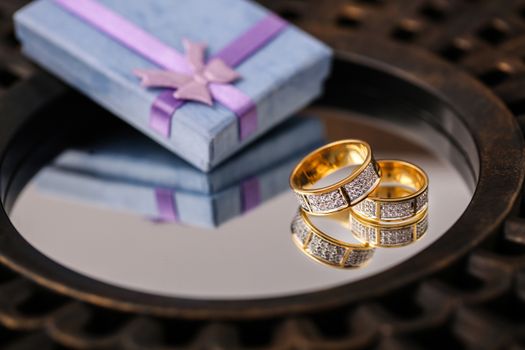
The style of your wedding band is a deeply personal expression, reflecting your individuality and the essence of your union. With an overwhelming variety of designs available, understanding the key categories can help you narrow down your choices and find a band that resonates with your aesthetic. Classic bands, often referred to as plain bands, are simple, unadorned circles of metal. Their timeless elegance and versatility make them a popular choice, seamlessly complementing any engagement ring or standing beautifully on their own. These bands can vary in width, profile (flat, domed, or knife-edge), and finish (polished, brushed, or matte), allowing for subtle customization. Their enduring appeal lies in their understated sophistication and comfort, making them ideal for everyday wear without catching on clothing or interfering with activities. For those seeking a touch more sparkle, diamond wedding bands offer a luxurious option. These can range from subtle accents to full eternity bands, where diamonds encircle the entire ring. Eternity bands symbolize everlasting love, making them a profoundly romantic choice. Half-eternity bands, with diamonds covering only the top half, offer similar brilliance while often being more comfortable for daily wear and easier to resize. The setting of the diamonds—pavé, channel, or bezel—also influences the overall look and durability. Pavé settings offer maximum sparkle, while channel settings provide a sleek, protected look, and bezel settings secure each diamond individually for a modern, clean finish. Matching your diamond band to your engagement ring's diamond quality and setting style creates a cohesive and stunning bridal set. Beyond these traditional styles, contemporary designs offer unique and personalized options. Curved or contoured bands are specifically designed to fit snugly against an engagement ring with an unusual shape, preventing gaps and creating a seamless look. Stackable bands, often thinner and designed to be worn in multiples, allow for creative expression and can be added to over time to commemorate anniversaries or special occasions. Engraved bands, featuring intricate patterns or personalized messages, add a deeply meaningful touch. For those who prefer a less traditional approach, alternative materials like wood, carbon fiber, or ceramic can be incorporated into designs, offering a distinct and modern aesthetic. Ultimately, the best style is one that feels authentic to you, is comfortable to wear, and harmonizes with your existing jewelry, especially your engagement ring. Don't be afraid to try on many different styles and consider how they make you feel – this is a piece of jewelry you'll cherish for a lifetime.

Ensuring the Perfect Fit and Comfort: A Lifetime of Wear

The importance of a perfect fit for your wedding band cannot be overstated. Unlike other jewelry pieces that might be worn occasionally, your wedding band is designed for daily, lifelong wear. An ill-fitting ring can lead to discomfort, irritation, or even loss. When trying on bands, it’s essential to consider factors that can affect finger size throughout the day and over time. Fingers naturally swell in warmer temperatures, during exercise, or at certain times of day, and shrink in cold conditions. It's advisable to try on rings at different times to get a true average. The ideal fit should be snug enough not to fall off but loose enough to slide over your knuckle with a little resistance. It shouldn't feel constricting or pinch your skin, especially when making a fist. The width and profile of the band also play a significant role in comfort. Wider bands, while making a bolder statement, can sometimes feel more restrictive between the fingers, particularly if you have shorter fingers or a smaller hand. Thinner bands tend to be more comfortable for many, offering less interference with daily tasks. The band's profile refers to its shape in cross-section—domed, flat, or comfort-fit. A 'comfort-fit' band, which has a slightly rounded interior, is highly recommended as it reduces friction and allows for easier sliding over the knuckle, making it feel smoother against the skin. This subtle design feature can make a substantial difference in long-term wearability. Find out more about ring sizing. Consider your lifestyle when assessing comfort. If you have a job that requires extensive hand use, such as a chef, surgeon, or mechanic, a very wide or heavily embellished band might be impractical or even unsafe. In such cases, a simple, durable, and comfortable band, perhaps in a metal like titanium or tungsten, might be a better choice. Some individuals even opt for silicone bands for work or athletic activities, reserving their precious metal band for special occasions. Moreover, if you plan to wear your wedding band alongside an engagement ring, ensure they sit comfortably together without rubbing or causing irritation. A gap between the rings might bother some, while others prefer it. Trying them on as a set is crucial to assess how they feel and look together. Don't rush the sizing process; a jeweler can provide expert guidance and often offers complimentary resizing within a certain period after purchase. Investing time in finding the right fit will ensure your wedding band is a joy to wear for all the years to come.

Essential Tips for a Seamless Wedding Band Selection Process

Choosing your wedding band should be an exciting and memorable experience, not a stressful one. By following a few essential tips, you can navigate the process smoothly and confidently, ensuring you find the perfect symbol of your enduring love. Here's how to make your selection journey seamless: * **Start Early:** Don't wait until the last minute! Ideally, begin shopping for your wedding bands at least three to six months before your wedding date. This allows ample time for browsing, trying on different styles, making a decision, and accounting for any necessary customizations, engravings, or sizing adjustments. Rushing can lead to hasty decisions you might regret later. * **Set a Realistic Budget:** Before you fall in love with a ring that's out of reach, establish a clear budget. Wedding bands vary significantly in price based on metal type, diamonds, design complexity, and brand. Knowing your financial limits upfront will help narrow your options and prevent disappointment. Remember, the value of the ring is in its symbolism, not just its price tag. * **Try Them On Together:** If you have an engagement ring, always try on prospective wedding bands with it. This is crucial for assessing how they look and feel as a set. Pay attention to how they sit against each other, whether there are gaps, and if they complement each other in terms of style, metal, and overall proportion. Some engagement rings require a custom-designed band for a perfect fit. * **Consider Your Partner's Ring:** While not strictly necessary for rings to match exactly, considering your partner's band can help create a cohesive aesthetic. You might choose matching metals, complementary styles, or even subtle design elements that tie your rings together. This shared symbolism can be a beautiful touch. * **Think Long-Term:** Remember, this is a ring you'll wear every day for the rest of your life. While trendy designs can be appealing, consider if they will stand the test of time. Classic styles often have enduring appeal. Also, think about how the ring will fit into your daily activities and lifestyle. A delicate pavé band might not be ideal for someone with an active, hands-on job. * **Get Sized Professionally (and Repeatedly):** Your finger size can fluctuate. Get professionally sized by a jeweler, and consider getting sized at different times of the day or year. If you're buying online, many jewelers offer sizing kits. Ensure the size accounts for comfort, especially if you plan to stack it with an engagement ring. If you live in a climate with significant temperature changes, consider sizing that accommodates slight swelling. * **Don't Forget Engraving:** Personalize your bands with an engraving! This adds a unique and sentimental touch. Popular choices include wedding dates, initials, meaningful quotes, or inside jokes. Discuss engraving options early, as it adds to the production time. * **Ask About Warranties and Returns:** Understand the jeweler's policies on warranties, returns, and resizing. This provides peace of mind in case there are any issues or if you need adjustments after purchase. A reputable jeweler will offer clear and fair policies. By approaching your wedding band selection with these tips in mind, you'll ensure a thoughtful and enjoyable experience, culminating in a choice that you'll cherish for a lifetime.

Comparison

FeaturePlatinum14K White GoldTungsten CarbideTitanium
Durability/Scratch ResistanceHigh (Patina develops)Medium (Rhodium wears)Excellent (Extremely hard)Good (Very strong)
Color/AppearanceNatural WhiteBright White (Rhodium plated)Dark Grey/BlackSilvery Grey
Hypoallergenic✗ (Nickel alloy possible)
MaintenancePolishing for shineRe-plating every 1-2 yrsLow (Hard to scratch)Low
Resizability✗ (Can shatter)✗ (Difficult)
Weight/FeelHeavy/SubstantialMediumVery HeavyVery Lightweight
Cost (Relative)HighMediumLowLow

What Readers Say

"This guide was incredibly helpful in understanding the different metal types. I was torn between platinum and white gold, and the detailed breakdown helped me confidently choose platinum for its durability and natural color. My ring feels perfect and looks stunning next to my engagement ring."

Sarah J. · Austin, TX

"I never realized how many factors go into choosing a wedding band. The section on comfort and fit was a game-changer. I went for a comfort-fit titanium band, and it's so lightweight and easy to wear, even with my active lifestyle. Highly recommend reading this before you shop!"

Michael D. · Seattle, WA

"As someone with sensitive skin, the hypoallergenic information was crucial. I ended up choosing a palladium band based on this article's advice, and I haven't had any irritation. It looks sleek and modern, exactly what I wanted."

Jessica L. · Miami, FL

"The guide provided a solid foundation, especially on matching my band with my fiancée's engagement ring. While I still had some questions specific to custom designs, the general advice on styles and metals significantly streamlined our initial discussions with the jeweler."

David R. · Denver, CO

"The comparison table was fantastic! It laid out the pros and cons of each metal so clearly. It helped my fiancé and I pick out complementary bands without feeling overwhelmed. We both love our choices and feel they truly reflect us."

Emily C. · New York, NY

Frequently Asked Questions

What is the most popular metal for wedding bands?

Gold (especially white gold) and platinum remain the most popular choices for wedding bands due to their classic appeal, durability, and value. However, alternative metals like tungsten, titanium, and cobalt chrome are gaining popularity for their strength, unique aesthetics, and affordability, particularly for men's bands.

Should my wedding band match my engagement ring?

While not strictly necessary, most people prefer their wedding band to complement their engagement ring in terms of metal, style, and fit. This creates a cohesive look when worn together. However, some prefer a contrasting look, and ultimately, it's a matter of personal preference.

How do I determine my ring size for a wedding band?

The best way to determine your ring size is to get professionally sized by a jeweler. Your finger size can fluctuate throughout the day and due to temperature, so it's often recommended to get sized multiple times or at different times. Ensure the ring is snug enough not to fall off but loose enough to pass over your knuckle with some resistance.

How much should I expect to spend on a wedding band?

The cost of a wedding band varies widely, typically ranging from a few hundred dollars to several thousand. Factors influencing the price include the metal type (platinum being more expensive than gold), the presence and quality of diamonds or gemstones, the complexity of the design, and the brand. Set a budget before you start shopping to guide your choices.

What's the difference between an eternity band and a half-eternity band?

An eternity band features diamonds or gemstones set continuously around the entire circumference of the ring, symbolizing everlasting love. A half-eternity band has diamonds set only on the top half or part of the band, leaving the bottom half plain. Half-eternity bands are often more comfortable for daily wear, easier to resize, and typically more affordable than full eternity bands.

Who should consider alternative metals like tungsten or titanium?

Individuals with active lifestyles, those seeking highly durable and scratch-resistant options, or people with allergies to traditional precious metals (like nickel often found in white gold) should consider alternative metals. They are also often a more budget-friendly option while still offering a sophisticated look.

Are there any risks with wearing a wedding band during certain activities?

Yes, wearing a wedding band during activities like heavy lifting, sports, or working with machinery can pose risks. Rings can get caught, leading to finger injury (degloving), or they can get scratched or damaged. For these activities, it's safer to remove your ring or wear a silicone alternative to protect both your finger and your precious band.

What are the emerging trends in wedding band design?

Current trends include stackable and nesting bands that allow for personalized combinations, mixed-metal designs, and bands with unique textures like hammered or brushed finishes. Ethical sourcing and sustainable practices are also becoming increasingly important, leading to a rise in demand for recycled metals and ethically sourced diamonds or lab-grown alternatives.

Armed with this comprehensive guide, you're now ready to confidently embark on your journey of how to choose a wedding band. Take your time, consider all the factors, and select a ring that truly reflects your unique love story and commitment for a lifetime.

Topics: how to choose a wedding bandwedding ring selectionwedding band metalswedding band stylesmatching wedding bands
Leo List
Brampton weed
Adultwork EstrelaBet Vai de Bet R7 Bet Betão Galera Bet Rainbet Bet9ja Shop SportyBet BetKing Sisal Loto Foot Hollywoodbets YesPlay Odibets RushBet Jugabet BetWarrior BetCity MSport betPawa Fortebet