How to Identify Real Gold Jewelry: Your Ultimate Guide
Master the essential techniques to distinguish genuine gold from fakes and safeguard your valuable jewelry.
Discover Gold SecretsKey Takeaways
- ✓ Genuine gold is a heavy, non-magnetic metal.
- ✓ Hallmarks or stamps indicate gold purity and origin.
- ✓ Acid tests are reliable but require caution.
- ✓ Real gold does not tarnish or rust.
How It Works
Examine the jewelry for hallmarks, discoloration, and overall craftsmanship. Real gold typically has a consistent color and smooth finish.
Conduct simple tests like the magnet test, skin test, or float test to quickly rule out obvious fakes. These tests are non-destructive and easy to do.
For greater certainty, explore methods like the ceramic plate scratch test or a professional acid test. These offer more definitive results regarding purity.
If still unsure or dealing with high-value pieces, consult a reputable jeweler or gemologist. They possess specialized equipment and expertise for accurate verification.
Understanding Gold Purity: Carats and Hallmarks
 Photo: Harold Robles / Pexels
Simple Home Tests for Authentic Gold
 Photo: Magali Guimarães / Pexels
Advanced Verification Methods and Professional Appraisal
 Photo: Pegah Sharifi / Pexels
Common Mistakes and Expert Tips for Gold Identification
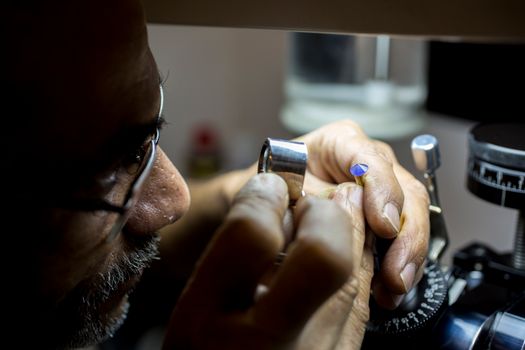 Photo: Nestor Cortez / Pexels
Comparison
| Feature | Real Gold | Gold-Plated/Filled | Pyrite/Brass |
|---|---|---|---|
| Hallmarks | Present (K or fineness) | Often absent or fake | Absent |
| Magnet Test | No attraction | Possible attraction (base metal) | Possible attraction |
| Skin Discoloration | No (rare exceptions) | Often green/black mark | Often green/black mark |
| Density (Float Test) | Sinks quickly | May float or sink slowly | May float or sink slowly |
| Ceramic Scratch Test | Gold streak | Black streak (base metal) | Black streak |
| Acid Test | Resists specific acid | Dissolves quickly | Dissolves quickly |
| Tarnish/Rust | No | Yes, over time | Yes, over time |
| Weight | Heavy for size | Lighter than solid gold | Lighter than solid gold |
What Readers Say
"This guide was incredibly helpful! I used the magnet and ceramic plate tests on an old necklace, and it confirmed my suspicions that it was just gold-plated, not solid gold. Saved me from making a mistaken sale!"
Sarah J. · Austin, TX"As a budding collector, understanding hallmarks was crucial. This article broke it down perfectly. Now I feel much more confident spotting genuine pieces at antique markets."
Mark D. · Miami, FL"I had a family heirloom I was unsure about. After reading this, I took it to a professional appraiser as suggested, and their XRF test confirmed it was 18K gold, just as I'd hoped. The advice here led to a concrete, positive outcome."
Emily R. · Denver, CO"The tips on avoiding common mistakes were particularly useful. I used to rely solely on the magnet test, but now I understand the importance of combining multiple methods for a more accurate assessment. Very informative, though some tests are harder to do at home."
David L. · Chicago, IL"I work in a pawn shop part-time and this guide is a lifesaver. It's a fantastic primer for anyone needing to quickly assess gold jewelry, whether for personal use or in a professional setting. The comparison table is especially useful."
Jessica M. · Seattle, WAFrequently Asked Questions
What is the most reliable home test for real gold?
While no single home test is 100% foolproof, a combination of the magnet test, skin test, and ceramic plate scratch test provides a strong indication. The ceramic scratch test is often considered the most reliable non-destructive home method for distinguishing real gold from gold-plated items.
Can real gold tarnish or rust?
Pure gold (24K) is a noble metal and does not tarnish or rust. However, lower carat gold alloys (like 10K or 14K) contain other metals (copper, silver) that can oxidize or react with chemicals, leading to slight discoloration over time. This is usually mild and easily cleaned, unlike the significant tarnishing of base metals.
How do I read gold hallmarks or stamps?
Gold hallmarks typically indicate purity, either as a carat number (e.g., 14K, 18K) or a three-digit fineness number (e.g., 585 for 14K, 750 for 18K). You might also find a manufacturer's mark, a country of origin, or a date letter. Use a jeweler's loupe to clearly read these tiny engravings.
Is 10K gold considered real gold, and is it valuable?
Yes, 10K gold is considered real gold as it contains 41.7% pure gold, alloyed with other metals for durability. While it has less pure gold content than 14K or 18K, it still holds intrinsic value based on its gold content and is a legitimate form of gold jewelry, often more affordable and durable for daily wear.
What's the difference between gold-plated and gold-filled jewelry?
Gold-plated jewelry has a very thin layer of gold electroplated onto a base metal, which can wear off over time. Gold-filled jewelry has a much thicker layer of gold (at least 5% of the item's total weight) mechanically bonded to a base metal, making it more durable and resistant to wear than gold-plated items, and therefore more valuable.
Who should use these gold identification methods?
Anyone buying or selling gold jewelry, inheriting heirlooms, or simply curious about their existing pieces can benefit from these identification methods. It's especially useful for consumers who want to ensure they are getting fair value and for enthusiasts looking to authenticate their collections.
Are there any risks associated with testing gold at home?
Most home tests (magnet, skin, float) are risk-free. However, the ceramic plate scratch test can cause a minor, unnoticeable scratch on the jewelry if not done carefully. Acid tests should ideally be left to professionals due to the corrosive nature of the acids, which can be dangerous if mishandled.
What are the future trends in gold identification technology?
Future trends point towards increasingly sophisticated and non-destructive technologies like advanced XRF spectrometry, portable Raman spectroscopy, and even artificial intelligence-driven image recognition for hallmark verification. These innovations aim for faster, more accurate, and less invasive gold authentication.
Armed with this comprehensive knowledge, you can confidently approach the world of gold jewelry. Use these expert tips and tests to accurately identify real gold, protect your investments, and appreciate the true value of your precious pieces. Start verifying your gold today!