How to Tell if Jewelry is Real Gold: The Ultimate Guide
how to tell if jewelry is real gold

How to Tell if Jewelry is Real Gold: The Ultimate Guide

Master the essential tests and expert tips to confidently identify real gold and safeguard your valuable jewelry purchases.

Discover Gold Secrets

Key Takeaways

  • ✓ Real gold is a soft, dense, and non-magnetic metal.
  • ✓ Hallmarks (stamps) on jewelry indicate karatage and manufacturer, but can be faked.
  • ✓ The acid test is highly reliable but requires caution and specialized tools.
  • ✓ Understanding the difference between solid gold, gold-plated, and gold-filled is crucial.

How It Works

1
Visual Inspection & Hallmarks

Begin by closely examining the jewelry for official stamps (hallmarks) indicating its karatage (e.g., 10K, 14K, 24K) and any signs of wear that expose base metals. This initial step can quickly rule out obvious fakes or identify potential indicators of authenticity.

2
Simple Home Tests

Proceed with non-destructive home tests like the magnet test, density test (water displacement), or the skin discoloration test. These methods can offer strong clues about the metal's properties without damaging the piece, making them excellent first-line defenses.

3
Advanced Chemical Testing

For a more definitive answer, consider the acid test using nitric acid. This method involves applying specific acid solutions to a tiny, inconspicuous scratch on the metal to observe its reaction, providing a highly accurate assessment of its gold content. Always exercise extreme caution with chemicals.

4
Professional Appraisal

If uncertainty persists or for high-value items, seek an appraisal from a certified jeweler or gemologist. Professionals use specialized equipment like X-ray fluorescence (XRF) scanners for non-destructive and highly accurate gold composition analysis, ensuring complete peace of mind.

Understanding Gold and Its Properties: The Foundation of Identification
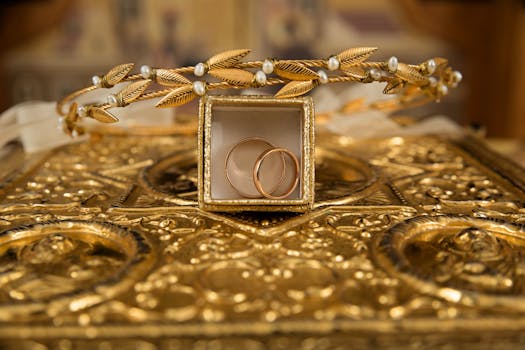
Close-up of gold wedding rings and a delicate tiara on an ornate golden background, symbolizing luxury and elegance. Photo: Pixabay / Pexels
Before diving into specific tests, it's crucial to understand what real gold is and its inherent properties. Gold (Au on the periodic table) is a precious, dense, soft, and malleable yellow metal that has been prized for centuries. Its resistance to tarnishing and corrosion makes it an ideal material for jewelry. However, pure 24-karat gold is too soft for everyday wear, which is why it's almost always alloyed with other metals like copper, silver, or zinc to increase its durability. This alloying process is what creates different karatages, such as 10K, 14K, 18K, and 22K gold. The 'K' stands for karat, which indicates the proportion of pure gold in the alloy. 24K gold is 99.9% pure, 18K gold is 75% pure (18 parts gold, 6 parts other metals), 14K gold is 58.3% pure, and 10K gold is 41.7% pure. Understanding these percentages is foundational because it explains why different karats of gold will react differently to certain tests and why their appearance might vary slightly. Beyond solid gold, you'll encounter various other terms that can be misleading: gold-plated, gold-filled, vermeil, and rolled gold. Gold-plated jewelry has a minuscule layer of gold electroplated onto a base metal, making it the least valuable and most prone to wear. Gold-filled items have a much thicker layer of gold mechanically bonded to a base metal, offering better durability than plating but still not solid gold. Vermeil is essentially gold-plated sterling silver, and rolled gold is a historical term for gold-filled. Knowing these distinctions is vital because a piece of jewelry might look like gold, feel like gold, and even have some gold content, but its value and longevity will drastically differ based on its construction. A common misconception is that anything with a 'gold' appearance is valuable; however, unless it's solid gold (even 10K), its intrinsic value is significantly lower. This foundational knowledge empowers you to approach any potential gold purchase with a critical eye, preparing you for the more practical tests discussed in subsequent sections. Always remember that the higher the karat, the softer the gold, and typically, the more valuable it is per gram, assuming it's solid. This intrinsic value is why knowing how to tell if jewelry is real gold is not just about authenticity, but also about understanding its true worth and durability. Many people are fooled by imitation gold because they don't grasp these basic metallurgical facts. For instance, a heavily gold-plated item might pass a quick visual inspection, but understanding its construction reveals its true nature. This knowledge is your first line of defense against counterfeits and misrepresentations in the jewelry market, ensuring you make informed decisions whether buying or selling. It’s also important to note that the color of gold can vary depending on the alloys used. Yellow gold typically uses silver and copper, white gold often uses palladium or nickel, and rose gold uses a higher proportion of copper. These color variations do not inherently indicate whether the gold is real or fake, but rather its specific alloy composition.

Practical Home Tests: Uncovering Clues Without Professional Tools
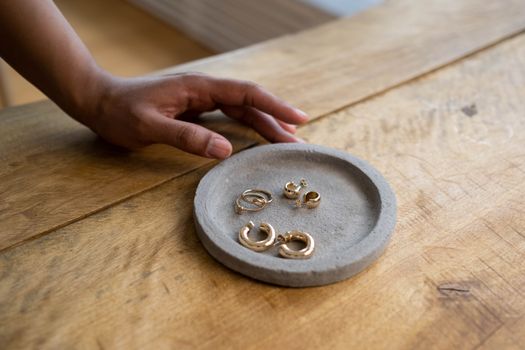
Stylish gold earrings displayed on a wooden table, featuring a hand reaching out. Photo: Ron Lach / Pexels
While professional appraisals offer the highest certainty, several practical home tests can provide strong indications of whether your jewelry is real gold. These methods are generally non-destructive and utilize common household items, making them an excellent starting point for any amateur gold detective. The first and perhaps simplest test is the magnet test. Real gold is not magnetic. If your jewelry strongly sticks to a strong magnet (like those found in refrigerator magnets or purse clasps), it is highly unlikely to be solid gold. Be aware, however, that some fake gold might use non-magnetic base metals, so this test is more about ruling out fakes than confirming authenticity. A piece that doesn't stick to a magnet could still be real gold, gold-filled, or another non-magnetic base metal. Another widely used home test is the skin discoloration test. Real gold, especially higher karats, should not leave a green or black mark on your skin. If your jewelry consistently leaves a greenish or black residue, it's a strong indicator that it's either not real gold or contains a high percentage of copper or other base metals that are reacting with your skin's oils and sweat. This is particularly common with gold-plated items where the thin gold layer has worn off, exposing the underlying alloy. However, some individuals might have unique skin chemistry that reacts even with real gold, so this test isn't foolproof but often provides a good clue. Then there's the density test, also known as the water displacement test. Gold is an incredibly dense metal. To perform this, you'll need a precise scale, a container of water, and a way to measure the displaced water or volume. Weigh the item, then submerge it in water and measure the volume of water it displaces. Divide the weight by the volume to get its density. Pure 24K gold has a density of 19.3 g/ml. 18K gold is around 15.2-15.9 g/ml, 14K gold is 12.9-14.6 g/ml, and 10K gold is 11.5-13.0 g/ml. If your item's density is significantly lower than these ranges, it's likely not real gold. This test requires precision and careful execution to be accurate, but it leverages one of gold's most defining physical characteristics. For instance, if a piece of jewelry weighs 20 grams and displaces 1 ml of water, its density is 20 g/ml, which is higher than pure gold, suggesting it might be fake or contain other very dense metals. Conversely, if it displaces 3 ml of water, its density is 6.67 g/ml, which is far too low for any karat of gold. Finally, the ceramic plate test can offer a quick visual cue. Find an unglazed ceramic plate (the bottom of a ceramic mug often works). Gently drag the jewelry across the plate, applying slight pressure. If it leaves a black streak, it's likely not real gold. If it leaves a gold streak, it's a good sign that it is real gold. Be cautious not to apply too much pressure, as this can damage the jewelry. While these home tests are not definitive on their own, a combination of several positive results for real gold or negative results for fakes can build a strong case for or against authenticity, guiding you on whether to seek professional verification. They empower you to make an initial assessment without immediate financial outlay.

Advanced Verification Methods: When to Trust the Experts

Hands arrange a vibrant gold and red beaded bracelet with colorful beads in the background. Photo: Lara Jameson / Pexels
When home tests leave you uncertain, or for high-value pieces where authenticity is paramount, advanced verification methods are essential. These often involve specialized equipment or chemical reagents and are best performed by experienced individuals or professional jewelers. The most well-known and reliable chemical test is the acid test. This method involves using specific strengths of nitric acid to test the reaction of the metal. A small, inconspicuous scratch is made on the jewelry to expose the underlying metal, and a drop of acid corresponding to a certain karatage is applied. For example, if you're testing for 14K gold, you'd use 14K test acid. If the acid dissolves the metal, it means the gold content is lower than that karatage. If it doesn't react, the gold is at least that karatage or higher. If it turns a milky green, it's likely gold-plated or base metal. This test is highly effective but requires proper safety precautions (gloves, eye protection, good ventilation) and the correct testing acids, which can be purchased from jewelry supply stores. It also involves making a tiny scratch, which might be undesirable for pristine pieces. Always ensure you have a control sample of known gold for comparison to accurately interpret the results. This method is a cornerstone in the jewelry industry for its reliability in determining approximate gold purity. Professional jewelers are adept at performing these tests without causing visible damage. Beyond acid tests, professional jewelers and appraisers have access to more sophisticated, non-destructive technologies. One of the most accurate is X-ray fluorescence (XRF) analysis. XRF scanners can determine the exact elemental composition of a metal without damaging the item. They work by emitting X-rays that cause the atoms in the jewelry to fluoresce, and the emitted energy is then read to identify the specific elements and their proportions. This method can tell you not only the karatage of gold but also the other metals in the alloy (silver, copper, nickel, palladium, etc.). XRF is particularly useful for antique pieces, items with intricate designs, or those where a scratch test is not feasible. It provides a precise, scientific breakdown of the metal composition, leaving no doubt about its authenticity. Another professional method is electrical conductivity testing, although less common for gold authenticity than XRF. Gold has a specific electrical conductivity, and specialized meters can measure this property to differentiate it from other metals. However, variations in alloys can affect conductivity, making it less definitive than XRF for precise karatage. Ultrasonic testing can also be used to detect inconsistencies within the metal that might indicate plating over a different core. Ultimately, for absolute certainty, especially when dealing with significant investments or heirlooms, consulting a certified gemologist or appraiser is the wisest course of action. They possess the expertise, equipment, and ethical standards to provide an unbiased and accurate assessment of your jewelry's true composition and value. Their professional opinion can save you from costly mistakes or confirm the worth of a cherished piece, offering peace of mind that no home test alone can fully provide. They can also often identify specific hallmarks that are indicative of certain manufacturers or periods, adding another layer of authentication.

Common Mistakes and Expert Tips for Gold Identification
High-quality image of a COVID-19 test kit showing swab and test tube. Photo: adrian vieriu / Pexels
Identifying real gold can be tricky, and several common mistakes can lead to misidentification or damage to your jewelry. Avoiding these pitfalls is as important as knowing the tests themselves. One frequent error is relying solely on hallmarks. While hallmarks (stamps like '14K', '18K', '24K', or '925' for silver) are crucial indicators of purity, they can be faked. Counterfeiters often stamp base metals with legitimate-looking hallmarks to deceive buyers. Always combine hallmark inspection with other tests. Look for crisp, clear stamps; blurry or unusually deep/shallow marks can be red flags. Another mistake is assuming that 'heavy' automatically means real gold. While gold is dense, some base metals can be weighted to mimic gold's heft. Always combine weight assessment with density tests if possible. Another common misstep is using the acid test improperly. Applying the wrong acid strength, using insufficient ventilation, or failing to wear protective gear can be dangerous. Also, scratching too deeply or in a visible area can permanently damage your piece. Always test in an inconspicuous spot and follow safety guidelines rigorously. Many people also confuse 'gold-plated' or 'gold-filled' with solid gold, believing they hold similar value. Remember, these items have only a thin layer of gold and their intrinsic value is significantly lower. Educate yourself on these distinctions to avoid overpaying for non-solid gold items. Here are some expert tips to enhance your gold identification skills: * **Always Start with a Visual Inspection:** Look for signs of wear, especially on edges and high-friction areas, where plating might rub off to reveal a different colored metal underneath. Check for discoloration or green spots, which often indicate corrosion of base metals. * **Use Multiple Tests:** Never rely on a single test. Combine visual inspection, magnet test, density test, and if comfortable, a scratch/acid test for the most reliable results. * **Educate Yourself on Karatages:** Understand that 24K is pure gold, and lower karats are alloys. This affects color, hardness, and how they react to tests. * **Beware of 'Fool's Gold':** Pyrite, a common mineral, is often mistaken for gold due to its metallic luster. However, it's much harder and leaves a greenish-black streak when scratched, unlike real gold's yellow streak. * **Know Your Seller:** Purchase gold jewelry only from reputable jewelers or dealers with established reputations. Ask for certifications or appraisals, especially for high-value items. * **Consider a Gold Testing Kit:** For frequent buyers or sellers, investing in a reliable gold testing kit (which includes acids and a testing stone) can be invaluable. Just be sure to read instructions carefully and use safely. * **Consult a Professional for Doubt:** If you're still unsure, or if the item is particularly valuable, take it to a certified gemologist or appraiser. Their expertise and specialized equipment offer the highest level of certainty and peace of mind. This is especially crucial for antique pieces or items inherited without provenance, where a professional eye can discern subtle details that indicate authenticity or fraud.

Comparison

FeatureSolid GoldGold-FilledGold-PlatedGold Vermeil
Gold ContentUniform throughout (10K-24K)Minimum 5% gold by weightLess than 0.05% gold by weight2.5 microns gold over sterling silver
DurabilityVery durable (higher K, softer)Durable, resistant to tarnishProne to wear, scratches, tarnishFairly durable, can tarnish if gold wears
ValueHigh intrinsic valueModerate valueLow intrinsic valueModerate (due to sterling base)
Hallmarks✓ (e.g., 14K, 585)✓ (e.g., 1/20 14K GF)✗ (sometimes 'GP' or 'HGE')✓ (e.g., '925', 'Sterling', 'Vermeil')
Skin ReactionRarely tarnishes skinRarely tarnishes skinCommonly tarnishes skinLess likely to tarnish than plated

What Readers Say

"This guide completely changed how I approach buying vintage jewelry. I used the magnet and density tests on a necklace I inherited, and it confirmed it was real 14K gold, which I had doubted for years! So helpful and easy to follow."

Sarah J. · Austin, TX

"As someone who collects antique coins, knowing how to tell if jewelry is real gold is crucial. The detailed explanation of the acid test and XRF analysis gave me confidence to invest in a gold testing kit for my collection. Excellent resource!"

Mark D. · Miami, FL

"I was about to sell some old rings and wasn't sure of their value. Following the steps in this article, I was able to verify two rings were solid 10K gold, which significantly impacted my selling price. It paid for itself in peace of mind and profit!"

Emily R. · Seattle, WA

"While some of the advanced tests seemed a bit intimidating for a beginner, the home tests were incredibly practical. I successfully identified a gold-plated bracelet that I thought was solid, saving me from a potential misrepresentation. Good foundational knowledge."

David L. · Chicago, IL

"I'm a budding jewelry maker, and understanding how to tell if jewelry is real gold is fundamental for sourcing materials. This article's breakdown of gold types (plated, filled, vermeil) was particularly insightful and has improved my purchasing decisions dramatically."

Jessica M. · Denver, CO

Frequently Asked Questions

What is the most reliable way to tell if jewelry is real gold?

The most reliable methods are professional X-ray fluorescence (XRF) analysis, which is non-destructive and highly accurate, or a carefully performed acid test. While home tests offer strong indications, professional evaluation provides definitive proof of gold content and purity, especially for valuable items.

Will real gold turn green on my skin?

Pure gold itself will not turn green on your skin. However, lower karat gold (like 10K or 14K) contains higher percentages of alloy metals (like copper or silver) that can react with skin acidity, sweat, or cosmetics to cause a greenish or black discoloration. This doesn't mean the gold is fake, but rather that the alloys are reacting.

How do I perform a home magnet test for gold?

To perform a home magnet test, hold a strong magnet (like a rare-earth magnet or a strong refrigerator magnet) up to your jewelry. Real gold is not magnetic, so if your jewelry strongly sticks to the magnet, it is likely not solid gold. Keep in mind that some fake gold might use non-magnetic base metals, so this test is not definitive on its own.

Does real gold have hallmarks, and are they always accurate?

Most real gold jewelry, especially modern pieces, will have hallmarks indicating its karatage (e.g., 10K, 14K, 18K, 24K) and often a manufacturer's mark. While hallmarks are a strong indicator, they are not always accurate as they can be faked. It's crucial to combine hallmark inspection with other verification methods for certainty.

What's the difference between gold-plated and gold-filled jewelry?

Gold-plated jewelry has a very thin layer of gold electroplated onto a base metal, making it prone to wear and tarnish. Gold-filled jewelry has a much thicker layer of gold mechanically bonded to a base metal, typically making up at least 5% of the item's total weight. Gold-filled is significantly more durable and valuable than gold-plated.

Who should use these gold identification methods?

Anyone buying or selling gold jewelry, inheriting old pieces, or simply curious about the authenticity of their collection can benefit from these methods. Jewelry enthusiasts, collectors, pawn shop owners, and even casual buyers can use these techniques to make informed decisions and avoid counterfeits.

Is it safe to perform an acid test at home?

Performing an acid test at home can be safe if proper precautions are taken. Always wear protective gloves and eyewear, work in a well-ventilated area, and follow the instructions provided with your gold testing kit. Be aware that acids are corrosive and can damage skin, clothing, and surfaces if mishandled. If unsure, consult a professional.

Are there any new technologies for identifying real gold?

Yes, X-ray fluorescence (XRF) scanners are increasingly common in professional settings, offering precise, non-destructive analysis of gold content. Other emerging technologies include advanced electrical conductivity meters and specialized handheld devices that use various principles to assess metal composition. These tools are becoming more accessible to expert jewelers.

Armed with this comprehensive guide, you now possess the knowledge and tools to confidently answer 'how to tell if jewelry is real gold'. Protect your investments and ensure you're getting genuine value by applying these expert-backed identification methods. Start verifying your gold today!

Topics: how to tell if jewelry is real goldreal gold testidentify real goldgold purityauthentic gold
Leo List

DK Escorts LU Escorts AT Escorts SE Escorts FI Escorts CH Escorts DE Escorts HR Escorts IE Escorts GR Escorts CZ Escorts NO Escorts BE Escorts FR Escorts SI Escorts IL Escorts NL Escorts PL Escorts HU Escorts ES Escorts IT Escorts PT Escorts SK Escorts RO Escorts ZA Escorts UY Escorts US Escorts UK Escorts NZ Escorts AU Escorts
Brampton weed
Adultwork EstrelaBet Vai de Bet R7 Bet Betão Galera Bet Rainbet Bet9ja Shop SportyBet BetKing Sisal Loto Foot Hollywoodbets YesPlay Odibets RushBet Jugabet BetWarrior BetCity MSport betPawa Fortebet