Mastering How to Store Delicate Jewelry Safely
how to store delicate jewelry

Mastering How to Store Delicate Jewelry Safely

Unlock the secrets to preserving your cherished delicate jewelry, ensuring its lasting beauty and preventing damage.

Protect Your Treasures

Key Takeaways

  • ✓ Humidity and air exposure are primary causes of tarnish for many metals.
  • ✓ Individual compartmentalization is crucial for delicate pieces to prevent tangling and scratching.
  • ✓ Soft linings and acid-free materials are essential to protect surfaces and finishes.
  • ✓ Security and accessibility should be balanced when choosing a storage method.

How It Works

1
Assess Your Collection

Begin by categorizing your delicate jewelry by material, type (necklaces, rings, earrings), and frequency of wear. This assessment will inform the best storage solutions for each piece.

2
Choose Appropriate Containers

Select storage options that offer individual compartments, soft linings, and airtight seals where necessary. Consider jewelry boxes, pouches, or anti-tarnish bags based on your specific needs.

3
Implement Protective Measures

For extra protection, use anti-tarnish strips, silica gel packets, and ensure pieces are clean and dry before storing. Avoid direct sunlight and extreme temperature fluctuations.

4
Organize and Maintain

Arrange your jewelry systematically for easy access and visibility, preventing entanglement. Regularly check on your stored items for any signs of tarnish or damage, adjusting storage as needed.

Understanding the Vulnerabilities of Delicate Jewelry
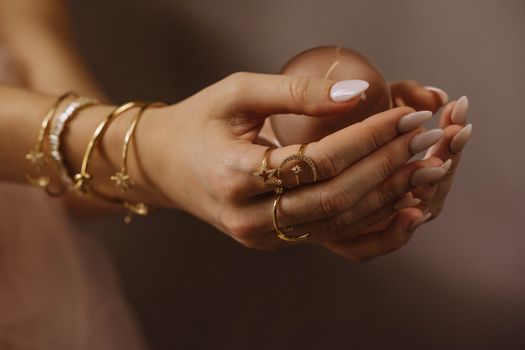
Close-up of hands adorned with gold bracelets and rings holding a delicate object, highlighting elegance and style. Photo: Ari Roberts / Pexels
Delicate jewelry, by its very nature, is exquisitely crafted but inherently fragile. Unlike robust statement pieces, delicate items often feature slender chains, intricate filigree, tiny gemstones, and fine settings that are susceptible to damage from various environmental factors and improper handling. The first step in mastering how to store delicate jewelry is to truly understand what makes it vulnerable. Factors such as humidity, air exposure, light, temperature fluctuations, and physical abrasion can all contribute to the degradation of your cherished pieces. For instance, sterling silver, a popular choice for delicate designs, tarnishes quickly when exposed to air and moisture, forming a dark, dull layer of silver sulfide. Gold, while more resistant to tarnish, can still get scratched, dented, or lose its luster if not properly cared for. Delicate gemstones, particularly those with a lower Mohs hardness rating like pearls, opals, or emeralds, are prone to chipping, scratching, or even cracking if they come into contact with harder materials or experience sudden impacts. Even diamonds, though extremely hard, can have their settings bent or prongs loosened, leading to a lost stone. Furthermore, the intricate designs common in delicate jewelry, such as thin chains or bezel settings, are easily bent, broken, or tangled. A simple tug can snap a fine chain, and a minor bump can dislodge a tiny pave-set diamond. The oils from our skin, cosmetics, and perfumes can also accumulate on delicate pieces, dulling their sparkle and attracting dirt over time. This makes pre-storage cleaning an often-overlooked but vital step. Understanding these inherent vulnerabilities allows us to approach storage not just as a matter of organization, but as a critical act of preservation. It’s about creating an environment that actively mitigates these risks, ensuring your delicate pieces remain as beautiful as the day you acquired them. Without this foundational understanding, even the most expensive storage solutions might fall short. The goal is to isolate, protect, and stabilize each piece, minimizing its interaction with harmful elements and other items. Consider the materials your jewelry is made from – different metals and stones react differently to environmental factors. For example, some stones are sensitive to light, which can cause their color to fade over time. Others might be porous and absorb chemicals from the air or even cleaning solutions. This detailed understanding will guide your choice of storage materials and methods. For more information on caring for specific materials, you can explore resources on jewelry care tips. Proper initial assessment of your collection's composition is paramount to selecting the right long-term storage strategy. It’s not just about keeping things tidy; it’s about extending the life and luster of your most treasured possessions.

Essential Storage Solutions for Preventing Damage
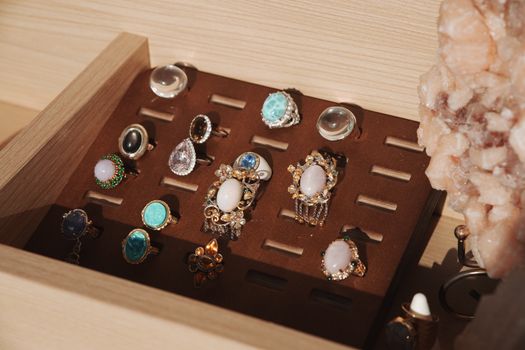
A neatly organized jewelry box showcasing various gemstone rings with a natural crystal accent. Photo: 光术 山影 / Pexels
When considering how to store delicate jewelry, the choice of storage solution is paramount to preventing common forms of damage like tangling, scratching, and tarnishing. The market offers a wide array of options, each with its own advantages, but the key is to select solutions that cater specifically to the fragility of your collection. One of the most effective methods involves individual compartmentalization. This means each delicate piece should have its own space, preventing it from rubbing against other items, which can lead to scratches, especially on softer metals or gemstones. Jewelry boxes with multiple small compartments, soft velvet linings, or individual slots for rings and earrings are ideal. Look for boxes made from wood or high-quality MDF, as plastic can sometimes emit gases that accelerate tarnishing. Another excellent solution for necklaces and bracelets is a jewelry armoire or a stand with hooks. These allow chains to hang freely, preventing the dreaded knotting that can be incredibly frustrating to untangle and often leads to breakage. When using hooks, ensure there's enough space between each piece to avoid contact. For very delicate chains, consider wrapping them gently around a soft, acid-free fabric or placing them in individual small pouches. Anti-tarnish bags or cloths are indispensable, especially for sterling silver and certain gold alloys. These bags are often treated with chemicals that absorb sulfur compounds from the air, significantly slowing down the tarnishing process. They come in various sizes, from tiny pouches for individual rings to larger bags for necklaces and bracelets. When using these, ensure the jewelry is clean and dry before placing it inside. Silica gel packets, often found in new product packaging, can also be strategically placed within jewelry boxes or larger storage containers to absorb excess moisture, which is a major contributor to tarnish. However, remember to replace these packets periodically as their efficacy diminishes over time. For traveling, consider purpose-built travel jewelry cases. These are typically compact, feature soft linings, and have dedicated compartments, snaps, and pockets to keep items secure and separated during transit. Avoid throwing delicate pieces loosely into a toiletry bag, as they will almost certainly tangle or get damaged. Lastly, consider the environment where your storage solutions are kept. A cool, dry, dark place is always best. Avoid storing jewelry in bathrooms where humidity levels fluctuate wildly, or near windows where direct sunlight can fade colors or cause temperature extremes. A closet or a dedicated dresser drawer is often a suitable location. By investing in and implementing these essential storage solutions, you are actively preserving the beauty and integrity of your delicate jewelry for years to come. It’s a small investment in time and resources that pays significant dividends in preventing costly repairs or irreversible damage.

Advanced Techniques for Long-Term Preservation
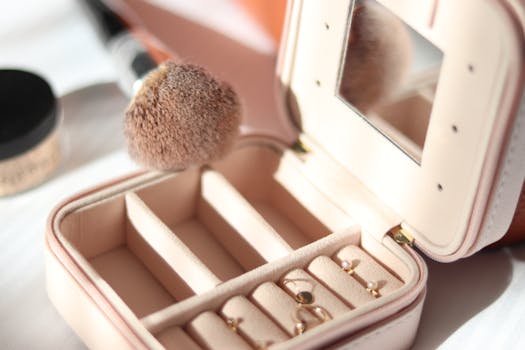
A luxurious jewelry box with earrings and a makeup brush bathed in gentle sunlight. Photo: Pink Press / Pexels
Beyond basic compartmentalization and anti-tarnish measures, advanced techniques offer an even higher level of protection for your most cherished and valuable delicate jewelry, especially for long-term preservation. These methods focus on controlling the micro-environment around each piece, mitigating risks that might otherwise go unnoticed. One such technique is the use of hermetically sealed containers. While anti-tarnish bags are effective, truly airtight containers, often made of inert plastics or glass with rubber gaskets, can create a virtually oxygen-free environment. This is particularly beneficial for metals highly prone to oxidation, such as unplated sterling silver or certain vintage alloys. Before sealing, ensure the jewelry is impeccably clean and dry, as any trapped moisture will exacerbate problems. Adding a fresh silica gel packet within the sealed container can further enhance moisture control. For extremely valuable or heirloom pieces, consider professional vault storage. Many high-end jewelers or specialized storage facilities offer climate-controlled, secure environments that maintain optimal humidity and temperature levels, often with advanced security features. While this isn't practical for everyday wear, it's an excellent option for pieces worn infrequently or those with significant monetary or sentimental value. Another advanced consideration is the use of museum-quality archival materials. These include acid-free tissue paper, archival storage boxes, and non-PVC plastic bags. Regular plastics can contain chemicals that leach out over time and react with metals or gemstones, causing discoloration or damage. Archival materials are specifically designed to be chemically inert, providing a stable environment. When wrapping individual pieces, particularly those with delicate finishes or fragile components, use acid-free tissue. For necklaces, you can thread the chain through a straw or wrap it around a velvet card to prevent tangling before placing it in an archival pouch. Environmental monitoring is also a key advanced technique. For larger collections, investing in a small hygrometer and thermometer for your storage area allows you to track humidity and temperature fluctuations. Ideal conditions are generally between 40-50% humidity and stable room temperature. If conditions frequently deviate, you might need to consider a small dehumidifier or humidifier in the room, or relocate your collection. Furthermore, understanding the specific needs of different gemstones is crucial. Organic gems like pearls and opals require a slightly humid environment to prevent dehydration and cracking, making airtight storage less ideal for them. They should be stored in soft pouches, away from direct heat and light, and ideally worn periodically to absorb natural oils from the skin. Conversely, porous stones like turquoise or emeralds should avoid contact with oils, perfumes, and cleaning chemicals, and be stored separately. Finally, regular inspection and gentle cleaning are part of long-term preservation. Even with the best storage, pieces should be checked every few months for signs of tarnish, damage, or dust accumulation. A soft cloth and a specialized jewelry cleaner (appropriate for the specific material) can prevent issues from escalating. For complex or extremely delicate pieces, professional cleaning and inspection by a reputable jeweler every 1-2 years can identify and address potential problems before they become severe. This proactive approach, combining specialized storage with vigilant maintenance, ensures your delicate jewelry remains pristine for generations. For more guidance on specific cleaning methods, refer to our comprehensive guide on maintaining jewelry sparkle.

Common Mistakes and Smart Tips for Delicate Jewelry Storage
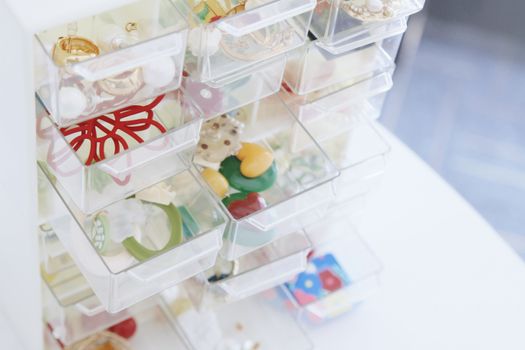
A collection of colorful jewelry pieces organized in transparent storage drawers. Photo: Sheilabox / Pexels
Storing delicate jewelry can seem straightforward, but many common mistakes can lead to irreversible damage. Avoiding these pitfalls and implementing smart tips will significantly extend the life and beauty of your precious pieces. **Common Mistakes to Avoid:** * **Storing in the Bathroom:** The high humidity and fluctuating temperatures in bathrooms are a perfect storm for accelerating tarnish on metals and potentially damaging certain gemstones. Always choose a dry, stable environment. * **Leaving Jewelry Exposed to Air:** Direct exposure to air, especially for silver and some gold alloys, leads to rapid oxidation and tarnish. Utilize airtight containers, anti-tarnish bags, or jewelry boxes with tight-fitting lids. * **Piling Jewelry Together:** This is perhaps the most common mistake. When delicate pieces are piled into a single dish or compartment, chains tangle, stones scratch against metal, and softer metals get dented. Individual separation is non-negotiable. * **Storing in Direct Sunlight:** Prolonged exposure to sunlight can fade the color of certain gemstones (like amethyst, topaz, and tourmaline) and can also dry out organic materials like pearls and opals, leading to cracking. * **Using Rubber Bands or Regular Plastic Bags:** Rubber contains sulfur, which will rapidly tarnish silver. Regular plastic bags, especially PVC, can also emit chemicals that react with metals and stones. Always opt for archival-safe, sulfur-free materials. * **Storing Dirty Jewelry:** Any residue like skin oils, lotions, or makeup can attract dust, degrade finishes, and accelerate chemical reactions. Always gently clean and dry your jewelry before storing it. **Smart Tips for Optimal Storage:** * **Utilize Individual Pouches:** Small, soft, anti-tarnish cloth pouches are excellent for separating individual pieces, especially during travel or for less frequently worn items. They prevent tangling and scratching. * **Hang Necklaces:** For delicate necklaces, a jewelry stand with hooks or an armoire allows them to hang freely, preventing knots and kinks that can stress and break fine chains. * **Use Ring Trays and Earring Boards:** Dedicated trays with slots for rings and boards with holes for earrings keep these items organized, accessible, and protected from damage. * **Invest in a Quality Jewelry Box:** Look for boxes with multiple lined compartments, drawers, and possibly a lock for security. Velvet or satin linings protect against scratches. * **Incorporate Desiccants:** Place silica gel packets (available at craft stores or online) in your jewelry box to absorb excess moisture, helping to prevent tarnish. * **Store Pearls and Opals Separately:** These organic gems need a slightly more humid environment than metals. Store them in soft cloths or pouches, away from direct heat, and avoid airtight containers which can dry them out. * **Rotate Your Collection:** Regularly inspect your stored jewelry. This helps you identify any developing issues like tarnish or damage early on, allowing for timely intervention. * **Keep Original Packaging for Unique Pieces:** If a piece came with a specific box or pouch, especially for high-value items, it's often designed for optimal protection. Reusing it can be a smart move. By being mindful of these common mistakes and adopting these smart storage tips, you can ensure your delicate jewelry remains sparkling, untangled, and undamaged for years to come. It’s an investment in the longevity and beauty of your treasured collection.

Comparison

FeatureVelvet-Lined Jewelry BoxAnti-Tarnish PouchesHanging Jewelry OrganizerAirtight Container with Desiccant
Prevents TanglingGood (compartments)Excellent (individual)Excellent (chains)Poor (if piled)
Prevents ScratchingExcellentExcellentGood (if separated)Poor (if piled)
Protects from TarnishGood (some air exposure)ExcellentPoor (exposed)Excellent
Visibility/AccessibilityGoodFairExcellentPoor
Space EfficiencyModerateHighHighHigh
CostModerate-HighLow-ModerateLowLow-Moderate
Best ForMixed collectionIndividual piecesNecklaces/BraceletsTarnish-prone items

What Readers Say

"Following these tips on how to store delicate jewelry transformed my collection. My silver necklaces used to tarnish constantly, but now, using anti-tarnish pouches, they stay shiny for months. It's a game-changer!"

Sarah J. · Austin, TX

"I always struggled with tangled chains. The advice to hang delicate necklaces on a dedicated organizer has saved so much time and prevented countless breaks. My wife's fine jewelry has never looked better."

Michael D. · Seattle, WA

"The information about storing jewelry away from humidity was crucial. Moving my delicate pieces out of the bathroom has completely stopped the discoloration I used to see. Truly helpful advice for how to store delicate jewelry."

Emily R. · Miami, FL

"While most tips were fantastic, I found that some of the more advanced techniques, like hermetically sealed containers, were a bit much for my everyday delicate pieces. However, the basic organizational strategies were incredibly effective."

David L. · Chicago, IL

"As someone with a lot of antique delicate jewelry, the emphasis on acid-free materials and individual separation was invaluable. My grandmother's pearls and opals are now perfectly preserved, thanks to these detailed storage guidelines."

Jessica M. · Denver, CO

Frequently Asked Questions

What is the best overall method for how to store delicate jewelry?

The best overall method involves a combination of individual compartmentalization, protection from environmental factors like humidity and air, and using soft, non-abrasive materials. A velvet-lined jewelry box with separate compartments, coupled with anti-tarnish pouches for specific items, offers comprehensive protection against tangling, scratching, and oxidation.

Will storing delicate jewelry in plastic bags damage it?

It depends on the plastic. Regular PVC plastic bags can emit chemicals that react with metals, particularly silver, and accelerate tarnishing. It's best to use archival-safe, acid-free, and sulfur-free plastic bags or, even better, anti-tarnish cloth pouches for delicate pieces to ensure no adverse reactions.

How do I prevent my delicate necklaces from tangling?

To prevent delicate necklaces from tangling, store them individually. Hang them on a jewelry tree or a dedicated necklace organizer where they can hang freely. For storage in drawers, lay them flat, ensuring each necklace has its own space, or use individual soft pouches to keep them separate.

Is it worth investing in a specialized jewelry box for delicate items?

Absolutely. A specialized jewelry box, especially one with soft linings and multiple compartments, is a worthwhile investment. It provides dedicated, protected spaces for each delicate piece, preventing scratches, tangles, and reducing exposure to air, thereby preserving their condition and value over time.

How do jewelry storage solutions compare to just keeping items in their original boxes?

While original boxes offer some protection, specialized jewelry storage solutions are often superior. They provide better organization, more consistent environmental protection (e.g., anti-tarnish linings), and tailored compartments for various jewelry types, which original boxes may lack, especially for a growing collection.

Who should prioritize learning how to store delicate jewelry effectively?

Anyone who owns delicate jewelry, whether it's fine jewelry, antique pieces, or sentimental items, should prioritize effective storage. This includes collectors, individuals with valuable heirloom pieces, and anyone wanting to maintain the beauty and longevity of their everyday delicate accessories.

Are there any risks associated with improper delicate jewelry storage?

Yes, significant risks include accelerated tarnishing, scratching, tangling leading to breakage, chipping or loss of gemstones, and even permanent discoloration. Improper storage can diminish both the aesthetic appeal and the monetary value of your delicate jewelry, potentially leading to costly repairs.

What are future trends in how to store delicate jewelry?

Future trends may include smart jewelry boxes with integrated humidity and temperature sensors, AI-powered inventory management systems, and increasingly sustainable and eco-friendly storage materials. Personalized, modular storage solutions that adapt to evolving collections are also likely to gain popularity.

By implementing these expert strategies on how to store delicate jewelry, you're not just organizing; you're actively preserving the beauty and integrity of your most cherished possessions. Take the proactive step today to protect your delicate jewelry, ensuring it remains brilliant for generations to come.

Topics: how to store delicate jewelryjewelry storage solutionsprevent jewelry tarnishorganize fine jewelryprotect precious metals
Leo List

DK Escorts LU Escorts AT Escorts SE Escorts FI Escorts CH Escorts DE Escorts HR Escorts IE Escorts GR Escorts CZ Escorts NO Escorts BE Escorts FR Escorts SI Escorts IL Escorts NL Escorts PL Escorts HU Escorts ES Escorts IT Escorts PT Escorts SK Escorts RO Escorts ZA Escorts UY Escorts US Escorts UK Escorts NZ Escorts AU Escorts
Brampton weed
Adultwork EstrelaBet Vai de Bet R7 Bet Betão Galera Bet Rainbet Bet9ja Shop SportyBet BetKing Sisal Loto Foot Hollywoodbets YesPlay Odibets RushBet Jugabet BetWarrior BetCity MSport betPawa Fortebet