✓ Proper storage prevents tangles, knots, and breakage, especially for fine chains.
✓ Air exposure, humidity, and light can lead to tarnishing and discoloration.
✓ Individual compartments or soft pouches are crucial for delicate pieces.
✓ Regular cleaning before storage extends jewelry lifespan and maintains luster.
How It Works
1
Assess Your Collection
Categorize necklaces by material, length, and delicacy. This helps in choosing appropriate storage methods tailored to each type.
2
Clean and Dry Thoroughly
Gently clean each necklace to remove oils and dirt, then ensure it is completely dry before storing to prevent tarnish and mildew.
3
Select the Right Storage Method
Choose from hanging organizers, individual pouches, jewelry boxes with compartments, or travel rolls based on your needs and necklace types.
4
Implement and Maintain
Organize your necklaces using your chosen methods and establish a routine for putting them away after wear, ensuring long-term protection.
The Intricacies of Delicate Necklace Preservation
Photo: Natalie Bond / Pexels
Delicate necklaces, with their intricate chains, tiny pendants, and often precious materials, are among the most beautiful and frustrating items in any jewelry collection. Their allure lies in their subtlety and elegance, yet these very qualities make them incredibly susceptible to damage, tangling, and loss. The challenge of how to store delicate necklaces is not merely about tidiness; it's about preserving sentimental value, protecting financial investment, and ensuring these pieces remain wearable for years to come. Many owners of fine jewelry have experienced the disheartening sight of a beloved chain knotted into an impenetrable ball, or worse, finding it broken due to improper handling. This guide delves into the core principles and practical strategies for safeguarding your delicate necklaces, transforming your jewelry storage from a source of stress into a sanctuary of organized beauty.
The primary enemy of delicate necklaces is friction and movement. When multiple chains are stored together without separation, they inevitably intertwine, leading to frustrating knots that can take hours to untangle, often resulting in stretched links or even breakage. Beyond physical damage, environmental factors play a significant role in the degradation of delicate jewelry. Exposure to air, humidity, and direct sunlight can accelerate tarnishing, especially for sterling silver and certain gold alloys. Dust and grime can dull the sparkle of gemstones and metals, requiring frequent cleaning that, if done improperly, can further stress delicate components. Understanding these threats is the first step toward implementing effective storage solutions. It's not enough to simply toss your necklaces into a drawer; a thoughtful approach is required, one that considers the unique vulnerabilities of each piece. Whether it's a family heirloom, a treasured gift, or a self-indulgent treat, every delicate necklace deserves a storage method that prioritizes its protection and accessibility. This section will lay the groundwork for understanding why proper storage is non-negotiable for delicate necklaces, setting the stage for the specific techniques and tools we will explore. We'll discuss the common pitfalls of inadequate storage and the long-term benefits of a proactive approach, emphasizing that a little effort upfront can save a lot of heartache and expense down the line. The goal is to demystify the process, making sophisticated jewelry care accessible to everyone, ensuring your delicate pieces continue to bring joy and elegance to your life without the constant worry of damage or disarray. It's an investment in the longevity and beauty of your cherished possessions.
Choosing the Right Storage Solutions for Optimal Protection
Photo: COPPERTIST WU / Pexels
Once you understand the 'why' behind proper storage, the next critical step is selecting the 'how.' The market offers a plethora of jewelry storage options, but not all are created equal when it comes to delicate necklaces. The ideal solution must provide individual separation, protection from environmental elements, and ease of access. For many, a high-quality jewelry box with dedicated compartments and soft lining is the cornerstone of their storage strategy. Look for boxes with velvet or satin interiors that prevent scratching and provide a gentle cushion. Individual slots or hooks for necklaces are essential to prevent chains from migrating and tangling. Some advanced jewelry boxes even incorporate anti-tarnish linings, often treated with chemicals that absorb sulfur and other agents that cause tarnishing, offering an extra layer of protection for precious metals. These boxes are particularly beneficial for necklaces made of sterling silver or gold vermeil, which are more prone to tarnishing than solid gold.
Another highly effective method, especially for those with a larger collection of delicate necklaces, involves hanging organizers. These can range from wall-mounted racks with multiple hooks to freestanding jewelry trees. The key advantage here is that each necklace hangs freely, preventing any contact or tangling with its neighbors. When choosing a hanging organizer, consider one with widely spaced hooks to ensure ample room for each piece, and ideally, one that is placed in an area away from direct sunlight and excessive humidity. For travel or for particularly valuable pieces, individual soft pouches made of flannel, velvet, or silk are indispensable. Each necklace is placed in its own pouch, which not only prevents tangling but also shields it from scratches and dust. These pouches are excellent for creating a modular storage system within a larger drawer or safe. Similarly, jewelry rolls, designed with multiple zippered compartments or padded loops, are perfect for keeping delicate necklaces organized and secure while on the go. They compact easily and protect contents from shifting during transit. The choice between these options often comes down to personal preference, the size of your collection, and your lifestyle, but the underlying principle remains the same: isolation and protection. Remember that even the best storage solution needs to be paired with good habits. Always take a moment to clasp your necklaces before storing them; this simple act can drastically reduce the likelihood of tangles, even within a well-organized system. The goal is to create a systematic approach that makes putting away your necklaces as easy and intuitive as taking them out, ensuring they are always ready to wear and always in pristine condition.
Advanced Techniques for Preventing Tangles and Tarnishing
Photo: Stephen Audu / Pexels
Beyond selecting appropriate storage containers, implementing advanced techniques can significantly enhance the longevity and wearability of your delicate necklaces. One often overlooked aspect is the use of anti-tarnish strips or silica gel packets. These small, inexpensive additions can be placed within jewelry boxes or pouches to absorb moisture and corrosive gases, thereby slowing down the tarnishing process. For sterling silver, which is highly susceptible to oxidation, these strips are a game-changer, drastically reducing the need for frequent polishing. When using anti-tarnish strips, ensure they are placed near but not directly touching your jewelry, and replace them every few months for optimal effectiveness.
Another ingenious method for preventing tangles, particularly for very fine chains, involves the 'straw trick.' Simply thread one end of your necklace chain through a plastic straw (or a reusable metal straw with a smooth interior), clasp the necklace, and then store the straw with the necklace inside. This keeps the chain perfectly straight and prevents it from coiling and tangling. This method is especially useful for travel or for long-term storage of infrequently worn pieces. For necklaces with multiple strands or delicate pendants, consider using a jewelry display bust or stand for short-term display or for pieces you wear frequently. While this exposes them to air, the benefit of preventing tangles and having them readily accessible often outweighs the slight increase in tarnish risk, especially if they are worn regularly and cleaned as needed. For longer-term display, consider a display case with a glass or acrylic cover to protect against dust and some environmental factors.
Maintaining the cleanliness of your necklaces before storage is also paramount. Residue from skin oils, lotions, perfumes, and even air pollution can accelerate tarnishing and dull the metal. Before putting away any delicate necklace, give it a gentle wipe with a soft, lint-free cloth. For pieces that require more thorough cleaning, use a mild jewelry cleaner specifically designed for the metal and gemstones, followed by a complete drying. Ensure there is no moisture left on the piece, as this can lead to water spots or even promote tarnish. For more detailed instructions on cleaning various jewelry types, refer to a comprehensive guide on jewelry care and cleaning. By combining thoughtful storage solutions with these advanced prevention techniques, you create a robust system that ensures your delicate necklaces remain in impeccable condition, ready to adorn you at a moment's notice without the hassle of untangling or polishing.
Common Storage Mistakes and How to Avoid Them
Photo: Büşra Demirci / Pexels
Even with the best intentions, several common mistakes can undermine efforts to properly store delicate necklaces. Being aware of these pitfalls is the first step toward avoiding them and ensuring the longevity of your cherished pieces.
Here are some common mistakes and how to sidestep them:
* **Storing all necklaces in one large pile:** This is arguably the most common and damaging mistake. When necklaces are heaped together, their chains inevitably intertwine, leading to frustrating knots, scratches, and potential breakage. Always strive for individual separation, whether through hooks, compartments, or individual pouches.
* **Ignoring environmental factors:** Leaving delicate necklaces exposed to direct sunlight, high humidity, or dusty environments will accelerate tarnishing and dull their luster. Store jewelry in a cool, dry place away from windows and bathrooms. Consider using dehumidifiers or anti-tarnish strips in particularly humid climates.
* **Not cleaning jewelry before storage:** Body oils, makeup, and lotions can cling to necklaces and react with metals, causing accelerated tarnishing. A quick wipe with a soft cloth before putting jewelry away can make a significant difference. For deeper cleaning, ensure pieces are completely dry before storage.
* **Using unsuitable materials for storage:** Avoid storing delicate necklaces directly on rough surfaces or in containers made of materials that can scratch or react with metals. Opt for soft, non-abrasive linings like velvet, flannel, or silk. Steer clear of rubber, which can cause tarnishing in silver.
* **Forgetting to clasp necklaces:** This simple step is often overlooked. Clasping each necklace before storage, even when using individual compartments, significantly reduces the chance of accidental tangling or damage if the storage unit is moved.
* **Overstuffing storage containers:** While having a dedicated jewelry box is great, cramming too many items into too small a space defeats the purpose of individual protection. Ensure each necklace has enough room without being squished or pressed against other items.
* **Neglecting regular maintenance:** Even with perfect storage, delicate necklaces benefit from occasional inspection and gentle cleaning. Check clasps, links, and settings for any signs of wear or damage that might need professional attention. This proactive approach ensures minor issues don't become major problems.
By consciously avoiding these common errors and implementing the strategies discussed, you can dramatically improve the condition and lifespan of your delicate necklaces, keeping them beautiful and ready to wear whenever inspiration strikes.
Comparison
Feature
Best Option (Hanging Organizer)
Alternative 1 (Jewelry Box)
Alternative 2 (Individual Pouches)
Tangle Prevention
Excellent (individual hooks)
Good (separate compartments)
Excellent (isolated per piece)
Space Efficiency
Moderate (vertical space)
Good (stackable)
High (flexible, fits small spaces)
Visibility/Access
High (all visible)
Moderate (requires opening)
Low (requires searching)
Tarnish Protection
Low (exposed to air)
Good (closed, sometimes anti-tarnish lined)
Good (closed, can add strips)
Portability
Low (fixed)
Moderate (can be heavy)
High (excellent for travel)
Cost
Moderate
Moderate to High
Low
What Readers Say
★★★★★
"Before reading this, my delicate necklaces were a tangled mess in a drawer. The advice on using individual pouches and anti-tarnish strips has been a game-changer; now they're all perfectly organized and shiny."
Sarah J. · Austin, TX
★★★★★
"I used to just throw my wife's necklaces into a box. After adopting the hanging organizer strategy suggested here, she's so much happier and her chains are finally untangled. Highly recommend the straw trick for travel too!"
Michael D. · Miami, FL
★★★★★
"This article literally saved my favorite gold chain from breaking. The tip about cleaning before storing and using a specific jewelry box with compartments has kept everything pristine, no more knots!"
Emily R. · Seattle, WA
★★★★★
"While most of the advice was spot on, I found that wall-mounted organizers work best for my small apartment. It's a bit more exposed to dust, but the accessibility for my daily wear necklaces is unmatched."
David L. · Boston, MA
★★★★★
"As a jewelry maker, I appreciate the depth of knowledge here. The emphasis on environmental factors and specific materials for storage helped me refine my own collection's care, extending the life of my delicate designs."
Jessica P. · Denver, CO
Frequently Asked Questions
What is the best way to prevent delicate necklaces from tangling?
The best way to prevent tangling is to store each necklace individually. This can be achieved through hanging organizers where each necklace has its own hook, jewelry boxes with separate compartments or slots for chains, or by placing each necklace in its own soft pouch or even threading it through a straw before storage. Always clasp your necklaces before putting them away.
Will storing my necklaces in open air cause them to tarnish?
Yes, prolonged exposure to air, especially humid air, can accelerate the tarnishing process for many metals, particularly sterling silver. Oxygen and moisture react with the metal, causing discoloration. While some display methods leave jewelry exposed, for long-term storage, enclosed options like jewelry boxes with anti-tarnish linings are preferable.
How often should I clean my delicate necklaces before storing them?
Ideally, you should give your delicate necklaces a quick wipe with a soft, lint-free cloth after every wear to remove body oils, makeup, and dirt. For a deeper clean, do so every few months or as needed, ensuring they are completely dry before being stored. This routine significantly reduces tarnish and maintains their luster.
Are expensive jewelry boxes worth the investment for delicate necklaces?
While not strictly necessary, higher-quality jewelry boxes often offer superior protection through features like anti-tarnish linings, better compartmentalization, and softer interior materials. If you have valuable or sentimental delicate necklaces, investing in a good quality box can be a worthwhile decision to protect your investment and preserve their beauty for years.
How do jewelry rolls compare to traditional jewelry boxes for delicate necklaces?
Jewelry rolls are excellent for portability and preventing tangles during travel, offering individual compartments or loops that secure each necklace. Traditional jewelry boxes, especially those with anti-tarnish features, are generally better for long-term home storage, providing more robust protection against environmental factors and often greater capacity for a larger collection. Both have their merits depending on your needs.
Who should prioritize proper storage for delicate necklaces?
Anyone who owns delicate necklaces, whether they are fine jewelry, sentimental pieces, or fashion accessories, should prioritize proper storage. This includes collectors, those with valuable investments, and individuals who simply want to preserve the beauty and extend the lifespan of their favorite pieces, avoiding the frustration of tangles and damage.
Is it safe to store different metal types together?
Generally, it's best to store different metal types separately, especially silver with other metals, as silver can tarnish and potentially transfer to other pieces. While gold is less reactive, separating pieces with different hardness levels or those containing gemstones can prevent scratches. Individual pouches or separate compartments are ideal for this purpose.
What are the emerging trends in delicate necklace storage solutions?
Emerging trends focus on smart, aesthetic, and sustainable solutions. This includes modular storage systems that can be customized to grow with a collection, eco-friendly materials for pouches and boxes, and integrated smart features like humidity control. There's also a growing interest in transparent or open-concept displays that still offer protection from dust, blending storage with decor.
By implementing these expert strategies on how to store delicate necklaces, you can transform your jewelry care routine from a chore into an act of preservation. Embrace these solutions to keep your cherished pieces untangled, brilliant, and ready to wear, ensuring their beauty endures for a lifetime.

 Photo: Natalie Bond / Pexels
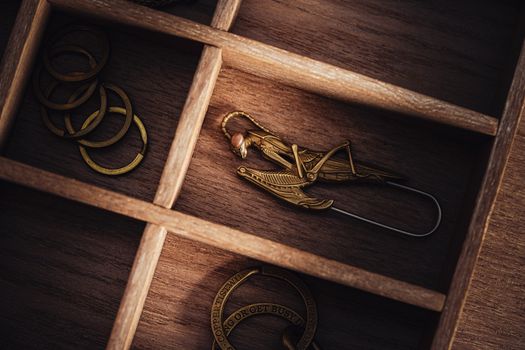 Photo: COPPERTIST WU / Pexels
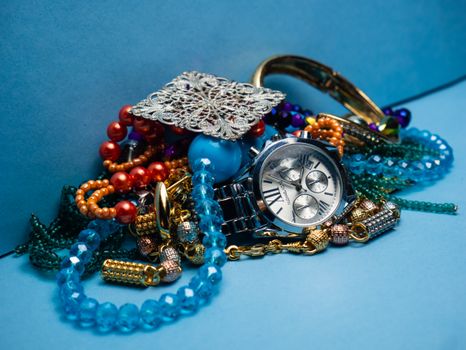 Photo: Stephen Audu / Pexels
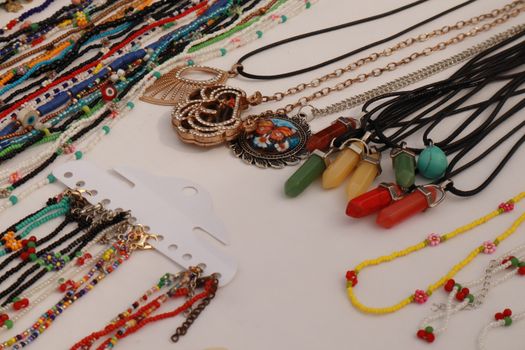 Photo: Büşra Demirci / Pexels