✓ Real gold is a soft metal, susceptible to minor scratches.
✓ Gold has a high density, making it feel heavier than its size suggests.
✓ Acid tests can confirm gold purity but require caution.
How It Works
1
Gather Your Materials
Collect the gold item, a strong magnet, a ceramic plate (unglazed), and potentially a magnifying glass. Ensure your testing area is well-lit and clear.
2
Perform Initial Visual & Magnetic Checks
Examine the item for hallmarks and discoloration. Then, hold a strong magnet near the gold; if it's attracted, it's likely not real gold.
3
Conduct Density & Scratch Tests
Feel the weight of the item and, if safe, lightly scratch it on an unglazed ceramic surface. Real gold will leave a gold streak, while fake gold leaves a black or no streak.
4
Consider Acid Testing (with caution)
For more definitive results, use a gold testing kit with nitric acid, following all safety precautions. This method provides a reliable indication of karat purity.
Understanding Gold Purity: Karats and Hallmarks
Photo: Penumbra Captures / Pexels
Before diving into at-home tests, it's crucial to grasp the concept of gold purity, often measured in karats. Pure gold is 24 karats (24K), meaning 100% gold. However, pure gold is incredibly soft and easily damaged, making it impractical for everyday jewelry. Therefore, gold is often alloyed with other metals like copper, silver, or zinc to increase its durability and alter its color. Common karats for jewelry include 10K, 14K, 18K, and 22K. A 14K gold item, for instance, contains 14 parts gold and 10 parts other metals (14/24, or approximately 58.3% pure gold). Understanding these measurements is fundamental to assessing the value and authenticity of your gold items.
One of the first and most straightforward indicators of real gold is the presence of hallmarks or stamps. These tiny markings, usually found on inconspicuous areas like the inside of a ring band, on the clasp of a necklace, or on the back of an earring, denote the gold's purity. In the US, common hallmarks include '10K', '14K', '18K', '22K', or numerical equivalents like '417' (for 10K), '585' (for 14K), '750' (for 18K), and '916' (for 22K). You might also see '24K' for pure gold. Additionally, some pieces may carry a manufacturer's mark or a country of origin stamp. While hallmarks are strong indicators, they are not foolproof. Counterfeiters can apply fake stamps, so it's essential to combine this visual inspection with other testing methods. Always use a magnifying glass to clearly read these tiny inscriptions, as they can sometimes be worn down or very small. Familiarize yourself with common hallmark styles and locations for different types of jewelry to aid in your initial assessment. It’s also worth noting that very old pieces, or those from certain regions, might not have easily identifiable hallmarks, making other tests even more critical. The absence of a hallmark doesn't automatically mean it's fake, but it should prompt further investigation. Conversely, the presence of a clear hallmark is a positive sign, but never the sole determinant. Always approach gold identification with a multi-faceted strategy to ensure accuracy and avoid being misled by convincing fakes. This initial step of inspecting hallmarks sets the stage for more hands-on tests, providing a preliminary filter for your gold items. Understanding the karat system is not just about purity but also about the expected properties of the gold; lower karat gold will be harder and less vibrant in color than higher karat gold, which can also inform your expectations for subsequent tests.
Non-Destructive Home Gold Tests: Your First Line of Defense
Photo: Ivan S / Pexels
When you're wondering how to tell if gold is real at home, starting with non-destructive tests is always the safest bet, as they won't damage your valuable items. These methods leverage the unique physical properties of gold to give you initial clues about its authenticity. The first and perhaps most popular non-destructive test is the magnet test. Gold is not magnetic. This means if your gold item is strongly attracted to a powerful magnet, it is highly likely that it is not real gold. Many common metals used in fake jewelry, such as iron, nickel, or steel, are magnetic. However, it's important to note that some non-magnetic metals, like copper or lead, can also be used in fakes, so a lack of magnetic attraction doesn't definitively prove it's real gold. Use a strong, rare-earth magnet (like those found in refrigerator magnets or old hard drives) for the best results. A weak magnet might not register the slight magnetic properties of some alloys, but a strong one will give a clear indication.
Next, consider the density test, also known as the weight test. Gold is an incredibly dense metal. This means that a genuine gold item will feel surprisingly heavy for its size compared to items made from other metals. You can compare the weight of your gold item to a known gold item of similar size, or even to an item of similar size made from a common metal like brass or steel. If your item feels unusually light, it could be a sign that it's not real gold. While a precise density measurement requires specialized equipment, a qualitative assessment of weight can still be very informative. Another simple non-destructive test is the skin discoloration test. Real gold does not react with human skin, meaning it won't leave a green, black, or blue mark. If wearing a piece of jewelry causes your skin to discolor, it's often an indicator that it contains other metals like copper (which turns skin green) or silver (which can oxidize and turn skin black). This test is best performed after wearing the item for a few hours. However, it's important to remember that some people can have allergic reactions to certain metals in gold alloys (like nickel), which might also cause skin irritation or discoloration, even if the gold itself is real. Finally, the float test in water, though less precise, can offer a quick visual cue. Gold is very dense and will sink immediately to the bottom of a glass of water. If your item floats or hovers, it's definitely not gold. While these non-destructive tests provide valuable preliminary information, they are best used in combination to build a stronger case for or against authenticity.
More Advanced Home Gold Tests: The Scratch and Acid Methods
Photo: adrian vieriu / Pexels
When non-destructive tests leave you with lingering doubts, or if you need a higher degree of certainty, you can move on to more advanced, albeit slightly more invasive, home gold tests. These include the scratch test and the acid test, both of which require a bit more caution and preparation. The scratch test is a classic method that capitalizes on gold's unique property of leaving a streak. To perform this, you'll need an unglazed ceramic plate or tile – the kind found on the bottom of many coffee mugs works perfectly. Gently, and with moderate pressure, rub a small, inconspicuous part of your gold item across the unglazed surface. If it leaves a distinct gold-colored streak, it's likely real gold. If it leaves a black streak, it's probably pyrite (fool's gold) or another base metal. If it leaves no streak at all, it might be a different metal or a very thin gold plating that has worn off. Be careful not to apply too much pressure, as gold is soft and you don't want to damage your item unnecessarily. This test is effective because real gold is softer than most counterfeit metals and will abrade onto the ceramic, leaving its true color behind. However, extremely thin gold plating might rub off, revealing the base metal underneath, which could mislead your results. For this reason, it's a good idea to try to scratch a less visible part of the item where the plating might be thicker or less worn.
The most definitive at-home test is the acid test, which uses nitric acid to react with metals. Gold does not react with nitric acid, while most other metals do. Gold testing kits are readily available online and typically include small bottles of nitric acid in varying strengths (for 10K, 14K, 18K, and 22K gold), a scratch stone (often slate), and instructions. To perform an acid test, you'll first make a small, inconspicuous scratch on your gold item using a file or the scratch stone. This exposes the inner metal, ensuring you're testing the core material and not just plating. Then, apply a small drop of the appropriate acid (e.g., 14K acid for a suspected 14K item) directly onto the scratch. If the liquid dissolves the scratch mark, your item is of a lower karat than the acid, or not gold at all. If the liquid remains on the scratch without dissolving it, your item is at least that karat purity. For instance, if 14K acid doesn't react, try 18K acid, and so on, until you find the acid that dissolves it or confirms its purity. Always wear gloves and eye protection, and work in a well-ventilated area when using acids. Nitric acid is corrosive and can cause serious burns. Never let the acid touch your skin or other valuable items. After testing, neutralize any remaining acid with baking soda and water, and thoroughly rinse your gold item. While highly effective, the acid test is the most aggressive home method and should be approached with extreme caution. Combining the scratch test with an acid test provides a powerful combination for verifying authenticity. For valuable gold items, particularly those of significant sentimental or monetary worth, consulting a professional jeweler for an XRF (X-ray Fluorescence) analysis is always the most accurate and non-destructive option. However, for quick verification at home, these methods offer considerable insight into whether your gold is genuine or not.
Common Mistakes and Expert Tips for Gold Identification
Photo: Tima Miroshnichenko / Pexels
When trying to determine how to tell if gold is real at home, it's easy to fall prey to common misconceptions or misinterpret test results. Avoiding these pitfalls can save you time, effort, and potential damage to your items. One significant mistake is relying solely on a single test. As discussed, no single at-home test is 100% foolproof on its own. A combination of visual inspection, magnetic tests, density assessments, and if appropriate, scratch and acid tests, provides the most comprehensive picture. Forgetting to clean your item before testing is another common error. Dirt, grime, or even old polish can interfere with test results, especially for scratch and acid tests. A quick wipe with a soft cloth and mild soap can ensure accurate readings. Here are some expert tips to enhance your at-home gold identification process:
* **Always use a strong magnet:** Weak refrigerator magnets might not be sufficient to detect the slight magnetic properties of some gold alloys. Invest in a small, powerful neodymium magnet for reliable results.
* **Examine hallmarks meticulously:** Use a jeweler's loupe or a strong magnifying glass. Look for inconsistencies in stamping, blurred numbers, or odd placements that could indicate a counterfeit mark.
* **Be wary of 'plated' or 'filled' items:** Terms like 'gold plated,' 'gold filled,' 'gold vermeil,' or 'rolled gold' mean the item is not solid gold. These items have a thin layer of gold over a base metal and will react differently to tests, often revealing the base metal underneath.
* **Practice on known gold items:** If you have a piece of gold jewelry whose authenticity and karat are known, practice your tests on it first. This will help you understand what real gold looks and feels like during the tests.
* **Understand the limitations of home tests:** While effective, home tests cannot provide the precise karat measurement or detect all sophisticated fakes. For high-value items, professional appraisal is always recommended.
* **Safety first with acid tests:** Always wear protective gear (gloves, eye protection) and work in a well-ventilated area. Have baking soda and water readily available to neutralize spills. Never use acid directly on a finished surface without scratching first, as it can damage the item.
* **Consider the item's age and origin:** Very old pieces might not have modern hallmarks. Research historical gold marking practices if you suspect an antique. Similarly, gold from different countries might have different stamping conventions.
* **Listen to your instincts:** If an item feels too light, looks too shiny, or seems 'off' in any way, trust your intuition and proceed with thorough testing. Many fakes are convincing at first glance but reveal their true nature upon closer inspection. By being diligent and systematic, you can significantly improve your ability to identify real gold from fakes at home, protecting your investments and ensuring you get what you pay for.
Comparison
Feature
Real Gold
Gold Plated/Filled
Pyrite (Fool's Gold)
Brass/Other Base Metals
Magnetic Attraction
No
No (base metal may be)
No
Varies (some magnetic)
Skin Discoloration
Rarely (unless alloy reaction)
Often (green/black)
No
Often (green/black)
Streak on Ceramic
Gold streak
No streak or black/grey
Black/green streak
Black/grey streak
Density/Weight
Heavy for size
Lighter than solid gold
Lighter than gold
Lighter than gold
Acid Test (Nitric)
No reaction (specific karat)
Reacts (reveals base metal)
Reacts strongly
Reacts strongly
Hallmarks
Present (10K, 14K, 585 etc.)
GP, GF, HGP (if marked)
None
Varies, often none
What Readers Say
★★★★★
"I used the magnetic and scratch tests from this guide on a ring I inherited. It quickly helped me confirm it was indeed real gold, saving me a trip to the jeweler."
Sarah J. · Austin, TX
★★★★★
"The detailed explanation of hallmarks and the acid test was incredibly helpful. I felt confident enough to test some antique coins and got accurate results."
Michael D. · Miami, FL
★★★★★
"After reading this, I tried the ceramic plate scratch test on several pieces. It was amazing how clearly the real gold left a gold streak, while the fakes left black. Great advice!"
Emily R. · Portland, OR
★★★★★
"The information on density and skin discoloration was very insightful. While I still plan to get my most valuable piece professionally appraised, these home tests provided excellent preliminary verification."
David L. · Chicago, IL
★★★★★
"I was skeptical about at-home tests, but the clear, step-by-step instructions made me comfortable trying. I successfully identified a gold-plated necklace that I thought was solid gold, preventing a costly mistake."
Jessica M. · Denver, CO
Frequently Asked Questions
What is the most reliable at-home test for gold?
The most reliable at-home test for gold is a combination of the scratch test followed by an acid test using a gold testing kit. While visual inspection and magnetic tests provide good initial indicators, the chemical reaction (or lack thereof) with nitric acid offers a more definitive answer regarding karat purity, as real gold will not dissolve.
Can fake gold pass the magnet test?
Yes, some fake gold can pass the magnet test. While magnetic attraction indicates a base metal like iron or nickel, many counterfeit items use non-magnetic metals like copper, lead, or even tungsten (which has a similar density to gold). Therefore, a negative magnet test alone is not sufficient to confirm real gold; it must be combined with other methods.
How do I perform a density test for gold at home?
To perform a simple density test, you'll need a precise scale and a container of water. Weigh your gold item accurately in grams. Then, submerge it in water and measure its weight while submerged (using a string to hold it). Divide the dry weight by the difference between the dry weight and the submerged weight (Archimedes' principle). Pure 24K gold has a density of 19.3 g/mL; 18K is around 15.2-15.6 g/mL, and 14K is around 12.9-14.6 g/mL. Compare your calculated density to these known values.
Are gold testing kits safe to use at home?
Gold testing kits can be safe to use at home if you follow all safety precautions diligently. This includes wearing protective gloves and eye protection, working in a well-ventilated area, and having baking soda and water ready to neutralize any acid spills. The acids are corrosive, so caution is paramount to prevent skin burns or damage to surfaces.
How can I differentiate between gold plating and solid gold?
Differentiating between gold plating and solid gold can be done through a combination of tests. Gold-plated items often have very faint or no hallmarks, or specific 'GP' or 'GF' stamps. They will typically fail the scratch test, revealing the base metal underneath, and an acid test will quickly react with the underlying metal. Solid gold, conversely, will pass these tests for its stated karat purity.
Who should use these at-home gold testing methods?
These at-home gold testing methods are ideal for individuals who want to quickly verify the authenticity of gold jewelry, coins, or scrap gold they own, are considering purchasing, or have inherited. They are particularly useful for preliminary checks before considering a professional appraisal or sale, helping to filter out obvious fakes and build confidence in genuine items.
What are the risks of damaging my gold during at-home tests?
The risks of damaging your gold during at-home tests are generally low if performed correctly. The scratch test can leave a minor mark, so choose an inconspicuous area. The main risk comes from the acid test; improper handling of nitric acid can damage the gold (if it's a lower karat than expected) or cause injury if it contacts skin or other materials. Always proceed with caution.
Will professional gold testing methods be replaced by at-home kits?
No, professional gold testing methods, such as XRF (X-ray Fluorescence) analysis, are unlikely to be fully replaced by at-home kits. While home kits offer convenience and good initial verification, professional methods provide non-destructive, highly precise karat measurements and detailed elemental analysis that at-home tests cannot match. They serve different purposes, with at-home tests being for general verification and professional tests for definitive appraisals.
Empower yourself with the knowledge to discern real gold from fakes. By applying these trusted at-home methods, you can confidently identify genuine gold, protect your investments, and appreciate the true value of your precious items. Start your gold authentication journey today!
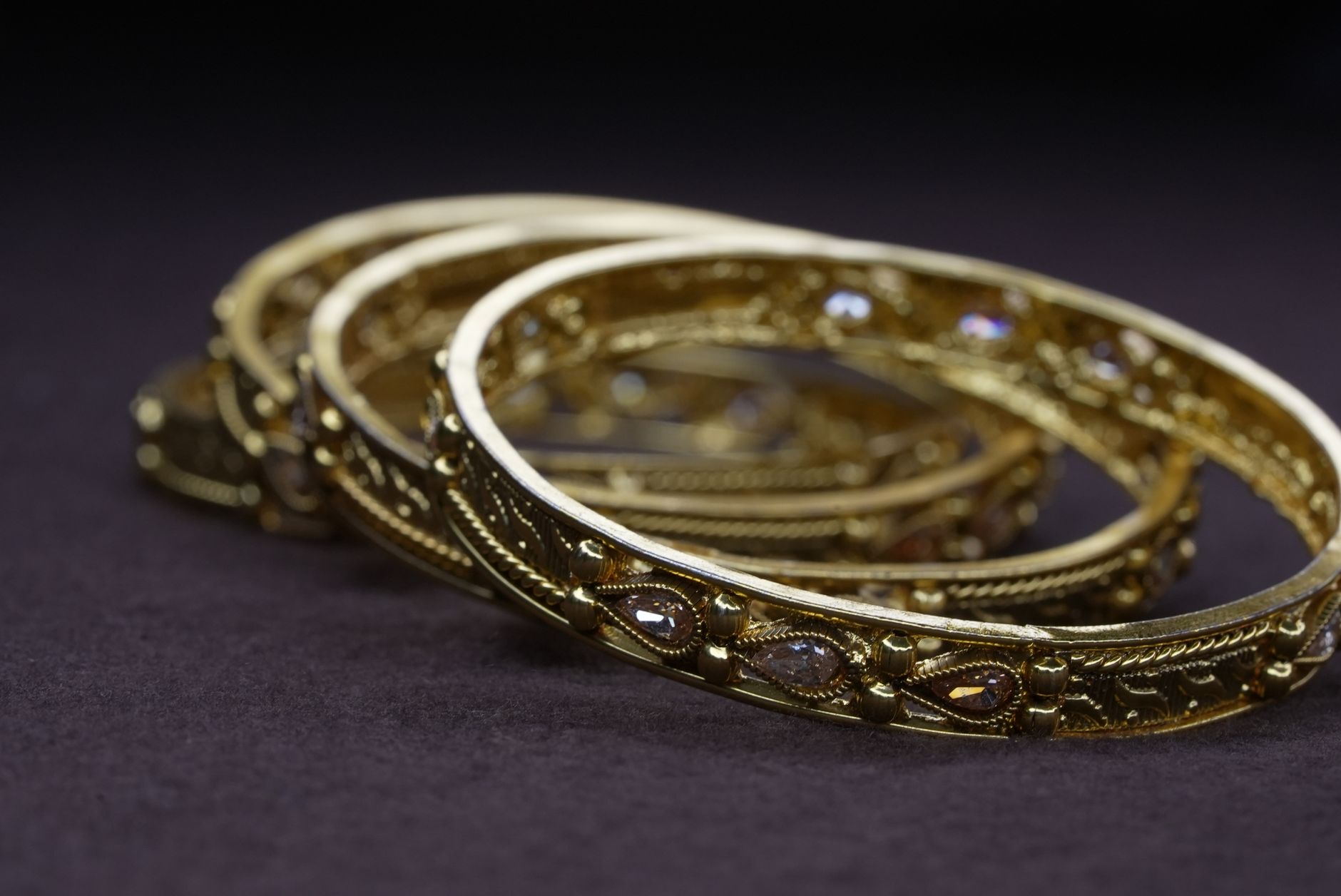
 Photo: Penumbra Captures / Pexels
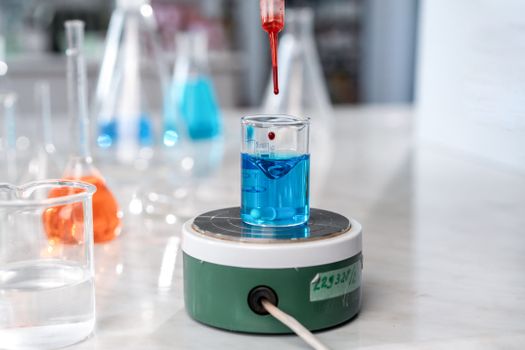 Photo: Ivan S / Pexels
 Photo: adrian vieriu / Pexels
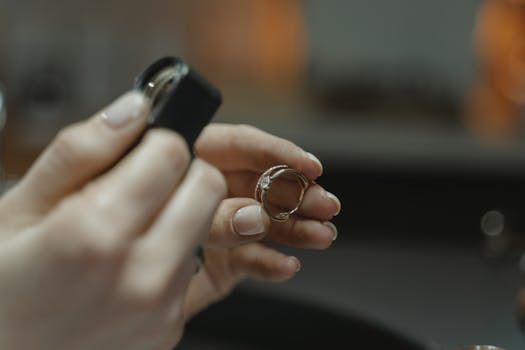 Photo: Tima Miroshnichenko / Pexels