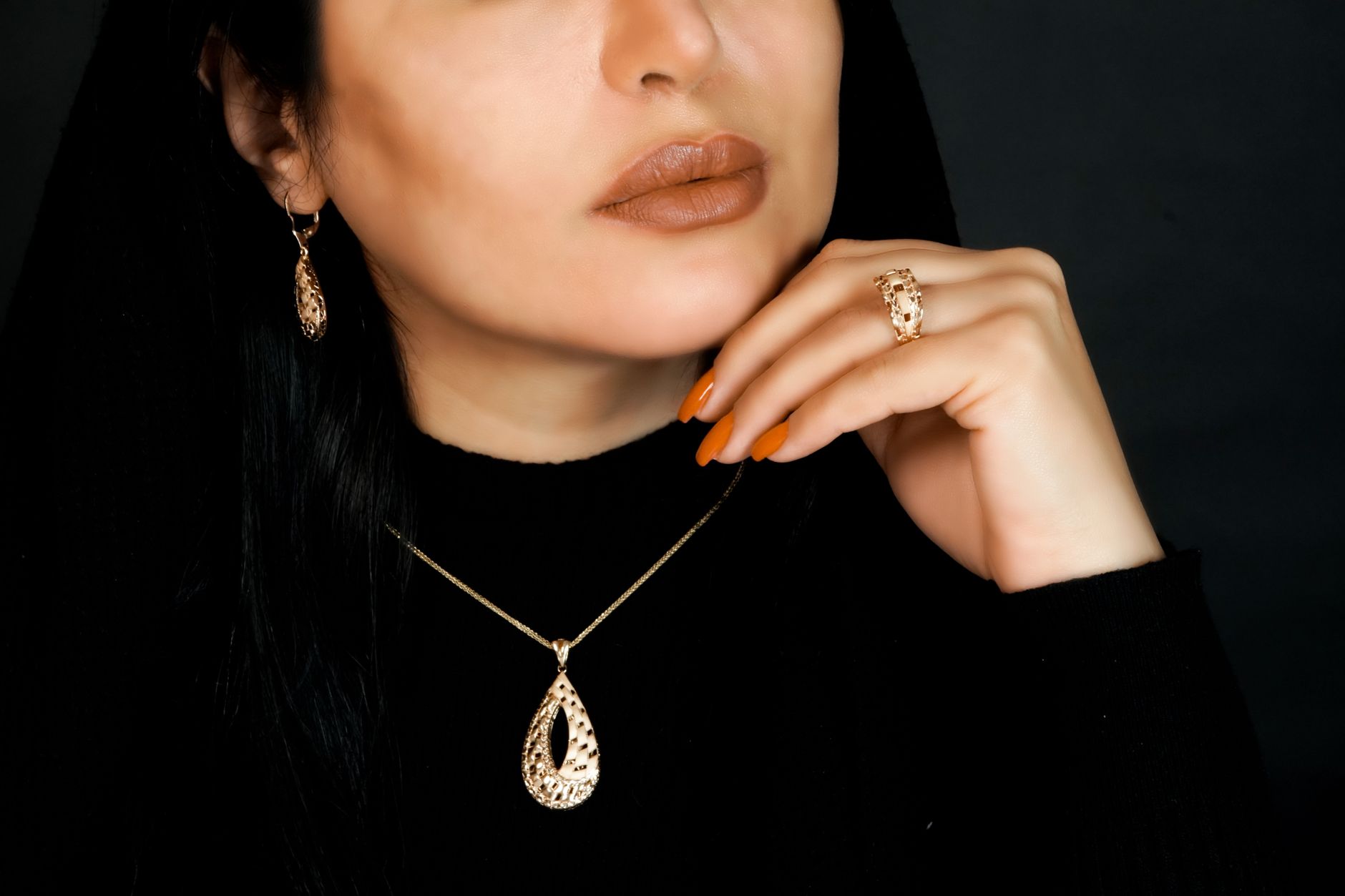
How to Tell if Gold is Real Jewelry: The Ultimate Guide
Master the art of authenticating gold jewelry with simple, effective methods and expert insights to protect your investments.
Verify Your Gold NowKey Takeaways
- ✓ Real gold is a soft, non-magnetic metal, often alloyed for durability.
- ✓ Hallmarks indicate purity (karat) and origin, crucial for identification.
- ✓ Density tests and acid tests are reliable but require caution.
- ✓ Fake gold can look very convincing, making careful examination essential.
How It Works
Locate tiny stamps on the jewelry, usually indicating karat (e.g., 10K, 14K, 18K, 24K) and sometimes a manufacturer's mark. These are primary indicators of authenticity.
Hold a strong magnet near the jewelry. Real gold is not magnetic, so if it sticks, it's likely not pure gold or contains a significant amount of other metals.
Wear the jewelry for a few hours. Real gold typically won't discolor your skin, whereas fake gold or gold-plated items may leave green or black marks due to oxidation.
For ultimate certainty, especially with valuable pieces, consult a reputable jeweler. They possess specialized tools and expertise for accurate gold authentication.
Understanding Gold Purity and Hallmarks in Real Gold Jewelry
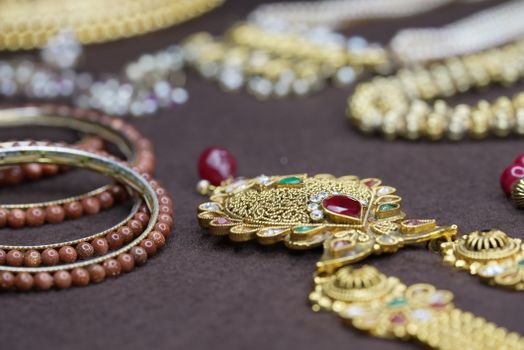 Photo: Kunal Lakhotia / Pexels
Simple Home Tests to Authenticate Your Gold Jewelry
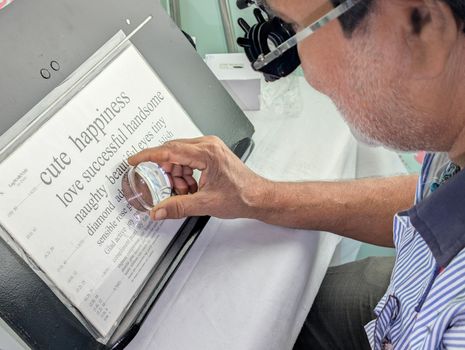 Photo: Souvik Bhowmik / Pexels
Advanced Techniques and Professional Verification for Real Gold Jewelry
 Photo: Lara Jameson / Pexels
Common Misconceptions and Red Flags When Spotting Fake Gold
 Photo: alleksana / Pexels
Comparison
| Feature | Real Gold Jewelry | Gold Plated | Gold Filled | Fool's Gold (Pyrite) |
|---|---|---|---|---|
| Hallmarks | 10K, 14K, 18K, 24K, .585, .750, etc. | GP, HGE, GF (sometimes) | GF, 1/20 GF (sometimes) | None |
| Magnet Test | No reaction | No reaction (unless base metal is magnetic) | No reaction (unless base metal is magnetic) | No reaction |
| Skin Discoloration | Rarely, if ever | Common (green/black marks) | Less common, but possible over time | Possible (green/black marks) |
| Density | Very high (e.g., 19.3 g/mL for 24K) | Lower than solid gold | Lower than solid gold | Lower than gold, higher than many base metals |
| Acid Test | Resists specific acid strengths based on karat | Dissolves rapidly | Dissolves rapidly (gold layer may resist initially) | Dissolves in nitric acid |
| Wear Over Time | ✓ Maintains color, may dull slightly | ✗ Wears off, base metal exposed | ✓ More durable than plated, but can wear | ✗ Tarnishes, dulls |
What Readers Say
"This guide taught me how to tell if gold is real jewelry with confidence. I used the hallmark and magnet tests on an old necklace, and it confirmed it was genuine 14K! So helpful."
Sarah J. · Austin, TX"I was skeptical about a vintage ring I bought. Following the steps here, especially the skin test, helped me identify it as real gold. Saved me from a potential scam."
Mark D. · Miami, FL"The detailed explanation of hallmarks was a game-changer. I finally understood what the tiny numbers on my grandmother's bracelet meant, confirming its authenticity and value."
Emily R. · Seattle, WA"The information on acid tests was very informative, though I wouldn't try it myself. It really highlights why professional appraisal is important for high-value items."
David L. · Chicago, IL"As someone who buys and sells estate jewelry, knowing how to tell if gold is real jewelry quickly and accurately is crucial. This article is now my go-to resource for quick checks."
Jessica M. · Denver, COFrequently Asked Questions
What is the most reliable home test to tell if gold is real jewelry?
The most reliable home tests combine examining hallmarks, performing the magnet test, and observing skin discoloration. While no single home test is 100% conclusive, using these three together provides a strong preliminary indication. For absolute certainty, especially for valuable pieces, professional appraisal is recommended.
Can fake gold look exactly like real gold?
Yes, fake gold can be incredibly convincing in appearance. High-quality gold plating or alloys like brass can mimic gold's luster and color very well. This is why relying solely on visual inspection is insufficient and why physical and chemical tests are essential to differentiate real from fake.
How do I read gold hallmarks to determine purity?
Gold hallmarks typically indicate purity in karats (e.g., 10K, 14K, 18K, 24K) or as a decimal percentage (e.g., .417 for 10K, .585 for 14K, .750 for 18K, .999 for 24K). Look for these numbers, often accompanied by a manufacturer's mark. A magnifying glass helps. If you see 'GP,' 'GF,' or 'HGE,' it signifies plating or filling, not solid gold.
Is 10K gold considered real gold, and what is its value?
Yes, 10K gold is considered real gold, as it contains 41.7% pure gold, alloyed with other metals for durability. While it has less pure gold content than 14K or 18K, it is still a precious metal with intrinsic value. Its value is lower per gram than higher karat gold but is more durable and often more affordable.
What's the difference between gold plated, gold filled, and solid gold jewelry?
Solid gold is entirely gold alloy throughout. Gold-plated jewelry has a very thin layer of gold electroplated onto a base metal, which can wear off quickly. Gold-filled jewelry has a thicker layer of gold mechanically bonded to a base metal, making it much more durable than plated but still not solid gold. Each has different durability and value.
Who should use these methods to check gold authenticity?
Anyone purchasing or inheriting gold jewelry, antique collectors, sellers of used jewelry, or individuals simply curious about the authenticity of their existing pieces can benefit from these methods. It empowers consumers to make informed decisions and protect their investments.
Are there any risks associated with performing home gold tests?
Most home tests like the magnet and skin test are low-risk. However, the ceramic plate test involves scratching, which can cause minor damage. The acid test carries significant risks due to corrosive chemicals and should only be handled by professionals or with extreme caution and proper safety gear to avoid injury or damage to the item.
How will technology impact how we verify gold in the future?
Future gold verification will likely see increased reliance on advanced non-destructive technologies like portable XRF analyzers, making professional-grade testing more accessible. Blockchain technology could also play a role in tracking the provenance and authenticity of gold, providing a transparent, unalterable record of each piece's journey from mine to market.
Armed with this comprehensive guide on how to tell if gold is real jewelry, you're now equipped to confidently evaluate your pieces. Protect your investments and ensure the authenticity of your precious metals by applying these expert methods today.