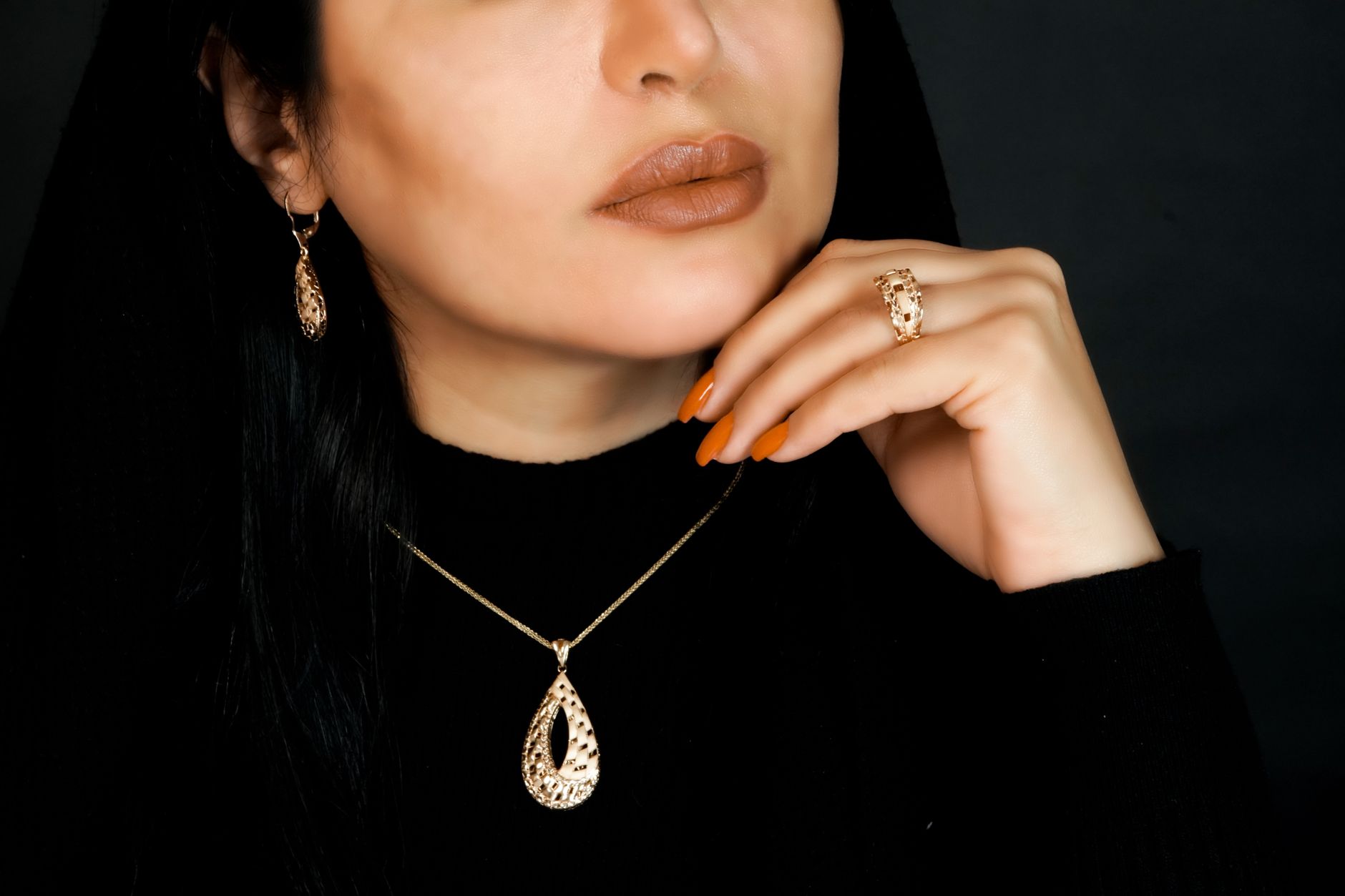
How to Tell if Gold Jewelry is Real: The Ultimate Guide
how to tell if gold jewelry is real

How to Tell if Gold Jewelry is Real: The Ultimate Guide

Master the essential techniques to confidently identify genuine gold jewelry and protect your valuable investments.

Verify Your Gold Now

Key Takeaways

  • ✓ Gold is non-magnetic; a strong magnet can be an initial indicator.
  • ✓ Real gold does not tarnish or rust, unlike many base metals.
  • ✓ Hallmarks (stamps) indicate karatage, but can be faked.
  • ✓ The acid test is a definitive, though destructive, method for verifying purity.

How It Works

1
Initial Visual Inspection

Examine the jewelry for hallmarks, discoloration, and overall craftsmanship. Look for stamps like '10K', '14K', '18K', '24K', or '999'.

2
Density & Weight Tests

Perform the water displacement test to calculate density, or simply feel the weight in your hand. Real gold is significantly denser than most common imitations.

3
Non-Destructive Home Tests

Utilize simple methods like the magnet test, ceramic plate scratch test, or skin discoloration test. These can help rule out obvious fakes without damaging the piece.

4
Professional Verification

For ultimate certainty, especially with high-value pieces, consult a reputable jeweler or appraiser. They use advanced tools like XRF analyzers for precise composition analysis.

Understanding Gold Purity and Hallmarks

Showcase of elegant gold and silver jewelry in an Istanbul market's display case. Photo: Meruyert Gonullu / Pexels
Before diving into specific tests, it's crucial to understand what real gold is and how its purity is measured. Gold purity is expressed in karats (K), which indicate the proportion of pure gold in an alloy. Pure gold is 24K, meaning it's 99.9% gold. However, 24K gold is very soft and easily scratched, making it impractical for everyday jewelry. Jewelers often alloy gold with other metals like copper, silver, nickel, or zinc to increase its durability, alter its color (e.g., white gold, rose gold), and reduce its cost. Common karats for jewelry include 10K (41.7% gold), 14K (58.3% gold), and 18K (75% gold). The higher the karat number, the purer the gold content, and typically, the higher its value. A hallmark is a small stamp or engraving found on a piece of jewelry that indicates its metal content. These marks are legally required in many countries, including the United States, to protect consumers. For gold jewelry, you'll typically see markings like '10K', '14K', '18K', or '24K'. Sometimes, you might see numbers like '417' (for 10K), '585' (for 14K), '750' (for 18K), or '999' (for 24K), which represent the gold's purity as a percentage out of 1000. For instance, '585' means 585 parts out of 1000 are pure gold, or 58.5%. It's important to note that while hallmarks are a strong indicator, they are not foolproof. Counterfeiters can stamp fake hallmarks on base metals, making it essential to combine this visual inspection with other testing methods. Always examine hallmarks closely under magnification; genuine stamps are usually crisp and clear, whereas fake ones might appear blurry or uneven. Also, be wary of terms like 'gold plated,' 'gold filled,' or 'gold vermeil,' as these indicate a thin layer of gold over a base metal, not solid gold. Understanding these distinctions is the first step in learning how to identify valuable jewelry.

Non-Destructive Home Tests for Gold Authenticity
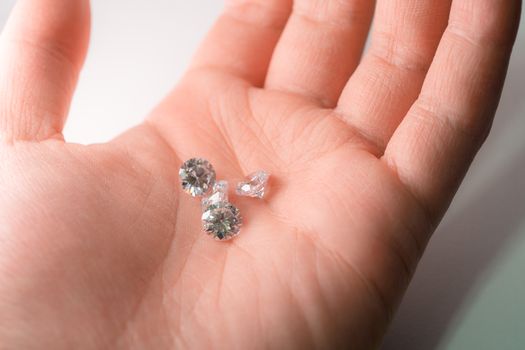
Glistening diamonds resting in the palm, showcasing luxury and elegance. Photo: Jimmy Chan / Pexels
Once you've visually inspected your jewelry for hallmarks, you can proceed with several non-destructive home tests. These methods are generally safe for your jewelry and can help you quickly distinguish between genuine gold and many common fakes. The first and perhaps most common test is the magnet test. Gold is not magnetic. If your jewelry strongly sticks to a powerful magnet (like a rare-earth magnet), it's highly unlikely to be solid gold. However, it's crucial to remember that some non-gold metals are also non-magnetic, so this test can rule out certain fakes but doesn't confirm authenticity on its own. For example, stainless steel or brass, often used in fake jewelry, are also non-magnetic. Another simple test is the ceramic plate test. Find an unglazed ceramic plate (the bottom of a ceramic mug or tile often works). Gently drag a small, inconspicuous part of your gold jewelry across the surface. If it leaves a black streak, it's likely not real gold. If it leaves a gold streak, it's a good sign that it is genuine gold. This test works because the slight abrasion of the unglazed ceramic can rub off a tiny amount of the metal. Base metals will leave a darker residue, while real gold, being relatively soft, will leave its characteristic gold color. Be gentle, as excessive force could scratch genuine gold. The skin discoloration test is another anecdotal but often effective method. Real gold does not react with human skin or sweat to cause discoloration. If your jewelry leaves green, black, or blue marks on your skin, especially after prolonged wear or exposure to moisture, it's a strong indication that it's not solid gold. These discolorations are typically caused by base metals (like copper or nickel) oxidizing when they come into contact with skin oils, sweat, or even certain cosmetics. While not a definitive scientific test, it's a common red flag for fake jewelry. Finally, the weight and density test. Gold is an exceptionally dense metal. If a piece of jewelry feels surprisingly light for its size, it might not be real gold. While subjective, this can be a quick initial indicator. For a more scientific approach, you can perform a water displacement test. First, weigh the item accurately in grams. Then, fill a small container with water, place it on a scale, and zero it out. Submerge the gold completely, ensuring no air bubbles are trapped. The increase in weight on the scale (in grams) will be equal to the volume of the displaced water in milliliters (since water has a density of 1 g/mL). Divide the weight of the gold by the volume of displaced water to get its density. Pure 24K gold has a density of 19.3 g/mL, 18K is around 15.2-15.6 g/mL, and 14K is 12.9-14.6 g/mL. A significantly lower density suggests it's not real gold. This test requires precision but can provide strong evidence.

Advanced and Professional Gold Testing Methods
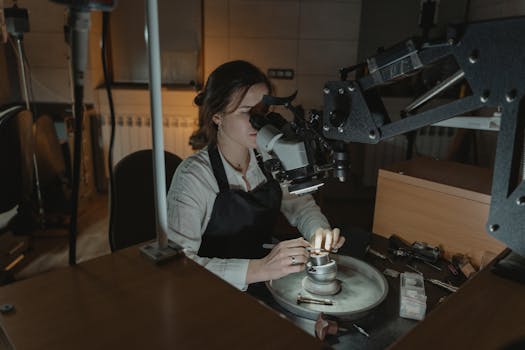
A woman jeweler crafting intricate pieces with precision under a microscope in a workshop. Photo: Tima Miroshnichenko / Pexels
When non-destructive home tests aren't conclusive, or for high-value pieces where absolute certainty is paramount, advanced and professional testing methods are necessary. These methods provide a more definitive answer regarding the gold's authenticity and purity. One of the most widely recognized advanced tests is the acid test, also known as the nitric acid test. This method involves applying a small drop of nitric acid to a tiny, inconspicuous scratch made on the jewelry. Different concentrations of acid are used to test for various karat levels. For instance, if you're testing for 14K gold, a specific acid solution will be applied. If the metal reacts (e.g., fizzes, changes color, or dissolves), it indicates that the gold content is lower than the karat level being tested, or that it's not gold at all. If there's no reaction, it suggests the gold meets or exceeds that karat level. While highly effective, the acid test is mildly destructive as it requires a scratch and involves corrosive chemicals, so it should be performed with caution, preferably by an experienced individual or a professional jeweler. It's a precise way to determine the approximate karat of gold, but it can be intimidating for the average person to perform at home. Another professional method is using an electronic gold tester. These devices work by measuring the electrical resistance or conductivity of the metal. You apply a small amount of conductive gel to the jewelry and touch it with the tester's probe. The device then displays the karat value or indicates if it's not gold. Electronic testers are generally non-destructive and offer quick results, making them a popular choice for jewelers and pawn shops. The accuracy can vary between models, but they provide a good estimate without damaging the piece. They are more expensive than home test kits but offer greater convenience and reliability. For the most accurate and non-destructive analysis, X-Ray Fluorescence (XRF) spectroscopy is the gold standard. XRF analyzers use X-rays to excite the atoms in the metal, causing them to emit secondary X-rays with characteristic energies unique to each element. By detecting and analyzing these X-rays, the instrument can precisely determine the elemental composition of the jewelry, including the exact percentage of gold and other alloying metals. XRF testing is completely non-destructive, highly accurate, and can identify plating, making it ideal for antique or very valuable pieces where even a tiny scratch is unacceptable. However, XRF machines are expensive and typically only found in professional jewelers, appraisers, or assay offices. If you're looking to invest in high-value jewelry, obtaining an XRF report provides unparalleled peace of mind. Finally, ultrasonic testing can sometimes be used to detect differences in density or the presence of non-gold cores in larger pieces, though it's less common for small jewelry items. Ultimately, combining several tests, from visual inspection to professional analysis, offers the most comprehensive approach to confirming gold authenticity. Don't rely on a single test, especially when dealing with significant investments.

Common Mistakes and Tips for Buying Real Gold Jewelry
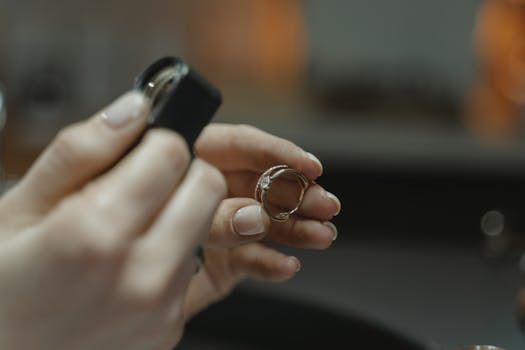
Close-up of a jeweler's hands holding a diamond ring and magnifying glass. Photo: Tima Miroshnichenko / Pexels
When trying to determine if gold jewelry is real, many people fall prey to common misconceptions or overlook crucial details. Avoiding these pitfalls can save you from purchasing counterfeit items. One of the biggest mistakes is relying solely on a hallmark. As mentioned, fake hallmarks are prevalent. Always combine hallmark inspection with other physical or chemical tests. Another common error is mistaking gold-plated or gold-filled items for solid gold. While they contain real gold, the gold layer is extremely thin and will wear off over time, significantly reducing their intrinsic value. Always look for 'K' or 'kt' markings indicating solid gold karatage, not 'GP' (gold plated), 'GF' (gold filled), or 'HGE' (heavy gold electroplate). Here are some essential tips to ensure you're buying real gold jewelry: * **Buy from Reputable Sellers:** Always purchase gold jewelry from established jewelers, reputable online stores, or trusted antique dealers. These sellers have a reputation to uphold and typically offer guarantees of authenticity. * **Get a Receipt and Certification:** Insist on a detailed receipt that clearly states the karatage, weight, and metal type. For high-value items, request a certification or appraisal from an independent gemological laboratory. * **Examine the Craftsmanship:** Real gold jewelry, especially higher karat pieces, often exhibits superior craftsmanship. Look for smooth finishes, secure settings, and well-executed designs. Poorly made pieces can be a red flag. * **Be Wary of "Too Good to Be True" Deals:** If the price of a gold item seems exceptionally low compared to the current market value of gold, it's a strong indicator that it might be fake or heavily undervalued for a reason. * **Trust Your Instincts:** If something feels off about the jewelry or the seller, it's best to walk away. Your intuition can be a powerful guide. * **Educate Yourself on Current Gold Prices:** Keep an eye on the daily spot price of gold. This knowledge will help you gauge whether an asking price for a piece of jewelry is reasonable or suspicious. * **Consider an Independent Appraisal:** For significant purchases, particularly vintage or estate jewelry, investing in an independent appraisal from a certified gemologist after purchase can provide definitive proof of authenticity and value. This small investment can prevent a much larger loss.

Comparison

FeatureSolid GoldGold PlatedGold FilledFool's Gold (Pyrite)
Gold ContentUniform throughout (e.g., 14K, 18K)Thin layer on base metalThicker layer (min 5% gold by weight)None (iron sulfide)
ValueHigh, based on karatage & weightLow (material value negligible)Moderate (some gold value)None (mineral curiosity)
DurabilityDurable, but softer with higher KWears off easilyMore durable than plated, but can wearBrittle
Hallmarks10K, 14K, 18K, 24K, 585, 750, 999GP, GEP, HGEGF, 1/20 GFNone
Magnet Test✗ (non-magnetic)Varies (base metal may be magnetic)Varies (base metal may be magnetic)✓ (magnetic)
Tarnish/Rust✗ (does not tarnish or rust)✓ (base metal tarnishes)✓ (base metal can tarnish)✓ (oxidizes and discolors)

What Readers Say

"This guide was incredibly helpful for learning how to tell if gold jewelry is real. I used the magnet and ceramic plate tests on an old necklace, and it confirmed my suspicions it was fake, saving me from a potential misrepresentation."

Sarah J. · Austin, TX

"As a new collector, understanding gold hallmarks was confusing. This article broke it down perfectly, and now I feel much more confident inspecting pieces before I buy. The tips on reputable sellers are invaluable."

David M. · Miami, FL

"I had a family heirloom I wanted to verify. Following the steps here, especially the suggestion for professional appraisal, led me to a certified jeweler who confirmed its authenticity and significant value. Thank you!"

Emily R. · Seattle, WA

"The home tests were a great starting point for my inherited jewelry. While not all definitive, they gave me good indicators. I appreciated the detailed explanation of when to seek professional help for absolute certainty."

Mark T. · Denver, CO

"I bought a vintage ring online and used the advice from this article to check it. The density test was particularly useful, and it passed all the initial checks, giving me peace of mind about my purchase."

Jessica L. · Chicago, IL

Frequently Asked Questions

What is the most reliable way to tell if gold jewelry is real at home?

Combining the magnet test, ceramic plate scratch test, and a careful inspection for hallmarks provides a good initial assessment at home. While not 100% definitive, these non-destructive methods can rule out many common fakes before considering professional testing.

Can fake gold jewelry have real-looking hallmarks?

Yes, counterfeiters can stamp fake hallmarks onto base metal jewelry to deceive buyers. This is why relying solely on hallmarks is not recommended. Always combine hallmark inspection with other physical or chemical tests for greater assurance.

How do I perform a density test on gold jewelry?

To perform a density test, first weigh the item accurately in grams. Then, submerge it in a container of water on a zeroed-out scale; the increase in weight (in grams) equals the volume in milliliters. Divide the item's weight by this volume to get its density. Compare this to known gold densities (e.g., 19.3 g/mL for 24K gold).

Is it worth paying for a professional appraisal to verify gold jewelry?

For high-value gold jewelry, antique pieces, or items where you have significant doubts about authenticity, a professional appraisal is highly recommended. The cost of an appraisal is a small investment compared to the potential loss from unknowingly purchasing or holding onto fake gold.

How does gold-plated or gold-filled jewelry differ from solid gold?

Solid gold jewelry is gold throughout, with its karatage indicating the percentage of pure gold. Gold-plated jewelry has a very thin layer of gold over a base metal, while gold-filled jewelry has a thicker layer (at least 5% gold by weight) bonded to a base metal. Both gold-plated and gold-filled items are not solid gold and have significantly less intrinsic value.

Who should be concerned about how to tell if gold jewelry is real?

Anyone buying, selling, or inheriting gold jewelry should be concerned about its authenticity. This includes collectors, investors, individuals purchasing gifts, and those evaluating family heirlooms. Knowing how to identify real gold protects your financial interests and ensures you get what you pay for.

Are there any risks associated with performing home gold tests?

Most non-destructive home tests like the magnet or ceramic plate test carry minimal risk. However, the acid test involves corrosive chemicals and can slightly damage the piece if not done correctly, so it's best performed by experienced individuals or professionals to avoid harm to yourself or the jewelry.

Will new technologies make it easier to verify gold authenticity in the future?

Yes, advancements in non-destructive testing technologies like portable XRF analyzers are making professional-grade verification more accessible. As technology evolves, we can expect more accurate and user-friendly tools for consumers to confidently assess gold authenticity without damaging their precious items.

Armed with this comprehensive guide, you now possess the knowledge to confidently assess the authenticity of gold jewelry. Protect your investments and ensure the value of your cherished pieces by applying these methods. Don't let uncertainty diminish the sparkle of your gold; verify its realness today!

Topics: how to tell if gold jewelry is realgold authenticity testreal gold vs fakegold purity checkidentifying real gold
Leo List
Brampton weed
Adultwork EstrelaBet Vai de Bet R7 Bet Betão Galera Bet Rainbet Bet9ja Shop SportyBet BetKing Sisal Loto Foot Hollywoodbets YesPlay Odibets RushBet Jugabet BetWarrior BetCity MSport betPawa Fortebet