How to Tell if Jewelry is Real Silver: The Ultimate Guide
how to tell if jewelry is real silver

How to Tell if Jewelry is Real Silver: The Ultimate Guide

Master the art of authenticating silver jewelry and ensure your precious pieces are genuine and valuable.

Discover the Truth Now

Key Takeaways

  • ✓ Real silver often has specific hallmarks like '925', 'Sterling', or 'Ster'.
  • ✓ The magnet test can help rule out some fake silver, but it's not foolproof.
  • ✓ Tarnishing is a natural process for real silver, but some fakes also tarnish.
  • ✓ Professional appraisal is the most definitive way to confirm silver authenticity.

How It Works

1
Examine for Hallmarks

Look closely for stamped markings indicating purity. Common marks include '925', 'Sterling', or 'Ster' for sterling silver. Absence doesn't always mean fake, but presence is a strong indicator.

2
Perform the Magnet Test

Hold a strong magnet near the jewelry. Real silver is not magnetic, so if it sticks, it's likely not pure silver. However, some non-silver metals are also non-magnetic, so this isn't a definitive test on its own.

3
Conduct a Scratch Test (Carefully)

On an inconspicuous area, gently scratch the surface with a jeweler's testing kit. Real silver will leave a silver streak, while plated items will reveal a different metal underneath. Exercise extreme caution as this can damage the piece.

4
Observe Tarnish and Smell

Real silver will tarnish over time, often turning a dark gray or black. It also generally has no metallic smell. A strong metallic odor or unusual tarnish patterns can be red flags.

Understanding Silver Purity: What to Look For
Close-up of a man with glasses reading an eye test chart using a magnifying glass. Photo: Souvik Bhowmik / Pexels
Navigating the world of silver jewelry can be both exciting and daunting, especially when trying to discern authentic pieces from cleverly crafted fakes. The first and often most reliable step in understanding how to tell if jewelry is real silver involves familiarizing yourself with silver purity standards and their associated hallmarks. In the United States, the most common form of silver jewelry is 'sterling silver,' which is 92.5% pure silver and 7.5% other metals, typically copper. This alloy provides durability while maintaining silver's lustrous appeal. You'll frequently find sterling silver marked with '925,' 'Sterling,' 'Ster,' or 'Sterling Silver' stamped discreetly on the piece. These hallmarks are crucial indicators of authenticity, often found on clasps, inner bands of rings, or the back of pendants. Beyond sterling, other forms exist, though less common in everyday jewelry. Fine silver, for instance, is 99.9% pure silver and is marked '999' or 'FS'. While incredibly pure, it's also very soft and prone to scratching, making it less suitable for items that see frequent wear. Conversely, terms like 'silver-plated,' 'German silver,' or 'nickel silver' indicate that the item is not real silver at all, but rather a base metal coated with a thin layer of silver or an alloy that merely resembles silver. These items will typically lack the '925' hallmark and may have other markings or none at all. The presence or absence of these stamps is your initial, most direct clue. However, it's important to note that very old pieces, handmade items, or jewelry from certain regions might not always bear these marks, complicating the identification process. This is where a multi-faceted approach becomes essential. Always start with a thorough visual inspection, ideally with a jeweler's loupe, to meticulously check for any stamped indicators. Remember, a hallmark is a manufacturer's promise of purity, and while not infallible (as fake hallmarks exist), it's a strong starting point for distinguishing genuine articles. Understanding these foundational purity levels and their corresponding marks empowers you to make more informed decisions when evaluating potential jewelry purchases or inherited pieces. It's the bedrock of real silver identification, setting the stage for more advanced tests. Always consider the source and reputation of the seller as an additional layer of security when purchasing items claiming to be real silver. Reputable jewelers will always stand by their products and provide certification of authenticity if requested. This initial examination of hallmarks is a critical skill for any discerning jewelry owner or enthusiast.

At-Home Tests: Simple Ways to Check Your Silver
A vibrant collection of fridge magnets and notes on a blue refrigerator with ample copy space. Photo: Walls.io / Pexels
Once you've examined the hallmarks, several at-home tests can further help you determine how to tell if jewelry is real silver. These methods are generally safe for your jewelry and don't require specialized equipment, making them accessible to anyone. The first common test is the magnet test. Real silver is not magnetic. Therefore, if your piece strongly attracts a powerful magnet (like those found in refrigerator magnets or crafting supplies), it's likely not pure silver or sterling silver. It could be a base metal like steel or iron, possibly silver-plated. However, it's crucial to understand the limitations: some non-silver metals (like aluminum or brass) are also non-magnetic, so a negative result doesn't definitively confirm authenticity. This test primarily helps in ruling out obvious fakes. Another simple observation is the smell test. Real silver typically does not have a strong metallic odor. If your jewelry emits a distinct, pungent, or 'coppery' smell, especially after handling, it might indicate the presence of other metals, such as copper or brass, which are often used in fake or plated items. The tarnish test is also informative. Real silver naturally tarnishes over time due due to exposure to air and moisture, forming a dark, often grayish or black layer. This is a chemical reaction with sulfur compounds in the atmosphere. If your jewelry never tarnishes, or tarnishes with an unusual color (like green), it could be a sign it's not real silver. However, some plated items can also tarnish, so like the magnet test, this isn't a standalone definitive answer. For a slightly more involved, but still safe, at-home test, consider the ice test. Silver is an excellent thermal conductor. Place a small ice cube directly on the silver jewelry and another on a non-silver surface (like a countertop) for comparison. The ice cube on real silver should melt noticeably faster than on other materials, almost as if it's sitting on a warm surface. This is due to silver's high thermal conductivity rapidly transferring heat from the ice. This test is non-invasive and can provide a good indication of genuine silver properties. Finally, the bleach test can be performed with extreme caution. Apply a tiny drop of liquid bleach to an inconspicuous area of the silver. Real silver will oxidize rapidly and turn black. If there's no reaction, or a different color appears, it's likely not real silver. However, bleach is corrosive and can damage some plated metals, so use this test sparingly and with a tiny amount. These accessible tests, when used in conjunction, can significantly narrow down the possibilities and give you a clearer picture of your jewelry's authenticity before seeking professional help.

Advanced Identification Techniques and Professional Appraisal
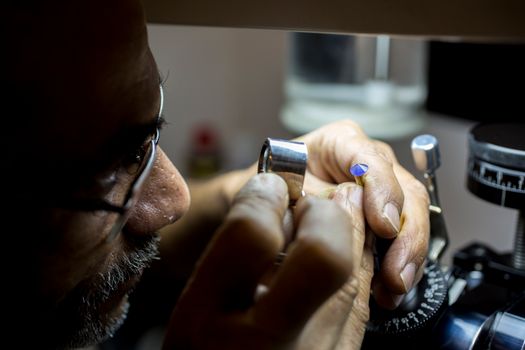
Close-up of a jeweler inspecting a gemstone in Dubai, highlighting precision and craftsmanship. Photo: Nestor Cortez / Pexels
While at-home tests provide a good initial screening, for definitive answers on how to tell if jewelry is real silver, especially for valuable or heirloom pieces, advanced identification techniques and professional appraisal are indispensable. One of the most reliable advanced tests is the acid test, often performed by jewelers. This involves applying a small drop of specific nitric acid solutions to an unnoticeable part of the silver, usually after making a tiny scratch to expose the underlying metal. Different strengths of acid react distinctively with various metals. For example, sterling silver will cause a creamy, milky reaction with a specific acid, while plated metals or fakes will react differently, often turning green or dissolving. This test is highly accurate but requires specialized acid kits and expertise, as the acids are corrosive and can damage non-silver metals. Never attempt this test without proper training and safety precautions. Another professional method is X-ray fluorescence (XRF) testing. This non-destructive technique uses X-rays to analyze the elemental composition of the metal, providing a precise breakdown of its purity without damaging the item. XRF machines are highly accurate and are commonly used by reputable jewelers, pawn shops, and precious metal dealers. While you won't have an XRF machine at home, knowing that this technology exists can empower you to ask for it when seeking professional verification. It offers a level of certainty that no at-home test can match. Ultimately, the most secure way to confirm the authenticity of your silver jewelry is through a professional appraisal. A certified gemologist or experienced jeweler possesses the knowledge, tools, and experience to accurately assess your piece. They can identify hallmarks, perform acid tests safely, use XRF technology, and evaluate the overall craftsmanship and design, which can also offer clues about authenticity. They can distinguish between genuine sterling silver, fine silver, silver-plated items, and other look-alikes. When seeking an appraisal, choose a reputable professional with good reviews and credentials. Ask about their testing methods and fees upfront. A professional appraisal not only confirms authenticity but also provides a valuation, which is essential for insurance purposes or if you plan to sell the item. Don't hesitate to invest in a professional opinion for pieces you suspect might be valuable or that hold significant sentimental worth. It’s an investment in peace of mind and ensures you truly know what you own, preventing potential disappointment or financial loss. This expert verification is the gold standard for authenticating any jewelry, especially when dealing with precious metals like silver.

Common Silver Impostors and What to Avoid

Elegantly arranged jewelry and accessories displayed at a street market in black and white. Photo: Bikram Bezbaruah / Pexels
Understanding the common impostors that mimic real silver is crucial in your quest to how to tell if jewelry is real silver. Many materials are designed to look like silver but lack its value and properties. The most prevalent of these is 'silver-plated' jewelry. This refers to a base metal (often copper, brass, or nickel) that has been coated with a very thin layer of silver. Over time, this plating can wear off, revealing the base metal underneath and often causing the piece to tarnish unevenly or turn the skin green. Silver-plated items will rarely have the '925' or 'Sterling' hallmark; instead, they might be marked 'EPNS' (Electroplated Nickel Silver) or 'A1,' or have no markings at all. Another common look-alike is 'nickel silver' or 'German silver.' Despite their names, these alloys contain no actual silver. They are typically made from copper, nickel, and zinc, giving them a silvery appearance. They are much less valuable than real silver and will not tarnish in the same way. Similarly, 'Tibetan silver' is another term often used to describe a silver-colored alloy, which usually contains copper, tin, and sometimes nickel, with little to no actual silver content. These terms are often used in ethnic or costume jewelry. If a piece is advertised with these names, assume it's not real silver unless explicitly stated otherwise with a '925' or '999' hallmark. Beyond these, some jewelers encounter 'Mexican silver' or 'alpaca silver,' which historically could refer to sterling silver from Mexico, but today often denotes a nickel-silver alloy. Always look for the '925' stamp if a piece claims to be real silver from Mexico. Furthermore, some lower-quality alloys might be marketed as 'silver tone' or simply 'fashion jewelry,' which clearly indicates they are not precious metals. A common mistake is to assume that any shiny, metallic gray item is silver. Always be wary of prices that seem 'too good to be true' for what is advertised as genuine silver, as this is a major red flag. Familiarizing yourself with these common fakes empowers you to avoid misidentifying them and ensures you invest in authentic pieces. Always scrutinize marketing language and prioritize pieces with clear, verifiable hallmarks from reputable sellers. Being informed about these impostors is your best defense against purchasing misleading or low-value items.

Comparison

FeatureReal Sterling SilverSilver PlatedNickel Silver (German Silver)
Hallmarks925, Sterling, SterEPNS, A1, or noneNone, or vague marks
Magnet TestNon-magneticOften non-magnetic (base metal may vary)Often non-magnetic
TarnishYes, darkens over timeMay tarnish, often unevenly, revealing base metalMay tarnish, but differently than silver
Scratch TestSilver streakReveals base metal colorReveals base metal color
Thermal ConductivityHigh (melts ice fast)Lower than real silverLower than real silver
SmellNo metallic smellMay have metallic smell (copper/brass)Strong metallic smell
PriceHigher valueLower valueLowest value

What Readers Say

"This guide was incredibly helpful! I used the magnet and tarnish tests on an old necklace, and it confirmed my suspicions that it wasn't real silver. Saved me a trip to the jeweler for a fake."

Sarah J. · Austin, TX

"I've always wondered how to tell if jewelry is real silver, and this article laid it all out clearly. The section on hallmarks was especially useful, and I now check all my pieces."

Mark P. · Miami, FL

"After reading this, I successfully identified a genuine sterling silver bracelet using the ice test and hallmark inspection. It's empowering to know what to look for and protect my investments."

Emily R. · Seattle, WA

"Good practical advice, though some tests like the acid test are best left to professionals. It's a comprehensive resource for distinguishing real silver from fakes, especially the at-home tips."

David L. · Denver, CO

"As someone who buys a lot of vintage jewelry, this guide on how to tell if jewelry is real silver is a godsend. It's helped me avoid several potentially fake purchases and increased my confidence."

Jessica M. · Phoenix, AZ

Frequently Asked Questions

What is the most reliable way to tell if jewelry is real silver?

The most reliable way is to look for specific hallmarks like '925', 'Sterling', or 'Ster'. If present, combine this with a magnet test and tarnish observation. For absolute certainty, especially with unmarked or valuable pieces, a professional appraisal using XRF or acid testing is recommended.

Will real silver always have a '925' stamp?

While '925' is the most common hallmark for sterling silver, not all real silver will have it. Very old pieces, handmade items, or silver from certain regions might be unmarked. However, its absence makes definitive identification more challenging and often requires additional testing.

How can I perform the magnet test safely on my jewelry?

To perform the magnet test safely, use a strong neodymium magnet (a refrigerator magnet may not be strong enough). Hold the magnet close to the jewelry. If the jewelry attracts the magnet, it's not real silver. If there's no attraction, it's a good sign, but remember some non-silver metals are also non-magnetic.

Is silver-plated jewelry worth anything compared to real silver?

Silver-plated jewelry has significantly less intrinsic value than real silver because it contains only a tiny, thin layer of silver over a base metal. Its value is typically sentimental or design-based, not based on precious metal content. Real silver, like sterling silver, holds a higher market value.

How does the ice test work for identifying real silver?

The ice test relies on silver's excellent thermal conductivity. Place an ice cube on your jewelry and another on a non-silver surface. If the ice on the jewelry melts noticeably faster, it suggests the item is real silver, as silver efficiently transfers heat away from the ice.

Who should use these methods to identify real silver?

Anyone interested in jewelry, whether for personal use, collecting, or reselling, should learn these methods. They are particularly useful for consumers buying vintage items, receiving gifts, or evaluating inherited pieces to ensure authenticity and value.

Can cleaning products damage real silver during identification tests?

Yes, some cleaning products can damage silver. When performing tests like the bleach test, use an extremely tiny amount on an inconspicuous area and rinse immediately. Avoid harsh abrasives or chemicals that are not specifically designed for silver, as they can cause discoloration or surface damage.

Are there any emerging technologies for identifying real silver?

X-ray fluorescence (XRF) technology is increasingly accessible and offers precise, non-destructive elemental analysis for identifying silver and other metals. While not an at-home tool, it represents the leading edge in accurate metal identification used by professionals.

Armed with this comprehensive guide, you now possess the knowledge and tools to confidently determine how to tell if jewelry is real silver. Protect your investments, cherish your authentic pieces, and make informed decisions in the fascinating world of silver jewelry.

Topics: how to tell if jewelry is real silversilver purity testsidentify real silversterling silver authenticationfake silver detection
Leo List
Brampton weed
Adultwork EstrelaBet Vai de Bet R7 Bet Betão Galera Bet Rainbet Bet9ja Shop SportyBet BetKing Sisal Loto Foot Hollywoodbets YesPlay Odibets RushBet Jugabet BetWarrior BetCity MSport betPawa Fortebet