Hypoallergenic Earrings for Sensitive Ears: Your Ultimate Guide
July 12, 2026 15 min read 2,932 words
Finally, wear beautiful earrings without discomfort or allergic reactions. Find your perfect, irritation-free pair today.
Find Your Perfect Pair
Understanding Ear Sensitivity and Allergic Reactions to Jewelry
 Photo: The Glorious Studio / Pexels
For many, the joy of wearing beautiful earrings is overshadowed by persistent itching, redness, swelling, and discomfort. This common affliction is often a sign of contact dermatitis, an allergic reaction triggered by certain metals in jewelry. The primary culprit in the vast majority of these cases is nickel, a metal widely used in costume jewelry and even mixed into more expensive alloys to increase hardness and durability. It’s estimated that up to 20% of the population has a nickel allergy, making it one of the most prevalent metal sensitivities globally. But nickel isn't the only potential irritant; cobalt and chromium can also cause similar reactions, though less frequently. Understanding what causes these reactions is the first crucial step towards finding
comfortable and safe jewelry options.
The immune system, when exposed to nickel ions that leach from the jewelry and penetrate the skin, mistakenly identifies them as harmful invaders. This triggers an inflammatory response, leading to the tell-tale symptoms of an allergic reaction. The severity can range from mild itching to painful blisters and weeping sores. It’s important to note that a sensitivity can develop over time, meaning someone who previously had no issues with certain earrings might suddenly experience symptoms. Once a nickel allergy develops, it is typically lifelong, so avoidance is key. This is where the concept of hypoallergenic earrings becomes not just a preference, but a necessity for maintaining ear health and comfort.
Beyond metal allergies, some individuals might experience irritation due due to other factors, such as improper piercing aftercare, bacterial infections, or even friction from heavy earrings. However, if the symptoms consistently appear after wearing specific types of metal earrings and subside when they are removed, a metal allergy is highly probable. Recognizing these patterns is vital. Many people suffer needlessly, believing that their ears are simply 'sensitive' without understanding the underlying allergic mechanism. By identifying nickel as the primary trigger, individuals can proactively seek out earrings specifically designed to be free from this common allergen. This proactive approach not only alleviates discomfort but also allows them to explore the vast world of stylish earrings without fear of adverse reactions. The market for truly hypoallergenic options has grown significantly, offering a wide array of designs that prioritize both aesthetics and wearer comfort, ensuring that everyone can enjoy the beauty of earrings without compromise. Understanding the nuances of these reactions empowers consumers to make informed choices and reclaim the pleasure of accessorizing.
The Science of Hypoallergenic Materials: What to Look For
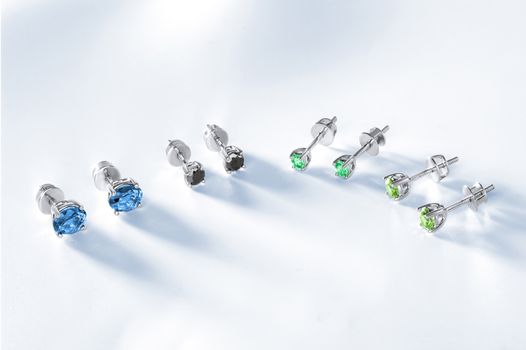 Photo: The Glorious Studio / Pexels
The term 'hypoallergenic' can sometimes be misleading, as there isn't a universally regulated standard for its use in the jewelry industry. However, when it comes to earrings, it generally refers to materials that are least likely to cause an allergic reaction, primarily by being nickel-free or having extremely low nickel content. The science behind these materials lies in their chemical inertness and biocompatibility – meaning they don't readily react with body tissues or leach ions that can trigger an immune response. Knowing which materials genuinely fit this description is paramount for anyone with sensitive ears. This section delves into the most reliable and safest metal options available.
**Surgical Stainless Steel:** Often abbreviated as 316L, surgical stainless steel is a popular choice for hypoallergenic earrings. While it does contain a small amount of nickel, it's tightly bound within the alloy and not released in quantities sufficient to cause a reaction in most individuals. It's durable, affordable, and widely used in medical implants, attesting to its biocompatibility. However, for those with extreme nickel sensitivity, even surgical stainless steel might occasionally cause issues.
**Titanium:** Considered one of the safest metals for sensitive skin, titanium is completely nickel-free and highly biocompatible. It's lightweight, incredibly strong, and resistant to corrosion, making it an excellent choice for both initial piercings and everyday wear. Medical-grade titanium (often Ti-6AL-4V ELI) is the gold standard, offering superior purity and safety. It's available in various colors through anodization, expanding aesthetic options without compromising safety.
**Niobium:** Similar to titanium, niobium is another inert and highly biocompatible metal that is entirely nickel-free. It's often used in medical devices and is an excellent option for those with severe metal allergies. Niobium can also be anodized to create a spectrum of vibrant colors, providing a stylish and safe alternative to traditional metals.
**Pure Gold (14k, 18k, 24k):** Gold is generally well-tolerated, but its purity matters. Lower karat gold (e.g., 10k or 12k) contains a higher percentage of other metals, which often include nickel, copper, or silver, making it potentially irritating. For sensitive ears, 14k gold is often a good balance of durability and purity, while 18k and 24k (pure gold) are even safer bets as they contain less or no alloyed metals. White gold often contains nickel, so opt for palladium-alloyed white gold or platinum instead.
**Sterling Silver (925):** While sterling silver is 92.5% pure silver, the remaining 7.5% is typically copper, which is generally not an allergen. However, some sterling silver alloys might contain trace amounts of nickel, or the silver itself can tarnish and cause irritation in some very sensitive individuals. Always ensure the sterling silver is clearly labeled 'nickel-free' if you have a known sensitivity.
**Platinum:** An incredibly rare and valuable metal, platinum is naturally hypoallergenic, extremely durable, and resistant to tarnish. It's a premium choice for sensitive ears, being completely nickel-free and highly biocompatible, making it one of the safest options available.
**Plastic/Resin/Wood:** For those with extreme metal sensitivities, non-metal options like medical-grade plastic, resin, or natural wood can be excellent alternatives. These materials are inherently free from metals and offer a vast range of design possibilities, providing complete peace of mind for even the most reactive skin. When selecting these, ensure they are smooth, non-porous, and sourced from reputable manufacturers to prevent irritation from rough surfaces or chemicals. Understanding these material distinctions is crucial for making informed choices and ensuring a comfortable, irritation-free earring experience. Always prioritize transparency from jewelers regarding their metal compositions.
Navigating the Market: How to Choose Truly Hypoallergenic Earrings
 Photo: Andrea Piacquadio / Pexels
Choosing the right hypoallergenic earrings for sensitive ears can feel like a daunting task given the vast array of options and often ambiguous labeling in the market. Beyond understanding the ideal materials, knowing how to critically evaluate products and identify reputable sellers is key to making a truly safe purchase. This section provides practical strategies for navigating the jewelry market to ensure you select earrings that will genuinely protect your sensitive ears and bring you joy, not irritation. It's about being an informed consumer in a world where not all 'hypoallergenic' claims are created equal.
First and foremost, always prioritize transparency from the seller. A reputable jeweler or brand will clearly state the exact metal composition of their earrings. Look for specific material names like 'medical-grade titanium,' '316L surgical stainless steel,' '18k gold,' or 'niobium.' Vague descriptions such as 'fashion jewelry,' 'base metal,' or simply 'hypoallergenic' without further detail should raise a red flag. While 'hypoallergenic' is a good starting point, it's not a guarantee without the specific material listed. For instance, some companies might consider an alloy with a very low percentage of nickel as 'hypoallergenic,' but for someone with a severe allergy, even trace amounts can cause a reaction. Always seek explicit 'nickel-free' certification or detailed material breakdowns.
When shopping online, examine product descriptions thoroughly and check customer reviews. Other sensitive-eared individuals often share valuable insights about a product's true hypoallergenic qualities. Look for reviews that specifically mention comfort for sensitive ears or the absence of allergic reactions. Don't hesitate to contact the seller directly with questions about metal content, especially if you have a known severe allergy. A responsible seller should be able to provide detailed information or certifications.
Consider the entire earring, not just the decorative front. The post, the part that goes through your ear, is the most critical component for sensitive ears, as it has direct and prolonged contact with the skin. Even if the decorative element is a safe material, a post made of a cheaper, nickel-containing alloy can still trigger a reaction. Therefore, ensure that the post, backing, and any other part that touches your skin are made from genuinely hypoallergenic materials. Many earrings might have a sterling silver front but a surgical steel post, or vice versa, so always clarify the composition of all components.
Finally, be wary of price as the sole indicator of quality. While very inexpensive costume jewelry is almost guaranteed to contain nickel, a high price tag doesn't automatically mean nickel-free. Some luxury brands might use alloys containing nickel if not specifically designed for sensitive skin. Your best bet is to combine a reasonable budget with diligent research into material composition and brand reputation. Investing in high-quality, truly hypoallergenic
jewelry is an investment in your comfort and health, allowing you to enjoy accessorizing without the worry of painful reactions. By being a discerning shopper, you can confidently build a collection of beautiful earrings that are both stylish and safe for your sensitive ears, transforming your jewelry experience from frustrating to fantastic.
Tips for Maintaining Ear Health and Prolonging Earring Life
 Photo: www.kaboompics.com / Pexels
Beyond selecting the right hypoallergenic materials, proper care and maintenance play a crucial role in ensuring ear health and maximizing the lifespan of your cherished earrings. Even the safest materials can become irritating if not cared for correctly, and even the most durable earrings can lose their luster or structural integrity without proper attention. Implementing a consistent care routine will not only keep your sensitive ears happy but also preserve the beauty and longevity of your hypoallergenic jewelry.
**Regular Cleaning of Earrings:** This is perhaps the most important step. Earring posts can accumulate dirt, oils, dead skin cells, and bacteria, which can lead to irritation or even infection, regardless of the metal. Clean your earrings regularly, especially after prolonged wear, with a mild antibacterial soap and warm water. For a deeper clean, you can gently wipe them with rubbing alcohol or a specialized jewelry cleaner suitable for the specific metal. Ensure you dry them thoroughly with a soft, lint-free cloth before storing them or putting them back on. For very delicate pieces or those with gemstones, consult specific cleaning instructions.
**Ear Lobe Hygiene:** Just as important as cleaning your earrings is maintaining the hygiene of your earlobes. Gently wash your earlobes daily with a mild, fragrance-free soap during your shower or bath. If you have new piercings or are prone to irritation, a saline solution can also be very beneficial. Avoid harsh chemicals or excessive scrubbing. Keeping your earlobes clean and dry helps prevent bacterial buildup and provides a healthy environment for your hypoallergenic earrings.
**Proper Storage:** Store your earrings in a clean, dry place, ideally in a jewelry box with separate compartments or soft pouches. This prevents them from scratching each other, reduces exposure to air and humidity (which can cause tarnishing in some metals like sterling silver), and keeps them free from dust and debris. Proper storage also helps prevent tangling, especially for dangle or hoop earrings.
**Avoid Harsh Chemicals:** Remove your earrings before swimming in chlorinated pools, applying hairsprays, perfumes, lotions, or cleaning products. These chemicals can damage the metal, dull their finish, and potentially cause skin irritation. Put your earrings on last, after all other beauty products have been applied and absorbed.
**Rotate Your Earrings:** While hypoallergenic earrings are designed for continuous wear, rotating your earrings allows your earlobes to breathe and reduces constant pressure on one area. It also gives you a chance to clean each pair thoroughly. If you have extremely sensitive ears, taking your earrings out overnight can also be beneficial.
By following these simple yet effective tips, you can significantly reduce the risk of irritation, keep your hypoallergenic earrings sparkling, and ensure they remain a comfortable and stylish part of your everyday look for years to come. Your sensitive ears will thank you for the extra care, and your beautiful jewelry will continue to shine.
