Unlock Value: Understanding Jewelry Appraisal Services Cost
jewelry appraisal services cost

Unlock Value: Understanding Jewelry Appraisal Services Cost

Navigate the intricacies of jewelry appraisal costs to make informed decisions for your cherished pieces.

Get Your Appraisal Quote

Key Takeaways

  • ✓ Appraisal costs vary based on item complexity, appraiser's expertise, and location.
  • ✓ Fixed fees per item or hourly rates are common pricing structures, not percentage of value.
  • ✓ Insurance, estate planning, and resale are primary reasons for appraisals.
  • ✓ A GIA Graduate Gemologist or AGS Certified Gemologist Appraiser ensures credibility.

How It Works

1
Select a Qualified Appraiser

Choose an independent appraiser with relevant certifications (e.g., GIA, AGS). Verify their credentials and experience with your specific type of jewelry.

2
Schedule Your Appointment

Contact the appraiser to set up a time for evaluation. Inquire about their process, what you need to bring, and their estimated pricing structure upfront.

3
The Appraisal Process

The appraiser will meticulously examine your jewelry, noting characteristics like metal purity, gemstone type, weight, and quality. They will use specialized tools and their expertise.

4
Receive Your Appraisal Report

You'll get a detailed document outlining the item's specifications, market value, and methodology used. This report is crucial for insurance, sales, or estate purposes.

What Influences Jewelry Appraisal Services Cost?
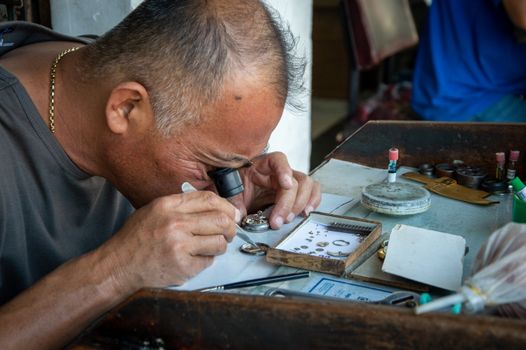
Close-up of a jeweler with a magnifying glass examining jewelry pieces passionately. Photo: Vika Glitter / Pexels
Understanding the factors that contribute to jewelry appraisal services cost is the first step toward making an informed decision. Unlike many services where pricing is straightforward, jewelry appraisal involves a nuanced evaluation of expertise, time, and the intrinsic value of the item itself. It's crucial to recognize that a reputable appraiser will *never* charge a percentage of the item's value. This practice is considered unethical and can lead to inflated valuations. Instead, appraisers typically base their fees on an hourly rate or a fixed price per item, depending on the complexity. One of the most significant factors is the complexity of the jewelry piece. A simple gold band will naturally cost less to appraise than an intricate antique necklace adorned with multiple types of gemstones, each requiring individual assessment. The time an appraiser spends examining, identifying, grading, and researching comparable market values directly correlates with the fee. For instance, evaluating a diamond involves precise measurements, clarity grading, color assessment, and cut analysis – all time-consuming tasks. If the piece contains multiple diamonds or various colored gemstones, the process becomes even more extensive. Another key influencer is the appraiser's credentials and experience. Highly qualified appraisers, such as those certified by the Gemological Institute of America (GIA) or the American Gem Society (AGS), have invested significant time and resources into their education and ongoing professional development. Their expertise allows for more accurate and defensible valuations, which is particularly important for insurance claims or legal matters. Naturally, their specialized knowledge commands a higher fee than someone without formal accreditation. It's an investment in accuracy and peace of mind. Geographic location also plays a role in jewelry appraisal services cost. Appraisers in major metropolitan areas with higher overheads and a more competitive market might charge more than those in smaller towns. The cost of doing business, including rent, insurance, and utilities, is often passed on to the consumer. Therefore, it’s not uncommon to see variations in pricing across different states or even within the same city. Always inquire about local rates, but prioritize expertise over the lowest price, as a poorly executed appraisal can be more costly in the long run. Finally, the purpose of the appraisal itself can influence the cost. An appraisal for insurance replacement value, which is the most common type, requires a specific methodology to determine what it would cost to replace the item in the current market. An estate appraisal, on the other hand, might focus on fair market value, which is often lower and reflects what the item would sell for between a willing buyer and seller. Resale value appraisals consider the secondary market. Each type of appraisal demands a different approach and research, potentially affecting the overall fee. Discussing your specific needs with the appraiser upfront is essential to ensure you receive the correct type of valuation and understand the associated diamond appraisal cost.

Typical Pricing Structures for Jewelry Appraisals
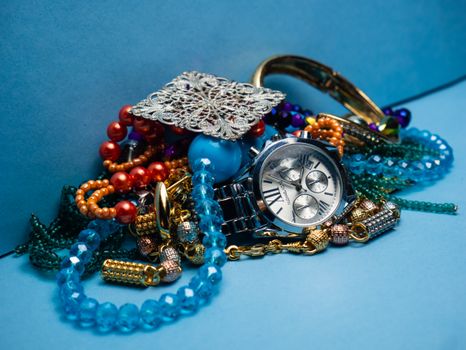
A close-up shot of various colorful jewelry pieces with a stylish wristwatch on blue background. Photo: Stephen Audu / Pexels
When researching jewelry appraisal services cost, you'll generally encounter two main pricing models: fixed fees per item and hourly rates. Understanding these structures is vital for budgeting and avoiding unexpected charges. The choice of model often depends on the appraiser's preference and the nature of the jewelry being appraised. Fixed fees per item are common for less complex pieces or for multiple similar items. For example, an appraiser might charge a set fee for appraising a single diamond engagement ring, a pair of diamond stud earrings, or a simple gold chain. These fees are usually quoted upfront and provide clarity on the total cost. This model is often favored by clients who have a clear idea of what they need appraised and want a predictable expense. The fixed fee typically covers the examination, research, and generation of a detailed appraisal report. While convenient, ensure the appraiser doesn't rush the process to fit within a fixed fee, potentially compromising accuracy. Always ask what exactly is included in the fixed price. Hourly rates are more prevalent for highly complex, rare, or antique pieces that require extensive research, detailed analysis, and a significant time commitment. For instance, appraising a collection of vintage jewelry, a piece with numerous unique gemstones, or an item with historical significance will likely be billed hourly. The appraiser will estimate the time required, and their hourly rate will reflect their expertise and market value. Hourly rates can range significantly, from $75 to $250 per hour or more, depending on the appraiser's qualifications and location. While this model can be less predictable, it ensures that the appraiser has adequate time to perform a thorough and accurate valuation without feeling pressured by a fixed fee. Always request an estimated time frame and a maximum cap if possible, especially for larger collections. It is imperative to reiterate that charging a percentage of the item's value is an unethical practice in the appraisal industry. This method creates a direct conflict of interest, incentivizing the appraiser to inflate the value to increase their fee. Reputable appraisers adhere to strict ethical guidelines set by organizations like the National Association of Jewelry Appraisers (NAJA) or the American Society of Appraisers (ASA), which prohibit percentage-based fees. If an appraiser proposes this pricing model, it's a significant red flag, and you should seek services elsewhere. Beyond the core appraisal fee, be aware of potential additional costs. These might include fees for expedited services if you need the appraisal quickly, charges for cleaning or minor repairs necessary before appraisal, or additional fees for highly specialized testing that goes beyond standard gemological examination. Some appraisers might also charge for travel if they need to come to you, or for duplicate copies of reports. Always ask for a comprehensive breakdown of all potential costs before committing to any service to fully understand the total jewelry appraisal services cost.

Saving on Jewelry Appraisal Services Cost Without Sacrificing Quality
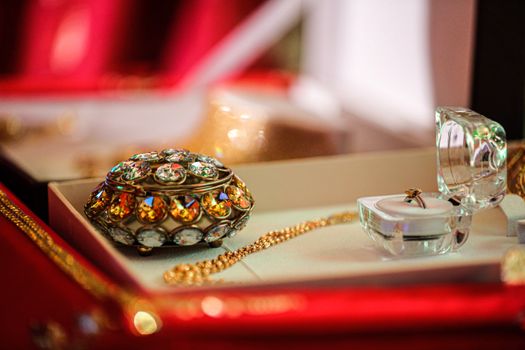
Close-up of a luxurious jewelry box with exquisite gold and jeweled accessories in an elegant display. Photo: Naresh Babu / Pexels
While quality should always be the priority when it comes to appraisal for jewelry, there are smart strategies to manage and potentially reduce your jewelry appraisal services cost without compromising the accuracy or integrity of the valuation. Being an informed consumer is your best tool in this process. Firstly, consolidate your items. If you have multiple pieces of jewelry that need appraising, bundling them for a single appointment can often lead to savings. Many appraisers offer a reduced per-item rate or a more favorable hourly rate when appraising a collection rather than individual pieces spread across multiple visits. This efficiency benefits both you and the appraiser, as they can set up their tools once and work through several items consecutively. Always ask if a discount is available for multiple items. Secondly, consider the purpose of your appraisal. Not every piece of jewelry requires a full, comprehensive appraisal. For instance, if you're merely curious about the general value of a less significant item or are considering selling it privately, a verbal assessment or a less formal valuation might suffice and cost significantly less than a full written report. Discuss your needs candidly with the appraiser; they can guide you on the appropriate level of service. However, for insurance, estate planning, or legal matters, a detailed, written appraisal report is almost always necessary. Thirdly, provide as much documentation as possible. Any original receipts, previous appraisal reports, diamond grading certificates (e.g., GIA, AGS), or historical provenance information you can provide will save the appraiser time. Less time spent researching and verifying means a lower overall cost for you, especially if the appraiser charges by the hour. Organize these documents clearly before your appointment to streamline the process. This preparation demonstrates your seriousness and aids the appraiser in their work. Fourthly, shop around, but intelligently. Obtain quotes from 2-3 different qualified, independent appraisers. Compare not just the price, but also their credentials, their approach, and what is included in their fee. Be wary of significantly lower prices, as they might indicate a less experienced appraiser or an incomplete service. A transparent appraiser will be happy to discuss their fees and processes in detail. Remember, the goal is not just the cheapest appraisal, but the most accurate and credible one for your specific needs. Finally, maintain your jewelry. While not directly reducing the appraisal fee, ensuring your jewelry is clean and in good condition can prevent additional charges for cleaning or minor repairs before the appraisal. A well-maintained piece is also easier for the appraiser to examine, contributing to an efficient process. Regular cleaning and proper storage are good practices for preserving the value and beauty of your jewelry, regardless of appraisal needs.

Common Mistakes to Avoid When Getting a Jewelry Appraisal
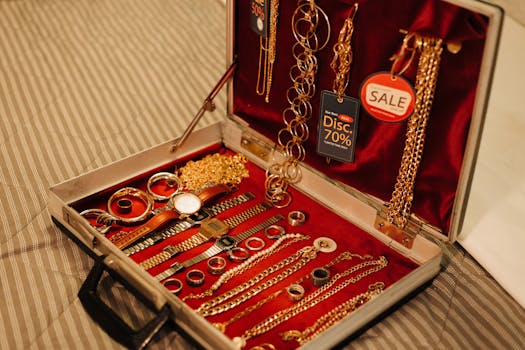
Close-up of a jewelry case with discounts on gold accessories and watches. Photo: Ron Lach / Pexels
Navigating the world of jewelry appraisal can be complex, and making certain mistakes can not only lead to inaccurate valuations but also unnecessary expenses. Being aware of these pitfalls can help you ensure a smooth and effective appraisal experience, ultimately providing you with the most accurate and useful information regarding your jewelry value. One of the most significant mistakes is choosing an appraiser who charges a percentage of the item's value. As previously mentioned, this is a major ethical red flag. Such appraisers have a financial incentive to inflate the value of your jewelry, which can lead to higher insurance premiums or issues if the true market value is much lower. Always confirm the appraiser's fee structure upfront and ensure it's based on time or a fixed rate per item, not a percentage. Another common error is failing to verify the appraiser's credentials. Not all jewelers are qualified appraisers. Look for independent appraisers with recognized certifications from reputable organizations like the Gemological Institute of America (GIA), the American Gem Society (AGS), or the National Association of Jewelry Appraisers (NAJA). These certifications indicate specialized training, adherence to ethical standards, and ongoing education. An unqualified appraiser might miss crucial details, leading to an inaccurate valuation that could cost you significantly in the long run. Underestimating the importance of documentation is another frequent mistake. Any original sales receipts, diamond grading reports, previous appraisal documents, or photographic evidence of your jewelry's history can be invaluable. This documentation saves the appraiser time on research and verification, which can translate into lower costs, especially if they charge by the hour. Moreover, it adds credibility and detail to your appraisal report. Many individuals also make the mistake of not clearly communicating the purpose of the appraisal. An appraisal for insurance replacement value is different from one for estate planning, divorce settlement, or liquidation. Each purpose requires a different valuation methodology and market analysis. If you don't specify your need, the appraiser might provide the wrong type of valuation, rendering the report less useful or even invalid for your intended purpose, necessitating a costly re-appraisal. Finally, neglecting to ask about all potential fees upfront can lead to unexpected costs. While the main appraisal fee is usually clear, some appraisers might charge extra for complex items, additional research, cleaning, or expedited service. Always request a detailed quote that outlines all potential charges before agreeing to the service. A transparent appraiser will be happy to provide this information, ensuring you have a complete understanding of the total jewelry appraisal services cost.

Comparison

FeatureIndependent Certified AppraiserJeweler's In-House AppraiserOnline Appraisal Service
ImpartialityHigh (no conflict of interest)Moderate (potential conflict for sales)Moderate (limited physical inspection)
Expertise & CredentialsGIA, AGS, NAJA certified; highly specializedVaries, may not be certified independent appraiserVaries, relies on provided photos/info
Physical ExaminationComprehensive, detailed gemological testingTypically thorough for items they sellNone, relies on user-submitted media
Cost StructureHourly or fixed per itemOften bundled with purchase or fixedFixed fee per item, often lower
Report AcceptanceWidely accepted by insurers/courtsGenerally accepted, but can be questionedLimited acceptance for formal purposes
Turnaround TimeVaries (days to weeks)Often quicker if in-houseCan be very fast (days)
Best ForInsurance, estate, divorce, high-value itemsNew purchases, quick estimatesCuriosity, low-value items, preliminary checks

What Readers Say

"I was nervous about the jewelry appraisal services cost for my grandmother's antique brooch, but the appraiser was transparent about her hourly rate. The final cost was fair for the incredible detail in the report."

Sarah J. · Dallas, TX

"I had three rings appraised for insurance purposes. The appraiser gave me a discounted rate for bundling them, which significantly reduced my overall jewelry appraisal services cost. Highly recommend their professional service."

Mark D. · Miami, FL

"After a theft, my insurance company needed a certified appraisal. The detailed report I received from my local appraiser, for a reasonable jewelry appraisal services cost, ensured a smooth and fair claim process."

Linda P. · Seattle, WA

"The jewelry appraisal services cost was a bit higher than I anticipated, but the appraiser's GIA credentials and thoroughness were worth the investment. I now have complete peace of mind about my heirloom's value."

David R. · Boston, MA

"I needed an appraisal for an estate settlement. The appraiser provided a clear breakdown of the jewelry appraisal services cost upfront, and their expertise helped us fairly divide the family's assets."

Jessica L. · Denver, CO

Frequently Asked Questions

What is the average jewelry appraisal services cost in the US?

The average jewelry appraisal services cost in the US can range from $75 to $250 per item for simpler pieces, or $150 to $300+ per hour for more complex items or collections. Costs vary significantly based on the appraiser's experience, credentials, the complexity of the piece, and geographic location. Always get a quote upfront.

Why do jewelry appraisal costs vary so much?

Jewelry appraisal costs vary due to several factors including the appraiser's qualifications (e.g., GIA, AGS certifications), the complexity of the jewelry (number of stones, intricate design), the time required for research, the purpose of the appraisal (insurance vs. estate), and the appraiser's geographic location. Highly experienced appraisers often command higher fees.

How can I find a reputable jewelry appraiser?

To find a reputable jewelry appraiser, look for independent professionals with certifications from recognized bodies like the Gemological Institute of America (GIA), the American Gem Society (AGS), or the National Association of Jewelry Appraisers (NAJA). Check their reviews, ask for references, and ensure they do not charge a percentage of the item's value.

Is paying for a jewelry appraisal worth the cost?

Yes, paying for a jewelry appraisal is often worth the cost, especially for valuable items. It provides a documented, professional valuation crucial for insurance coverage, estate planning, equitable division in divorce, or informed selling. The peace of mind and financial protection it offers typically outweighs the initial expense.

What's the difference between a jeweler's estimate and a certified appraisal?

A jeweler's estimate is often a quick, informal valuation, sometimes provided for free or a minimal fee, usually to encourage a sale or repair. A certified appraisal, however, is a detailed, formal document prepared by an independent, qualified appraiser following strict industry standards, providing a legally defensible valuation for specific purposes like insurance or estate.

Who typically needs jewelry appraisal services?

Individuals who own valuable jewelry and need it for insurance purposes, estate planning, divorce settlements, gifting, or selling. Anyone wanting to know the true market value of their precious items for legal or financial reasons should consider professional jewelry appraisal services.

Is my jewelry safe during the appraisal process?

Reputable appraisers typically conduct appraisals in secure environments, often with you present, or in a secure facility if the item needs to be left. They carry professional liability insurance. Always inquire about their security protocols and insurance coverage before leaving your valuable items.

How often should I get my jewelry appraised?

It's generally recommended to have valuable jewelry appraised every 3-5 years, or sooner if there are significant fluctuations in precious metal prices, major changes in the gemstone market, or if you've made significant alterations to the piece. This ensures your insurance coverage remains adequate.

Understanding jewelry appraisal services cost is key to protecting your precious investments. Don't let uncertainty about fees deter you from securing an accurate valuation. Invest in peace of mind by choosing a qualified appraiser and getting the expert assessment your jewelry deserves today.

Topics: jewelry appraisal services costcost of jewelry appraisalhow much does jewelry appraisal costjewelry valuation feesappraisal for insurance cost
Leo List
Brampton weed
Adultwork EstrelaBet Vai de Bet R7 Bet Betão Galera Bet Rainbet Bet9ja Shop SportyBet BetKing Sisal Loto Foot Hollywoodbets YesPlay Odibets RushBet Jugabet BetWarrior BetCity MSport betPawa Fortebet