Types of Pearl Jewelry Explained: Your Ultimate Guide
June 21, 2026 19 min read 3,733 words
Discover the exquisite world of pearls and find the perfect jewelry to adorn yourself or a loved one.
Explore Pearl Jewelry
The Allure of Pearls: A Deep Dive into Their Origins and Types
 Photo: cottonbro studio / Pexels
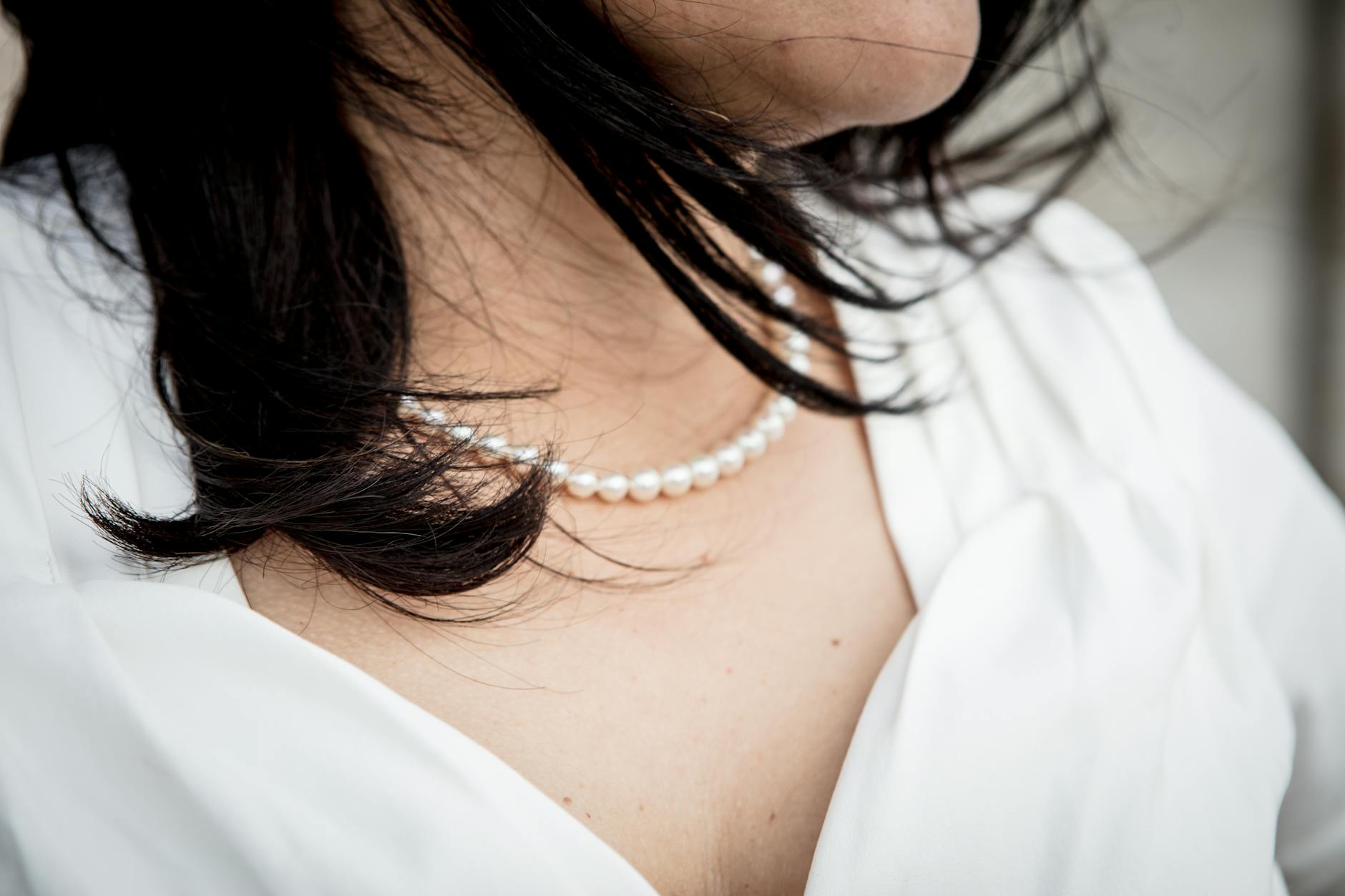
Pearls, often called the 'Queen of Gems,' have captivated humanity for centuries with their iridescent beauty and timeless elegance. Unlike other gemstones mined from the earth, pearls are organic, formed within the shells of certain mollusks. This unique origin imbues them with a natural luster and a connection to the ocean that few other jewels can rival. Understanding the different types of pearls is the first step in appreciating the vast world of pearl jewelry. Each type boasts distinct characteristics in terms of size, shape, color, and origin, directly influencing their value and aesthetic appeal.
The two primary classifications of pearls are natural and cultured. Natural pearls, formed without human intervention, are exceedingly rare and thus incredibly valuable. They occur when an irritant, such as a parasite, accidentally enters a mollusk, prompting it to secrete layers of nacre around the intruder as a defense mechanism. Cultured pearls, conversely, are the result of human intervention, where a small bead or tissue graft is surgically implanted into a mollusk. This process mimics nature, leading to the formation of a pearl, but on a much larger scale, making them more accessible and affordable. The vast majority of pearl jewelry available today features cultured pearls.
Within cultured pearls, four main types dominate the market, each with its own charm. Akoya pearls, primarily from Japan and China, are renowned for their perfectly round shape and brilliant, mirror-like luster, often exhibiting white or cream body colors with rose, silver, or cream overtones. They are typically smaller, ranging from 2mm to 10mm, and are the classic choice for elegant strands and stud earrings. Their consistent shape and high luster make them highly sought after for traditional pearl jewelry.
Explore classic pearl jewelry designs that often feature Akoya pearls.
Freshwater pearls, predominantly cultivated in lakes and rivers in China, are the most abundant and affordable type. While traditionally known for their irregular shapes and softer luster, advancements in culturing techniques have led to the production of high-quality, nearly round freshwater pearls that can rival Akoya in appearance. They come in a wide array of natural colors, including white, pink, peach, and lavender, offering diverse options for designers and consumers alike. Their versatility in size and color makes them popular for fashion-forward and everyday pearl jewelry. Freshwater pearls can range significantly in size, often from 3mm to 12mm, making them suitable for a variety of designs, from delicate necklaces to bold bracelets.
Tahitian pearls, originating from the black-lipped oyster found in the waters of French Polynesia, are famous for their unique dark colors. Often referred to as 'black pearls,' their hues actually range from dark green, blue, and purple to grey, silver, and true black, often with mesmerizing iridescent overtones. These pearls are naturally dark and possess a rich, exotic beauty. They are typically larger than Akoya pearls, ranging from 8mm to 16mm, and are valued for their striking appearance and rarity. Tahitian pearls are often incorporated into sophisticated and contemporary jewelry pieces, appealing to those seeking a distinctive and luxurious look. Their natural coloration makes them a unique choice for those looking to
add a touch of exotic elegance to their jewelry collection.
Finally, South Sea pearls, cultivated in the warm waters of Australia, Indonesia, and the Philippines, are the largest and among the most valuable pearls. Produced by the Pinctada maxima oyster, they are known for their impressive size, ranging from 9mm to 20mm or even larger, and their luxurious satin-like luster. South Sea pearls come in two main color families: white South Sea pearls, known for their bright white to silver hues, and golden South Sea pearls, which exhibit a magnificent range of gold tones, from light champagne to deep 24-karat gold. Their substantial size, exquisite luster, and natural colors make them a pinnacle of luxury in the world of pearl jewelry. Each type of pearl offers a unique story and aesthetic, inviting connoisseurs and casual wearers alike to discover their perfect match.
Crafting Elegance: Popular Settings and Styles in Pearl Jewelry
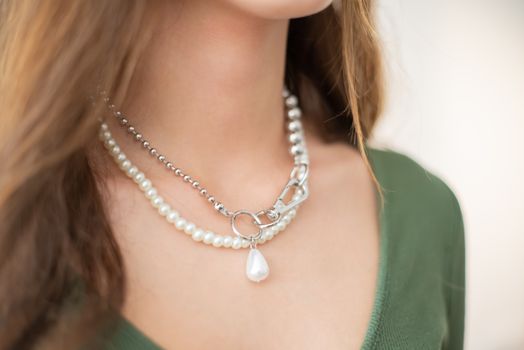 Photo: Kampus Production / Pexels
Once you understand the diverse world of pearls, the next step is to explore how these natural wonders are transformed into exquisite jewelry. The setting and style of a pearl piece play a crucial role in its overall aesthetic, influencing everything from its formality to its suitability for everyday wear. Jewelers employ a variety of techniques and designs to showcase pearls, each aiming to highlight the gem's unique beauty while ensuring its security and durability. From classic to contemporary, the options for pearl jewelry are as varied as the pearls themselves.
Necklaces are perhaps the most iconic form of pearl jewelry, and their styles are incredibly diverse. The classic pearl strand, a timeless symbol of sophistication, consists of pearls strung together, often with knots between each pearl to prevent loss and rubbing. Strands vary in length, each carrying its own traditional name and appeal. A 'Choker' (14-16 inches) sits high on the neck, perfect for formal wear. The 'Princess' length (17-19 inches) rests just below the collarbone, versatile for both casual and formal occasions. The 'Matinee' (20-24 inches) is a longer, elegant option, while the 'Opera' (28-36 inches) can be worn as a single strand or doubled for a layered look. The 'Rope' (over 36 inches) offers the most versatility, allowing multiple wraps or knots. Beyond strands, pearl pendants feature a single pearl, or sometimes a cluster, suspended from a chain, offering a more minimalist and modern approach. These can range from a simple pearl drop to elaborate designs incorporating diamonds or other gemstones, making them perfect for personalized gifts or statement pieces.
Earrings are another fundamental category of pearl jewelry, offering versatility for every occasion. Pearl stud earrings are a quintessential choice, known for their understated elegance. A single pearl, typically round, is securely mounted on a post, sitting directly on the earlobe. They are ideal for daily wear, professional settings, and complement virtually any outfit. For those desiring more movement and sparkle, pearl dangle earrings feature pearls suspended below the earlobe, often with chains, wires, or other decorative elements. These can range from delicate drops to elaborate chandelier styles, frequently incorporating other gems or metals. Hoop earrings can also be adorned with pearls, either as a single charm or multiple pearls encircling the hoop, offering a contemporary twist on a classic design. These variations allow individuals to express their style, from subtle sophistication to bold glamour.
Bracelets and rings further expand the possibilities of pearl adornment. Pearl bracelets can mirror necklace styles, featuring single or multiple strands of pearls, often secured with decorative clasps. Bangle bracelets may incorporate pearls as focal points or accents, blending modern design with classic pearl beauty. For rings, a single pearl set as a solitaire is a popular choice, often flanked by diamonds or other precious stones to enhance its brilliance. More intricate designs might feature pearls nestled within elaborate metalwork or surrounded by smaller pearls, creating a unique and eye-catching piece. Cocktail rings with large, prominent pearls are also a favored option for those looking to make a statement. The choice of metal—be it yellow gold, white gold, rose gold, or sterling silver—also profoundly impacts the overall look, complementing the pearl's color and luster and dictating the jewelry's character. For instance, white gold or platinum often enhances the cool tones of Akoya or white South Sea pearls, while yellow gold beautifully complements the warmth of golden South Sea pearls or creates a striking contrast with Tahitian pearls. The careful selection of setting and style ensures that each piece of pearl jewelry is not just an accessory but a work of art, reflecting both the natural beauty of the pearl and the craftsmanship of the jeweler.
Beyond these traditional categories, pearls are also incorporated into brooches, hair accessories, and even cufflinks, demonstrating their incredible versatility. Brooches can feature elaborate arrangements of pearls, often combined with other gemstones, to create wearable art that adds a touch of vintage charm or modern flair to any garment. Hairpins and combs adorned with pearls are popular choices for brides and formal events, adding a delicate sparkle to updos. For men, pearl cufflinks offer a sophisticated touch, elevating formal attire with their subtle luster. The sheer variety of settings and styles means that there is a pearl jewelry piece suitable for every taste, occasion, and budget, making pearls a truly universal gemstone.
Choosing Your Perfect Pearl: Factors Influencing Value and Aesthetic
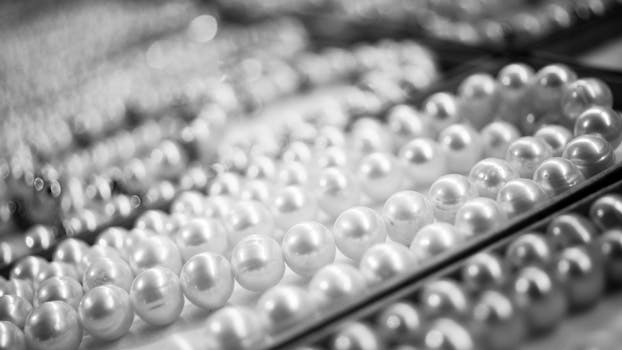 Photo: Khairul Onggon / Pexels
Selecting the perfect pearl jewelry is an art that combines personal preference with an understanding of quality factors. Beyond just knowing the types of pearls, evaluating their individual characteristics is crucial to making an informed decision and ensuring you invest in a piece that truly resonates with you. The value and aesthetic appeal of a pearl are determined by a universal set of criteria, often referred to as the '7 Value Factors': Size, Shape, Color, Luster, Surface Quality, Nacre Thickness, and Matching. Each factor contributes significantly to a pearl's overall beauty and desirability.
Size is often the most noticeable characteristic. Generally, larger pearls are rarer and more valuable, assuming all other quality factors are equal. Pearl sizes are measured in millimeters, and while Akoya pearls typically range from 2mm to 10mm, Freshwater pearls from 3mm to 12mm, Tahitian pearls from 8mm to 16mm, and South Sea pearls from 9mm to 20mm or more, even a millimeter difference can significantly impact price. Your choice of size will depend on your personal style and the statement you wish to make; larger pearls create a bolder look, while smaller ones offer delicate elegance.
Shape is another critical factor. While perfectly round pearls are the rarest and most highly prized, especially in Akoya and South Sea varieties, pearls come in a fascinating array of shapes. These include near-round, oval, button (flattened sphere), drop (teardrop), baroque (irregular and unique), and circule (rings or grooves around the pearl). Baroque pearls, once considered less desirable, have gained immense popularity for their organic beauty and individuality, offering a distinct, artistic aesthetic at a more accessible price point. Choosing a shape often comes down to personal taste and the desired design of the jewelry.
Color refers to the pearl's bodycolor, overtone, and orient. Bodycolor is the dominant hue, while overtone is the translucent color that appears on the surface, often pink (rosé), green, or blue. Orient is the iridescent shimmer of colors seen just below the surface, particularly noticeable in high-quality pearls. Pearls exhibit a vast spectrum of natural colors, from classic white and cream to exotic black, gold, and various pastel shades. The most desirable colors are often those that complement the wearer's skin tone or align with current fashion trends. For instance, white pearls with a rosé overtone are highly sought after for their flattering warmth.
Discover how different pearl colors can enhance your look.
Luster is arguably the most important factor, as it dictates the pearl's brilliance and ability to reflect light. A high-luster pearl will have a sharp, mirror-like reflection on its surface, indicating thick nacre layers. Low luster pearls appear dull or chalky. The intensity and sharpness of luster vary significantly between pearl types, with Akoya pearls known for their sharp, brilliant luster, and South Sea pearls for their soft, satiny glow. When evaluating luster, look for clear, distinct reflections on the pearl's surface.
Surface quality refers to the presence or absence of blemishes on the pearl's surface. Pearls are natural creations, so flawless surfaces are rare. Minor imperfections like spots, bumps, or pits are common. However, the fewer and less noticeable the blemishes, the more valuable the pearl. A pearl with a clean surface allows its luster to shine unimpeded. Nacre thickness, though not always visibly apparent, is crucial for a pearl's durability and luster. A thick nacre layer ensures the pearl's beauty lasts for generations and contributes to its deep luster. Thin nacre can result in a dull appearance and a pearl that wears down quickly. Reputable jewelers can provide information on nacre thickness.
Finally, matching is vital for multi-pearl jewelry pieces like strands, earrings, and bracelets. For these items, pearls should be carefully matched for size, shape, color, luster, and surface quality to create a harmonious and aesthetically pleasing piece. The consistency of matching directly impacts the perceived quality and value of the finished jewelry. Understanding these factors empowers you to make an informed choice, ensuring that the pearl jewelry you select is not only beautiful but also a valuable and lasting investment.
Care and Styling: Maximizing the Life and Look of Your Pearl Jewelry
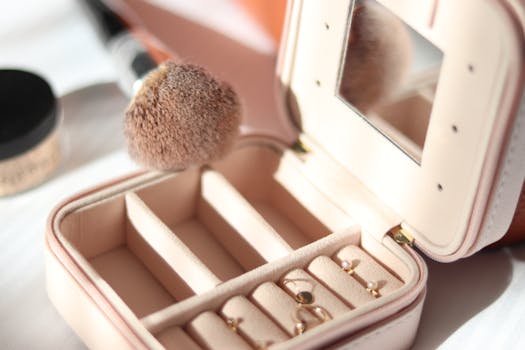 Photo: Pink Press / Pexels
Owning pearl jewelry is a delight, but understanding how to care for and style these delicate gems is essential to ensure their lasting beauty and brilliance. Pearls, being organic, require specific attention to maintain their luster and integrity. Proper care can extend the life of your cherished pieces for generations, while thoughtful styling can elevate any outfit.
When it comes to care, remember the 'last on, first off' rule. Pearls should be the last item you put on when getting dressed and the first you take off. This prevents them from coming into contact with cosmetics, perfumes, hairspray, and lotions, all of which contain chemicals that can dull their luster or even damage their nacre. After wearing, gently wipe your pearls with a soft, damp cloth to remove any oils or residues. Never use harsh chemicals, abrasive cleaners, or ultrasonic cleaners, as these can strip the nacre or damage the stringing material. Store pearls separately from other jewelry to prevent scratching their delicate surfaces. A soft pouch or a fabric-lined box is ideal. For pearl strands, it's advisable to have them restrung every few years, especially if worn frequently, as the silk thread can weaken and break over time. This also provides an opportunity to clean the pearls thoroughly and ensure the knots are secure.
Styling pearl jewelry offers endless possibilities, ranging from classic elegance to modern chic. For a timeless look, a single strand of Akoya pearls or delicate pearl stud earrings are perfect for business attire, formal events, or even adding a touch of sophistication to everyday wear. The classic white pearl necklace is a versatile piece that complements virtually any color palette and outfit style. Consider pairing a princess-length pearl necklace with a tailored blazer for a professional look, or with a little black dress for evening glamour.
For a more contemporary approach, experiment with different pearl types and settings. Tahitian pearls, with their dark, exotic hues, make a bold statement. A single Tahitian pearl pendant or a pair of dangle earrings can add an intriguing focal point to a minimalist outfit. Golden South Sea pearls exude luxury and warmth; they pair beautifully with earthy tones, rich fabrics, and gold accents. Freshwater pearls, with their wide range of natural colors and shapes, are perfect for creating unique, fashion-forward looks. Layer multiple strands of varying lengths and colors, or mix pearl jewelry with other metals and gemstones for a personalized, eclectic style. Baroque pearls, with their irregular shapes, lend themselves perfectly to artisanal and bohemian aesthetics, offering a distinctive, artistic touch.
Don't be afraid to mix and match. A delicate pearl bracelet can be stacked with other fine bracelets for a trendy layered look. A pearl ring, whether a classic solitaire or a modern design, can be worn alone as a statement piece or alongside other rings. For special occasions, consider integrating pearls into your hair accessories, such as pearl-adorned pins or combs, to add a touch of bridal elegance or celebratory sparkle. The key to styling pearl jewelry is to let their natural beauty shine while complementing your personal aesthetic. With proper care and creative styling, your pearl jewelry will remain a cherished and stunning part of your collection for years to come.