What is Rhodium Plating on Jewelry? The Ultimate Guide
what is rhodium plating on jewelry

What is Rhodium Plating on Jewelry? The Ultimate Guide

Unlock the secrets of rhodium plating: the key to dazzling, durable, and hypoallergenic jewelry.

Explore Rhodium Benefits

Key Takeaways

  • ✓ Rhodium is a rare, precious, silver-white metal, part of the platinum group.
  • ✓ Rhodium plating provides a brilliant, reflective white finish, often used on white gold and sterling silver.
  • ✓ It significantly enhances durability, scratch resistance, and tarnish resistance of jewelry.
  • ✓ The plating is hypoallergenic, making jewelry safer for sensitive skin.

How It Works

1
Preparation & Cleaning

The jewelry piece is meticulously cleaned to remove all dirt, oils, and residues. This ensures optimal adhesion of the rhodium layer to the base metal.

2
Electroplating Process

The clean piece is submerged into an electroplating solution containing rhodium salts. An electric current is passed through the solution, causing rhodium ions to deposit onto the jewelry's surface.

3
Layer Formation

The rhodium forms a thin, uniform layer, typically 0.1 to 2.5 microns thick, depending on the desired durability and finish. This layer chemically bonds to the base metal.

4
Rinsing & Finishing

After plating, the jewelry is thoroughly rinsed to remove any residual chemicals and then carefully dried. The result is a stunning, lustrous, and protected finish.

Understanding Rhodium: The Metal Behind the Brilliance

To truly grasp what is rhodium plating on jewelry, we must first understand rhodium itself. Rhodium (Rh) is an incredibly rare, lustrous, silver-white metallic element belonging to the platinum group metals (PGMs). Discovered in 1803 by William Hyde Wollaston, it's one of the most expensive precious metals in the world, often surpassing gold and even platinum in value. Its scarcity contributes significantly to its high price; rhodium is found in very small quantities alongside other platinum metals in certain nickel and copper ores, primarily in South Africa, Russia, and Canada. Unlike gold, which is relatively abundant, rhodium's limited supply makes it a highly coveted material. Its unique properties are what make it so valuable for jewelry. It boasts an exceptional hardness, making it highly resistant to scratches and abrasions. More importantly, rhodium is remarkably reflective, offering a brilliant, mirror-like finish that is unmatched by other metals. It also exhibits extraordinary corrosion resistance, meaning it won't tarnish or oxidize like silver or even some gold alloys. This combination of rarity, hardness, reflectivity, and corrosion resistance makes rhodium an ideal choice for a protective and beautifying layer on jewelry. While pure rhodium jewelry is practically non-existent due to its brittleness and extreme cost, its application as a thin plating dramatically transforms the aesthetics and longevity of other, more malleable metals. This process elevates the perceived value and durability of pieces that might otherwise dull or scratch over time. Understanding these intrinsic qualities of rhodium is fundamental to appreciating the profound impact rhodium plating has on the jewelry industry and on your cherished pieces. Without this precious metal, many of our favorite white-colored jewelry items would look entirely different and require far more maintenance. The engineering marvel of applying such a thin, yet powerful, layer of rhodium is a testament to its unique chemical and physical properties. It’s not just about making a piece look good; it’s about imparting a level of protection and longevity that few other materials can provide. This foundational knowledge sets the stage for exploring the practical applications and benefits of rhodium plating in detail. To learn more about different types of precious metals, you can explore resources on precious metals in jewelry.

The Electroplating Process: How Rhodium Transforms Jewelry

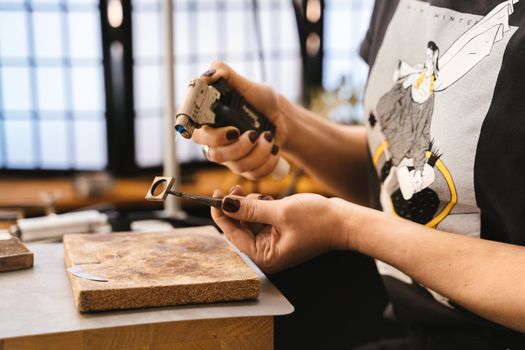
The magic behind what is rhodium plating on jewelry lies in a sophisticated process called electroplating. This technique involves using an electric current to reduce dissolved metal cations so that they form a coherent metal coating on an electrode. In simpler terms, it's how a super-thin layer of rhodium is bonded to the surface of a base metal, typically white gold, sterling silver, or sometimes even platinum. The process begins with meticulous preparation. The piece of jewelry must be immaculately clean, free from any dirt, oils, or polishing compounds. Jewelers typically use ultrasonic cleaners and steam cleaners, followed by a final rinse in distilled water. This crucial step ensures proper adhesion of the rhodium layer; any contaminants will prevent the rhodium from bonding evenly and durably. Once clean, the jewelry is immersed in an electroplating solution, which contains rhodium sulfate or phosphate salts, along with other additives that help control the plating process. The jewelry acts as the cathode (negative electrode), while an insoluble anode (positive electrode), often made of platinum or titanium, is also placed in the solution. When an electric current is passed through the system, the rhodium ions in the solution are attracted to the negatively charged jewelry surface. They gain electrons and deposit themselves as a thin, solid metallic layer. The thickness of this rhodium layer is meticulously controlled by factors such as the concentration of rhodium in the solution, the temperature, the voltage, and the duration of the plating. For most jewelry applications, the rhodium layer is incredibly thin, typically ranging from 0.1 to 2.5 microns (a micron is one-thousandth of a millimeter). This seemingly microscopic layer is sufficient to provide the desired benefits of enhanced brilliance, durability, and a bright white finish. After the plating is complete, the jewelry is thoroughly rinsed again to remove any lingering chemicals and then dried. The result is a stunning, highly reflective, and protected piece of jewelry that showcases the best qualities of both the base metal and the rhodium coating. This intricate process requires skilled jewelers and specialized equipment to achieve a flawless and long-lasting finish, making it a professional service rather than a DIY task. The precision involved ensures that the rhodium layer adheres perfectly, creating a seamless and beautiful transformation.

Key Benefits and Considerations of Rhodium Plating

Understanding what is rhodium plating on jewelry also means understanding its myriad benefits and some important considerations. The primary benefit, and perhaps the most visually striking, is the unparalleled brilliance and mirror-like finish rhodium imparts. It gives white gold and sterling silver a brighter, whiter, and more reflective appearance than they naturally possess. White gold, for instance, is actually a pale yellow alloy (gold mixed with white metals like palladium or nickel) and benefits immensely from rhodium's pure white sheen. This makes diamonds and other gemstones sparkle more intensely against the clean, bright backdrop. Beyond aesthetics, rhodium plating significantly enhances the durability of jewelry. Rhodium is a very hard metal, much harder than gold or silver. This thin layer acts as a protective shield, making the jewelry more resistant to scratches, scuffs, and minor abrasions from daily wear. This is particularly beneficial for rings and bracelets, which are more prone to impact. Another crucial advantage is tarnish resistance. Sterling silver, in particular, is notorious for tarnishing due to oxidation and reaction with sulfur compounds in the air. Rhodium plating creates a barrier that prevents these reactions, keeping silver jewelry looking pristine for much longer. While white gold doesn't tarnish in the same way, the rhodium layer still offers an extra layer of protection against environmental dulling. For individuals with sensitive skin, rhodium plating offers a hypoallergenic solution. Many people are allergic to nickel, which is sometimes used in white gold alloys. The rhodium layer acts as a barrier, preventing direct contact between the skin and the underlying nickel-containing alloy, thus reducing the risk of allergic reactions. This makes rhodium-plated jewelry a safer and more comfortable option for many. However, it's important to remember that rhodium plating is not permanent. Because it's a very thin layer, it will eventually wear off, especially on high-contact areas like the underside of rings or bracelet clasps. The lifespan of rhodium plating varies widely depending on wear frequency, lifestyle, and the original thickness of the plating, typically lasting from 6 months to 2 years before re-plating is recommended. Re-plating is a routine maintenance procedure performed by jewelers to restore the jewelry's original luster and protection. The cost of re-plating is generally affordable and extends the life and beauty of your pieces. Understanding this ongoing maintenance is key to enjoying rhodium-plated jewelry for years to come. For more insights into jewelry maintenance, consider exploring articles on caring for your precious jewelry.

Maintaining Rhodium-Plated Jewelry and What to Avoid

Proper care and maintenance are paramount to extending the life and brilliance of your rhodium-plated jewelry. While rhodium provides a protective layer, it's not invincible, and certain practices can accelerate its wear. Firstly, regular, gentle cleaning is essential. Use a soft, lint-free cloth to wipe down your jewelry after each wear to remove skin oils, lotions, and environmental residues. For a deeper clean, soak your rhodium-plated pieces in a solution of warm water and a mild, non-abrasive soap (like dish soap) for a few minutes. Then, gently brush with a very soft toothbrush, rinse thoroughly with clean water, and pat dry immediately with a soft cloth. Avoid using harsh chemical cleaners, abrasive cloths, or ultrasonic cleaners designed for unplated metals, as these can strip away the rhodium layer prematurely. When it comes to daily wear, be mindful of activities that can cause excessive friction or impact. Remove your rhodium-plated rings and bracelets before engaging in strenuous activities like housework, gardening, swimming, or exercising. Chlorine in swimming pools and hot tubs, as well as harsh cleaning chemicals, can be particularly damaging to rhodium plating, causing it to dull or wear off faster. Similarly, avoid direct contact with perfumes, hairsprays, lotions, and other cosmetics. Apply these products first, allow them to dry, and then put on your jewelry. Store your rhodium-plated items separately from other jewelry to prevent scratching. A soft pouch or a jewelry box with individual compartments is ideal. This minimizes friction between pieces, which can abrade the rhodium surface. Over time, regardless of how well you care for it, the rhodium plating will naturally begin to wear off. You'll notice a slight yellowing on white gold or a duller appearance on sterling silver as the base metal starts to show through. This is a normal part of owning rhodium-plated jewelry and is not a defect. When this happens, it's time for re-plating. A professional jeweler can reapply a fresh layer of rhodium, restoring your piece to its original dazzling condition. The frequency of re-plating depends on how often you wear the piece and how well you care for it, typically ranging from every 6 months to 2 years for frequently worn items. Investing in professional re-plating ensures your jewelry maintains its beauty and protective qualities for years to come.

Comparison

FeatureRhodium Plated White GoldUnplated White GoldSterling Silver
ColorBright, pure whiteSlightly yellowish-whiteBright silver (tarnishes)
Luster/ReflectivityHigh, mirror-likeModerateHigh (when clean)
Durability/HardnessHigh (due to rhodium)ModerateModerate
Tarnish ResistanceExcellentGoodPoor (tarnishes easily)
Hypoallergenic✓ (barrier to nickel)✗ (may contain nickel)
MaintenanceRe-plating every 6-24 monthsLow (polishing)High (frequent cleaning/polishing)
CostHigher initial, re-plating costModerateLower

What Readers Say

"My white gold engagement ring was looking a bit dull after a few years. Learning what is rhodium plating on jewelry and getting it re-plated transformed it! It looks brand new, incredibly brilliant, and I love that it’s now more resistant to scratches. Highly recommend this service for white gold."

Sarah J. · Austin, TX

"I have sensitive skin and always struggled with certain jewelry. When I found out my white gold chain was rhodium plated, it made so much sense why I never reacted to it. It’s comforting to know the plating acts as a barrier, making my favorite pieces wearable without irritation."

David M. · Miami, FL

"After my silver necklace kept tarnishing, my jeweler suggested rhodium plating. It was a game-changer! It's been months, and it still looks as shiny as the day I bought it. No more constant polishing, which saves me a lot of time and effort."

Jessica L. · Seattle, WA

"The rhodium plating on my watch bezel wore off a bit quicker than I expected, likely due to my active lifestyle. However, when it's freshly plated, the finish is absolutely stunning and provides great scratch resistance. It's an investment in maintenance, but worth it for the look."

Mark T. · Denver, CO

"I inherited a beautiful antique silver locket that was very tarnished. After a professional cleaning and rhodium plating, it's completely restored to its original glory. The plating brought out intricate details I hadn't even noticed before, making it a true family heirloom once again."

Emily R. · Chicago, IL

Frequently Asked Questions

What is rhodium plating on jewelry and why is it used?

Rhodium plating is a process where a thin layer of rhodium, a rare and precious platinum-group metal, is electroplated onto jewelry. It's primarily used to give white gold, sterling silver, and sometimes platinum a brighter, whiter, and more reflective finish, while also enhancing durability, scratch resistance, and tarnish resistance. It also makes jewelry hypoallergenic by creating a barrier to base metals.

Is rhodium plating safe for sensitive skin?

Yes, rhodium plating is generally considered hypoallergenic. Many people are allergic to nickel, which is often an alloy in white gold. The rhodium layer creates a barrier between the skin and the underlying metals, significantly reducing the risk of allergic reactions like skin irritation or discoloration.

How often does rhodium plating need to be redone?

The frequency of re-plating depends on several factors, including how often the jewelry is worn, the thickness of the original plating, and the wearer's lifestyle. For frequently worn items like engagement rings, re-plating might be needed every 6 to 12 months. For occasional pieces, it could last 2 to 5 years. You'll notice a yellowing or dullness as it wears off.

How much does it cost to get jewelry rhodium plated?

The cost of rhodium plating varies based on the size and complexity of the jewelry piece, as well as the jeweler. Generally, you can expect to pay anywhere from $40 to $150 for a standard ring or small item. It's a relatively affordable way to restore the luster and protective qualities of your valuable pieces.

How does rhodium plating compare to platinum or sterling silver for color and durability?

Rhodium plating provides a brilliant, pure white finish that is often whiter and more reflective than natural platinum or sterling silver. While platinum is very durable and naturally white (though slightly grayer than rhodium), rhodium plating adds an extra layer of scratch and tarnish resistance to other metals. Sterling silver, while also bright, is prone to tarnishing and is softer than rhodium-plated items.

Who should consider getting their jewelry rhodium plated?

Anyone with white gold jewelry looking to restore its original bright white luster, individuals with sterling silver jewelry seeking enhanced tarnish resistance and durability, and those with metal sensitivities who want to wear nickel-containing alloys more comfortably, should consider rhodium plating. It's an excellent way to refresh and protect cherished pieces.

Can rhodium plating be removed or damaged by cleaning products?

Yes, harsh chemicals, abrasive cleaners, and even some ultrasonic cleaners can potentially damage or prematurely wear off rhodium plating. It's best to use mild soap and warm water with a soft cloth for cleaning. Avoid exposing rhodium-plated jewelry to chlorine, bleach, or other strong chemicals found in household cleaning products.

Are there any environmental concerns with rhodium plating?

While rhodium itself is a naturally occurring element, the mining and refining processes for all precious metals, including rhodium, can have environmental impacts. However, the amount of rhodium used in plating is minuscule. Reputable jewelers and plating facilities adhere to environmental regulations for waste disposal and chemical management, minimizing the overall ecological footprint of the plating process.

Now that you understand what is rhodium plating on jewelry and its incredible benefits, you can make informed decisions about your precious pieces. Whether you're looking to restore brilliance, enhance durability, or protect sensitive skin, rhodium plating offers a premium solution. Consult your local jeweler to discover how this remarkable process can revitalize your cherished jewelry.

Topics: what is rhodium plating on jewelryrhodium jewelry benefitsrhodium plating costjewelry platingwhite gold rhodium
Leo List
Brampton weed
Adultwork EstrelaBet Vai de Bet R7 Bet Betão Galera Bet Rainbet Bet9ja Shop SportyBet BetKing Sisal Loto Foot Hollywoodbets YesPlay Odibets RushBet Jugabet BetWarrior BetCity MSport betPawa Fortebet