✓ Lab grown diamonds are chemically, physically, and optically identical to mined diamonds.
✓ They offer significant cost savings, often 20-40% less than natural diamonds of comparable quality.
✓ Online retailers typically offer the widest selection and most competitive pricing.
✓ Certification from reputable labs like IGI or GIA is crucial for verifying quality.
How It Works
1
Research & Education
Begin by understanding the 4 Cs (Cut, Color, Clarity, Carat) specific to lab grown diamonds. Learn about different growth methods like HPHT and CVD, and their implications.
2
Choose Your Retailer Type
Decide between online specialists for selection and value, or brick-and-mortar stores for a hands-on experience. Each offers distinct advantages based on your preferences.
3
Select Your Diamond
Utilize advanced search filters on retailer websites to narrow down options by shape, 4 Cs, and price. Always prioritize certified stones from reputable gemological labs.
4
Verify & Purchase
Review the diamond's certification report thoroughly, check the retailer's return policy and warranty. Complete your purchase, ensuring secure payment and shipping.
Understanding Lab Grown Diamonds: What They Are and Why They're Popular
Photo: Kenneth Surillo / Pexels
Before diving into where to buy lab grown diamonds, it's essential to grasp what these magnificent gems truly are. Lab grown diamonds, also known as lab created, cultured, or engineered diamonds, are genuine diamonds produced in a controlled laboratory environment. They possess the exact same chemical composition, crystal structure, optical properties, and physical characteristics as natural diamonds formed deep within the Earth. The only difference lies in their origin: one is grown in a lab, the other is mined from the earth. This distinction is crucial because it means that a lab grown diamond is not a simulant, like cubic zirconia or moissanite; it is 100% a diamond.
The popularity of lab grown diamonds has surged dramatically in recent years, driven by several compelling factors. Firstly, they offer a more ethical and sustainable alternative to mined diamonds. Concerns about environmental impact, labor practices, and conflict diamonds associated with traditional diamond mining are largely mitigated with lab grown options. Consumers are increasingly seeking products that align with their values, and lab grown diamonds fit this demand perfectly. Secondly, the price point is a major draw. Lab grown diamonds typically cost 20-40% less than natural diamonds of comparable size and quality. This significant saving allows buyers to acquire a larger, higher-quality stone within their budget, making luxury more accessible. For instance, a buyer might be able to afford a 2-carat lab grown diamond for the price of a 1-carat mined diamond, all while maintaining the same dazzling brilliance and fire.
Furthermore, technological advancements have made the quality of lab grown diamonds virtually indistinguishable from their natural counterparts, even to the trained eye without specialized equipment. They are graded using the same 4 Cs (Cut, Color, Clarity, Carat) by independent gemological laboratories such as the International Gemological Institute (IGI) and the Gemological Institute of America (GIA). This rigorous certification process ensures transparency and builds consumer confidence, allowing buyers to make informed decisions about their purchases. The ability to control the growth process also means that producers can consistently create high-quality diamonds with fewer inclusions and better color, offering a wider selection of premium stones. The rise of lab grown diamonds represents a significant shift in the jewelry industry, democratizing access to stunning, high-quality diamonds for a new generation of consumers who value both beauty and responsible sourcing.
Top Online Retailers: The Best Places to Buy Lab Grown Diamonds
Photo: Meruyert Gonullu / Pexels
When considering where to buy lab grown diamonds, online retailers often emerge as the preferred choice for many consumers due to their unparalleled selection, competitive pricing, and convenience. The digital marketplace has revolutionized how we shop for diamonds, offering extensive inventories that brick-and-mortar stores simply cannot match. Here are some of the top online retailers leading the charge in the lab grown diamond market:
**James Allen:** Renowned for its cutting-edge 360-degree HD video technology, James Allen allows customers to examine every facet of a diamond from all angles, providing an almost in-person viewing experience. They boast a vast selection of loose lab grown diamonds and offer an extensive range of settings. Their commitment to customer service, transparent pricing, and detailed diamond information makes them a top contender.
**Blue Nile:** As one of the pioneers in online diamond retail, Blue Nile has expanded its offerings to include a robust selection of lab grown diamonds. They provide comprehensive educational resources, competitive pricing, and a user-friendly interface. While perhaps not as focused on lab grown as some newer players, their reputation and reliability are significant assets.
**Brilliant Earth:** A strong advocate for ethical sourcing, Brilliant Earth has built its brand around transparency and sustainability. They offer a beautiful collection of lab grown diamonds alongside their natural diamond selection, with a focus on unique designs and responsible origins. Their website is intuitive, and they offer virtual appointments for personalized assistance.
**Clean Origin:** As a retailer exclusively dedicated to lab grown diamonds, Clean Origin offers a highly curated selection with a strong emphasis on quality and ethical practices. Their focus allows them to provide specialized expertise and a streamlined shopping experience for those specifically seeking lab grown options. They often have attractive promotions and a straightforward return policy.
**Lightbox Jewelry (by De Beers):** While perhaps not a traditional engagement ring retailer, Lightbox offers high-quality, fashion-forward lab grown diamond jewelry at a simplified price point ($800 per carat). This makes it an excellent option for everyday wear, gifts, or experimenting with larger carat sizes without the premium price tag. Their pricing model is unique and transparent, focusing on accessibility.
When shopping online, always prioritize retailers that provide detailed certifications from independent labs (like IGI or GIA), clear imaging, transparent pricing, and a solid return policy. The ability to compare numerous stones side-by-side, often with advanced filtering options, empowers buyers to find the perfect lab grown diamond that meets their exact specifications and budget.
Brick-and-Mortar Stores and Local Jewelers for a Personal Touch
Photo: Gustavo Fring / Pexels
While online retailers offer unparalleled convenience and selection, many consumers still prefer the tangible experience of shopping for diamonds in a brick-and-mortar store. For those wondering where to buy lab grown diamonds with a personal touch, local jewelers and national chains provide unique advantages, including the ability to see and touch the diamonds, receive personalized advice, and build a relationship with a trusted professional. This hands-on approach can be invaluable, especially for such a significant purchase.
**National Jewelry Chains:** Many well-known jewelry chains across the US have embraced lab grown diamonds and now offer them alongside their natural diamond collections. Retailers like **Kay Jewelers**, **Zales**, and **Jared The Galleria of Jewelry** typically have a selection of lab grown diamond engagement rings, wedding bands, and fashion jewelry. The benefit of these chains is their widespread presence, making it easy to find a location near you. They often have financing options, repair services, and established warranties. However, their selection of loose lab grown diamonds might be more limited compared to online specialists, and their pricing might be slightly higher due to overhead costs.
**Independent Local Jewelers:** Your local independent jeweler can be an excellent resource for lab grown diamonds. Many smaller, family-owned stores are increasingly stocking lab grown options or can specifically source them for you. The advantages here include highly personalized service, the opportunity to work directly with a knowledgeable jeweler who can guide you through the selection process, and the ability to support a local business. Independent jewelers often have unique designs and can offer custom ring creation services, allowing you to design a truly one-of-a-kind piece with your chosen lab grown diamond. Building a relationship with a local jeweler can also be beneficial for future cleanings, repairs, and appraisals of your jewelry.
**Specialized Lab Grown Diamond Boutiques:** As the market for lab grown diamonds grows, so too do specialized boutiques dedicated solely to these gems. While less common than general jewelry stores, these establishments offer expert knowledge and a curated selection of lab grown diamonds and settings. They can provide in-depth information about the growth processes (HPHT vs. CVD), specific certifications, and the unique characteristics of different stones. If you have one in your area, it's definitely worth a visit for a highly focused and educational shopping experience.
When visiting brick-and-mortar stores, always ask to see the diamond's certification, inquire about their return and upgrade policies, and don't hesitate to compare prices with online options. The tactile experience and expert guidance can make your purchasing journey more confident and enjoyable.
Key Considerations and Mistakes to Avoid When Buying Lab Grown Diamonds
Photo: Alex Kad / Pexels
Purchasing a lab grown diamond is an exciting endeavor, but it requires careful consideration to ensure you make the best choice. Knowing where to buy lab grown diamonds is just the first step; understanding what to look for and what pitfalls to avoid is equally important. Here are key considerations and common mistakes to sidestep:
**1. Prioritize Certification:** Always, always insist on a diamond certified by a reputable independent gemological laboratory. The most trusted names are IGI (International Gemological Institute) and GIA (Gemological Institute of America). A certificate provides an unbiased assessment of the 4 Cs (Cut, Color, Clarity, Carat) and verifies the diamond's authenticity as lab grown. Without a certificate, you're buying blind.
**2. Understand the 4 Cs for Lab Grown:** While the grading criteria are the same as natural diamonds, the prevalence of higher quality lab grown diamonds means you can often get a better grade for your budget. Don't overpay for clarity or color grades that are imperceptible to the naked eye. For instance, an SI1 clarity and G-H color can look flawless and colorless, respectively, especially in an engagement ring setting.
**3. Cut is King:** The cut quality dramatically impacts a diamond's brilliance and sparkle. Even with excellent color and clarity, a poorly cut diamond will appear dull. Prioritize an 'Excellent' or 'Ideal' cut grade. Many online retailers provide detailed cut analytics, often including light performance reports.
**4. Compare Prices and Value:** Lab grown diamonds are inherently more affordable than natural ones. Take advantage of this. Compare prices across multiple reputable retailers for stones with similar 4 Cs. Be wary of deals that seem too good to be true, as they often are.
**5. Check Return Policies and Warranties:** A robust return policy (at least 30 days) is crucial, especially for online purchases. Also, inquire about warranties for manufacturing defects or stone loss. This provides peace of mind for your investment.
**6. Don't Confuse Lab Grown with Simulants:** A common mistake is thinking lab grown diamonds are the same as cubic zirconia or moissanite. They are not. Lab grown diamonds are real diamonds, whereas simulants are entirely different materials that merely resemble diamonds. Ensure the retailer explicitly states 'lab grown diamond' and provides appropriate certification.
**7. Consider the Setting:** While the diamond is the star, the setting is its stage. Choose a setting that complements the diamond's shape and your personal style. Ensure the retailer offers quality craftsmanship for the setting, as a beautiful diamond deserves a well-made home.
**8. Read Reviews and Seek Recommendations:** Before committing to a retailer, read customer reviews and seek recommendations. Positive feedback regarding product quality, customer service, and after-sales support is a strong indicator of a trustworthy vendor.
By keeping these points in mind, you can navigate the market for lab grown diamonds with confidence and make a purchase you'll cherish for years to come.
* **Prioritize IGI/GIA Certification:** Essential for verifying quality and authenticity.
* **Focus on Cut Quality:** The most important of the 4 Cs for sparkle.
* **Compare Retailers:** Look for the best value and selection.
* **Understand Return Policies:** Ensures peace of mind for your purchase.
* **Avoid Simulant Confusion:** Lab grown diamonds are real diamonds, not imitations.
Comparison
Feature
Online Specialists (e.g., James Allen)
National Chains (e.g., Kay Jewelers)
Independent Local Jewelers
Selection
Vast (thousands of loose stones)
Moderate (mostly set jewelry)
Limited (can source on request)
Pricing
Highly Competitive
Moderate to High
Variable (often competitive for custom)
Transparency
High (360-degree views, detailed reports)
Moderate (less detail online)
High (direct interaction)
Convenience
High (shop from home)
Moderate (visit store, limited hours)
Low (requires in-person visits)
Personalization
Moderate (build-your-own ring)
Low (standard designs)
High (custom designs, personal service)
Certification
✓ (IGI/GIA standard)
✓ (often third-party or in-house)
✓ (can provide IGI/GIA)
Return Policy
Excellent (30-60 days typical)
Good (30 days typical)
Variable (check store policy)
What Readers Say
★★★★★
"I was overwhelmed figuring out where to buy lab grown diamonds, but James Allen's 360-degree videos made it so easy. I found a stunning 2-carat diamond that looks incredible, and the price was fantastic compared to natural diamonds."
Sarah J. · Austin, TX
★★★★★
"Clean Origin was fantastic. Their focus on only lab grown diamonds gave me confidence, and their customer service helped me pick the perfect engagement ring. Highly recommend for anyone specifically looking for lab created."
Mark T. · Seattle, WA
★★★★★
"My local jeweler helped me design a custom ring with a beautiful lab grown diamond. The personal touch made all the difference, and I ended up with a unique piece that exceeded my expectations, saving about 30%."
Emily R. · Boston, MA
★★★★★
"Brilliant Earth had a great selection of ethically sourced lab grown options. While their prices were a bit higher than some online-only stores, their commitment to sustainability and beautiful designs was worth it for me."
David L. · Denver, CO
★★★★★
"I bought a pair of lab grown diamond earrings from Lightbox for everyday wear. The quality for the price is unbeatable, and I love having real diamonds without the guilt or the huge expense."
Jessica M. · Miami, FL
Frequently Asked Questions
Is a lab grown diamond a real diamond?
Yes, a lab grown diamond is a real diamond. It possesses the identical chemical, physical, and optical properties as a mined diamond, meaning it is carbon in a cubic crystal structure. The only difference is its origin: one is grown in a controlled lab, the other is formed in the earth.
Are lab grown diamonds less durable than natural diamonds?
No, lab grown diamonds are not less durable. Because they are structurally identical to natural diamonds, they share the same hardness (10 on the Mohs scale), making them equally durable and suitable for everyday wear, including engagement rings and other fine jewelry.
How can I verify the quality of a lab grown diamond?
You can verify the quality of a lab grown diamond by insisting on a certification report from an independent, reputable gemological laboratory such as IGI (International Gemological Institute) or GIA (Gemological Institute of America). This report details the diamond's 4 Cs (Cut, Color, Clarity, Carat) and confirms its identity as lab grown.
Are lab grown diamonds cheaper than natural diamonds?
Yes, lab grown diamonds are significantly more affordable than natural diamonds of comparable size and quality. On average, you can expect to pay 20-40% less for a lab grown diamond, allowing you to purchase a larger or higher-quality stone for the same budget.
What is the difference between HPHT and CVD lab grown diamonds?
HPHT (High-Pressure/High-Temperature) and CVD (Chemical Vapor Deposition) are the two primary methods for growing diamonds in a lab. HPHT mimics natural diamond formation conditions, while CVD involves introducing carbon-rich gases into a vacuum chamber. Both methods produce real diamonds, and the choice between them often comes down to the specific characteristics and availability of stones from different manufacturers.
Who should consider buying lab grown diamonds?
Anyone looking for a beautiful, high-quality diamond at a more accessible price point should consider lab grown diamonds. They are ideal for environmentally conscious consumers, those on a budget who want a larger stone, or anyone who appreciates the technological innovation behind these ethically sourced gems.
Will lab grown diamonds retain their value over time?
Like natural diamonds, lab grown diamonds are generally not considered investments. While they hold intrinsic value as precious gemstones, their resale value typically fluctuates and is often lower than their original purchase price. Their value lies more in their beauty, ethical sourcing, and personal significance.
What are the future trends for lab grown diamonds?
The future of lab grown diamonds looks bright, with trends pointing towards increasing market share, continued technological advancements leading to even higher quality and larger stones, and greater acceptance across all segments of the jewelry industry. We can expect more unique color options and innovative designs leveraging their affordability and ethical appeal.
Now that you know where to buy lab grown diamonds and what to look for, you're ready to make an informed decision. Explore the options, compare the retailers, and find the perfect, ethically sourced diamond that sparkles just for you.

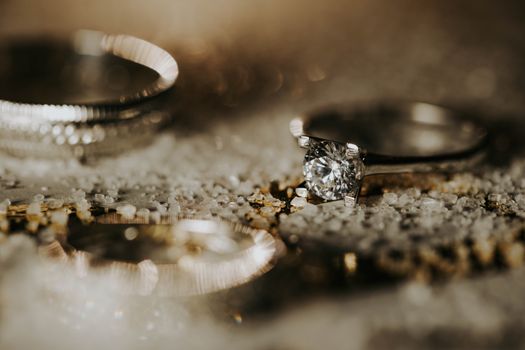 Photo: Kenneth Surillo / Pexels
 Photo: Meruyert Gonullu / Pexels
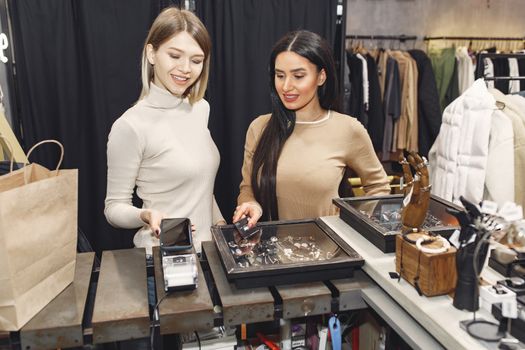 Photo: Gustavo Fring / Pexels
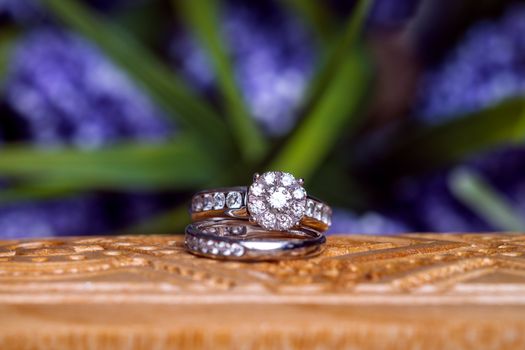 Photo: Alex Kad / Pexels