Where to Sell Antique Jewelry US: Your Ultimate Guide
where to sell antique jewelry US

Where to Sell Antique Jewelry US: Your Ultimate Guide

Unlock the true value of your cherished antique jewelry pieces with our comprehensive guide to selling in the US.

Find Your Buyer Now

Key Takeaways

  • ✓ Authenticity and provenance are key to maximizing antique jewelry value.
  • ✓ Professional appraisal is crucial before attempting to sell.
  • ✓ Online platforms offer broad reach, but require careful vetting.
  • ✓ Auction houses can yield high prices for rare or significant pieces.

How It Works

1
Evaluate & Document Your Jewelry

Thoroughly inspect your pieces for hallmarks, signatures, and condition. Gather any original receipts, appraisals, or history to support authenticity.

2
Seek Professional Appraisal

Obtain an independent appraisal from a certified gemologist or antique jewelry specialist. This provides an unbiased valuation and validates authenticity, crucial for pricing.

3
Research Selling Avenues

Explore various selling options such as online marketplaces, local jewelers, auction houses, and consignment shops. Each has pros and cons regarding reach, fees, and speed of sale.

4
Prepare for Sale & Negotiate

Clean your jewelry (professionally if needed), take high-quality photos, and write detailed descriptions. Be prepared to negotiate, understanding your bottom line based on the appraisal.

Understanding the Value of Your Antique and Vintage Jewelry
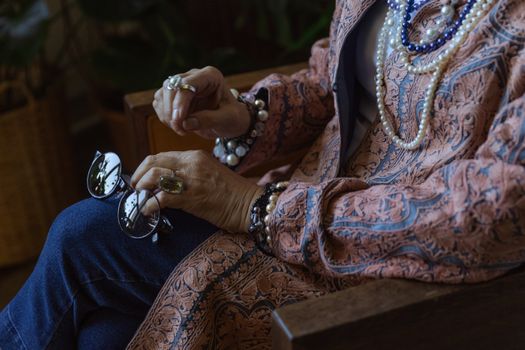
An elderly woman elegantly adorned with jewelry and holding eyeglasses, showcasing boho style. Photo: Ron Lach / Pexels
Before you even consider where to sell antique jewelry US, it’s paramount to understand what makes your pieces valuable. The term 'antique' generally refers to items 100 years or older, while 'vintage' applies to items typically 20-99 years old. However, these are loose definitions in the jewelry world, where style and craftsmanship often dictate perceived age and value more than a strict chronological cut-off. Key factors influencing value include rarity, condition, provenance (the history of ownership), the materials used (precious metals, gemstones), the quality of craftsmanship, and the historical significance or designer. For instance, a Georgian era (1714-1837) mourning ring with intricate enamel work and a documented history will command a vastly different price than a mass-produced 1950s costume brooch, even if both are technically 'old'. Provenance is particularly powerful. If your jewelry belonged to a notable figure or has a fascinating backstory that can be verified, its value can skyrocket. Similarly, pieces from renowned jewelry houses like Cartier, Tiffany & Co., Van Cleef & Arpels, or Boucheron often retain and appreciate in value significantly more than unmarked pieces. Look for hallmarks, signatures, or maker's marks, which are tiny stamps often found on the metalwork that identify the manufacturer, the metal purity, and sometimes the origin. These marks are critical for authentication and can greatly influence buyer confidence and, subsequently, the price you can achieve. A piece with a clear 18K gold stamp and a famous maker's mark is far easier to authenticate and sell than one with ambiguous markings. Condition is another non-negotiable factor. While some wear is expected on antique items, significant damage, missing stones, heavy repairs, or alterations can drastically reduce value. A professional cleaning and minor restoration by an expert can sometimes enhance appeal, but extensive repairs can sometimes diminish originality. It's a delicate balance, and a good appraiser can advise on the cost-benefit of such work. Ultimately, understanding these elements empowers you to set realistic expectations and choose the most appropriate selling channel. This initial research and understanding are foundational to a successful sale, ensuring you don't undervalue your precious heirlooms. Don't rush into selling until you have a clear picture of what you possess. For more insights on evaluating your items, check out our guide on antique jewelry appraisal.

Top Channels for Selling Antique Jewelry in the US
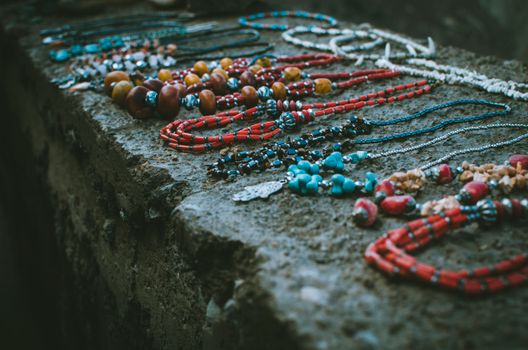
Vibrant beaded necklaces displayed outdoors on a rustic stone surface. Photo: Nicolas Postiglioni / Pexels
Once you have a solid understanding of your jewelry's value, the next step is to explore the various avenues available for selling. The United States offers a diverse landscape of options, each with its own advantages and disadvantages. Choosing the right channel depends on several factors, including the value of your piece, your desired speed of sale, the level of effort you're willing to invest, and the fees you're prepared to pay. **1. Auction Houses:** For high-value, rare, or historically significant antique jewelry, reputable auction houses like Sotheby's, Christie's, Bonhams, or regional specialists (e.g., Skinner, Heritage Auctions) are often the best choice. They offer global reach, expert authentication, professional cataloging, and targeted marketing to serious collectors. The downside is that they charge significant seller's commissions (often 10-25% of the hammer price, plus other fees), and the sale process can take several months from consignment to payment. There's also the risk that your item might not meet its reserve price and go unsold. However, for a truly exceptional piece, an auction can achieve prices far beyond what other channels might offer due to competitive bidding. **2. Online Marketplaces & Consignment:** The digital age has opened up numerous platforms for selling antique jewelry. Websites like eBay, Etsy (for vintage items), and specialized luxury consignment sites (e.g., The RealReal, Fashionphile) offer broad exposure to a global audience. eBay provides direct selling opportunities, allowing you to control pricing and listing details, but requires significant effort in photography, description writing, and customer service. Etsy is excellent for unique, handcrafted, or more affordable vintage pieces. Luxury consignment sites handle most of the selling process for you, including authentication, photography, and shipping, but take a substantial commission (often 25-50%). These platforms are generally faster than auction houses and can be a good option for mid-to-high value items that don't quite reach auction house thresholds. **3. Local Antique Jewelers & Estate Buyers:** Visiting local antique jewelry stores or estate buyers can be a quick and straightforward way to sell. These buyers are often looking to replenish their inventory and can make an immediate cash offer. The advantage is speed and convenience, but the offers will typically be wholesale prices, meaning significantly less than retail or auction values, as they need to factor in their profit margins, reconditioning costs, and overhead. It's crucial to get multiple offers from different buyers to ensure you're getting a fair price. This option is best for pieces of moderate value or if you need to sell quickly without the hassle of online listings or auction processes. **4. Consignment with Local Boutiques:** Some high-end antique jewelry boutiques offer consignment services. This means they display your item in their store and only pay you if it sells, taking a percentage of the final sale price (typically 30-50%). The benefit is that your jewelry is presented in a curated environment to a targeted clientele, often at a higher price point than if you sold it yourself. The drawbacks include the waiting period for a sale, the commission, and the potential for the store to go out of business while holding your item. Always ensure you have a clear, written consignment agreement detailing terms, insurance, and payment schedules. Each of these channels caters to different types of sellers and jewelry. Thorough research into each platform's fees, reputation, and target audience is essential before making a decision. Consider the time commitment, desired return, and the specific characteristics of your antique jewelry when selecting your selling strategy.

Preparing Your Antique Jewelry for Sale and Maximizing Its Appeal

A skilled jewelry artisan working in a sunlit studio, surrounded by tools and greenery, wearing an apron. Photo: Antoni Shkraba / Pexels
Once you've decided where to sell antique jewelry US, the next critical step is to prepare your pieces to ensure they present their best possible face to potential buyers. Proper preparation can significantly impact the final selling price and the speed of sale. The first and most crucial step is professional cleaning. While you might be tempted to clean your jewelry yourself, certain antique pieces, especially those with delicate settings, soft stones (like pearls or opals), or intricate enameling, can be easily damaged by harsh chemicals or abrasive cloths. It's always best to consult a professional jeweler or conservator who specializes in antique items. They understand the specific care requirements for different materials and historical construction methods, ensuring your piece is cleaned safely without compromising its integrity or original patina, which can sometimes be desirable. After cleaning, high-quality photography is non-negotiable, especially for online sales. Clear, well-lit, and detailed images are your primary selling tool. Take multiple photos from various angles, highlighting any unique features, hallmarks, and the overall condition. Use natural light where possible and a neutral background that doesn't distract from the jewelry. Macro shots of intricate details, engravings, or gemstone facets can be particularly effective. If there are any minor imperfections or signs of wear consistent with age, photograph them transparently. Honesty in visual representation builds trust with buyers and prevents disputes later on. For more tips on showcasing your pieces, refer to our guide on jewelry photography. Beyond aesthetics, gather all available documentation. This includes original purchase receipts, previous appraisal certificates, and any provenance information (e.g., letters, family histories, or photos of previous owners wearing the piece). These documents authenticate your item, build buyer confidence, and can significantly increase its value, especially for rare or designer pieces. A recent, independent appraisal from a certified gemologist or antique jewelry specialist is highly recommended before listing. This provides an objective valuation, details the item's specifications (metal purity, gemstone type, carat weight, clarity, color, cut), and confirms its authenticity and period. This appraisal acts as a credible third-party endorsement of your item's worth, which is invaluable in negotiations. Finally, craft a compelling and accurate description. Include all relevant details: the era (e.g., Art Deco, Victorian), materials (e.g., 14K gold, platinum, diamonds, rubies), dimensions, weight, and any unique design elements. Be transparent about the condition, noting any repairs or wear commensurate with age. Storytelling can also add immense value. Share any verified history or interesting anecdotes associated with the piece; this emotional connection can often sway a buyer. A well-prepared piece, backed by strong documentation and presented beautifully, is far more likely to achieve its maximum market value.

Common Mistakes to Avoid When Selling Antique Jewelry
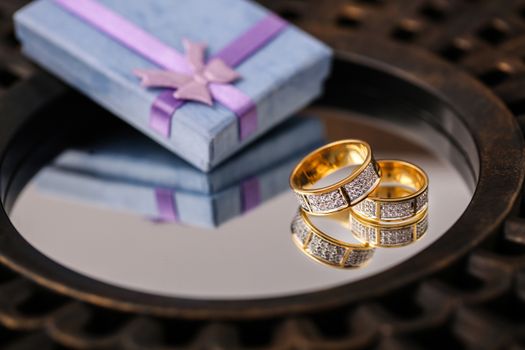
Close-up of gold wedding rings reflecting next to a blue gift box. Photo: The Glorious Studio / Pexels
Selling antique jewelry can be a rewarding experience, but it’s fraught with potential pitfalls that can cost you time, money, and even the sale itself. Avoiding these common mistakes is crucial for a successful transaction. **1. Not Getting a Professional Appraisal:** This is perhaps the biggest mistake. Without an independent, certified appraisal, you are essentially guessing your item's worth. This can lead to drastically underpricing (losing potential profit) or overpricing (deterring buyers). A professional appraisal provides an objective, defensible value. **2. Over-Cleaning or DIY Repairs:** As mentioned, aggressive cleaning or attempting repairs yourself can cause irreversible damage, reducing the item's authenticity and value. Always consult a professional for cleaning or restoration. **3. Poor Photography and Descriptions:** Blurry photos, bad lighting, or vague descriptions will fail to attract serious buyers, especially online. Invest time in high-quality visuals and detailed, accurate descriptions. **4. Setting Unrealistic Price Expectations:** While you want to maximize your return, setting an excessively high price based on sentimental value rather than market value will only lead to your item sitting unsold. Use your appraisal and market research to set a competitive, realistic price. **5. Ignoring Provenance and Documentation:** Neglecting to gather or present any existing history or documentation for your piece is a missed opportunity. Provenance can significantly enhance value and buyer interest. **6. Falling for Scams:** Be wary of unsolicited offers, buyers demanding unusual payment methods, or those who pressure you for personal information. Always use secure transaction methods and verify buyer legitimacy, especially on online platforms. **7. Selling to the First Offer:** Unless you're in a desperate hurry, don't jump at the first offer, especially from a local jeweler or pawn shop. Always get multiple quotes to ensure you're getting a fair market price. **8. Not Researching Your Selling Platform:** Each platform has its nuances, fees, and target audience. Selling a high-value diamond ring on Etsy, for example, might not yield the best results compared to a specialized auction house or luxury consignment site. Understand where your particular piece will thrive. **9. Lack of Patience:** Selling unique antique items can take time. High-value pieces, in particular, often require the right buyer to come along. Be prepared for a potentially extended selling period. **10. Not Insuring Your Item:** If you are shipping your jewelry or leaving it on consignment, ensure it is adequately insured against loss, theft, or damage. This protects your investment during the selling process. By being mindful of these common pitfalls, you can navigate the selling process more effectively, secure a better price, and ensure a smoother, more satisfying experience.

Comparison

FeatureAuction HousesOnline MarketplacesLocal JewelersConsignment Boutiques
ReachGlobalGlobalLocalLocal/Regional
Speed of SaleSlow (months)Medium (weeks-months)Fast (immediate)Medium (weeks-months)
Seller FeesHigh (10-25% + fees)Medium-High (5-50%)Low (price discount)High (30-50%)
Effort RequiredLow (they do work)High (you do work)Low (direct sale)Medium (item prep)
Price PotentialHighest (for rare)High (broad audience)Lowest (wholesale)High (curated clientele)
Authentication✗ (buyer beware)✓ (store reputation)
Best ForHigh-value, rare itemsMid-value, unique itemsQuick cash, moderate valueUnique, mid-high value

What Readers Say

"I used a specialized online auction platform to sell my grandmother's Art Deco diamond ring. The process was surprisingly smooth, and after a professional appraisal, it sold for significantly more than I expected. They handled everything from authentication to shipping, which was a huge relief when selling antique jewelry in the US."

Eleanor V. · New York, NY

"Finding where to sell antique jewelry in the US seemed daunting until I found a reputable estate buyer in my area. They gave me a fair cash offer for a Victorian locket set, much faster than trying to list it myself. It wasn't the highest possible price, but the convenience was worth it."

James R. · Los Angeles, CA

"I consigned a unique antique sapphire brooch with a local upscale boutique, and it sold within two months. The store's clientele appreciated its rarity, and I received 70% of the sale price. It was a perfect fit for selling my antique jewelry in the US without the hassle of online platforms."

Sophia L. · Dallas, TX

"eBay worked well for a few smaller vintage pieces, but the higher-value antique items were a bit more challenging. While I got good prices, the amount of time spent on photos and answering buyer questions was considerable. It's a viable option for selling antique jewelry in the US if you have the time and patience."

Michael S. · Chicago, IL

"After inheriting several pieces, I didn't know where to sell antique jewelry in the US. A trusted GIA appraiser connected me with a national auction house for a particularly valuable emerald necklace. The expertise and global reach resulted in a fantastic hammer price."

Patricia G. · Miami, FL

Frequently Asked Questions

What is the best place where to sell antique jewelry US for high-value items?

For high-value, rare, or historically significant antique jewelry, reputable national or international auction houses like Sotheby's or Christie's are often the best choice. They offer expert authentication, professional marketing, and access to a global network of serious collectors, which can lead to competitive bidding and higher prices.

Do I need an appraisal before selling my antique jewelry?

Yes, absolutely. A professional, independent appraisal from a certified gemologist or antique jewelry specialist is crucial. It provides an objective valuation, confirms authenticity, and details specifications, which empowers you to set a realistic price and negotiate confidently. It also protects you from potentially underselling your valuable items.

How can I ensure I get a fair price for my antique jewelry?

To ensure a fair price, start with a professional appraisal. Then, research current market trends for similar items and explore multiple selling avenues. Get offers from several buyers (local jewelers, online platforms, consignment shops) and compare them. Don't rush into the first offer; patience and thorough research are key.

Are there any hidden fees when selling antique jewelry?

Yes, many selling channels have associated fees. Auction houses charge seller's commissions, cataloging fees, and sometimes insurance. Online marketplaces have listing fees, final value fees, and payment processing fees. Consignment shops take a percentage of the sale. Always clarify all potential costs upfront with any seller or platform before committing.

Should I clean or repair my antique jewelry before selling?

Generally, it's best to avoid attempting to clean or repair antique jewelry yourself. Improper methods can cause damage and reduce value. For cleaning, consult a professional jeweler specializing in antique items. For repairs, only undertake them if an expert advises it will significantly increase value without compromising authenticity. Sometimes, a piece's original patina is desirable.

Who should use where to sell antique jewelry US?

Anyone looking to sell cherished family heirlooms, inherited pieces, or personal antique jewelry collections in the United States should utilize these resources. Whether you have a single valuable item or an entire estate, understanding your options and preparing properly will ensure you maximize your return and find the right buyer.

Is it safe to ship high-value antique jewelry for sale?

Shipping high-value antique jewelry requires extreme caution. Always use reputable, insured shipping services (like FedEx or UPS with declared value coverage) and ensure the item is properly packaged to prevent damage. Document the item's condition before shipping with photos and videos. For very high-value items, some auction houses or buyers may arrange specialized transport or pickup.

What are the future trends in selling antique jewelry?

The future of selling antique jewelry will likely see continued growth in specialized online platforms, leveraging advanced AI for authentication and valuation. Sustainability and ethical sourcing will also drive demand for pre-owned pieces, making provenance and detailed history even more important. Virtual try-on and enhanced digital storytelling will also play a larger role in engaging buyers.

Ready to unlock the hidden value of your antique jewelry? Use this comprehensive guide to navigate the best places where to sell antique jewelry US, ensuring you achieve the best possible return for your cherished pieces. Start your selling journey with confidence today!

Topics: where to sell antique jewelry USsell vintage jewelryantique jewelry appraisaljewelry consignmentselling estate jewelry
Leo List

IE Escorts NO Escorts US Escorts NZ Escorts AU Escorts
Brampton weed
Adultwork EstrelaBet Vai de Bet R7 Bet Betão Galera Bet Rainbet Bet9ja Shop SportyBet BetKing Sisal Loto Foot Hollywoodbets YesPlay Odibets RushBet Jugabet BetWarrior BetCity MSport betPawa Fortebet