Buy Lab Grown Diamond Earrings: Your Ultimate Guide
August 23, 2026 14 min read 2,897 words
Uncover the brilliance and value of lab grown diamonds for stunning, sustainable earrings that truly shine.
Find Your Sparkle
The Allure of Lab Grown Diamond Earrings: Why They're a Smart Choice
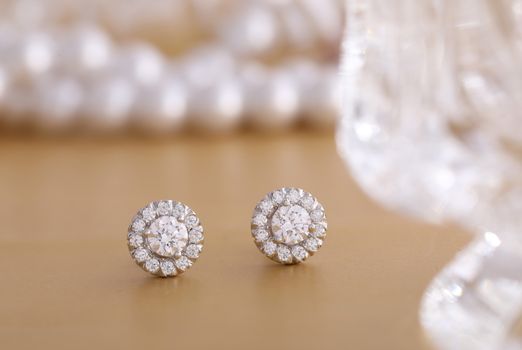 Photo: The Glorious Studio / Pexels
In an era where conscious consumerism is gaining significant traction, the decision to buy lab grown diamond earrings represents more than just a purchase; it's a statement. These dazzling gems are not merely imitations; they are genuine diamonds, sharing the exact same chemical composition, crystal structure, and optical properties as their mined counterparts. The only distinction lies in their origin: one is unearthed from the earth, while the other is cultivated in a highly controlled laboratory environment. This fundamental similarity means that when you choose lab grown diamond earrings, you are investing in authentic sparkle and enduring beauty. The scientific process involved in creating lab grown diamonds, primarily High Pressure-High Temperature (HPHT) or Chemical Vapor Deposition (CVD), replicates the conditions under which natural diamonds form deep within the earth. This technological marvel ensures that every lab grown diamond possesses the same brilliance, fire, and scintillation that makes diamonds so captivating. Unlike diamond simulants such as cubic zirconia or moissanite, which merely imitate the look of a diamond, lab grown diamonds are, unequivocally, diamonds.
Understanding the distinctions in diamond types is crucial for an informed decision. The appeal of lab grown diamond earrings extends beyond their scientific authenticity. They offer a compelling value proposition. Typically, lab grown diamonds cost anywhere from 20% to 40% less than mined diamonds of comparable size and quality. This significant price difference allows consumers to acquire larger, higher-quality stones for their budget, leading to more impressive and radiant earrings. Imagine being able to afford a pair of 1-carat total weight diamond studs that would be financially out of reach if they were mined. This affordability doesn't come at the cost of beauty or durability; it simply reflects the efficiency of their creation process. Furthermore, the ethical and environmental advantages of lab grown diamonds are undeniable. Mined diamond extraction has historically been associated with complex ethical concerns, including conflict funding and exploitative labor practices, despite industry efforts to mitigate these issues. Environmentally, traditional mining can involve significant land disturbance, energy consumption, and carbon emissions. Lab grown diamonds, on the other hand, offer a transparent and traceable origin, guaranteeing they are conflict-free. Their production typically has a smaller environmental footprint, using less energy and causing no land disruption. For consumers who prioritize sustainability and ethical sourcing, choosing lab grown diamond earrings aligns perfectly with their values, providing peace of mind along with unparalleled sparkle. This confluence of authenticity, value, and ethical considerations makes lab grown diamond earrings an increasingly popular and intelligent choice for modern jewelry buyers.
Navigating the 4 Cs: How to Select Your Perfect Pair of Lab Grown Diamond Earrings
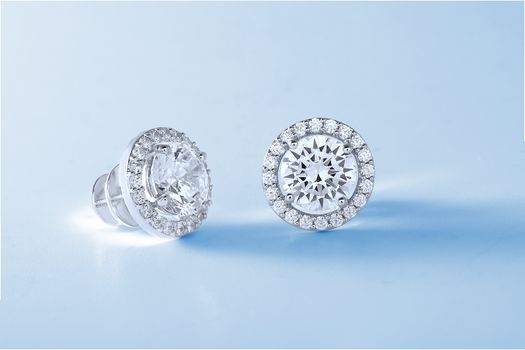 Photo: The Glorious Studio / Pexels
Just like their mined counterparts, lab grown diamonds are evaluated using the universally recognized '4 Cs': Cut, Color, Clarity, and Carat weight. Mastering these criteria is essential to ensure you buy lab grown diamond earrings that meet your expectations for beauty and value. While all four Cs are important, their relative importance can shift slightly when selecting earrings, particularly for studs or smaller pieces. The Cut of a diamond is arguably the most crucial factor for brilliance and sparkle. It refers to how well a diamond's facets interact with light, not its shape. A well-cut diamond will reflect and refract light optimally, creating dazzling fire, brilliance, and scintillation. For earrings, where diamonds are often viewed from a distance and in varying light conditions, an excellent or very good cut is paramount. Even if you compromise slightly on other Cs, never skimp on the cut quality, as it directly impacts the diamond's overall visual appeal. A poorly cut diamond, regardless of its color or clarity, will appear dull and lifeless. The Color of a diamond refers to its lack of color, ranging from D (colorless) to Z (light yellow or brown). For lab grown diamond earrings, especially studs, aiming for a near-colorless grade (G-J) often provides the best balance of appearance and value. Diamonds in this range will appear colorless to the naked eye, particularly when set in white gold or platinum. If you're opting for yellow gold settings, you might even go slightly lower (K-L) as the warmth of the metal can mask subtle yellow tints. However, for a truly icy white look, D-F grades are ideal but come at a premium. Clarity measures the absence of inclusions (internal flaws) and blemishes (external imperfections). Grades range from Flawless (FL) to Included (I). For earrings, particularly those under 1 carat each, diamonds with VS1, VS2, or even SI1 clarity grades often appear 'eye-clean' – meaning no inclusions are visible without magnification. Since earrings are usually viewed from a slight distance, microscopic flaws are less noticeable than in a ring. Prioritizing clarity too highly for earrings can unnecessarily inflate the price without a significant visual benefit. Focus on ensuring the diamond is eye-clean. Finally, Carat weight refers to the diamond's weight, not its size, though larger carat weights generally mean larger diamonds. For earrings, you'll often see 'total carat weight' (TCW), which is the combined weight of all diamonds in the pair. Consider the size of the diamond in proportion to your earlobes and personal style. A pair of 0.50 TCW studs (0.25 carat each) might be perfect for everyday wear, while 2.00 TCW (1.00 carat each) makes a bolder statement. Remember that larger diamonds escalate in price exponentially, so finding the right balance across the 4 Cs for your desired carat weight is key to a smart purchase. Always request a grading report from a reputable independent laboratory like IGI, GIA, or GCAL to verify the 4 Cs of your lab grown diamonds. This certification provides objective proof of quality and authenticity, ensuring you know exactly what you're buying.
Choosing the Right Style and Setting for Your Lab Grown Diamond Earrings
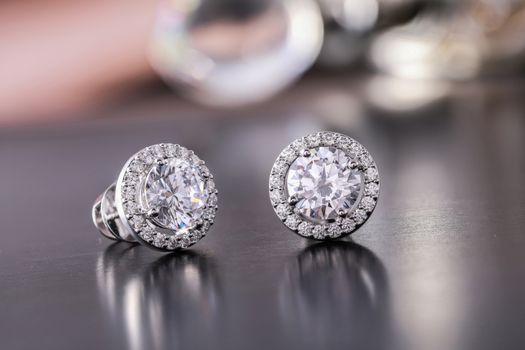 Photo: The Glorious Studio / Pexels
When you decide to buy lab grown diamond earrings, the journey extends beyond just selecting the perfect diamonds; it also involves choosing the right style and setting that complements both your aesthetic and the diamonds themselves. The setting not only holds the diamonds securely but also plays a crucial role in enhancing their sparkle and defining the overall look of the earrings. Understanding the popular styles and metal choices will help you make an informed decision that you'll cherish for years to come. The most classic and versatile style is the diamond stud earring. Ideal for everyday wear, studs offer timeless elegance and are a staple in any jewelry collection. They come in various diamond shapes, with round brilliant being the most popular due to its exceptional sparkle. Other popular shapes include princess cut, cushion cut, and emerald cut, each offering a unique aesthetic. The setting for studs is typically a prong setting (3, 4, or 6 prongs) or a bezel setting. Prong settings allow maximum light entry, maximizing brilliance, while bezel settings offer a sleek, modern look and superior protection for the diamond. For those seeking more dynamism, diamond hoop earrings are an excellent choice. These can range from subtle, small hoops adorned with tiny pave-set diamonds to large, dramatic hoops featuring larger individual stones. Hoops offer movement and can add a playful yet sophisticated touch to any outfit. Diamond drop or dangle earrings provide an even greater sense of movement and often incorporate more intricate designs, sometimes featuring multiple diamonds or other gemstones. These are perfect for special occasions or when you want your earrings to be a focal point.
Exploring different earring styles can help you visualize the perfect match for your personal taste. The metal choice for your lab grown diamond earrings is another critical consideration. The most common choices are white gold (14k or 18k), yellow gold (14k or 18k), rose gold (14k or 18k), and platinum. White gold and platinum are excellent choices for enhancing the colorless appearance of diamonds, making them appear brighter and whiter. Platinum is a naturally white, hypoallergenic, and extremely durable metal, making it a premium choice. White gold, an alloy of gold and other white metals, is also durable and more affordable than platinum, though it typically requires rhodium plating every few years to maintain its bright white luster. Yellow gold offers a classic, warm aesthetic that can beautifully complement diamonds, especially those with a slightly warmer color grade (G-J). Rose gold, with its romantic pink hue, has grown significantly in popularity and provides a unique, contemporary look that pairs well with both colorless and slightly warmer diamonds. When selecting your setting, also consider the security of the backings. Friction backs (push backs) are common and secure for lighter studs. Screw backs offer enhanced security, ideal for valuable or larger diamonds, as they screw onto a threaded post. Locking backs or La Pousette backs provide a robust, spring-loaded mechanism for maximum peace of mind. Ultimately, the best style and setting for your lab grown diamond earrings will depend on your personal preference, lifestyle, and how often you plan to wear them. Take your time, try on different styles if possible, and visualize how they will complement your existing jewelry and wardrobe.
Smart Shopping Tips and Common Mistakes to Avoid When Buying Lab Grown Diamond Earrings
 Photo: VGIO Studios / Pexels
Embarking on the journey to buy lab grown diamond earrings can be an exciting experience, but navigating the market requires a keen eye and an informed approach. To ensure you make the best possible purchase, it's crucial to be aware of smart shopping tips and to actively avoid common pitfalls. Doing your homework before you commit will save you time, money, and potential disappointment. Firstly, always prioritize reputable retailers. Look for vendors with transparent business practices, clear return policies, and excellent customer service. Online retailers often offer a wider selection and better pricing due to lower overheads, but ensure they have a strong track record and positive reviews. Websites like Trustpilot or the Better Business Bureau can be valuable resources for checking a retailer's reputation. A key indicator of reliability is the provision of independent diamond certification. Every lab grown diamond you purchase, especially those over 0.25 carats, should come with a grading report from a respected laboratory such as IGI (International Gemological Institute), GIA (Gemological Institute of America), or GCAL (Gem Certification & Assurance Lab). These reports provide an objective assessment of the diamond's 4 Cs and confirm its lab grown origin, protecting your investment. Never buy a significant diamond without one. When comparing prices, don't just look at the carat weight. Always compare diamonds with similar Cut, Color, and Clarity grades, as these factors significantly influence price. A seemingly cheaper diamond might have a lower cut grade or visible inclusions, making it less appealing. Use the 4 Cs as your benchmark for value. Consider the metal type and setting carefully. While 14k white gold is popular, 18k offers slightly more purity and a richer color. Platinum is the most durable and hypoallergenic option, but also the most expensive. Ensure the setting style you choose (e.g., prong, bezel) is appropriate for your lifestyle and offers adequate protection for the diamonds. For instance, bezel settings are excellent for active individuals.
Proper care for your diamond jewelry will ensure its longevity. One common mistake is confusing lab grown diamonds with diamond simulants. Lab grown diamonds are real diamonds, whereas simulants like cubic zirconia or moissanite are entirely different materials that merely resemble diamonds. Ensure the seller explicitly states 'lab grown diamond' and provides certification. Another error is neglecting to check the return policy. Even with careful selection, you might want to return or exchange the earrings. A generous return window (e.g., 30 days) and a clear, hassle-free process are essential. Also, be wary of overly aggressive sales tactics or deals that seem too good to be true, as they often are. Lastly, don't forget about insurance. Lab grown diamond earrings, especially larger pairs, represent a significant investment. Insuring them provides peace of mind against loss, theft, or damage. Many jewelers offer insurance options, or you can add them to your homeowner's or renter's policy. By following these tips and avoiding common missteps, you can confidently buy lab grown diamond earrings that you'll adore for a lifetime.
