✓ Gold's purity is measured in karats (k), with 24k being 100% pure gold.
✓ 18k gold contains 75% pure gold, while 14k gold contains 58.3% pure gold.
✓ 18k gold is generally more valuable and has a richer, yellower hue.
✓ 14k gold is more durable and scratch-resistant due to its higher alloy content.
How It Works
1
Understand Karatage
Karatage signifies the proportion of pure gold in a jewelry item. A higher karat number indicates a greater percentage of pure gold.
2
Consider Durability Needs
Assess how often and where the jewelry will be worn. Daily wear often benefits from the increased durability of lower karat gold.
3
Evaluate Aesthetic Preferences
Observe the color difference between 14k and 18k gold. 18k gold has a more intense yellow, while 14k is slightly lighter.
4
Balance Budget and Value
Higher karat gold is typically more expensive due to its higher pure gold content. Weigh this against your budget and long-term value expectations.
Understanding Gold Purity: The Karat System Explained
Photo: Nina Hill / Pexels
Before diving into the specific differences between 14k and 18k gold, it's essential to grasp the fundamental concept of gold purity, which is measured using the karat system. In the United States and globally, gold purity is expressed in karats, often abbreviated as 'k'. Pure gold is incredibly soft and malleable, making it unsuitable for most jewelry applications. To enhance its durability, strength, and sometimes to alter its color, pure gold is alloyed with other metals. These alloying metals can include copper, silver, zinc, nickel, and palladium, among others.
The karat system quantifies the proportion of pure gold in an alloy. The maximum purity is 24 karats, which represents 100% pure gold. This means that if a piece of jewelry is labeled 24k, it is considered pure gold, though in practice, it's virtually impossible to achieve absolute 100% purity, so 99.9% or 99.99% is typically considered 24k. The number preceding the 'k' indicates how many parts out of 24 are pure gold. For example, 18k gold means 18 parts out of 24 are pure gold, and the remaining 6 parts are alloying metals. Similarly, 14k gold signifies that 14 parts out of 24 are pure gold, with 10 parts being other metals.
To put this into percentages, which can sometimes be easier to visualize: 18k gold is (18/24) * 100% = 75% pure gold. The remaining 25% consists of various metal alloys. On the other hand, 14k gold is (14/24) * 100% = 58.3% pure gold, with the remaining 41.7% being alloying metals. This difference in gold content is the primary factor driving the varying characteristics, value, and appeal of 14k and 18k gold. The choice between these two popular options often comes down to a balance of aesthetic preference, durability requirements, and budget considerations. Understanding this foundational concept of karatage is your first step towards making an informed decision about your next gold jewelry purchase. The higher the karat, the higher the gold content, and typically, the higher the price, but also the softer the metal. Conversely, lower karat gold is harder and more resilient, making it suitable for everyday wear. This fundamental trade-off between purity and practicality is at the heart of the 14k vs. 18k debate. The specific blend of alloying metals also plays a crucial role in determining the final color, such as rose gold or white gold, but the karat number always refers to the pure gold percentage.
The Allure and Durability: 18k Gold's Purity vs. 14k Gold's Resilience
Photo: Jairus Abiasen / Pexels
When comparing 18k and 14k gold, two of the most significant factors to consider are their respective purity levels and the resulting durability. These characteristics directly influence both the aesthetic appeal and practical longevity of your jewelry. Let's delve deeper into how these elements play out.
18k gold, with its 75% pure gold content, possesses a noticeably richer and warmer yellow hue compared to 14k gold. This intense, luxurious color is often preferred by those seeking a classic, high-end look that truly showcases gold's intrinsic beauty. The higher gold content also means it's less likely to tarnish, as pure gold itself does not tarnish. However, the higher purity comes at a cost: 18k gold is softer and more malleable than 14k gold. This increased softness makes it more susceptible to scratches, dents, and bending, especially in intricate designs or pieces worn daily. For engagement rings, wedding bands, or other jewelry subjected to frequent wear, this can be a significant consideration. While its luster is undeniable, the potential for wear and tear is higher, requiring more careful handling and potentially more frequent professional cleaning and maintenance to retain its pristine condition.
Conversely, 14k gold, with 58.3% pure gold and 41.7% alloying metals, benefits greatly from its higher proportion of other metals. These alloys, typically silver, copper, and zinc, significantly increase the metal's hardness and durability. As a result, 14k gold is considerably more resistant to scratches, dents, and general wear and tear than 18k gold. This makes it an excellent choice for active individuals or for jewelry pieces intended for everyday use, such as rings, bracelets, and necklaces that might encounter more impact. Its slightly lighter yellow color is often described as more subtle or understated, which some wearers prefer. While it may not have the same intense golden glow as 18k, its practicality and longevity make it a popular and reliable choice for a wide range of jewelry. The increased alloy content also means 14k gold is generally more affordable than 18k gold, offering a more budget-friendly option without sacrificing significant quality or beauty. The balance of pure gold and robust alloys in 14k gold provides a sweet spot for many consumers looking for both elegance and endurance in their precious pieces.
Ultimately, the choice between 18k and 14k gold often boils down to a personal trade-off between the desire for maximum gold purity and a richer color versus the need for enhanced durability and everyday resilience. There's no universally 'better' option; rather, it's about aligning the gold's characteristics with your lifestyle and preferences.
Cost, Hypoallergenic Properties, and Tarnish Resistance
Beyond purity and durability, several other crucial factors differentiate 14k and 18k gold, including cost, hypoallergenic properties, and resistance to tarnishing. Understanding these aspects will further empower you to make the most suitable choice for your jewelry investment.
First, let's address the cost. As a general rule, the price of gold jewelry is directly correlated with its pure gold content. Since 18k gold contains 75% pure gold compared to 14k gold's 58.3%, 18k gold is almost always more expensive than an equivalent piece made of 14k gold. This price difference can be substantial, especially for larger or more intricate items. For consumers working within a specific budget, 14k gold offers a more accessible entry point into fine gold jewelry without compromising on significant quality or beauty. However, for those prioritizing the highest possible gold content and a more luxurious feel, the higher price tag of 18k gold is often seen as a worthwhile investment. It's important to remember that while 18k gold has a higher intrinsic value due to its gold content, 14k gold offers excellent value for its durability and aesthetic appeal.
Next, consider hypoallergenic properties. Gold itself is generally considered hypoallergenic. However, allergic reactions to gold jewelry are usually caused by the alloying metals, particularly nickel. Nickel is a common allergen and can be found in varying amounts in gold alloys, especially in white gold to enhance its whiteness and strength. Since 14k gold has a higher percentage of alloying metals, there's a slightly greater chance it might contain a metal that could trigger an allergic reaction in highly sensitive individuals. However, many reputable jewelers use nickel-free alloys for both 14k and 18k gold, especially for yellow gold. 18k gold, with its higher pure gold content and lower percentage of alloying metals, is generally considered more hypoallergenic than 14k gold, making it a safer choice for those with known metal sensitivities. If you have sensitive skin, it's always wise to inquire about the specific alloy composition from your jeweler.
Finally, let's discuss tarnish resistance. Tarnish is a natural chemical reaction where the surface of a metal reacts with air, moisture, and other compounds, causing it to darken or discolor. Pure gold (24k) does not tarnish. Therefore, the higher the gold content in an alloy, the more resistant it will be to tarnishing. This means 18k gold, with its 75% gold content, is more resistant to tarnishing than 14k gold, which has 58.3% gold. The alloying metals, particularly copper and silver, are more prone to tarnishing. While neither 14k nor 18k yellow gold will tarnish severely or quickly compared to, say, sterling silver, 14k gold might show signs of dulling or a slight color change over a longer period, especially if exposed to chemicals, perfumes, or harsh environments. Regular cleaning and proper storage can mitigate tarnishing for both, but 18k gold generally requires less frequent attention in this regard. This difference in tarnish resistance is another subtle but important factor to weigh when deciding between the two. For further insights into gold care, consult your jeweler.
Making Your Choice: Tips for Selecting the Right Gold Karat
Choosing between 14k and 18k gold isn't a matter of one being inherently superior, but rather selecting the karat that best suits your individual needs, lifestyle, and aesthetic preferences. Here are some practical tips to guide your decision:
* **Consider Your Lifestyle and Wear Frequency:** If you lead an active lifestyle, work with your hands, or intend to wear your jewelry daily, 14k gold's superior durability makes it an excellent choice. It's more resistant to scratches and dents, ensuring your piece maintains its beauty even with regular exposure to bumps and knocks. For special occasion pieces or jewelry that will be worn less frequently and handled with more care, 18k gold's luxurious softness is less of a concern.
* **Evaluate Aesthetic Preferences:** Visit a jewelry store and compare 14k and 18k yellow gold pieces side-by-side under natural and artificial lighting. Notice the subtle but distinct difference in their color intensity. 18k gold offers a deeper, richer yellow, often perceived as more opulent. 14k gold has a slightly lighter, more subtle golden hue that many find equally appealing and versatile. Your personal preference for color saturation should play a significant role.
* **Budgetary Constraints:** Be realistic about your budget. 18k gold, due to its higher pure gold content, will invariably be more expensive than 14k gold for an item of similar design and weight. If you're looking for a significant piece like an engagement ring or a substantial necklace, opting for 14k gold can allow you to get a larger or more intricate design within the same price range, or save money for other aspects of your purchase, such as a larger diamond or gemstone.
* **Skin Sensitivity:** If you have known allergies to certain metals, particularly nickel, 18k gold is generally the safer bet due to its higher purity and lower proportion of alloying metals. However, always confirm with your jeweler about the specific alloy composition, especially for white gold variations, as some white gold alloys, regardless of karat, may contain nickel. Many jewelers offer nickel-free options.
* **Tarnish Expectations:** While both 14k and 18k yellow gold are relatively tarnish-resistant compared to other metals, 18k gold will exhibit even greater resistance due to its higher gold content. If you prefer minimal maintenance and want your gold to retain its bright luster for longer periods with less frequent cleaning, 18k might be slightly advantageous. However, proper care and cleaning will keep both karats looking beautiful.
* **Long-Term Value and Resale:** While both are valuable, 18k gold inherently has a higher intrinsic value per gram due to its greater pure gold content. This can be a factor if you're considering the piece as a significant investment or potential heirloom. However, the emotional and aesthetic value often outweighs the slight difference in melt value for most jewelry purchases.
**Common Mistakes to Avoid:**
* **Assuming Higher Karat is Always Better:** It's not. For everyday wear, 14k often outperforms 18k in durability.
* **Ignoring Skin Sensitivity:** Don't assume all gold is hypoallergenic. Always check alloy compositions if you have allergies.
* **Not Comparing In Person:** Pictures can be deceiving. See the color difference in person before committing.
* **Overlooking Maintenance Needs:** Even 18k gold needs care. Understand that softer gold can scratch more easily.
* **Focusing Only on Price:** While important, balance cost with durability, color preference, and lifestyle fit. A cheaper piece that doesn't last or isn't worn isn't a good value.
Comparison
Feature
14k Gold
18k Gold
Pure Gold Content
58.3%
75%
Durability
More Durable
Less Durable (Softer)
Color Hue (Yellow Gold)
Lighter Yellow
Rich, Deep Yellow
Price
More Affordable
More Expensive
Tarnish Resistance
Good
Excellent
Hypoallergenic Qualities
Good (check alloys)
Better (higher purity)
Scratch Resistance
High
Moderate
Ideal Use
Everyday Wear, Active Lifestyles
Special Occasions, Less Active Wear
What Readers Say
★★★★★
"I chose 14k gold for my engagement ring because I'm quite active. It's held up beautifully against daily wear, and I love its subtle gleam. My friend's 18k ring, while gorgeous, shows more scratches."
Sarah J. · Austin, TX
★★★★★
"For my wife's 30th birthday necklace, I splurged on 18k gold. The color is just stunning, so rich and warm. It truly has that luxurious feel that 14k just can't quite match in intensity."
Michael D. · Miami, FL
★★★★★
"I have very sensitive skin, so after researching the difference between 14k and 18k gold, I opted for 18k for my wedding band. No irritation whatsoever, and it's comfortable to wear all day, every day."
Emily R. · Seattle, WA
★★★★★
"I bought a 14k gold watch, and while it's sturdy and looks great, I do notice it's a slightly lighter yellow than some of my older, higher-karat pieces. It's a fair trade-off for the durability, though."
David L. · Chicago, IL
★★★★★
"Our jeweler explained the difference between 14k and 18k gold thoroughly. We went with 14k for our wedding bands because we travel a lot and wanted something that would withstand more adventure without worry. Best decision!"
Jessica M. · Denver, CO
Frequently Asked Questions
Which is better, 14k or 18k gold?
Neither 14k nor 18k gold is universally 'better'; it depends on your priorities. 18k gold offers higher purity, a richer color, and is more hypoallergenic, but is softer and more expensive. 14k gold is more durable, more affordable, and ideal for everyday wear, though its color is slightly lighter and it has a marginally higher risk of allergic reaction due to more alloys.
Does 14k gold tarnish easily?
14k gold is relatively resistant to tarnishing, but less so than 18k or 24k gold. Its higher alloy content, particularly copper and silver, can cause it to dull or slightly discolor over time, especially when exposed to chemicals, moisture, or certain environments. Regular cleaning and proper storage can significantly minimize tarnishing.
How can I tell the difference between 14k and 18k gold?
The easiest way to tell the difference is by looking for the karat stamp, usually found on an inconspicuous part of the jewelry like the inside of a ring band or clasp. It will be marked '14k', '18k', or sometimes '585' (for 14k) or '750' (for 18k) indicating their gold purity percentages. Visually, 18k gold has a slightly deeper, richer yellow hue.
Is 18k gold worth the extra cost?
For many, 18k gold is worth the extra cost due to its higher purity, more vibrant color, and enhanced hypoallergenic properties. It offers a more luxurious feel and higher intrinsic value. However, if durability for daily wear or budget is your primary concern, 14k gold provides excellent value and performance at a lower price point.
Can I mix 14k and 18k gold jewelry?
Absolutely! Mixing 14k and 18k gold jewelry is a popular and stylish trend. While there is a subtle color difference, this contrast can add depth and visual interest to your look. Many people enjoy layering necklaces or stacking rings of different karats to create a unique, personalized aesthetic.
Who should choose 14k gold?
14k gold is an excellent choice for individuals who lead active lifestyles, prefer durable jewelry for everyday wear, or are working within a specific budget. It's also a great option for intricate designs that require a stronger metal to hold their shape, and for those who appreciate a slightly more subtle gold color.
Is 18k gold safe for sensitive skin?
Yes, 18k gold is generally considered safer for sensitive skin than lower karat gold due to its higher pure gold content (75%) and lower percentage of alloying metals. This reduces the likelihood of an allergic reaction, especially if the alloys used are nickel-free. Always confirm alloy composition with your jeweler if you have severe sensitivities.
What are the future trends regarding 14k and 18k gold?
Both 14k and 18k gold are expected to remain popular choices, with 14k continuing to dominate for everyday wear and affordability, and 18k retaining its appeal for luxury and special occasion pieces. There's a growing trend towards transparency in sourcing and alloy composition, and an increasing demand for recycled and ethically sourced gold across all karats.
Now armed with a comprehensive understanding of the difference between 14k and 18k gold, you're ready to make an informed decision for your next jewelry purchase. Consider your lifestyle, aesthetic preferences, and budget, and choose the karat that perfectly aligns with your needs to ensure your gold jewelry brings lasting joy and beauty.
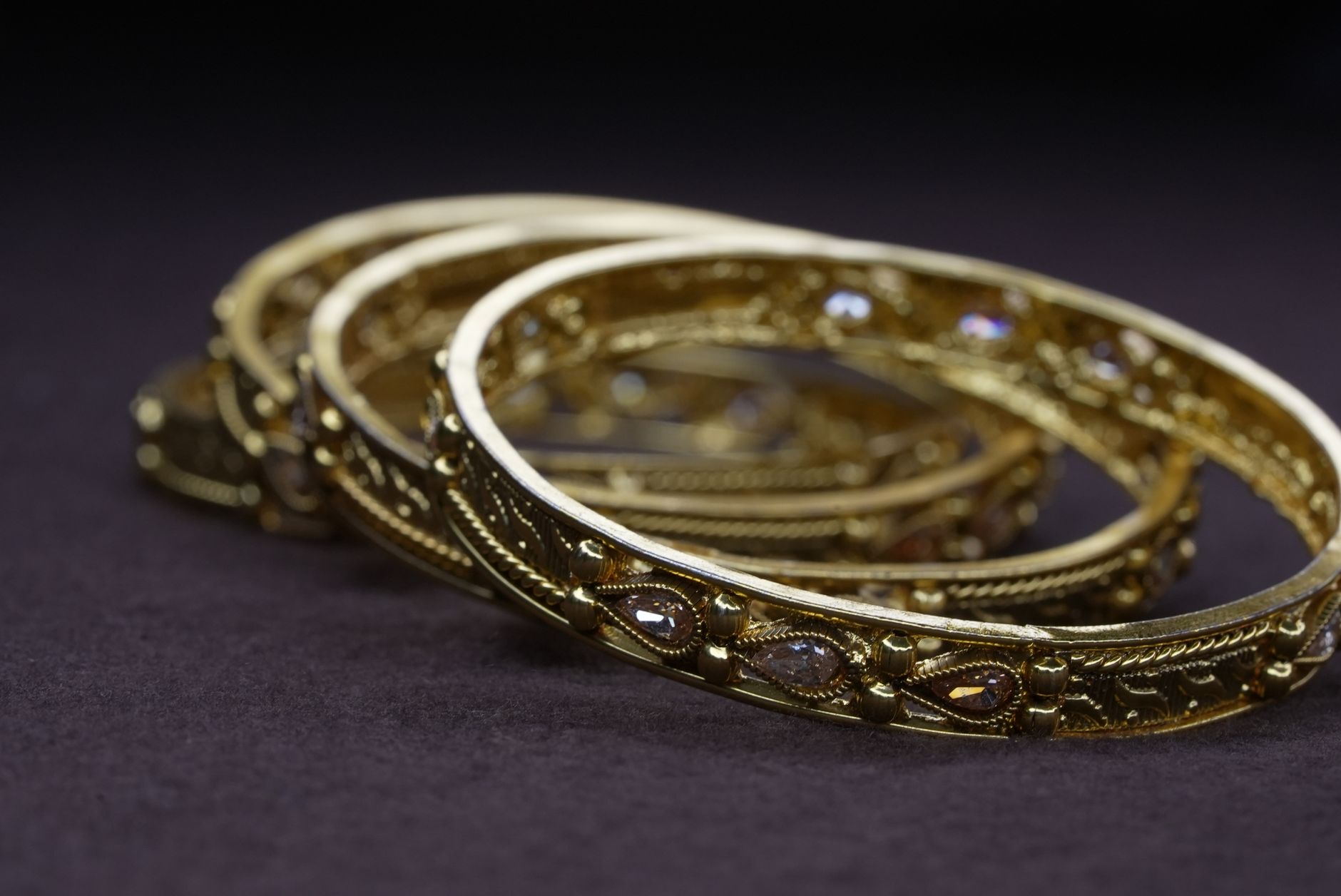
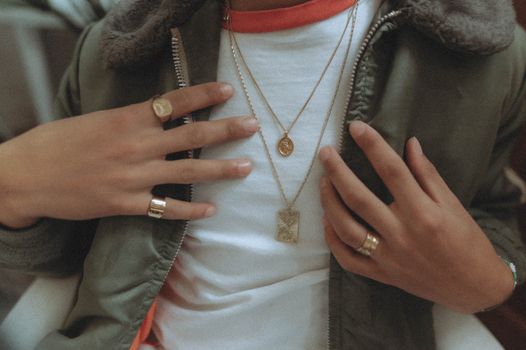 Photo: Nina Hill / Pexels
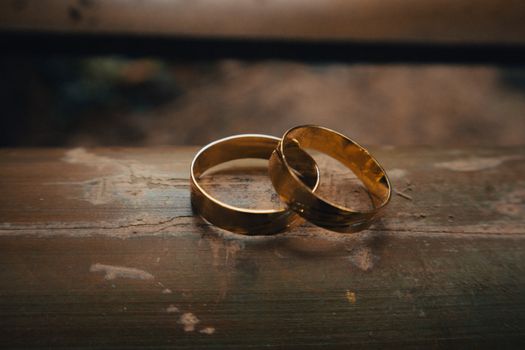 Photo: Jairus Abiasen / Pexels