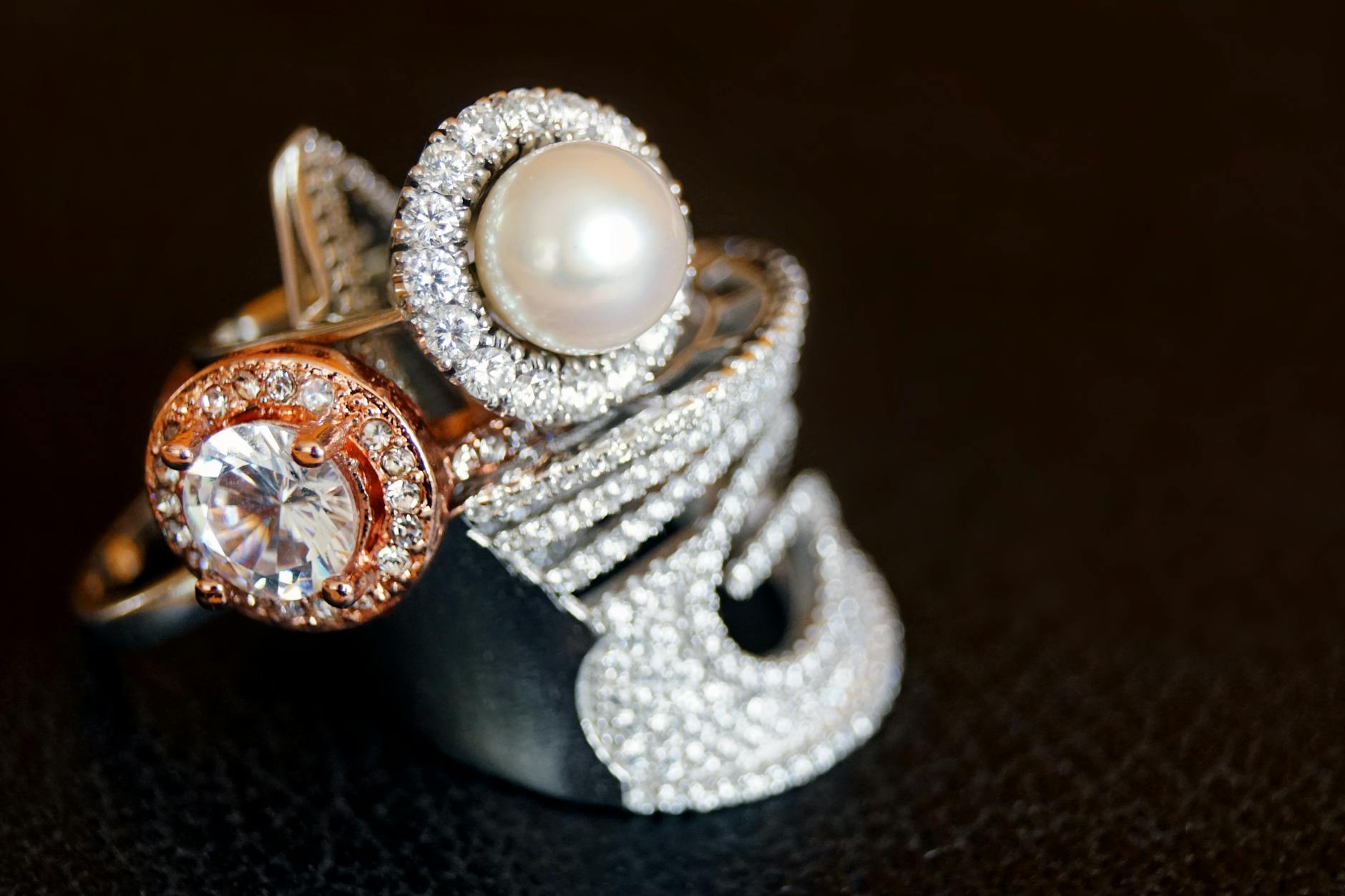
Essential Jewelry Care Tips for Sterling Silver
jewelry care tips for sterling silver

Essential Jewelry Care Tips for Sterling Silver

Unlock the secrets to keeping your sterling silver jewelry sparkling and beautiful for generations to come.

Discover Your Shine

Key Takeaways

  • ✓ Sterling silver is an alloy, typically 92.5% silver and 7.5% other metals, usually copper.
  • ✓ Tarnish is a natural chemical reaction caused by exposure to air, moisture, and certain chemicals.
  • ✓ Proper storage is crucial in preventing tarnish and scratches.
  • ✓ Regular cleaning with gentle methods can restore luster without damage.
  • ✓ Avoid harsh chemicals and abrasive materials to protect your silver.

How It Works

1
Understand the Enemy: Tarnish

Learn what causes sterling silver to tarnish, primarily exposure to sulfur compounds in the air and everyday items. This knowledge empowers you to proactively protect your jewelry.

2
Master Gentle Cleaning Techniques

Discover safe and effective methods for cleaning tarnished silver, from mild soap and water to specialized polishing cloths. Knowing the right technique prevents accidental damage.

3
Implement Proactive Prevention

Adopt habits and storage solutions that minimize exposure to tarnish-causing agents. This includes proper storage and awareness of environmental factors.

4
Regular Maintenance & Professional Care

Establish a routine for inspecting and cleaning your silver, and know when to seek professional help for intricate pieces or heavy tarnish. Consistent care ensures lasting beauty.

Understanding Sterling Silver: Composition and Tarnish Causes
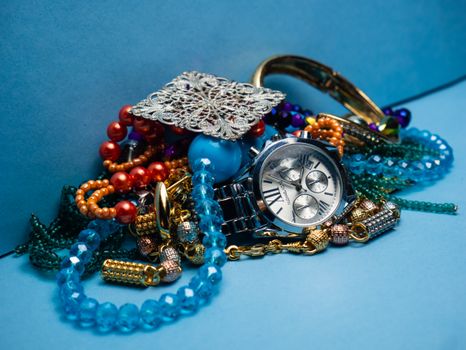
A close-up shot of various colorful jewelry pieces with a stylish wristwatch on blue background. Photo: Stephen Audu / Pexels
Sterling silver, a beloved metal for its lustrous appearance and affordability, is not pure silver. By definition, it's an alloy containing 92.5% pure silver and 7.5% other metals, most commonly copper. This small percentage of other metals is crucial; pure silver is too soft for most jewelry applications, easily bending and scratching. The addition of copper provides strength and durability, making it suitable for everyday wear. The '925' stamp often found on sterling silver pieces signifies this precise composition, guaranteeing its authenticity and quality. However, this very composition, particularly the presence of copper, is what makes sterling silver susceptible to tarnishing. Tarnish is a natural chemical reaction, not a sign of poor quality or dirt. It occurs when the copper in the sterling silver reacts with sulfur-containing compounds in the air, moisture, and various everyday substances. This reaction forms silver sulfide, a dark, dull layer that appears on the surface of the jewelry. Common culprits for accelerating tarnish include: humidity, which provides a conducive environment for chemical reactions; air pollution, especially from industrial areas; chemicals found in perfumes, lotions, hairsprays, and cleaning products; and even natural body oils and sweat, which can contain sulfur. Foods like onions, eggs, and rubber products (like elastic bands) also release sulfur and can cause rapid tarnishing if in direct contact with your silver. Understanding these factors is the first and most critical step in implementing effective jewelry care strategies for your sterling silver pieces. By identifying what causes tarnish, you can proactively protect your cherished items from dulling and discoloration, ensuring they retain their brilliant shine for years to come. Recognizing that tarnish is an inevitable part of owning sterling silver empowers you to focus on prevention and proper cleaning, rather than despair over its appearance. It’s a natural process, and with the right knowledge, it’s entirely manageable.

Effective Cleaning Techniques for Sterling Silver Jewelry
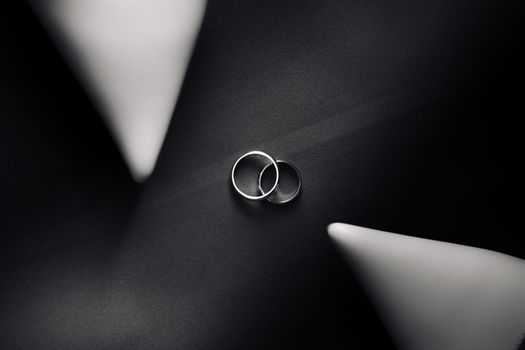
Minimalist design featuring two intertwined wedding rings on a black and white abstract backdrop. Photo: Artem Korsakov / Pexels
Once your sterling silver has started to tarnish, or even as part of routine maintenance, knowing the right cleaning techniques is paramount. There are several safe and effective methods, ranging from simple home remedies to specialized products, each suited for different levels of tarnish and types of jewelry. For light tarnish and general upkeep, a gentle approach is always best. A soft cloth, like a microfiber or jewelry polishing cloth, can often remove minor discoloration and restore shine. For slightly more stubborn tarnish, a mild soap and warm water solution is highly effective. Simply mix a few drops of dish soap (ensure it's phosphate-free) with warm water, soak your silver for 5-10 minutes, then gently scrub with a soft-bristled toothbrush (especially for intricate designs) or a soft cloth. Rinse thoroughly under cool, running water, and immediately dry completely with a soft, lint-free cloth. Residual moisture is a major contributor to tarnish, so ensure every crevice is dry. For moderate to heavy tarnish, you might need something stronger. Commercial silver polishing cloths are impregnated with a gentle cleaning agent and are excellent for buffing away tarnish and bringing back a high polish. For more aggressive tarnish, a silver polish cream or paste designed specifically for sterling silver can be used. Apply a small amount with a soft cloth, rub gently in a circular motion, and then rinse and dry thoroughly. Always follow the product instructions carefully. Another popular home remedy for heavier tarnish involves lining a bowl with aluminum foil, adding hot water, a tablespoon of baking soda, and a pinch of salt. The chemical reaction between the aluminum, baking soda, and salt helps to remove tarnish, often with satisfying results. Submerge your silver for a few minutes, then remove, rinse, and dry. Be cautious with this method on pieces with gemstones or intricate patinas, as it can sometimes affect certain materials. Regardless of the method chosen, always test a small, inconspicuous area first, especially on antique or delicate pieces, to ensure no adverse reactions. Regular, gentle cleaning prevents tarnish from becoming deeply ingrained, making maintenance much easier in the long run and preserving the beauty of your precious jewelry.

Preventative Measures: Storage and Daily Habits for Lasting Shine
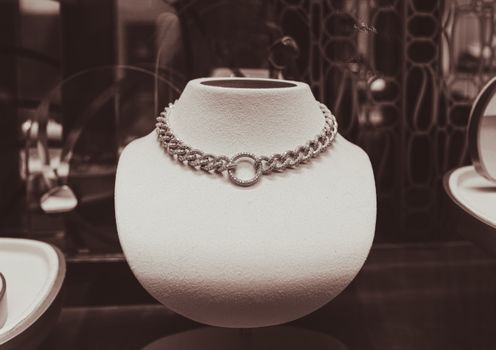
Classic monochrome close-up of a luxury necklace elegantly displayed on a bust in a store setting. Photo: amine photographe / Pexels
Prevention is undoubtedly the best strategy when it comes to maintaining the pristine condition of your sterling silver jewelry. By adopting smart storage solutions and mindful daily habits, you can significantly reduce the frequency and severity of tarnishing, keeping your pieces looking their best with minimal effort. The way you store your sterling silver is critical. Exposure to air and humidity are primary drivers of tarnish, so storing your jewelry in an airtight environment is key. Consider using anti-tarnish bags or cloths, which are often treated with a chemical that absorbs sulfur compounds, creating a protective barrier around your silver. Alternatively, individual Ziploc bags, with as much air squeezed out as possible, can work wonders. Placing a small piece of chalk or a silica gel packet inside the storage container can also help absorb moisture and further deter tarnish. Always store pieces individually to prevent them from scratching each other, especially delicate items or those with intricate designs. Beyond storage, your daily routine plays a significant role. It's advisable to put on your sterling silver jewelry *after* applying lotions, perfumes, hairspray, and cosmetics. These products often contain chemicals that can accelerate tarnishing and dull the surface of your silver. Similarly, remove your sterling silver before engaging in activities that involve water, such as showering, swimming (especially in chlorinated pools or saltwater), washing dishes, or cleaning with household chemicals. The chemicals in soaps, detergents, and cleaning agents, along with the minerals in water, can all contribute to tarnish and damage. Even exercising can be detrimental, as sweat contains salts and acids that can cause tarnishing. When removing your jewelry, give it a quick wipe with a soft cloth to remove any body oils or residues before storing it. Periodically, inspect your jewelry for any signs of wear or early tarnish, addressing it promptly with gentle cleaning. By integrating these simple yet effective habits into your routine, you'll find that your sterling silver retains its brilliant luster, requiring less intensive cleaning and ensuring its beauty endures for generations. These thoughtful jewelry care practices are an investment in the longevity of your treasured items.

Common Mistakes to Avoid and When to Seek Professional Help
A delicate arrangement of white lace and pearls, ideal for wedding or luxury-themed projects. Photo: Maria Mileta / Pexels
While maintaining sterling silver can be straightforward, certain common mistakes can inadvertently damage your cherished pieces. One of the biggest pitfalls is using abrasive materials or harsh chemicals. Avoid toothpaste, baking soda pastes (unless specifically in the foil method), or scouring pads, as these can scratch the delicate surface of your silver, removing its polish and leaving it dull. Similarly, steer clear of strong household cleaners like bleach or ammonia, which can cause irreversible damage, discoloration, or even corrosion, especially on pieces with gemstones or intricate details. Another frequent error is neglecting to thoroughly dry silver after cleaning or exposure to water. Any residual moisture is an open invitation for tarnish to form rapidly. Always use a soft, lint-free cloth to ensure your pieces are completely dry. Leaving jewelry exposed to air and humidity is also a common oversight. Simply tossing your sterling silver into an open jewelry box or on a dresser allows it to interact with tarnish-causing elements in the environment. Forgetting to remove jewelry before engaging in activities like swimming, showering, or exercising exposes it to chlorine, salt, and sweat, all of which accelerate tarnishing and can degrade the metal over time. Knowing when to seek professional help is also an important aspect of comprehensive sterling silver care. While most light to moderate tarnish can be handled at home, there are instances where a professional jeweler's expertise is invaluable: * **Heavy, deeply ingrained tarnish:** If tarnish is extensive and resistant to home cleaning methods, a professional can use specialized tools and solutions to restore your piece without damage. * **Delicate or antique pieces:** Items with intricate filigree, delicate settings, or historical value should ideally be handled by experts to avoid accidental damage. * **Pieces with porous gemstones:** Opals, pearls, turquoise, and other soft or porous stones can be damaged by water, heat, or certain cleaning chemicals. Professionals know how to clean the silver without harming the stones. * **Broken or damaged jewelry:** If your silver piece also needs repairs, a professional cleaning can often be done concurrently. * **Rhodiated or oxidized silver:** Some sterling silver is rhodium-plated for extra shine and tarnish resistance, or intentionally oxidized for an antique look. Home cleaning methods can sometimes remove these finishes, so professional guidance is best. By avoiding these common mistakes and understanding when to consult a professional, you ensure your sterling silver jewelry receives the best possible care, preserving its beauty and value for years to come. These jewelry care practices are essential for longevity.

Comparison

Cleaning MethodBest for Light TarnishBest for Moderate TarnishBest for Heavy TarnishProsCons
Soft Polishing ClothGentle, quick, no water neededNot effective for heavy tarnish
Mild Soap & WaterSafe for most items, removes grimeRequires thorough drying, not for porous stones
Silver Polish Cream/PasteVery effective for tarnish removalCan be abrasive if not careful, requires rinsing
Baking Soda & Foil BathChemical reaction removes tarnish efficientlyCan affect patinas, not for porous stones or glued pieces
Commercial Silver DipFast, effective for intricate itemsStrong chemicals, can strip finishes, not for porous stones
Professional CleaningExpert handling, safe for all piecesCost, time, may not be necessary for light tarnish

What Readers Say

"These jewelry care tips for sterling silver are a game-changer! My grandmother's necklace looks brand new after following the cleaning and storage advice. So grateful for this comprehensive guide."

Sarah J. · Austin, TX

"I used to struggle with my sterling silver rings always tarnishing. The preventative measures section on daily habits and proper storage has made a huge difference. My jewelry stays shiny longer."

Mark D. · Seattle, WA

"The baking soda and foil method was a revelation for my heavily tarnished bracelet. It went from nearly black to sparkling silver in minutes. Truly effective jewelry care tips for sterling silver."

Emily R. · Miami, FL

"The article provided a lot of solid information, especially about avoiding harsh chemicals. I appreciate the detailed breakdown of what causes tarnish. Some tips were things I already knew, but it's a great refresher."

David L. · Chicago, IL

"As a jewelry maker, I often get questions about sterling silver care. I'll be recommending this article to all my customers. The blend of DIY and professional advice is spot on for anyone owning silver."

Jessica M. · Denver, CO

Frequently Asked Questions

What is the best way to prevent sterling silver from tarnishing?

The best prevention involves proper storage in airtight bags or anti-tarnish cloths, away from humidity and direct sunlight. Additionally, remove your sterling silver jewelry before showering, swimming, exercising, or applying lotions and perfumes, as these can accelerate the tarnishing process.

Is it safe to clean sterling silver with toothpaste?

While toothpaste is often suggested as a home remedy, it's generally not recommended. Many toothpastes are abrasive and can scratch the surface of sterling silver, dulling its shine over time. Stick to gentler methods like mild soap and water or specialized silver polishes.

How often should I clean my sterling silver jewelry?

The frequency depends on how often you wear the piece and how quickly it tarnishes. For frequently worn items, a quick wipe with a polishing cloth after each wear is beneficial. For less worn items, a thorough cleaning every few months, or as soon as you notice tarnish appearing, is usually sufficient.

Are professional cleaning services for sterling silver worth the cost?

Professional cleaning can be very worthwhile for heavily tarnished, antique, or delicate sterling silver pieces, especially those with porous gemstones or intricate designs. Jewelers have specialized tools and solutions that can restore luster without risk of damage, often extending the life and beauty of your jewelry.

What's the difference between sterling silver and silver-plated jewelry care?

Sterling silver is a solid alloy, so you can clean and polish it more robustly. Silver-plated jewelry, however, has only a thin layer of silver over a base metal. Harsh cleaning methods or excessive polishing can wear away this plating, exposing the base metal beneath. Silver-plated items require much gentler care to preserve the plating.

Who should use these sterling silver jewelry care tips?

Anyone who owns sterling silver jewelry, from everyday wearers to collectors of antique pieces, will benefit from these tips. Understanding proper care is essential for preserving the beauty, value, and longevity of all your sterling silver items, ensuring they remain cherished for years to come.

Can wearing sterling silver help prevent tarnish?

Yes, surprisingly, wearing sterling silver regularly can sometimes help prevent tarnish. The natural oils from your skin can act as a protective barrier, slowing down the oxidation process. However, this is contingent on not exposing it to harsh chemicals or excessive sweat, which would have the opposite effect.

What are emerging trends in eco-friendly sterling silver care products?

The trend is moving towards non-toxic, biodegradable cleaning solutions that are safe for both your jewelry and the environment. Many brands are developing plant-based polishes and anti-tarnish storage solutions made from sustainable materials, reflecting a growing consumer demand for environmentally conscious jewelry care.

By consistently applying these comprehensive jewelry care tips for sterling silver, you can effortlessly maintain the dazzling brilliance and enduring charm of your treasured pieces. Start protecting your investment today and enjoy your sterling silver jewelry for a lifetime.

Topics: jewelry care tips for sterling silverclean sterling silverprevent sterling silver tarnishstore sterling silver jewelrysterling silver maintenance
Leo List

IE Escorts NO Escorts US Escorts NZ Escorts AU Escorts
Brampton weed
Adultwork EstrelaBet Vai de Bet R7 Bet Betão Galera Bet Rainbet Bet9ja Shop SportyBet BetKing Sisal Loto Foot Hollywoodbets YesPlay Odibets RushBet Jugabet BetWarrior BetCity MSport betPawa Fortebet