Where to Buy Pearl Earrings: Your Ultimate Guide to Timeless Elegance
where to buy pearl earrings

Where to Buy Pearl Earrings: Your Ultimate Guide to Timeless Elegance

Unlock the secrets to finding exquisite pearl earrings that perfectly complement your style and budget.

Find Your Perfect Pair

Key Takeaways

  • ✓ Cultured pearls are the most common type found in jewelry today.
  • ✓ Akoya, Freshwater, South Sea, and Tahitian are the four main pearl varieties.
  • ✓ Quality factors for pearls include luster, surface quality, shape, color, size, and nacre thickness.
  • ✓ Reputable jewelers often provide certification for high-value pearl earrings.

How It Works

1
Define Your Style & Budget

Consider if you prefer classic studs, elegant drops, or modern designs. Establish a comfortable price range before you begin shopping.

2
Research Pearl Types & Quality

Educate yourself on Akoya, Freshwater, South Sea, and Tahitian pearls. Understand luster, surface, shape, and size to identify quality.

3
Explore Reputable Retailers

Look into established online stores, local jewelers, and specialty pearl boutiques. Check for return policies, warranties, and customer reviews.

4
Verify Authenticity & Certification

For significant purchases, request or ensure GIA or equivalent certification. Always buy from sellers who stand behind their products.

Navigating the Market: Where to Buy Pearl Earrings Online
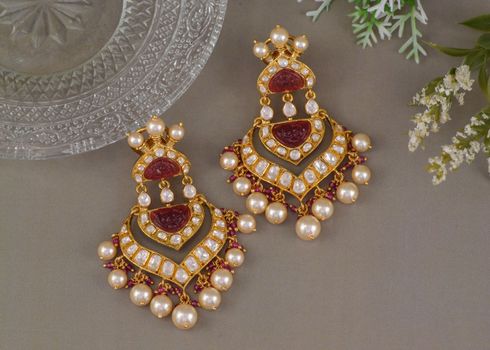
Pair of luxurious beaded earrings with pearls and gold accents on a gray surface. Photo: Arif khan / Pexels
The digital marketplace has revolutionized how we shop for fine jewelry, offering unparalleled convenience and a vast selection. When considering where to buy pearl earrings online, several factors come into play, primarily the reputation of the vendor, their return policies, and the breadth of their inventory. Online retailers often boast a wider variety of pearl types, sizes, and settings than brick-and-mortar stores, making it easier to find that truly unique pair. However, the inability to physically inspect the pearls before purchase necessitates a keen eye for detail in product descriptions and a thorough understanding of quality indicators. Look for high-resolution images, detailed specifications regarding pearl type (Akoya, Freshwater, Tahitian, South Sea), size, luster, surface quality, and metal type (sterling silver, gold, platinum). Top-tier online jewelers frequently provide detailed educational resources about pearls, helping you make an informed decision. They also tend to offer robust customer service, including virtual consultations, and clear guarantees on authenticity. Websites like Blue Nile, James Allen, and The Pearl Source are often cited for their extensive collections and transparent grading systems. These platforms allow you to filter by pearl type, color, size, and price, streamlining your search. Always check for customer reviews and testimonials, not just on their site but on independent review platforms, to gauge overall satisfaction and reliability. Furthermore, scrutinize their return and exchange policies. A generous return window and free return shipping are strong indicators of a company's confidence in its products and commitment to customer satisfaction. Be wary of sites with vague descriptions or suspiciously low prices, as these can be red flags for synthetic or low-quality pearls. Investing time in researching online vendors will significantly enhance your chances of finding exquisite pearl earrings that meet your expectations and budget. Remember, a good online retailer will make you feel confident in your purchase, even without seeing the pearls in person. For more insights on general jewelry shopping, consider exploring resources on how to choose fine jewelry.

Discovering Local Gems: Traditional Jewelers and Specialty Boutiques
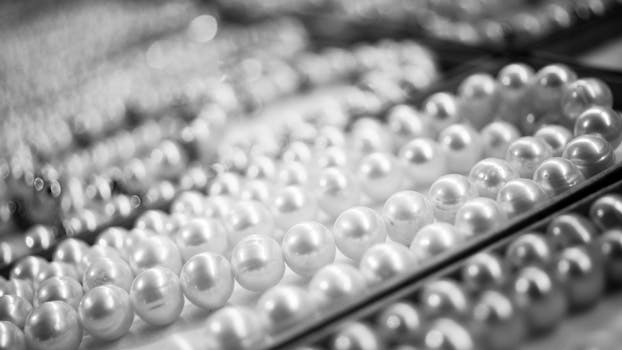
A close-up view of elegant pearl necklaces showcasing their shine and texture. Photo: Khairul Onggon / Pexels
While online shopping offers convenience, the experience of visiting a traditional jeweler or specialty boutique when deciding where to buy pearl earrings provides unique advantages. The most significant benefit is the opportunity to see and feel the pearls in person. You can assess their luster, examine their surface for blemishes, and compare different sizes and colors directly under various lighting conditions. This tactile experience is invaluable, especially for a purchase as personal as fine jewelry. Local jewelers often have a deep understanding of their inventory and can offer personalized advice, guiding you through the nuances of pearl types, settings, and care. They can help you visualize how the earrings will look when worn and often provide customization options that online retailers might not. Building a relationship with a local jeweler can also be beneficial for future purchases and services, such as cleaning, repairs, or appraisals. Many independent jewelers pride themselves on their craftsmanship and curated collections, often featuring unique or ethically sourced pearls that you might not find elsewhere. When searching for a local store, look for jewelers with strong community reputations, positive local reviews, and a history of expertise in pearls. Don't hesitate to ask about their sourcing practices, the origin of their pearls, and any certifications they provide (e.g., GIA, GRS for diamonds, but for pearls, often an in-house appraisal or GIA report on request). Specialty pearl boutiques, though less common, are treasure troves for connoisseurs. These stores focus exclusively on pearls, offering an unparalleled depth of knowledge and a vast selection ranging from rare South Sea pearls to unique Tahitian varieties. Their staff are true experts and can provide insights into specific pearl characteristics, historical significance, and proper care that go beyond what a general jeweler might offer. The personal touch and expert guidance available at these physical locations can transform your shopping journey into an educational and enjoyable experience, ensuring you make a confident and cherished purchase.

Understanding Pearl Types and Quality Factors for Informed Purchases
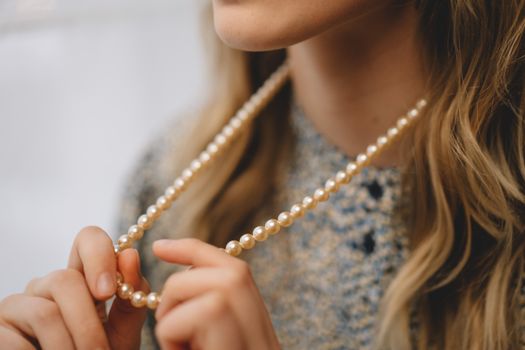
A fashionable woman holding a pearl necklace with blonde hair visible in a stylish close-up shot. Photo: cottonbro studio / Pexels
Before you decide where to buy pearl earrings, it's crucial to understand the different types of pearls and the factors that determine their quality and value. This knowledge empowers you to make an informed decision, ensuring you get the best possible value for your investment. The four primary types of cultured pearls are Akoya, Freshwater, South Sea, and Tahitian. Akoya pearls, primarily from Japan, are renowned for their perfectly round shape, brilliant luster, and classic white or cream body colors, often with rose or silver overtones. They are typically smaller, making them ideal for delicate studs and classic strands. Freshwater pearls, predominantly from China, offer the widest range of shapes, sizes, and natural colors, including white, pink, peach, and lavender. They are generally more affordable and known for their softer luster and often more baroque or off-round shapes, though high-quality round freshwater pearls can rival Akoyas. South Sea pearls, cultivated in Australia, Indonesia, and the Philippines, are the largest and among the most valuable, known for their substantial size, satin-like luster, and natural white, silver, or golden hues. Their thick nacre gives them a deep, rich glow. Tahitian pearls, from French Polynesia, are famous for their exotic natural dark colors, ranging from black to grey, green, blue, and purple, often with iridescent overtones. Their unique hues and moderate to large sizes make them highly sought after. Beyond pearl type, the GIA (Gemological Institute of America) outlines seven value factors: luster, surface quality, shape, color, size, nacre thickness, and matching (for pairs or strands). Luster, the intensity of light reflected from the pearl's surface, is perhaps the most critical. A high-quality pearl will have a sharp, bright luster, allowing you to see your reflection. Surface quality refers to the presence of blemishes; fewer and smaller blemishes mean higher quality. Shape, while often subjective, dictates value, with perfectly round pearls typically being the most expensive. Color refers to the body color and any overtone. Size generally correlates with value, with larger pearls being rarer. Nacre thickness contributes to durability and luster. Finally, for earrings, precise matching of size, shape, color, and luster is paramount. Familiarizing yourself with these factors will equip you to confidently assess the quality of pearl earrings, whether you're shopping online or in a boutique, and help you find the perfect jewelry piece.

Avoiding Pitfalls: Tips for a Successful Pearl Earring Purchase

Close-up of a hand with pearl bracelet holding a book, surrounded by flowers and a watch, creating an elegant scene. Photo: olga Volkovitskaia / Pexels
Purchasing pearl earrings can be a significant investment, and like any valuable acquisition, there are common pitfalls to avoid. One of the biggest mistakes is focusing solely on price. While budget is important, an unusually low price can be a red flag for synthetic pearls, poorly matched pairs, or pearls with significant surface blemishes. Always prioritize quality and authenticity over a bargain that seems too good to be true. Another pitfall is neglecting to check the metal setting. The finest pearls deserve to be set in durable, high-quality metals like 14k or 18k gold (white, yellow, or rose) or platinum. Sterling silver is an acceptable and more affordable option, but ensure it's rhodium-plated to prevent tarnishing. The quality of the setting directly impacts the earrings' longevity and security. Furthermore, not understanding the vendor's return policy can lead to disappointment. A reputable seller will offer a clear, hassle-free return or exchange policy, typically within 30 days. This allows you to inspect the earrings in person and ensure they meet your expectations. Be wary of final sale items unless you are absolutely confident in your purchase. Another common error is underestimating the importance of pearl size. While larger pearls are generally more expensive, they might not always be the best choice for your earlobe size or personal style. Consider the wearer's stature and the intended occasion. For everyday wear, a smaller, more subtle pearl might be more appropriate than a dramatic, large one. Lastly, always ask for certification or a detailed appraisal, especially for higher-value pearls. This documentation verifies the pearl's characteristics and authenticity, providing peace of mind and protecting your investment. By being informed and diligent, you can navigate the market successfully and acquire a stunning pair of pearl earrings that you'll cherish for years to come. Key takeaways to ensure a successful purchase: * **Prioritize quality over rock-bottom prices:** Value and authenticity are key. * **Inspect metal settings:** Ensure durable metals like 14k/18k gold or platinum. * **Understand return policies:** Look for clear, hassle-free returns. * **Consider pearl size relative to wearer:** Match size to style and occasion. * **Request certification/appraisal:** Verify authenticity and characteristics.

Comparison

FeatureOnline Retailers (e.g., Blue Nile)Local Independent JewelersSpecialty Pearl Boutiques
Selection VarietyExtensive, global inventoryCurated, often unique piecesDeepest selection of pearl types
In-Person Inspection
Expert GuidanceCustomer service reps (virtual)Personalized, hands-on adviceHighly specialized pearl experts
Price RangeCompetitive, often good valueVaries, may have higher markupsPremium, but often for rare pearls
Return PolicyOften generous (30+ days)Varies by store, inquire firstVaries, often flexible for quality items
CustomizationLimited optionsOften availableSometimes available for settings

What Readers Say

"I was overwhelmed figuring out where to buy pearl earrings, but this guide led me to The Pearl Source online. Their detailed descriptions and customer service made me feel so confident, and the Akoya studs I received are absolutely stunning. Highly recommend!"

Sarah J. · Austin, TX

"After reading this, I visited a local jeweler to compare quality. Being able to see the luster of different freshwater pearls in person was invaluable. I found the perfect pair for my wife, and the personal service was fantastic."

David M. · Seattle, WA

"I used the tips here to find a pair of Tahitian pearl earrings. I ended up buying from James Allen, and their certification and high-res images ensured I knew exactly what I was getting. The earrings are even more beautiful than I imagined!"

Emily R. · Miami, FL

"The information on pearl types was incredibly helpful. While I initially wanted Akoyas, I discovered the beauty of high-quality freshwater pearls through a specialty boutique mentioned here. Saved some money without sacrificing much luster."

Michael S. · Chicago, IL

"This article was a lifesaver for my anniversary gift search. It helped me understand what to look for in terms of quality and where to buy pearl earrings with confidence, whether online or locally. My mom absolutely adores her new pearl drops!"

Jessica L. · Denver, CO

Frequently Asked Questions

What is the best type of pearl for everyday earrings?

For everyday wear, Freshwater or Akoya pearls are excellent choices. Freshwater pearls offer a wide range of colors and shapes at an accessible price point, while Akoya pearls provide a classic, perfectly round look with high luster, ideal for versatile elegance. Their durability and classic appeal make them suitable for frequent use.

How can I tell if pearl earrings are authentic?

Authentic pearls often have minor imperfections and a unique luster that's hard to replicate. The 'tooth test' is a common method: gently rub the pearl against your front tooth. A real pearl will feel slightly gritty or sandy due to its nacre layers, while a fake pearl will feel smooth. Reputable sellers also provide certification or appraisals.

What size pearl earrings should I buy?

The ideal size depends on personal preference and the intended occasion. For subtle everyday wear, 6-8mm pearls are popular. For a more noticeable statement or evening wear, 9-11mm pearls are often chosen. Larger pearls (12mm+) are typically reserved for special occasions or those who prefer a bold look. Consider the wearer's earlobe size and face shape.

Are expensive pearl earrings always better quality?

Generally, higher-priced pearl earrings reflect superior quality in terms of luster, surface, shape, size, and nacre thickness. However, price can also be influenced by the brand, setting material, and rarity of the pearl type (e.g., South Sea or Tahitian pearls are inherently more expensive than Freshwater). It's crucial to understand the quality factors to ensure the price aligns with the pearl's characteristics, not just the brand name.

Should I buy pearl earrings online or in a physical store?

Both options have merits. Online stores offer vast selection and competitive pricing, often with detailed descriptions and robust return policies. Physical stores allow you to inspect pearls in person, receive personalized advice, and build a relationship with a jeweler. For high-value purchases, a physical store or an online retailer with strong guarantees and certifications is recommended.

Who should buy pearl earrings?

Pearl earrings are a timeless and versatile piece of jewelry suitable for anyone seeking elegance and sophistication. They make excellent gifts for graduations, anniversaries, birthdays, or as a classic addition to one's own jewelry collection. They complement various styles, from professional attire to casual wear and formal gowns.

Are pearl earrings durable, and how should I care for them?

Pearls are relatively soft gems and require gentle care. Avoid exposing them to harsh chemicals (perfumes, hairspray, cleaning products), extreme heat, or prolonged direct sunlight. Clean them with a soft, damp cloth after each wear and store them separately in a soft pouch to prevent scratches. With proper care, they can last for generations.

What are the current trends in pearl earring designs?

While classic pearl studs remain timeless, current trends include baroque pearl earrings for their unique, organic shapes, often set with minimalist gold. Also popular are mismatched pearl earrings, pearl hoops, and designs incorporating other gemstones or diamonds. Larger, statement pearl drops and designs with a modern, artistic flair are also gaining popularity, offering fresh takes on this traditional gem.

Now that you're equipped with comprehensive knowledge on where to buy pearl earrings and what to look for, embark on your journey with confidence. Whether you choose the vast selection of online retailers or the personalized touch of a local jeweler, the perfect pair of pearl earrings awaits to add a touch of timeless elegance to your collection.

Topics: where to buy pearl earringsbest place to buy pearl earringsonline pearl jewelry storestypes of pearl earringsauthentic pearl earrings
Leo List
Brampton weed
Adultwork EstrelaBet Vai de Bet R7 Bet Betão Galera Bet Rainbet Bet9ja Shop SportyBet BetKing Sisal Loto Foot Hollywoodbets YesPlay Odibets RushBet Jugabet BetWarrior BetCity MSport betPawa Fortebet